


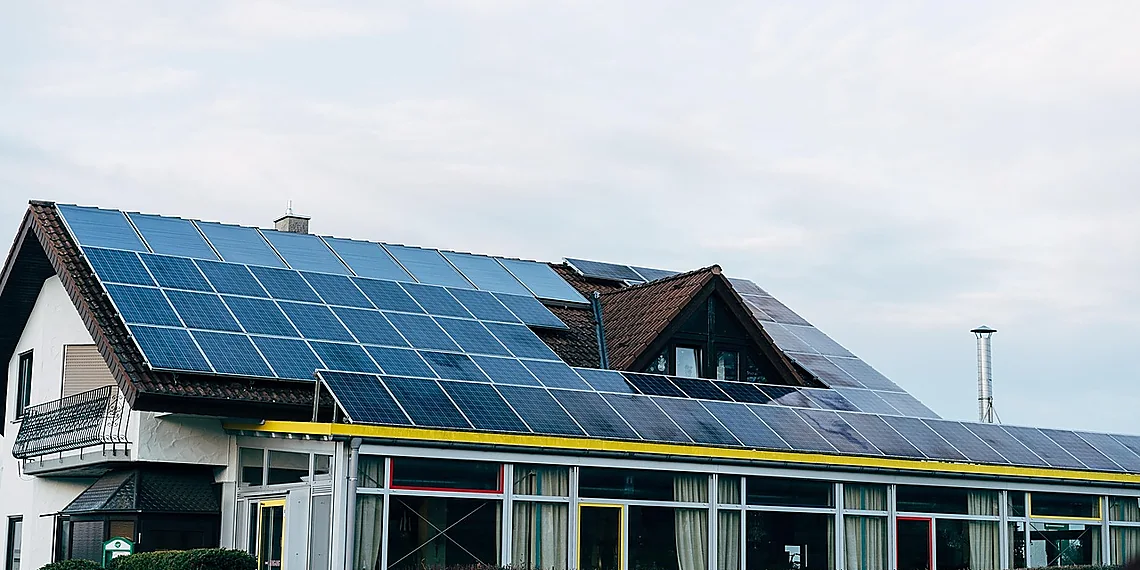
The Growing Need for Resilient Energy Systems
Energy systems are facing unprecedented challenges; consequently, businesses require more than just reliable power – they need resilient and adaptable infrastructure. Traditional approaches often prove inadequate, leaving organizations vulnerable to costly downtime and missed opportunities. This article explores how integrated control solutions address these challenges and build a future-proof system, focusing on the critical importance of energy management.

A recent whitepaper from Honeywell emphasizes the need for a holistic approach to energy management, including microgrids, energy storage systems (ESS), and renewable sources. Simply adding solar panels or batteries isn’t enough; rather, it’s about orchestrating these assets intelligently to maximize efficiency and minimize risk.
Understanding Integrated Energy Control
What exactly does integrated energy management control entail? It goes beyond basic monitoring and reporting. It involves a centralized platform that connects all your energy assets – solar arrays, wind turbines, battery storage, generators, and grid connections – allowing for real-time data analysis and automated decision-making.
Key Benefits of Integrated Control
Integrated energy management control offers numerous advantages. For instance, automated peak shaving capabilities can significantly reduce demand charges by intelligently shifting energy consumption or utilizing on-site generation during high-demand periods. Furthermore, balancing diverse energy sources (solar, storage, grid) is complex; integrated control systems dynamically adjust to ensure a stable and reliable power supply, minimizing reliance on expensive grid power. Additionally, participating in energy markets can be lucrative, but requires sophisticated management – integrated platforms enable optimized bidding strategies and automated response to market signals. Notably, microgrids provide islanding capabilities, allowing facilities to operate independently during grid outages, ensuring business continuity; therefore, resilience is significantly improved.
Components of an Integrated System
A typical integrated energy management system includes several core components. These usually incorporate advanced metering infrastructure (AMI) for real-time data acquisition and a supervisory control and data acquisition (SCADA) system for centralized monitoring and control. Moreover, sophisticated analytics dashboards provide insights into energy consumption patterns and performance metrics. As a result, facility managers gain valuable visibility into their operations.
Real-World Example: Honeywell’s Lugoj Plant
Honeywell’s own Lugoj plant provides a compelling case study demonstrating the practical benefits of integrated energy management. By implementing an integrated energy control system, the facility achieved a remarkable 30% reduction in grid costs while simultaneously guaranteeing backup power availability. This illustrates the tangible advantages of adopting a holistic approach.
Key takeaway from Lugoj: A unified platform for managing diverse energy assets can deliver significant cost savings and improve operational resilience.
The system monitors and controls various aspects, including solar generation, battery storage, and grid connectivity. Data analytics provide insights into energy consumption patterns, allowing for proactive adjustments to optimize performance. Predictive maintenance capabilities further minimize downtime by anticipating potential equipment failures; therefore, overall efficiency is enhanced.
Future-Proofing Your Energy Infrastructure
The future of energy management is decentralized and dynamic. Organizations that embrace integrated control solutions will be well-positioned to succeed in this evolving landscape. By leveraging data analytics, automation, and advanced algorithms, businesses can unlock significant cost savings, enhance operational resilience, and contribute to a more sustainable future. Ultimately, effective energy management is not just about reducing costs; it’s about building a resilient and environmentally responsible infrastructure for the years to come.
Source: Read the original article here.
Discover more from ByteTrending
Subscribe to get the latest posts sent to your email.