

Beyond Terrestrial Networks: The Dawn of 6G
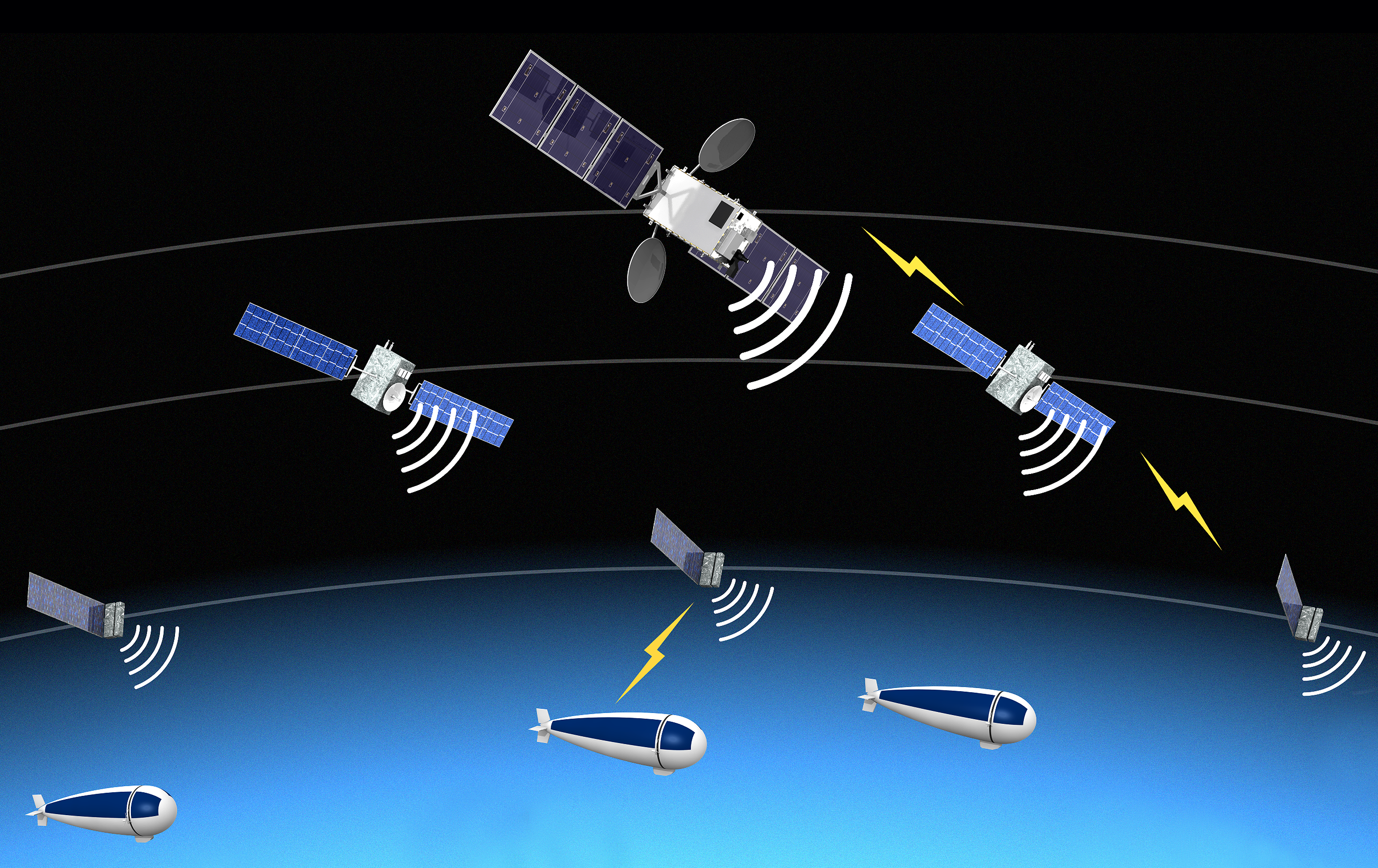
The evolution of wireless technology is poised for a dramatic shift, moving beyond traditional ground-based infrastructure. Forget solely relying on cell towers; the future of 6G communication envisions satellites, drones, and airships playing crucial roles in our networks. Researchers are actively investigating how these aerospace platforms can extend connectivity to underserved areas and revolutionize data transmission capabilities. This paradigm shift promises significantly enhanced bandwidth, reduced latency, and truly global coverage – a monumental step forward.
How Aerospace Platforms Will Power 6G
The concept isn’t simply about launching satellites; it’s about strategically integrating a diverse range of intelligent platforms into the network infrastructure. Furthermore, each platform brings unique advantages to the overall system. Here’s a breakdown:
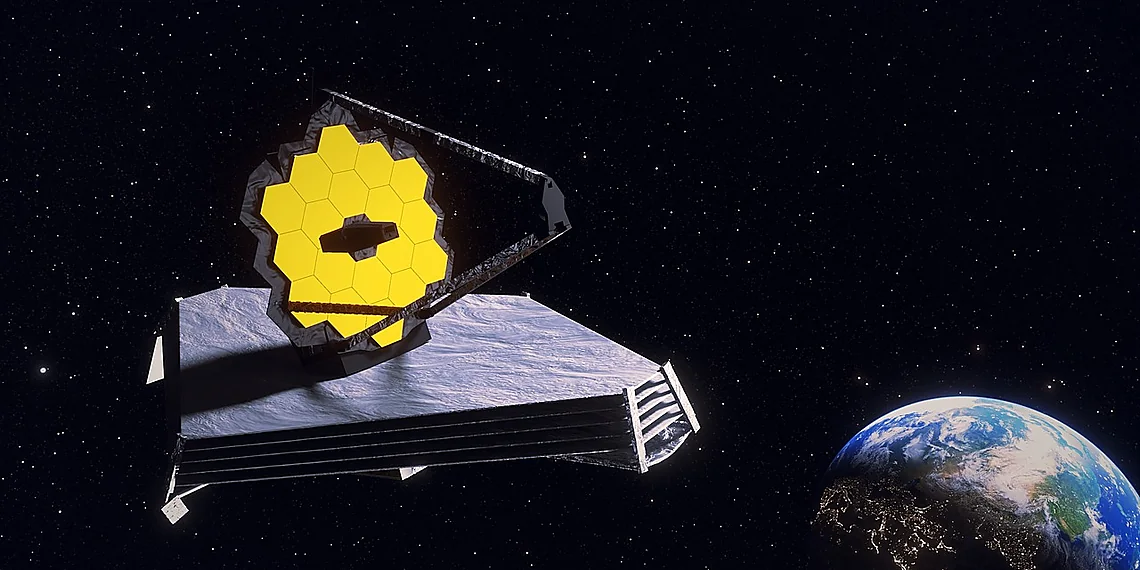
- Satellites: These provide broad, global coverage for remote areas and enable seamless handoffs between terrestrial networks, effectively bridging connectivity gaps. Higher orbits are being explored to reduce congestion and improve signal propagation characteristics.
- Airships: Airships offer a more flexible and often cost-effective alternative to satellites, particularly useful for regional coverage and temporary deployments. Their altitude provides an optimal balance between signal strength and operational practicality; consequently, they’re gaining significant attention.
- Drones: Drones are ideally suited for localized, high-bandwidth connections in areas with limited infrastructure or during emergency situations, proving invaluable in critical scenarios. They can also be utilized for network monitoring and maintenance tasks, enhancing overall system efficiency.
Researchers at King Abdullah University of Science and Technology (KAUST) are actively leading the charge in developing these integrated solutions. Their work focuses on optimizing communication protocols to handle diverse platform capabilities, managing interference between signals effectively, and ensuring secure data transmission across this complex hybrid network. Notably, they’re also exploring advanced beamforming techniques.
Addressing Orbital Challenges
A significant aspect of integrating these platforms involves addressing orbital mechanics. Coordinating the movement of satellites and drones to ensure continuous connectivity requires sophisticated algorithms and precise timing. For example, predicting satellite paths and drone flight patterns is crucial for maintaining seamless data flow.
Security Considerations in 6G
Securing data transmitted through space and via airborne platforms presents unique challenges. Therefore, robust encryption methods and authentication protocols are essential to prevent unauthorized access and mitigate cyberattacks. Furthermore, developing resilient communication channels that can withstand interference and jamming attempts is a key priority.
Challenges & Timeline for 6G Deployment
Integrating aerospace platforms into a seamless 6G network presents several challenges that researchers are diligently working to overcome. However, the potential rewards justify these efforts. Here’s an overview of some key hurdles:
- Orbital Mechanics: Coordinating the movement of satellites and drones to ensure continuous connectivity requires sophisticated algorithms and precise timing.
- Interference Management: Signals from various platforms can interfere with each other, necessitating advanced signal processing techniques – a significant technical hurdle for 6G implementation.
- Security Concerns: Securing data transmitted through space and via airborne platforms is paramount to prevent unauthorized access and cyberattacks, demanding innovative security solutions.
- Regulatory Hurdles: International regulations governing the use of airspace and satellite frequencies need adaptation to accommodate this new technology – a process that requires international cooperation.
Despite these challenges, progress is accelerating steadily. While widespread deployment isn’t expected until the early 2030s, initial trials and demonstrations are already underway across various research institutions globally. As a result of ongoing development, we can anticipate advancements in satellite technology and drone capabilities.
Conclusion: A New Era for Wireless Connectivity with 6G
The integration of satellites, drones, and airships into 6G networks truly represents a monumental leap forward in wireless technology. While significant technical and regulatory challenges remain, the potential to connect everyone and everything across the globe is increasingly within reach. Similarly, advancements in AI and machine learning are expected to further optimize network performance. As research continues and regulatory frameworks evolve, we can anticipate a future where the sky becomes an integral part of our communication infrastructure – ushering in a new era for 6G and global connectivity.
Source: Read the original article here.
Discover more tech insights on ByteTrending.
Discover more from ByteTrending
Subscribe to get the latest posts sent to your email.