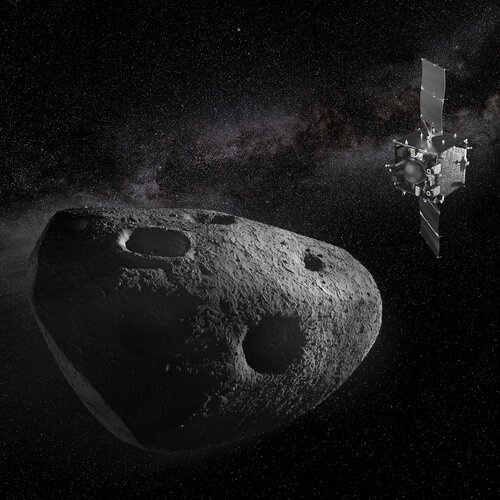



Apophis Asteroid: Threat, Impact & Latest Updates
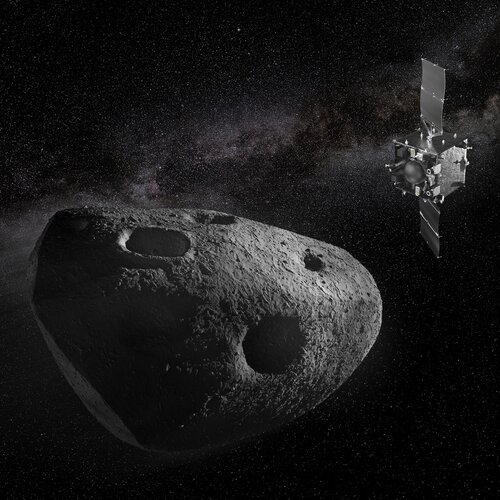
The Japan Aerospace Exploration Agency (JAXA) has requested funding to participate in the European Space Agency’s (ESA) Rapid Apophis Mission for Space Safety (Ramses).
The upcoming Apophis asteroid poses a potential threat to Earth, and international collaboration is crucial for understanding its trajectory and developing mitigation strategies. ESA’s Ramses mission, launched in 2021, is specifically designed to study Apophis up close. JAXA’s involvement represents a significant step forward in this collaborative effort.
Why Collaborate on Apophis?
Apophis’s unpredictable orbit has raised concerns about its potential impact on Earth in the future. While the probability of an impact remains low, it’s vital to gather as much data as possible to refine our understanding and prepare for any unforeseen circumstances. Combining ESA’s Ramses mission with JAXA’s capabilities offers a more comprehensive approach.
Ramses: A Key Component
The Ramses spacecraft is equipped with a suite of instruments including a laser altimeter, cameras, and spectrometers. These tools will be used to precisely measure Apophis’s size, shape, rotation rate, and surface composition. This data is essential for calculating its trajectory with greater accuracy.
JAXA’s Contribution
JAXA’s contribution is expected to focus on providing additional observational capabilities and potentially developing new instruments or techniques for studying Apophis. Their expertise in asteroid science and mission operations will be invaluable to the overall project. Specifically, JAXA’s involvement could include utilizing their ground-based radar facilities for enhanced tracking of Apophis.
Future Plans and Implications
The data collected by Ramses and supported by JAXA’s contributions will feed directly into improved trajectory models for Apophis. This, in turn, will allow scientists to assess the long-term risk posed by the asteroid with greater confidence. The collaboration highlights the importance of international cooperation in planetary defense – a field that demands global resources and expertise.
Furthermore, this mission paves the way for future collaborations on other potentially hazardous asteroids, strengthening our ability to protect Earth from impact threats. It’s a testament to the shared commitment of space agencies worldwide to ensure the safety of our planet.
Source: Read the original article here.
Discover more tech insights on ByteTrending.
Discover more from ByteTrending
Subscribe to get the latest posts sent to your email.