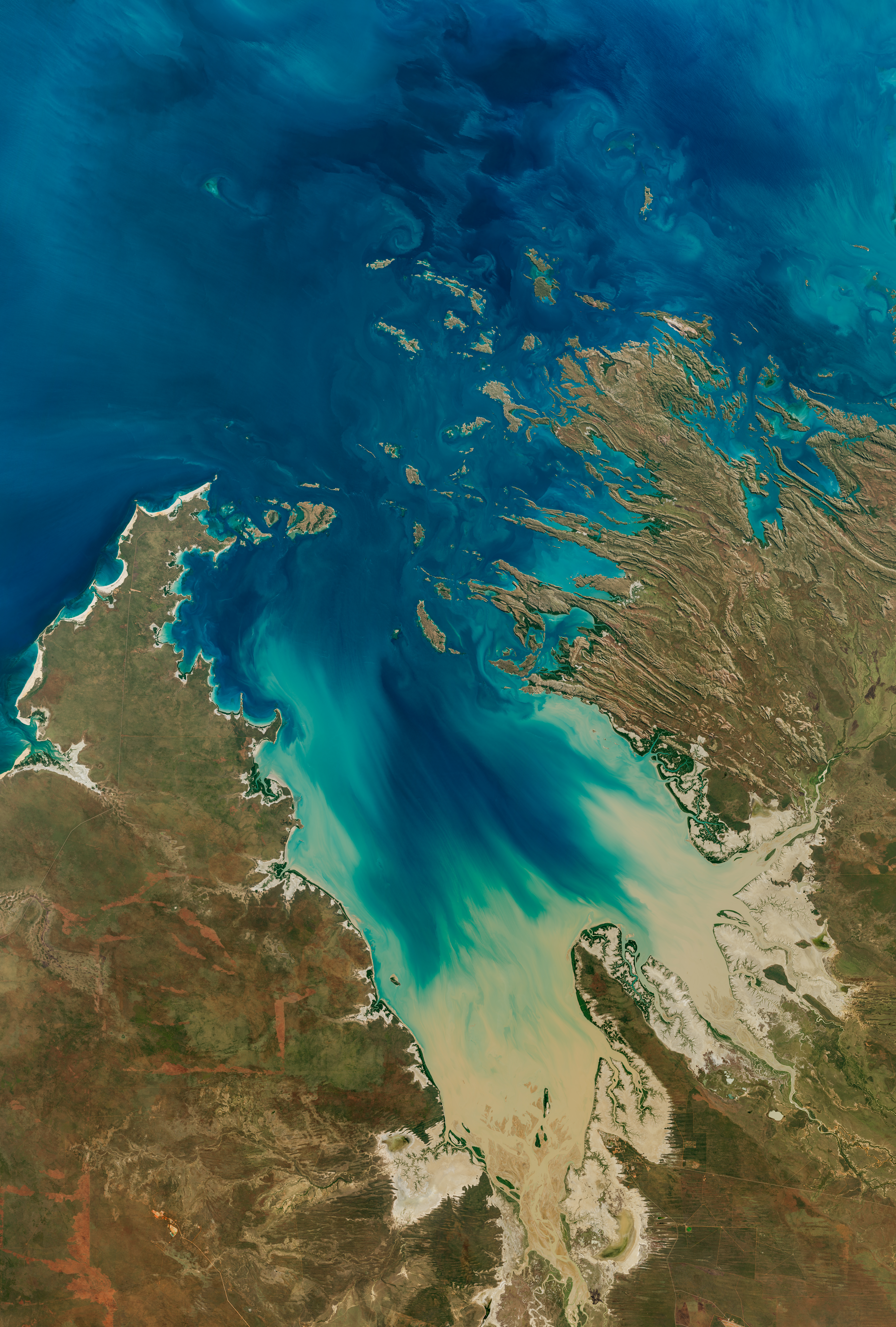



A Breathtaking View from Landsat 9
Landsat 9 has recently provided a stunning view of the Buccaneer Archipelago, showcasing an intricate coastal landscape in Western Australia’s remote Kimberley region. This remarkable imagery highlights the dynamic interplay between land and water, offering valuable insights into this unique environment. For scientists studying Earth’s surface, Landsat missions are invaluable tools for monitoring changes over time.
The Significance of Landsat Imagery in Coastal Studies
The ability to observe remote regions like the Buccaneer Archipelago through satellite imagery, particularly with a powerful instrument like Landsat 9, is crucial for understanding complex coastal processes. Previously inaccessible areas now become readily available for study, enabling researchers to monitor erosion patterns, assess water quality, and track the impact of climate change. In addition, these high-resolution images provide a valuable baseline against which future changes can be compared.
Monitoring Water Quality and Sedimentation
One significant application of Landsat data is monitoring water quality, specifically concerning sediment concentrations. As the Buccaneer Archipelago demonstrates, suspended sediments create stunning visual patterns, but also impact marine life and coastal ecosystems. For example, increased sedimentation can smother coral reefs or reduce light penetration for aquatic plants. Therefore, regular Landsat observations allow scientists to detect changes in sediment loads and understand the underlying causes.
Tracking Coastal Erosion and Change
Furthermore, Landsat imagery is a powerful tool for tracking coastal erosion and other changes along shorelines. The Kimberley region’s coastline is particularly vulnerable to the forces of wind, waves, and tides. Consequently, long-term Landsat datasets allow scientists to analyze historical trends in shoreline position and identify areas at high risk. Notably, this information can inform coastal management strategies aimed at protecting vulnerable communities and ecosystems.
Understanding the Dynamic Tidal Currents
The Buccaneer Archipelago is truly remarkable due to the powerful tidal currents that profoundly shape its landscape. These currents stir up sediment from shallow waters, creating mesmerizing turquoise swirls vividly captured in the recent Landsat image. Consequently, this swirling effect isn’t just visually stunning; it also underscores the significant forces at work within this unique ecosystem.
Navigational Hazards and Turbulent Waters
Furthermore, these strong currents can present considerable hazards for navigation and diving activities. A particularly well-known location, “Hell’s Gate,” situated between Gerald Peninsula and Muddle Islands, exemplifies the turbulent waters that characterize the archipelago’s constricted passages. As a result of this powerful tidal action, the area demands respect from even experienced mariners.
Sediment Transport and Coastal Processes
Notably, the swirling patterns observed in the Landsat imagery are a direct result of sediment transport driven by these currents. For example, fine sediments suspended in the water reflect sunlight, creating the vibrant turquoise hues visible from space. Scientists utilize Landsat data to model sediment dispersal patterns and understand their impact on coastal habitats.
The Future of Landsat and Earth Observation
With the continued operation of Landsat 9, and the planned launches of future missions, our ability to monitor Earth’s dynamic landscapes will only improve. These advancements are essential for addressing pressing environmental challenges, from coastal erosion to climate change impacts. As a result, Landsat’s legacy as an invaluable tool for Earth observation remains secure.
The Buccaneer Archipelago image serves as a stunning reminder of the power and beauty of our planet, and highlights the critical role that Landsat plays in helping us understand it.
Source: Read the original article here.
Discover more tech insights on ByteTrending.
Discover more from ByteTrending
Subscribe to get the latest posts sent to your email.