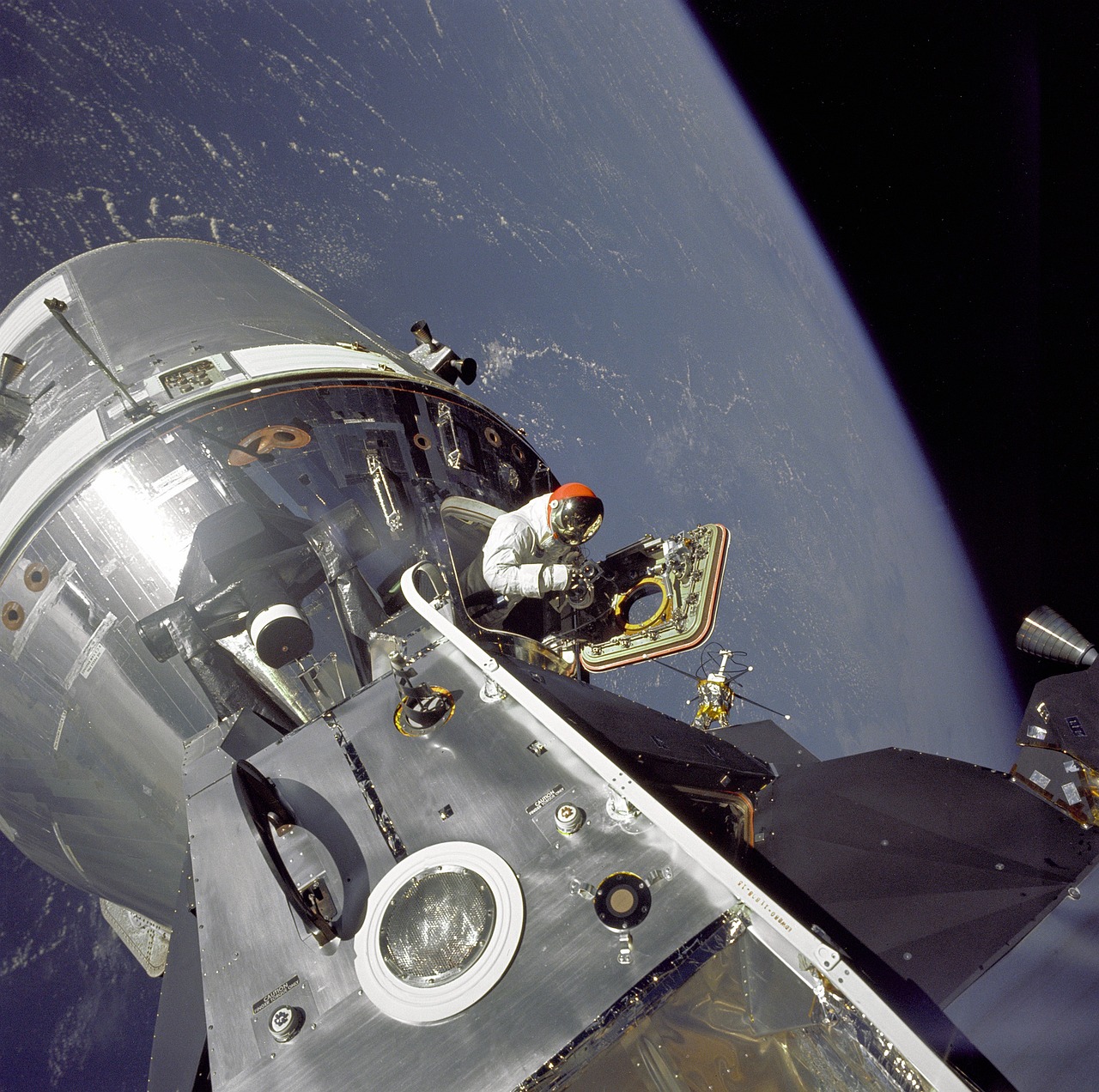

The Lunar Environment Structural Test Rig (LESTR) is a crucial tool in NASA’s preparations for future lunar missions, specifically designed to simulate the incredibly challenging thermal and vacuum conditions experienced during the Moon’s long nights. This innovative rig allows scientists and engineers to rigorously test materials, electronics, and even entire spacecraft components at temperatures ranging from 40 Kelvin (-236°F or -150°C) down to 125 Kelvin (-148°F or -100°C) – mirroring the extreme cold of the lunar night. Operating in a high vacuum environment, LESTR is vital for validating designs and ensuring their resilience against these harsh conditions, ultimately contributing to the success of missions like Artemis. The test rig is an essential component in our efforts to establish a permanent human presence on the Moon. The ability to simulate these extreme conditions is paramount to mission success.
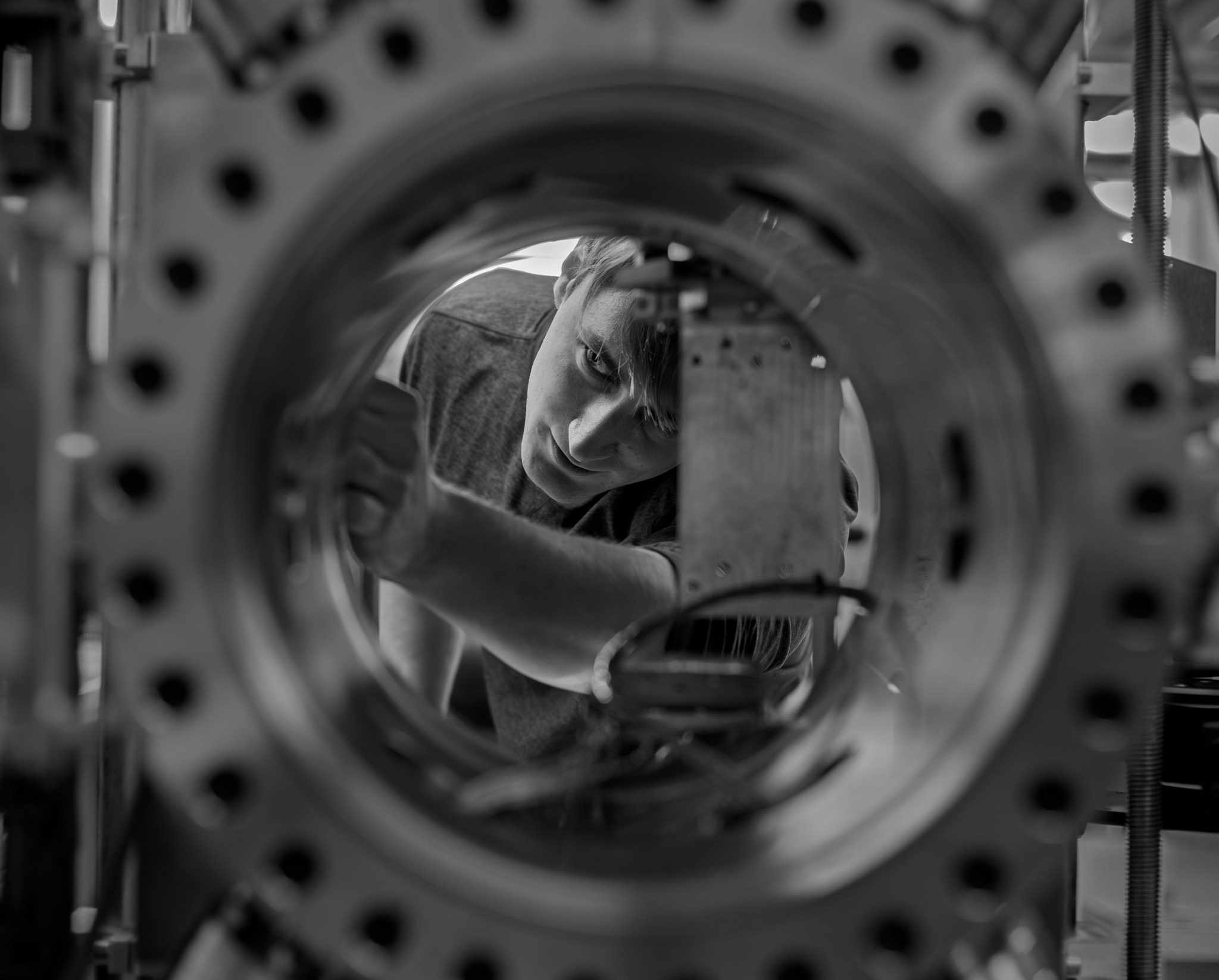
NASA/Jef Janis
Key Features and Functionality
Unlike traditional methods that rely on immersing components in liquid nitrogen or using jacketed chambers, LESTR employs a cryocooler – a device that actively removes heat – combined with a robust vacuum system. This allows for precise control over the test environment, reaching desired temperatures and maintaining a high vacuum with unparalleled accuracy. The rig’s modular design is particularly noteworthy; it can accommodate a diverse range of components, from spacesuits and rover wheels to delicate electronics and complex robotic systems. This versatility ensures that LESTR supports testing across various aspects of lunar mission hardware. The system’s ability to handle varied component sizes and shapes represents a significant advancement in test rig technology.
Why LESTR Matters for Future Missions
The extreme temperature fluctuations on the Moon pose a significant challenge to any equipment intended for operation there. Without rigorous testing under these conditions, components could fail prematurely, leading to costly delays and potentially jeopardizing mission success. LESTR provides a controlled environment where engineers can observe how materials behave at cryogenic temperatures, identify potential weaknesses, and optimize designs before launch. This proactive approach is critical for ensuring the reliability of future lunar landers, rovers, and habitats. The data collected by LESTR directly informs design decisions, mitigating risk and enhancing mission confidence. Furthermore, it provides a crucial understanding of material performance under extreme conditions.
Quick Facts About the Test Rig
- Temperature Range: 40 K to 125 K (-236°F to -148°F)
- Vacuum Level: <5 x 10⁻⁷ Torr (Extremely High Vacuum)
- Component Compatibility: Supports static and dynamic testing of a wide range of hardware, including spacesuits, rover wheels, electronics, and robotic systems.
- Modular Design: Facilitates flexible testing configurations.
The Lunar Environment Structural Test Rig represents a significant advancement in our ability to prepare for the challenges of exploring the Moon and Mars. By providing a realistic simulation of extreme environmental conditions, LESTR plays a vital role in ensuring the success of future human space exploration endeavors. The comprehensive data generated by the test rig is invaluable for mission planning and execution.
Source: Read the original article here.
Discover more tech insights on ByteTrending.
Discover more from ByteTrending
Subscribe to get the latest posts sent to your email.