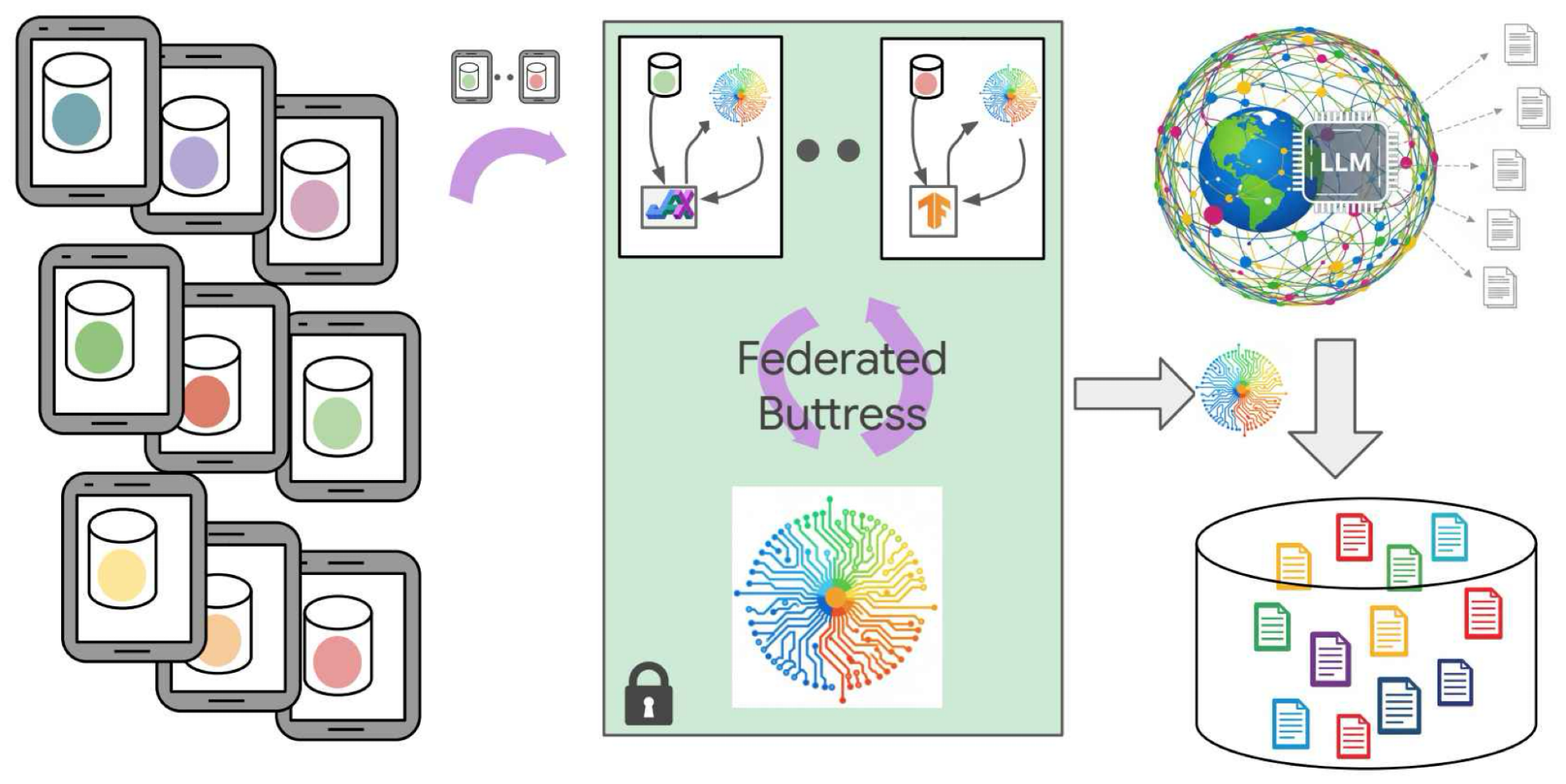

The world of YouTube’s new real-time generative AI effects reveals a sophisticated blend of substantial computing power and cleverly optimized mobile technology. Google Research has been quietly pioneering techniques that allow users to apply stunning, dynamically generated visual effects directly within their videos – all in real time. This isn’t merely about flashy filters; it represents a fundamental shift in how we create and consume video content, truly showcasing the transformative potential of generative AI effects. The implications for media production are profound, offering entirely new avenues for artistic expression.
The Teacher-Student Model Approach
The core of this innovation rests on a concept called knowledge distillation, mirroring a classic “teacher–student” model training method. Initially, the process begins with a “teacher” – a large, powerful, pre-trained generative model that’s an expert at crafting complex visual effects but is simply too slow to run in real time. The specific teacher model varies depending on the desired effect. Early iterations leveraged a custom-trained StyleGAN2 model, meticulously trained on our curated dataset specifically for real-time facial effects. This provided the initial robust foundation for creating diverse and dynamic visuals.
Furthermore, this demonstrates how advanced technology can be applied practically. This powerful teacher was often paired with tools like StyleCLIP, enabling it to manipulate facial features based on text descriptions – think ‘add a sparkly unicorn horn’ or ‘give him a robotic eye.’ This provided the initial robust foundation for creating diverse and dynamic visuals. As our project progressed, we strategically transitioned to more sophisticated generative models such as Google DeepMind’s Imagen. This shift dramatically improved our capabilities, unlocking higher-fidelity imagery, greater artistic control, and a broader spectrum of styles for on-device generative AI effects. The teacher’s role isn’t to directly generate the final output; instead, it acts as a source of knowledge that is distilled into a more manageable form for real-time application. This intelligent design process highlights how efficiently generative AI effects can be delivered.
Subsections
- Knowledge Distillation: The ‘teacher-student’ model leverages a large, powerful model to train a smaller, faster one.
- StyleGAN2 and StyleCLIP Integration: These tools facilitated the initial creation of dynamic visual effects by manipulating facial features based on text prompts.
Optimizing for Mobile Performance
The “student” model – the one actually running on the user’s device – demands a radically different approach. It must be small, fast, and exceptionally efficient. We designed this student model with a UNet-based architecture, renowned for its effectiveness in image-to-image tasks. Crucially, it utilizes a MobileNet backbone as its encoder, a design specifically chosen for optimal performance on mobile devices. This encoder compresses the input image data efficiently. The decoder then employs MobileNet blocks to reconstruct the effect, leveraging the knowledge gained from the teacher model. Therefore, this approach allows us to achieve impressive results without overwhelming the user’s device. Moreover, it’s a testament to the power of intelligent design and efficient implementation – proving that cutting-edge AI doesn’t necessarily require enormous computing resources. The optimization strategies employed are critical for ensuring seamless real-time operation on mobile platforms.
Subsections
- UNet Architecture: This architecture is particularly well-suited for image manipulation tasks, offering a balance between accuracy and efficiency.
- MobileNet Encoder/Decoder: Using MobileNet significantly reduces the computational burden, making it suitable for real-time execution on mobile devices. The use of these technologies showcases how generative AI effects can be truly portable.
Scaling with Generative Models
The transition from StyleGAN2 to Imagen represents a significant leap forward in terms of quality and versatility. Imagen’s ability to generate higher-fidelity imagery, coupled with its broader range of styles, allows for the creation of effects that were previously unattainable. This scaling isn’t just about raw power; it’s about leveraging advanced generative models capable of understanding nuanced artistic direction and translating text prompts into visually compelling results. Furthermore, this highlights the continuous advancements within the field of generative AI effects. The ongoing research focuses on further refining this process, ensuring seamless integration and optimal performance across a wide range of devices. This demonstrates how quickly innovation is occurring in this space.
Conclusion
The development of real-time generative AI effects represents a paradigm shift in creative workflows and media production. By combining powerful teacher models with optimized student implementations, it’s possible to deliver stunning visual effects directly within videos – all in real time. This technology promises to unlock new levels of artistic expression and empower creators across various industries. The future of video content creation is undoubtedly intertwined with the continued evolution of generative AI effects.
Source: Read the original article here.
Discover more tech insights on ByteTrending.
Discover more from ByteTrending
Subscribe to get the latest posts sent to your email.