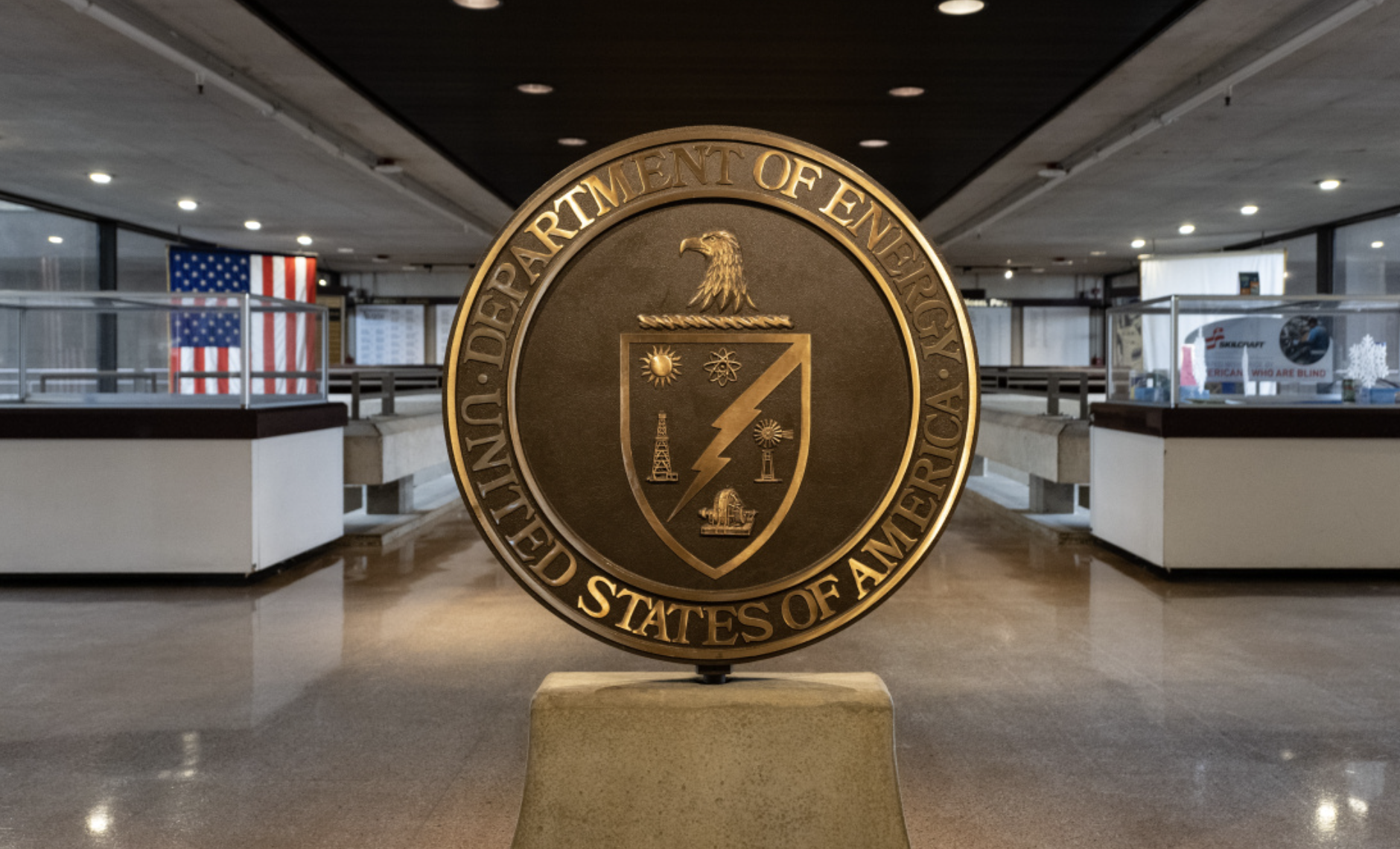

The Department of Energy (DOE) said in a public notice scheduled to be published Thursday that it will throw out all Freedom of Information Act (FOIA) requests sent to the agency before October 1, 2024, unless the requester proactively emails the agency to tell it they are still interested in the documents they requested. This will result in the improper closure of likely thousands of FOIA requests if not more; government transparency experts told 404 Media that the move is “insane,” “ludicrous,” a “Pandora’s Box,” and “an underhanded attempt to close out as many FOIA requests as possible.” The DOE notice says “requesters who submitted a FOIA request to DOE HQ at any time prior to October 1, 2024 (FY25), that is still open and is not under active litigation with DOE (or another Federal agency) shall email StillInterestedFOIA@hq.doe.gov to continue processing of the FOIA request […] If DOE HQ does not receive a response from requesters within the 30-day time-period with a DOE control number, no further action will be taken on the open FOIA request(s), and the file may be administratively closed.” A note at the top of the notice says it is scheduled to be formally published in the Federal Register on Thursday. The agency will send out what are known as “still interested” letters, which federal agencies have used over the years to see if a requester wants to withdraw their request after a certain period of inactivity. These types of letters are controversial and perhaps not legal, and previous administrations have said that they should be used rarely and that requests should only be closed after an agency made multiple attempts to contact a requester over multiple methods of communication. What the DOE is doing now is sending these letters to submitters of all requests prior to October 1, 2024, which is not really that long ago; it also said it will close the requests of people who do not respond in a specific way to a specific email address. FOIA requests – especially complicated ones – can often take months or years to process. I have outstanding FOIA requests with numerous federal agencies that I filed years ago, and am still interested in getting back, and I have gotten useful documents from federal agencies after years of waiting. The notion that large numbers of people who filed FOIA requests as recently as September 2024, which is less than a year ago, are suddenly uninterested in getting the documents they requested is absurd and should be seen as an attack on public transparency, experts told 404 Media. The DOE’s own reports show that it often does not respond to FOIA requests within a year, and, of course, a backlog exists in part because agencies are not terribly responsive to FOIA. The DOE’s policy is a significant shift from previous practices where agencies routinely engaged with requesters for extended periods, allowing for thorough investigations and document production. This change raises serious concerns about the accessibility of government information and the potential for abuse.
The Controversy Surrounding ‘Still Interested’ Letters
The practice of sending ‘still interested’ letters to FOIA requestors has long been a subject of debate within the legal and transparency communities. These letters, typically sent after a period of inactivity in a request, serve as a prompt for requesters to confirm their continued interest in receiving documents. However, their use has been contentious due to questions about legality and the potential for agencies to unduly delay or obstruct access to information.
Legal Challenges and Concerns
Several legal challenges have arisen regarding the use of ‘still interested’ letters, with critics arguing that they are often employed as a tactic to stall requests indefinitely, effectively burying them within agency archives. The argument is that these letters can be used to create a false sense of ongoing engagement, preventing agencies from formally closing the request and releasing the documents.
The Impact on Public Transparency
This new DOE policy has far-reaching implications for public transparency. By essentially dismissing all pre-October 2024 FOIA requests without further solicitation, the agency is creating a significant barrier to access and potentially hindering informed public debate. The ability of citizens and journalists to scrutinize government actions relies heavily on timely access to information, and this policy directly undermines that principle.
Government Accountability and Oversight
The Department of Energy’s decision highlights a broader trend toward reduced accountability within the federal government. FOIA requests are a critical tool for ensuring oversight and preventing abuses of power; however, agencies are increasingly employing tactics to limit their accessibility. This shift raises serious concerns about the effectiveness of transparency mechanisms and the ability of the public to hold the government accountable.
The Role of FOIA in Democratic Governance
Freedom of Information Act (FOIA) requests play a fundamental role in democratic governance by empowering citizens with access to information held by government agencies. They are essential for promoting accountability, fostering open debate, and ensuring that the public is informed about government operations.
Potential Consequences of Limited Access
The consequences of limiting access to government information can be profound, potentially leading to reduced public scrutiny, increased opportunities for corruption, and a decline in trust between citizens and their government.
Conclusion
Source: Read the original article here.
Discover more tech insights on ByteTrending.
Discover more from ByteTrending
Subscribe to get the latest posts sent to your email.