


Alzheimer’s disease, a devastating neurodegenerative disorder affecting millions worldwide, remains one of the most challenging medical puzzles. Current treatments primarily focus on managing symptoms rather than addressing the underlying causes. However, a groundbreaking study published in *Nature* (August 21, 2025) – DOI: 10.1038/d41586-025-02628-1 – is offering a glimmer of hope by utilizing human brain organoids to accelerate drug discovery and potentially unlock new therapeutic strategies. The research highlights the potential for personalized medicine in combating this complex illness, a key area of interest given the variability in Alzheimer’s progression. This innovative approach directly tackles the need for more targeted interventions – something frequently lacking with current symptomatic treatments. The study underscores the urgency to find effective solutions before the disease progresses further. Furthermore, understanding the mechanisms behind *Alzheimer’s Disease* is paramount to developing truly preventative measures and therapies that address the root cause of this debilitating condition. This breakthrough provides a renewed sense of optimism within the scientific community dedicated to finding cures for *Alzheimer’s Disease*. The ability to model disease progression in a controlled laboratory setting offers unprecedented opportunities for research and development.
What are Brain Organoids?
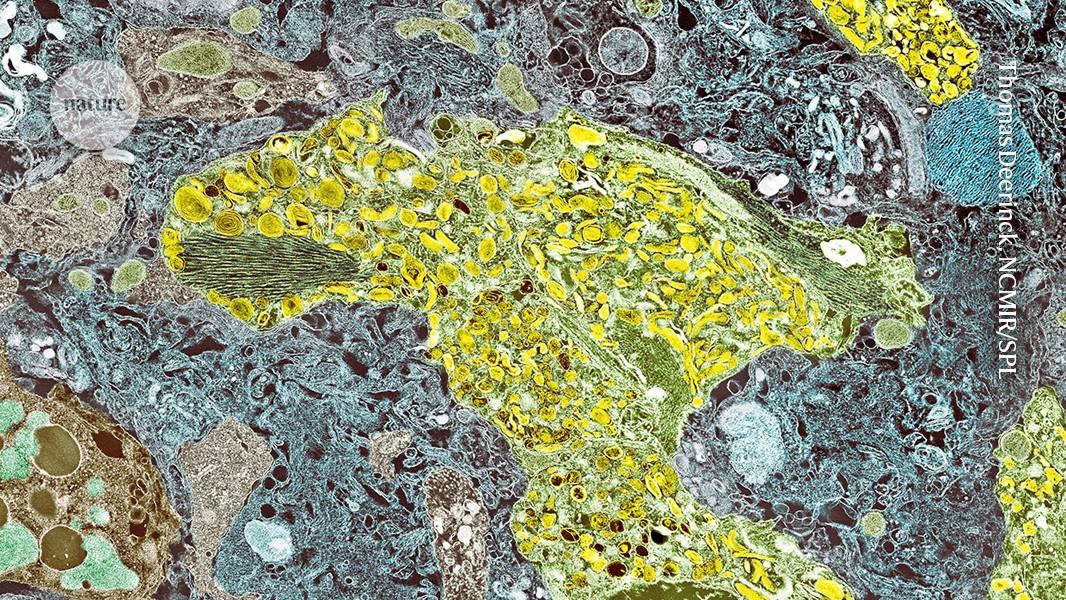
Brain organoids are miniature, three-dimensional models of the human brain grown in the lab. These complex structures mimic key features of developing brains, including neuronal networks and even some aspects of brain cell organization. Researchers can derive these organoids from patient-derived induced pluripotent stem cells (iPSCs), allowing for a personalized approach to studying disease mechanisms and testing potential treatments. The use of iPSC’s allows scientists to tailor the models to specific patients, increasing the chances of identifying effective therapies.
The Alzheimer’s Breakthrough
The recent *Nature* study focused on replicating key hallmarks of Alzheimer’s disease within these brain organoids. Researchers successfully created models exhibiting amyloid plaques – the protein clumps characteristic of the disease – and tau tangles, another hallmark associated with neuronal damage. Crucially, they then investigated interventions aimed at restoring reduced levels of a specific protein implicated in Alzheimer’s progression. The results were remarkable: when the protein’s levels were restored within the organoids, there was a significant improvement in the models’ health, demonstrating that modulating this protein could be a viable therapeutic target. The restoration of this key protein offers a tangible pathway for intervention – an important distinction from simply managing symptoms.
Why Organoids are Revolutionizing Drug Discovery
The use of brain organoids offers several advantages over traditional research methods, such as cell cultures and animal models. Firstly, they provide a more physiologically relevant environment for studying disease processes. Secondly, they allow researchers to study the complex interactions between different cell types within the brain, which is often difficult to replicate in other models. Thirdly, and perhaps most importantly, organoids can be derived from individual patients, enabling personalized drug testing and prediction of treatment efficacy. This represents a significant shift towards precision medicine.
The ability to test drug candidates on patient-specific brain organoids promises to dramatically accelerate the development of effective treatments for this debilitating disease. The implications are far-reaching, potentially leading to therapies that are both more targeted and more effective than current approaches. Continued research in this area is critical to realizing the full potential of brain organoids.
Future Directions
Moving forward, scientists plan to further refine these organoid models to better mimic the intricacies of human brains and to explore other potential therapeutic targets. The continued development of more sophisticated organoids will undoubtedly lead to even greater advancements in our understanding of *Alzheimer’s Disease*. The ultimate goal is to translate this laboratory research into tangible benefits for patients worldwide.
Source: Read the original article here.
Discover more tech insights on ByteTrending.
Discover more from ByteTrending
Subscribe to get the latest posts sent to your email.