

The Future of Space Travel: Exploring SpaceX’s Starship Initiative
The development and testing of SpaceX’s Starship represent a monumental leap forward in space exploration, promising unprecedented access to our solar system and beyond. This ambitious project, focused on creating a fully reusable transportation system, has already faced significant challenges, as evidenced by the initial Flight 9 launch. However, with the recent findings from the Federal Aviation Administration (FAA) investigation and authorization for Flight 10, we can examine the progress of this transformative program. Understanding the intricacies of the Starship project – its goals, technologies, and potential impact – is crucial in appreciating the future of space travel. The goal is clear: to revolutionize access to space. This mission highlights how SpaceX’s persistent innovation is shaping the landscape of interplanetary exploration. The success of Starship depends on continued refinements and a collaborative approach between SpaceX and regulatory bodies like the FAA, demonstrating a commitment to safety and responsible advancement.
Initial Flight 9: A Detailed Analysis
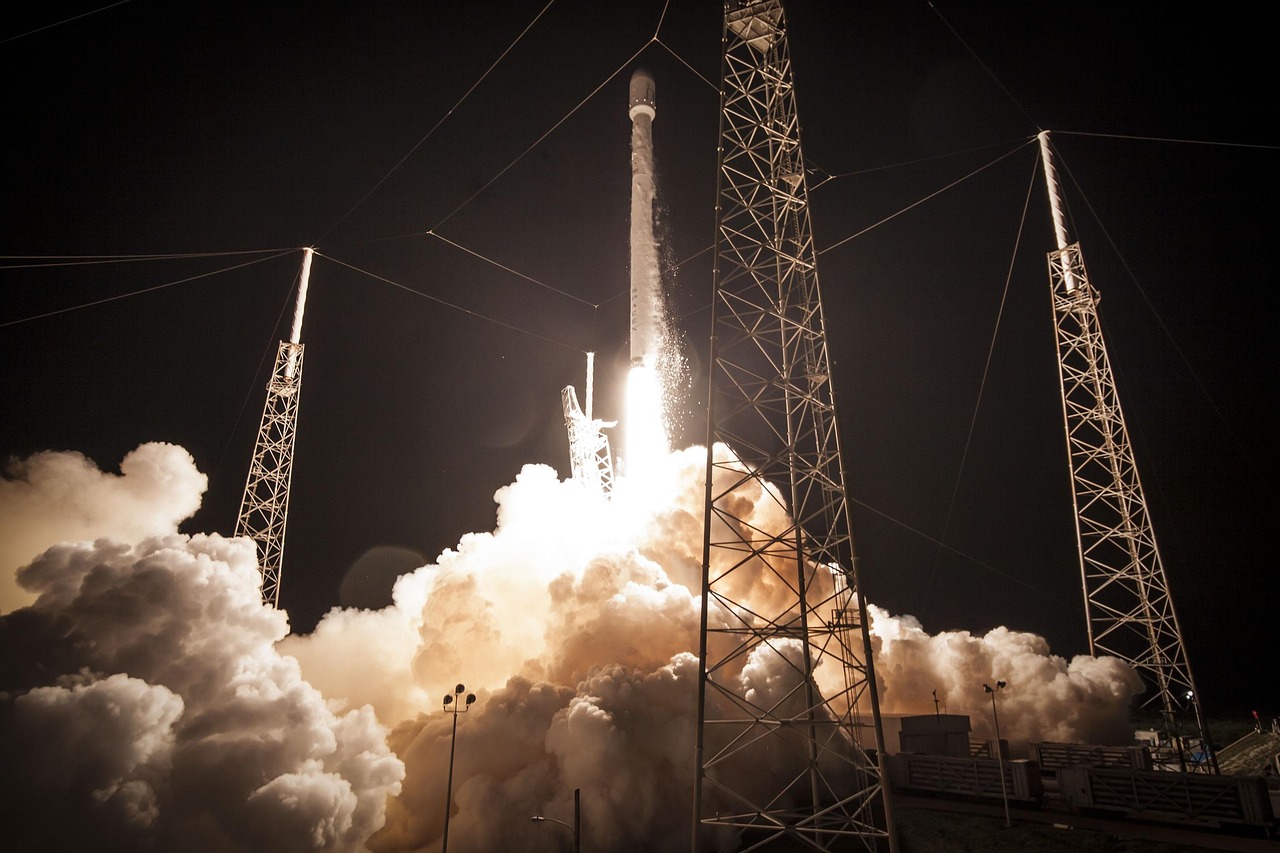
The inaugural launch of Starship on July 20th was undeniably a complex undertaking, revealing both significant achievements and critical areas for improvement. The Booster Stage (Super Heavy) performed as designed, separating from the upper stage as planned. However, immediately following separation, the Super Heavy experienced a rapid loss of thrust due to engine malfunctions – this presented an early hurdle in the testing program. Simultaneously, Starship itself encountered issues with multiple Raptor engines failing, leading to an uncontrolled descent and subsequent splashdown in the Gulf of Mexico. These failures were primarily attributed to ‘engine roll-out anomalies,’ indicating that the engines weren’t operating as smoothly as anticipated during initial startup sequences. The FAA’s investigation meticulously examined telemetry data, video footage, and interviews with SpaceX engineers. The aim was to pinpoint the root causes of these issues and determine if they constituted a violation of safety regulations. Furthermore, experts noted that the rapid engine roll-out anomalies were a key factor in the initial failures, showcasing the challenges involved in scaling up rocket engine technology. This investigation underscored the importance of detailed analysis and rigorous testing procedures – core components of SpaceX’s iterative development approach. The Starship program’s trajectory is undeniably shaped by these early lessons learned.
Understanding Engine Roll-Out Anomalies
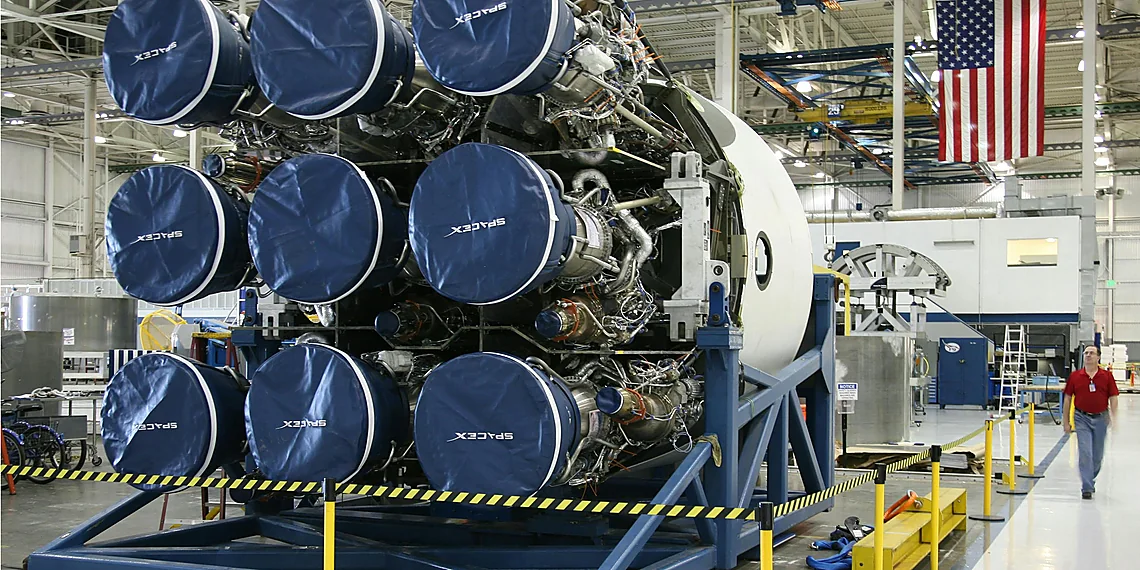
The term ‘engine roll-out anomalies’ refers to a specific phenomenon observed during the initial startup sequences of the Raptor engines. These anomalies involve a temporary instability or fluctuation in engine performance immediately after ignition, typically lasting for a few seconds. While the exact cause isn’t fully understood – theories range from combustion instabilities to issues with propellant flow – it represents a significant challenge for rapidly accelerating large rocket engines. Engine roll-out anomalies can lead to unsteady thrust output, potentially causing vibrations and imbalances within the vehicle. Addressing this issue is paramount to ensuring stable flight operations. SpaceX has been actively researching and implementing mitigation strategies, including modifications to engine control algorithms and propellant delivery systems. The successful resolution of engine roll-out anomalies will be a key indicator of Starship’s overall readiness for operational missions. The FAA’s investigation heavily focused on these anomalies, recognizing their potential impact on flight stability and safety.
Data Collection and Telemetry Analysis
The comprehensive data collection efforts during Flight 9 were crucial to understanding the nature of the failures. The FAA leveraged telemetry data – a stream of real-time information transmitted from the rocket – to monitor engine performance, vehicle orientation, and environmental conditions. This data was complemented by detailed analysis of video footage captured by multiple cameras onboard Starship and Super Heavy. Moreover, interviews with SpaceX engineers provided invaluable insights into the operational procedures and design considerations. The meticulous examination of this vast amount of information enabled the FAA to identify specific areas where improvements were needed. Furthermore, the FAA’s use of advanced data analysis techniques – including machine learning algorithms – helped them detect subtle patterns and anomalies that might have been missed through traditional methods. This demonstrated a commitment to evidence-based decision-making within the regulatory framework.
FAA Findings & Safety Enhancements
The FAA’s thorough review concluded that while there were indeed anomalies during Flight 9, they did not identify any violations of regulations or safety concerns that would prevent SpaceX from continuing its testing program. However, the agency mandated several key changes aimed at enhancing safety and improving data collection. These include revised engine startup procedures – designed to mitigate engine roll-out anomalies – enhanced monitoring capabilities, and a more detailed analysis of engine performance metrics. The FAA also emphasized the importance of SpaceX’s commitment to rapid iteration and learning from these early challenges. The agency recognized that setbacks are inherent in pushing technological boundaries and is committed to supporting SpaceX’s efforts to refine its systems and achieve successful orbital launches. This collaborative approach underlines the vital role of regulatory oversight in ensuring safe and effective space exploration endeavors. The FAA’s findings represent a critical step towards validating Starship’s design and operational procedures. The implementation of these safety enhancements will undoubtedly contribute to the program’s future success, demonstrating a commitment to both innovation and responsible operation. SpaceX’s dedication to addressing the FAA’s recommendations highlights their proactive approach to risk management within the complex realm of spaceflight.
Collaborative Approach & Regulatory Oversight
The collaborative relationship between SpaceX and the FAA is a cornerstone of the Starship program, emphasizing shared responsibility for safety and innovation. The FAA’s active involvement in the investigation demonstrates its commitment to providing guidance and oversight – not stifling progress but rather ensuring that developments align with established safety standards. This partnership underscores the importance of robust regulatory frameworks in managing technological risks associated with ambitious space missions. Furthermore, SpaceX’s willingness to embrace feedback and implement recommended changes highlights a culture of continuous improvement within the organization. The successful integration of FAA findings into operational procedures demonstrates the effectiveness of this collaborative approach. Ultimately, this dynamic interplay between innovation and regulation is critical for fostering sustainable advancements in space exploration – ensuring that Starship’s journey towards the stars is both ambitious and secure. The continued engagement between SpaceX and the FAA will be instrumental in shaping the future trajectory of the program.”,
Source: Read the original article here.
Discover more tech insights on ByteTrending.
Discover more from ByteTrending
Subscribe to get the latest posts sent to your email.