
ElectroBOOM’s content isn’t just about flashy explosions; it’s a fantastic way to understand complex electronics like capacitive touch sensors. He breaks down the technology in a manner accessible to everyone, even those without a strong engineering background. The core of capacitive touch sensing lies in detecting changes in capacitance – essentially, how electricity flows around your finger when you make contact with the screen. This change is then interpreted as a ‘touch’.
The different types of touchscreens discussed – infrared grid, resistive, and capacitive – each employ distinct methods to achieve this same goal. Infrared grids, for example, use an array of infrared beams that are disrupted when touched, while resistive screens physically flex when pressed. However, capacitive sensors have become the dominant technology due to their superior performance and versatility. As Sadaghdar demonstrates with his Arduino-based project, they offer a simple yet effective solution for creating basic touchscreens.
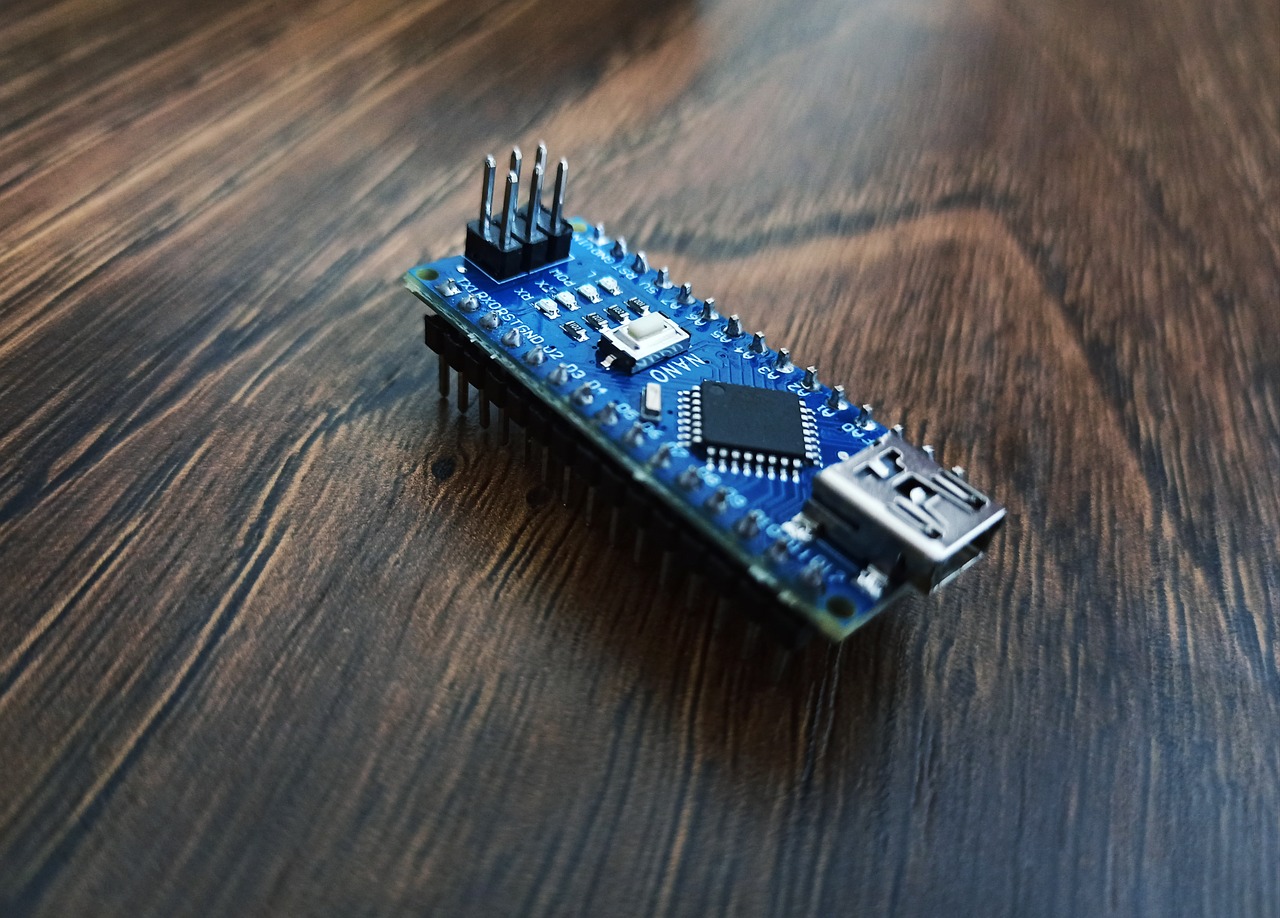
Sadaghdar’s 2D capacitive touch sensor build provides a tangible illustration of the principles involved. Utilizing an Arduino Nano board and copper tape on paper, he constructs a low-resolution version of what you might find in a smartphone. The project highlights how electrodes can be arranged in a grid to detect capacitance changes caused by touch. He effectively uses this simple demonstration to explain how these sensors function – detecting shifts in electrical fields that correspond with finger contact. This hands-on approach is key to his teaching style, allowing viewers to truly grasp the concepts.
The increasing density of electrodes allows for greater precision in capacitive touch sensors. A higher number of electrodes means more accurate location detection, reducing the chances of misinterpreting a touch. However, there are practical limits to this scaling—fingers aren’t small enough to enable an enormous electrode grid. The value of Sadaghdar’s content is not just in the spectacle but in his ability to translate complex engineering ideas into understandable terms. This makes capacitive touch sensors less intimidating and more approachable for anyone interested in understanding modern user interface technology. He expertly leverages visual demonstrations, like his Arduino project, to solidify these concepts, making them accessible to a wider audience. The use of an Arduino Nano board demonstrates the relative simplicity required to build such a system – even without extensive electronics knowledge.


The widespread adoption of capacitive touch sensors reflects their advantages in terms of responsiveness, durability, and versatility. They are found in countless devices today, from smartphones and tablets to interactive whiteboards and industrial controls. The underlying principle remains the same: detecting changes in capacitance caused by human interaction. This technology continues to evolve with advancements in materials and manufacturing techniques, promising even greater precision and functionality in the future. Continuing to explore solutions like capacitive touch sensors is a cornerstone of modern innovation.
Source: Read the original article here.
Discover more tech insights on ByteTrending.
Discover more from ByteTrending
Subscribe to get the latest posts sent to your email.