
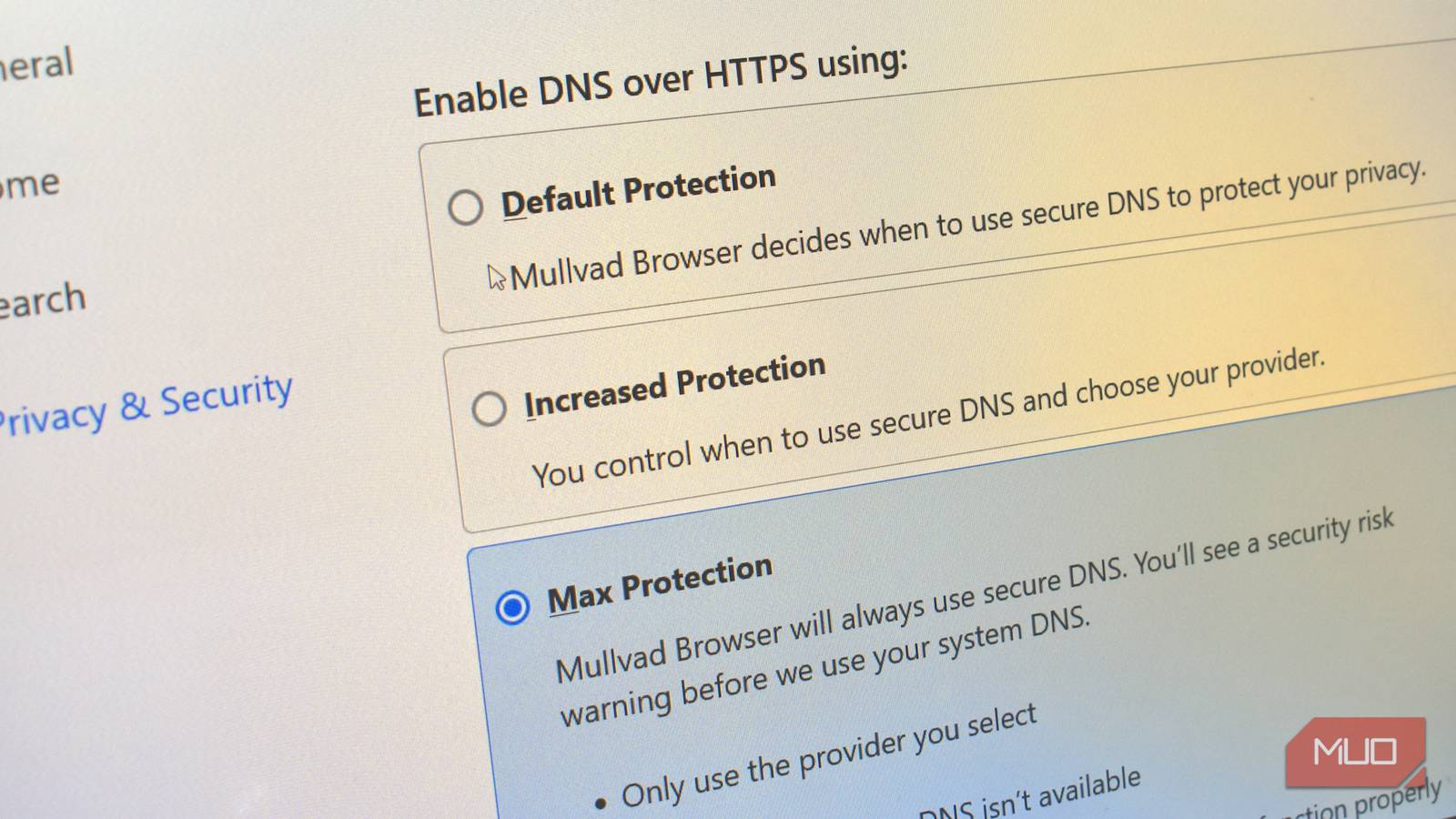

Although we use easy-to-remember web addresses, the internet actually operates on a system of IP addresses and remote servers. Behind the scenes, it hinges on the Domain Name System (DNS), which converts those domain names into IP addresses—a format that your device understands. Utilizing DNS encryption can significantly improve online privacy.
Your ISP (Internet Service Provider) typically handles this DNS translation, meaning they can potentially see every website you visit. This information can be used for targeted advertising or even sold to third parties. Fortunately, dns encryption protocols offer a way to protect your privacy, but it’s crucial to understand that not all encryption methods are the same.
Understanding DNS Encryption Protocols
DNS encryption essentially wraps your DNS queries in an encrypted tunnel, preventing your ISP from easily reading them. However, two primary protocols dominate the landscape: DNS over HTTPS (DoH) and DNS over TLS (DoT). Both offer enhanced security compared to traditional DNS.
DNS over HTTPS (DoH)
DoH encrypts DNS queries within existing HTTPS traffic. This makes it harder to distinguish a DNS request from regular web browsing, as both use the same port (443). While this provides some level of privacy, it also centralizes DNS resolution with providers like Google or Cloudflare. Furthermore, while convenient, relying on these services introduces potential centralization risks.
Advantages: Blends in with standard HTTPS traffic, making detection difficult. Easy to implement for end-users as many browsers support it natively. Disadvantages: Reliance on third-party providers can create a single point of failure and potential privacy concerns if those providers log data. Centralization also raises censorship concerns.
DNS over TLS (DoT)
DoT utilizes the dedicated port 853 for DNS traffic, encrypting queries using Transport Layer Security (TLS). It’s considered more secure than DoH because it’s specifically designed for DNS resolution and doesn’t rely on piggybacking on HTTPS. Consequently, DoT offers a more direct approach to securing your DNS requests.
Advantages: Dedicated encryption protocol provides a stronger security focus. Reduces reliance on third-party providers compared to DoH, as you can use self-hosted resolvers. Disadvantages: Easier to detect than DoH due to the dedicated port. Requires more manual configuration and support from devices.
Why Your ISP Doesn’t Want You Using Them
ISPs profit from user data, including browsing history gleaned through unencrypted DNS queries. By implementing dns encryption, you effectively remove their ability to track your online activity in this way. This directly impacts their potential revenue streams; therefore, they may attempt to discourage its adoption.
Furthermore, encrypted DNS makes it more difficult for ISPs to implement content filtering or throttle bandwidth based on the websites you visit. They might attempt to discourage its adoption through technical means or simply by raising awareness of perceived drawbacks – often skewed to highlight centralization concerns with DoH. Notably, this resistance underscores the value of dns encryption in protecting your privacy.
Choosing the Right Encryption Protocol
The best choice for you depends on your priorities. If ease of use and browser integration are paramount, DoH might be a suitable option – just be mindful of the provider you choose. However, it’s important to weigh this convenience against potential privacy implications.
For those prioritizing stronger security and greater control over their data, DoT is generally preferred. It offers a more robust approach to dns encryption. However, it requires more technical expertise to configure correctly—often requiring configuration at your router level or using dedicated software. Ultimately, selecting the right protocol involves assessing your comfort level with technical configurations.
Ultimately, understanding the nuances between DoH and DoT empowers you to make an informed decision about protecting your online privacy. The fact that ISPs are subtly pushing back against these technologies is a strong indication of their value in safeguarding your data and implementing dns encryption effectively.
Source: Read the original article here.
Discover more tech insights on ByteTrending.
Discover more from ByteTrending
Subscribe to get the latest posts sent to your email.







