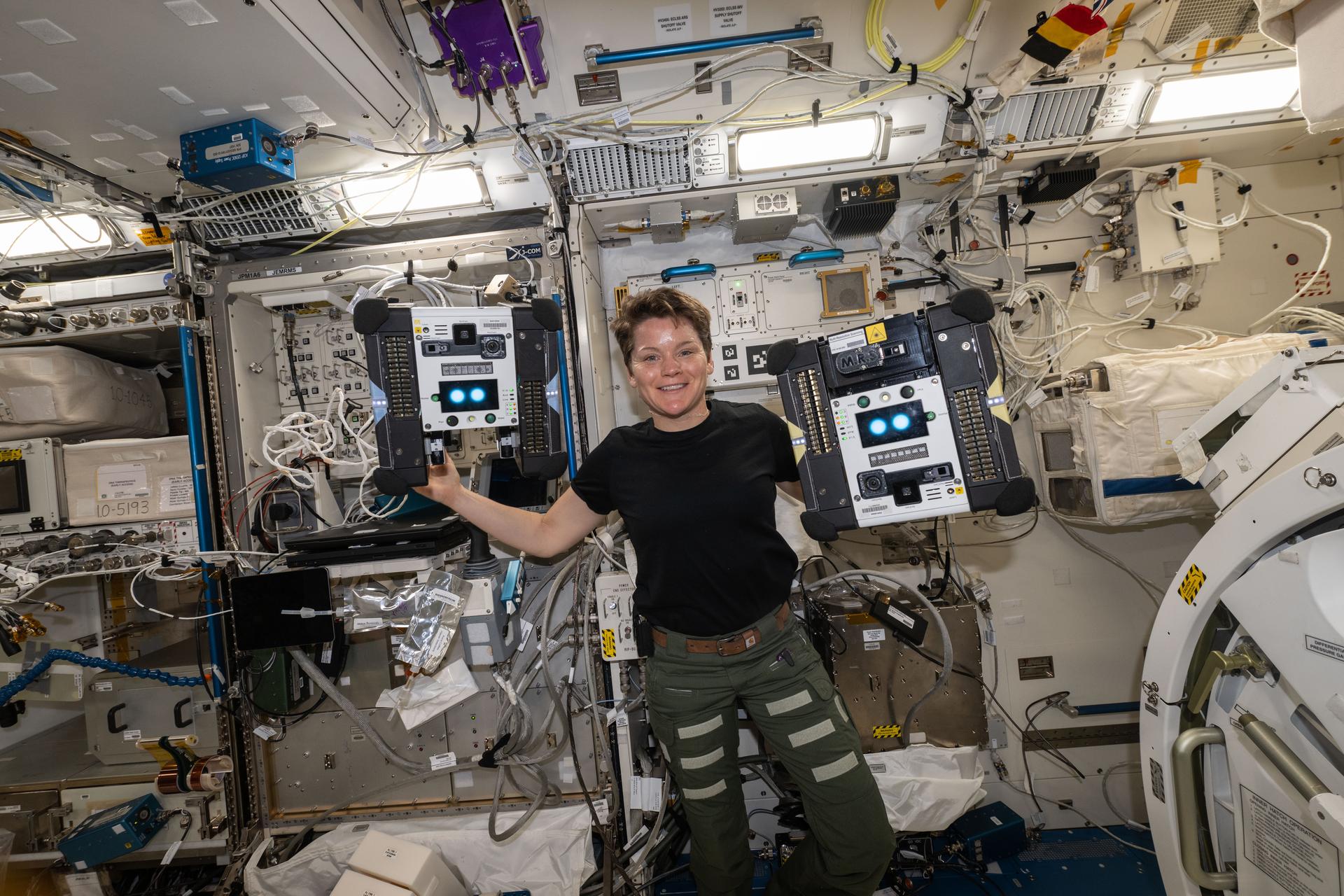

NASA’s commitment to space exploration continues with the ongoing Astrobee mission, sustained through a strategic partnership with Arkisys, Inc. This collaboration ensures the continued operation of these innovative robots aboard the International Space Station (ISS). As NASA prepares to return astronauts to the Moon and looks towards Mars, robotic assistants like Astrobee will be instrumental in performing routine maintenance tasks and supporting future spacecraft operations – all without constant human intervention.
Understanding the Astrobee Mission & Its Significance
The Astrobee mission initially launched to the ISS in 2018, and since then, these free-flying robots have achieved several significant firsts. They’ve demonstrated capabilities ranging from spacecraft monitoring to alert simulations, working collaboratively with researchers from both industry and academia. Furthermore, this ongoing partnership directly supports NASA’s space research initiatives, responding to a call for proposals issued earlier in March.
The Role of Space Act Agreements
Arkisys’ selection stemmed from their proposal under NASA’s Space Act Agreement program, which enables the agency to leverage external expertise and resources. This agreement allows Arkisys to maintain the Astrobee platform, ensuring continued access for partners eager to experiment with new technologies within the unique microgravity environment of the space station.
Why Robots Like Astrobee Matter
The importance of robotic assistance in space cannot be overstated. As missions extend beyond low Earth orbit, reducing reliance on human labor becomes increasingly crucial. The Astrobee project is a vital step towards developing the robotic systems needed for future lunar and Martian endeavors.

Meet the Astrobee Team: Design & Functionality
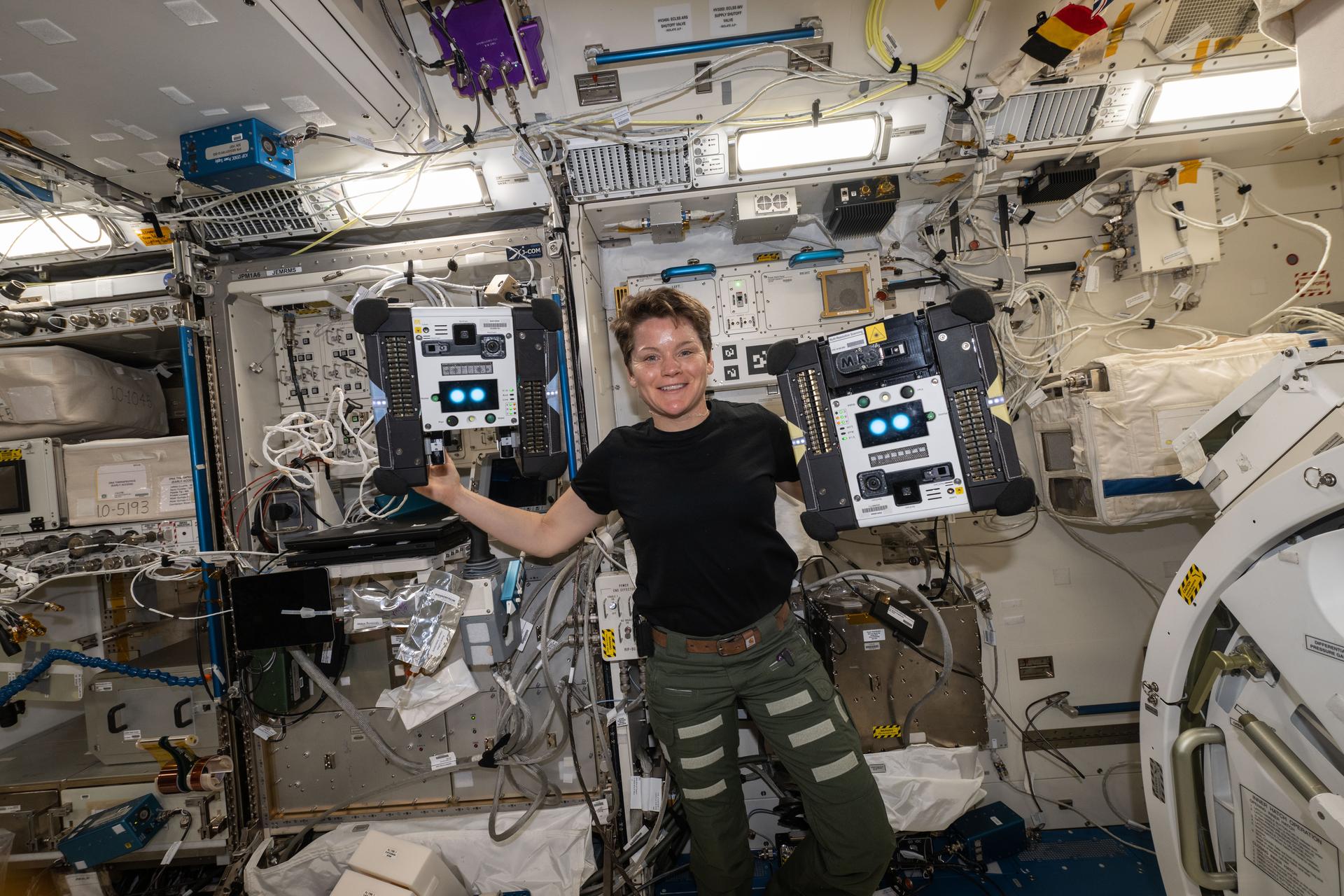
The Astrobee system comprises three distinctive robots – “Bumble,” “Honey,” and “Queen.” These cube-shaped units are approximately toaster-sized and boast a vibrant color scheme. Notably, they navigate the ISS autonomously using advanced sensors and sophisticated algorithms, skillfully avoiding obstacles while carrying out assigned tasks. In addition to the robots themselves, the system includes software and a docking station for convenient recharging.
Autonomous Navigation & Capabilities
Astrobee’s autonomous navigation capabilities are particularly impressive. They utilize multi-resolution scanning units to map their surroundings and plan efficient routes. This allows them to perform tasks such as equipment inspections, cargo transfers, and even simulated emergency response scenarios – all without direct human control.
Future Implications & The Strategic Partnership
This mission significantly advances NASA’s strategic objective of developing robotic systems and technologies for future space exploration. The collaboration with Arkisys ensures that the Astrobee platform remains operational, adaptable, and ready to meet evolving mission needs. Moreover, this partnership exemplifies NASA’s commitment to leveraging commercial partnerships – a crucial element in reducing reliance on human labor for routine tasks within challenging space environments.
As the International Space Station continues its vital role as a hub for scientific research and technological innovation, the Astrobee mission serves as a powerful demonstration of how human ingenuity and robotic capabilities can converge to advance our understanding of the universe.
Ultimately, NASA’s collaboration with Arkisys to sustain the Astrobee platform represents more than just maintenance; it signifies a commitment to pioneering new approaches to space exploration. With these advancements, future missions will be better equipped for success, paving the way for sustained human presence beyond Earth.
Source: Read the original article here.
Discover more tech insights on ByteTrending.
Discover more from ByteTrending
Subscribe to get the latest posts sent to your email.