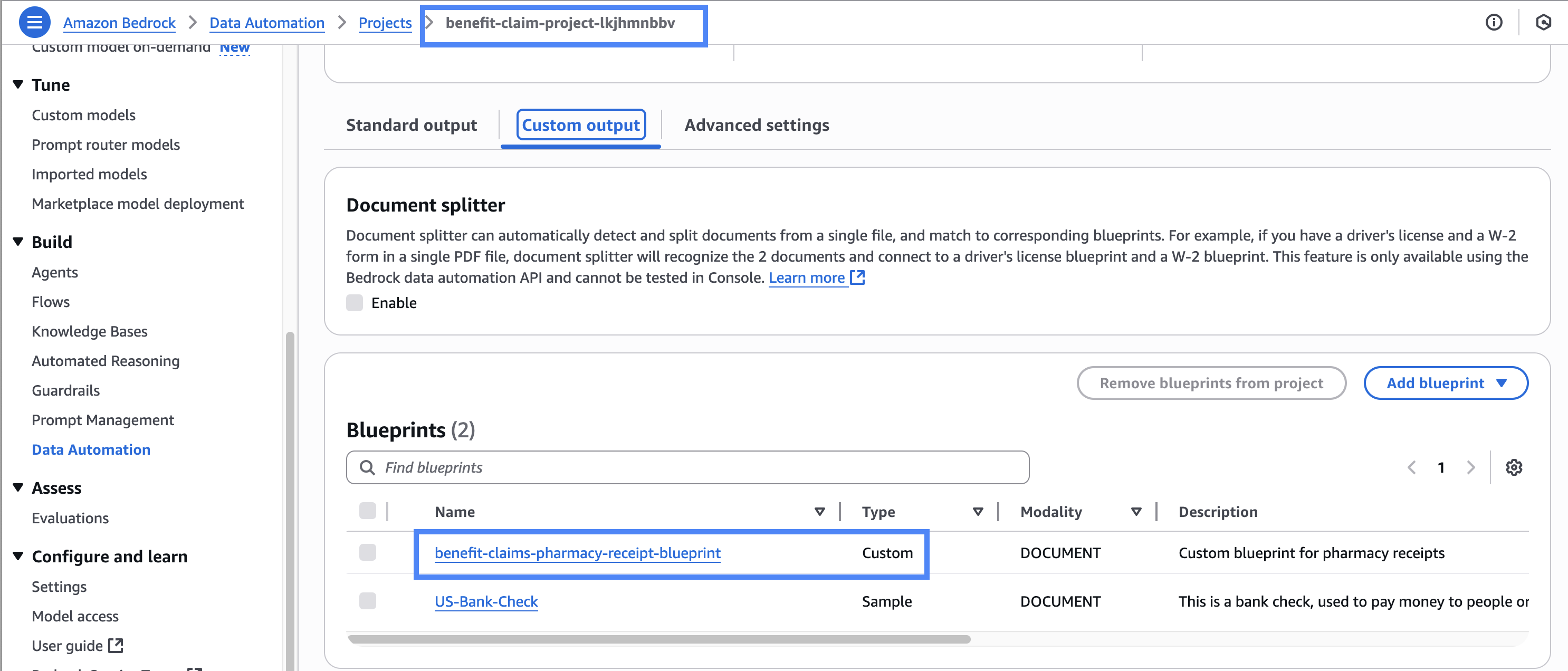

In the benefits administration industry, claims processing stands as a vital operational cornerstone. It ensures employees and beneficiaries receive timely benefits—such as health, dental, or disability payments—while maintaining cost control and adhering to critical regulations like HIPAA and ERISA. Businesses strive to optimize this workflow, encompassing claim submission, validation, adjudication, payment, and appeals, ultimately aiming to enhance employee satisfaction, strengthen provider relationships, and mitigate financial risks. The process typically involves meticulous steps, including claim submission (often via portals or paper), rigorous data validation (verifying eligibility and accuracy), thorough adjudication (assessing coverage against plan rules), subsequent payment or denial (including check processing for reimbursements), and a structured appeal handling system.
Efficient claims processing supports competitive benefits offerings, which is crucial for talent retention and employer branding. However, it requires carefully balancing speed, accuracy, and cost within a highly regulated environment. Furthermore, many organizations face considerable challenges with their current processes, frequently rooted in legacy systems and manual operations.
Notably, these outdated methods often lead to frustratingly slow resolution times, high error rates, and increased administrative costs. For example, incomplete or inaccurate claim submissions—such as those lacking diagnosis codes or exhibiting eligibility mismatches—commonly result in denials and rework, creating frustration for both employees and healthcare providers. In addition, fraud, waste, and abuse continue to inflate costs; however, detecting these issues without delaying legitimate claims remains a significant challenge. Complex regulatory requirements demand constant system updates, while poor integration between systems, such as Human Resource Information Systems (HRIS) and other downstream applications, severely limits scalability. As a result, operational expenses increase, trust in benefits programs erodes, and customer service teams become overburdened, especially during appeals processes or peak claims periods.
Fortunately, generative AI offers a powerful solution to address these challenges. With Amazon Bedrock Data Automation, organizations can automate the generation of valuable insights from unstructured multimodal content like documents, images, audio, and video. Specifically, Amazon Bedrock Data Automation streamlines the benefits claims processing workflow by automating document processing; it accurately extracts and classifies documents from claims packets, policy applications, and supporting materials. Its natural language processing capabilities also interpret unstructured data, such as provider notes, ensuring compliance with plan rules and regulations. By automating repetitive tasks and delivering actionable insights, Amazon Bedrock Data Automation reduces administrative burdens, enhances experiences for employees and providers alike, and supports cost-effective compliance. Furthermore, its scalable architecture enables seamless integration with existing systems, improving data flow across HRIS, claims systems, and provider networks. Advanced analytics within the platform help detect fraud patterns to optimize cost control.
This post examines the typical benefits claims processing workflow and highlights areas where generative AI-powered automation can deliver substantial impact.
Understanding the Benefit Claims Processing Workflow
When an employee or beneficiary incurs expenses covered by their health benefits plan, they typically submit a claim for reimbursement. This process often requires supporting documentation, such as doctor’s prescriptions and proof of payment—which may include check images, receipts, or electronic payment confirmations.
Key Steps in the Workflow
The claims processing workflow encompasses several critical steps that ensure accurate and timely handling of submissions. These include:
- Document Intake & Processing: The system receives and categorizes submitted documents, a process often prone to delays with manual methods.
- Data Validation: Eligibility is meticulously verified against plan rules to guarantee accuracy and prevent incorrect payments.
- Adjudication: Coverage is assessed based on the specific details outlined in the benefits plan.
- Payment/Denial: Reimbursement notices or denial notifications are issued, accompanied by clear explanations for the outcome.
- Appeal Handling: A formal process exists to allow disputing denials and requesting reviews of initial decisions.
Challenges Associated with Traditional Claims Processing
Traditional claims processing methods often present significant hurdles that impede efficiency and accuracy. These challenges contribute to increased costs and diminished employee satisfaction.
Common Pain Points
- Manual Data Entry: This process is notoriously prone to human error, substantially slowing down the entire workflow and increasing risk of inaccuracies.
- Legacy Systems: Many organizations rely on outdated systems that lack integration capabilities, creating data silos and hindering efficient information sharing.
- Regulatory Compliance: Maintaining strict adherence to HIPAA and ERISA regulations is a constant challenge requiring continuous vigilance and system updates.
- Fraud Detection: Identifying fraudulent claims remains an ongoing battle, demanding sophisticated detection methods without impacting legitimate claims.
How Amazon Bedrock Data Automation Transforms Claims Processing
Amazon Bedrock Data Automation offers a transformative solution by automating key tasks and streamlining the entire claims processing workflow. This results in significant improvements across multiple areas of operation.


Key Benefits with Automation
- Automated Document Extraction: Quickly extracts data from various document formats, eliminating manual effort and reducing errors.
- Intelligent Data Classification: Accurately categorizes claims for efficient routing, optimizing processing times.
- Enhanced Accuracy: Reduces errors through AI-powered validation and verification processes, ensuring claim accuracy.
- Improved Compliance: Helps maintain regulatory adherence with automated checks, minimizing risk of non-compliance.
By leveraging these capabilities, benefits administrators can drastically reduce processing times, lower costs, and significantly improve the overall efficiency of the claims processing experience.
Conclusion
Addressing the challenges within traditional claims processing is crucial for maintaining employee satisfaction and ensuring cost-effective benefit administration. Amazon Bedrock Data Automation provides a powerful solution, automating key tasks, improving accuracy, enhancing compliance, and ultimately streamlining operations. As regulations continue to evolve and technology advances, embracing innovative solutions like this will be essential for organizations seeking to optimize their benefits programs.
Source: Read the original article here.
Discover more tech insights on ByteTrending.
Discover more from ByteTrending
Subscribe to get the latest posts sent to your email.