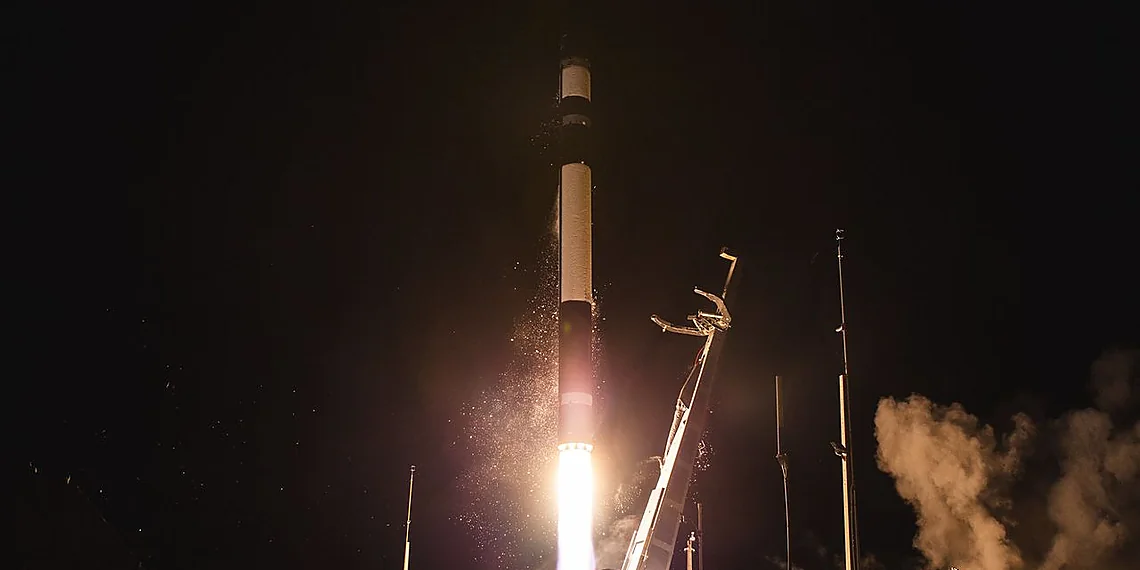

A remarkable achievement recently unfolded for a 17-year-old student from Espírito Santo, Brazil: her science project was launched into space as part of an international mission conducted by NASA. This inspiring story underscores the potential of young scientists and the collaborative spirit that is driving advancements in space exploration.
The Project: Investigating Seed Response to Stratospheric Conditions
The selected project involved sending seeds to the stratosphere, a layer of Earth’s atmosphere above the troposphere, with the aim of studying how solar radiation affects plant life. Furthermore, this isn’t simply about observing; it’s crucial for understanding how these conditions might impact future agricultural practices, particularly in scenarios involving space colonization or regions facing increased radiation exposure.
The Scientific Rationale Behind Seed Exposure
Solar radiation presents a significant challenge to plant growth, and understanding how different types of seeds react to varying levels is vital for several reasons. Notably, the findings from this project can inform future efforts in developing more resilient crops. As humans increasingly look towards establishing habitats beyond Earth, developing crops capable of withstanding harsh conditions becomes paramount; therefore, this research is incredibly valuable.
- Space Agriculture: Establishing sustainable food sources outside our planet requires a deep understanding of how plants respond to the unique challenges of space environments.
- Climate Change Resilience: Increased UV radiation, due to ozone depletion, threatens existing agricultural systems on Earth. Research like this can inform strategies for crop protection and adaptation, ensuring food security in a changing climate.
- Fundamental Biology: The project offers valuable insights into the biological mechanisms plants use to protect themselves from radiation damage; consequently, it broadens our understanding of plant physiology.
NASA’s Collaborative Approach to Space Research
This mission wasn’t solely a NASA endeavor; rather, it was part of an international collaboration, emphasizing the global nature of scientific advancement. Details about the specific partner organizations involved are still emerging, but they underscore a commitment to fostering young talent and sharing knowledge across borders. In addition, such collaborations expand the scope and potential impact of space exploration initiatives.
The Student’s Path to Launch
The student, whose name is not yet widely publicized (due to privacy considerations), developed the project as part of her studies within the state school system. Her initiative was selected from a pool of submissions, demonstrating its scientific merit and potential impact; this achievement serves as an inspiration for other young students pursuing STEM fields. Similarly, recognizing and supporting promising young scientists is critical for advancing space research.
Future Implications: Education and Expanding Opportunities in Space
The success of this project highlights the importance of investing in science education and providing opportunities for young people to engage in real-world research. It also paves the way for future collaborations between NASA and educational institutions around the globe, potentially opening doors for more students to contribute meaningfully to space exploration. Furthermore, such experiences can inspire the next generation of scientists and engineers.
Source: Read the original article here.
Discover more tech insights on ByteTrending.
Discover more from ByteTrending
Subscribe to get the latest posts sent to your email.