


For decades, lunar and Martian exploration has relied on rovers with legs and wheels. However, a team at Texas A&M, led by Robert Ambrose, is pioneering a different approach – the RoboBall, a mobile robot shaped like a ball designed to navigate challenging terrain by literally rolling over obstacles. This innovative design promises to revolutionize how we explore beyond Earth.
Introducing RoboBall: A Novel Solution for Lunar Navigation
Traditional rovers often struggle with uneven ground, steep slopes, and loose regolith. The RoboBall addresses these limitations through its unique spherical shape. This design isn’t just about aesthetics; it’s a strategic advantage enabling access to previously inaccessible areas on the Moon or Mars.
Understanding the Design Philosophy
The fundamental concept behind the RoboBall is simple: leverage the inherent mobility of a sphere. Unlike wheeled rovers that can get stuck or require complex maneuvering, a ball can easily roll over most obstacles. This characteristic allows it to traverse terrains that would be impassable for conventional rover designs. Furthermore, this approach minimizes the need for intricate and potentially failure-prone mechanical systems.
Advantages Over Traditional Rover Designs
Beyond simply overcoming obstacles, the RoboBall offers a range of benefits. It possesses superior obstacle negotiation capabilities, easily rolling over rocks and slopes. The spherical shape inherently provides stability, reducing the risk of tipping or getting stuck. Additionally, the simpler mechanics translate to increased reliability and reduced maintenance needs – crucial factors in harsh extraterrestrial environments.
The Advantages of a Spherical Design
The benefits stemming from RoboBall’s unique form factor extend beyond just navigating rough terrain. Its shape promotes inherent stability, reducing the risk of tipping over on uneven surfaces. Moreover, this design lends itself to simplified mechanics, which in turn enhances reliability and reduces maintenance demands – vital considerations when operating in remote and unforgiving environments. Early simulations have demonstrated the RoboBall’s potential to traverse terrain that would halt traditional rovers.
Enhanced Mobility for Scientific Discovery
The ability of the RoboBall to navigate complex terrains unlocks exciting possibilities for scientific discovery. By accessing previously unreachable areas, scientists can gather data from locations that provide new insights into planetary geology and potentially uncover evidence of past or present life.
Addressing Stability Concerns
While the spherical design provides inherent stability, maintaining controlled movement on slopes requires sophisticated algorithms and precise sensor integration. The team at Texas A&M is actively working on refining these systems to ensure both stability and maneuverability during operation. This involves developing advanced control mechanisms that can adapt to varying terrain conditions.
Challenges in Development and Future Directions
Despite its promise, the development of RoboBall isn’t without challenges. Precisely controlling the robot’s movement across complex landscapes necessitates sophisticated algorithms and sensor integration. Ensuring stability during operation while protecting internal components from impacts are also critical considerations. For example, researchers need to develop robust suspension systems to handle unexpected bumps and vibrations.
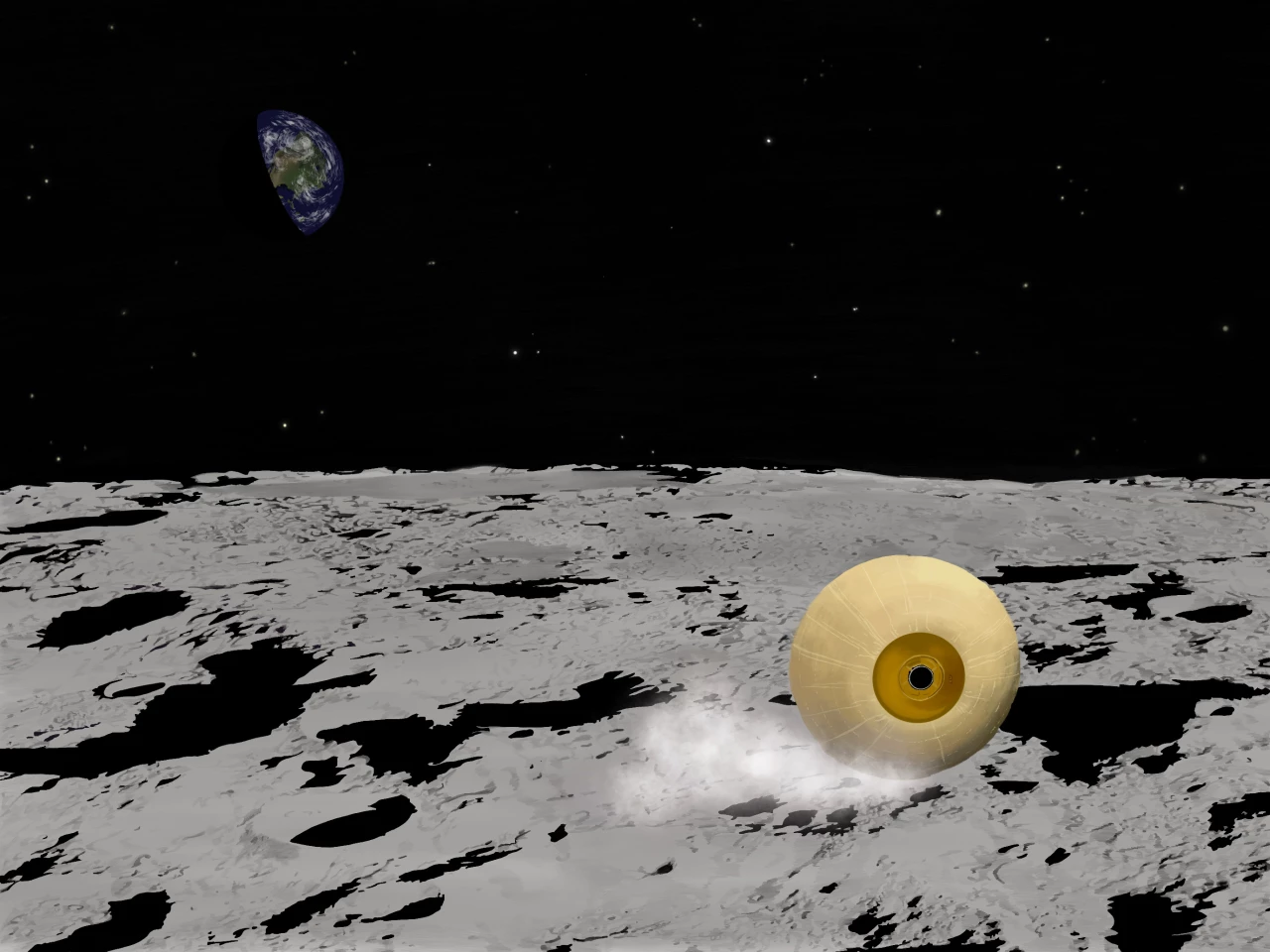
Looking ahead, future development will focus on refining the control system and integrating scientific instruments to enable data collection and analysis. The team envisions fleets of RoboBalls working collaboratively to map entire planetary surfaces, providing unprecedented insights into our solar system, marking a new era in space exploration.
Conclusion: A New Era for Planetary Exploration
The RoboBall represents an innovative and potentially transformative approach to lunar and planetary exploration. By embracing a simple yet effective spherical design, the Texas A&M team is paving the way for robots capable of overcoming challenging terrains and unlocking new scientific discoveries. This could very well signify a significant shift in how we explore beyond Earth, opening up possibilities previously considered unattainable.
Source: Read the original article here.
Discover more tech insights on ByteTrending.
Discover more from ByteTrending
Subscribe to get the latest posts sent to your email.