
Nature, Published online: 27 August 2025; doi:10.1038/d41586-025-02707-3
Animals’ closest cousins provide insight into how we became multicellular creatures.
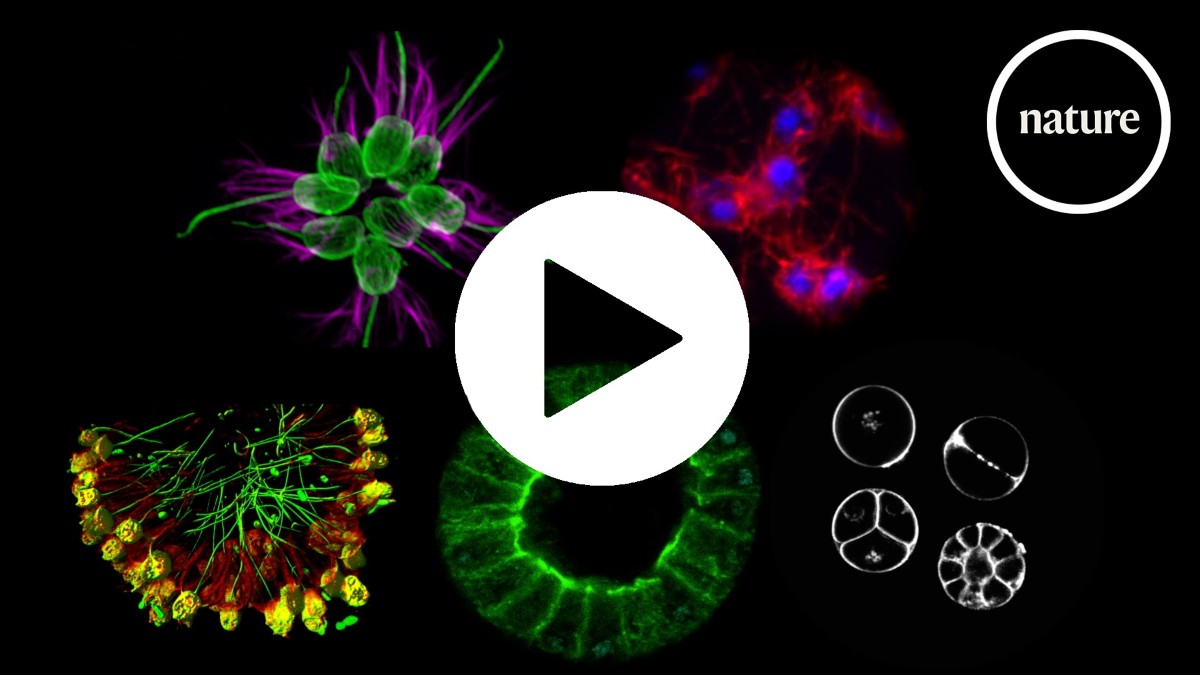
For millennia, scientists have pondered the origins of multicellularity – the remarkable transition from single cells to complex organisms like ourselves. While studying animal evolution has been crucial, a new perspective is emerging: looking at single-celled organisms, particularly those within the *Amoebozoa* group, which include species like *Naegleria*, *Crystallosphaera*, *Arcadianus*, *Dictyostelium* and *Physarum*. These creatures aren’t traditionally considered multicellular but exhibit fascinating behaviors that mimic aspects of multicellular life. This research, published in Nature, suggests that the seeds of multicellularity may have been sown much earlier than previously thought.
The Surprising Behaviors
For example, *Dictyostelium*, a slime mold commonly used in research, famously forms a multicellular “slug” when starved – a coordinated movement towards a food source. This slug exhibits division of labor and structural support, much like animal tissues.
Exploring the Mechanisms
*Crystallosphaera* is another example. These organisms form intricate, three-dimensional structures that resemble miniature castles. While the exact mechanisms behind this construction are still being investigated, it’s believed to involve coordinated cell movement and adhesion – processes fundamental to multicellular development.
Beyond Simple Structures
*Physarum*, a plasmodial slime mold, is known for its ability to solve mazes. This remarkable behavior suggests a level of spatial awareness and decision-making that goes beyond what’s expected of a single cell. Furthermore, *Arcadianus* has been shown to form temporary multicellular aggregates, suggesting the capacity for coordinated action.
Implications for Evolutionary Biology
These findings have significant implications for our understanding of evolutionary biology. They challenge the traditional view that multicellularity arose suddenly and dramatically. Instead, they suggest a more gradual process, driven by simple behaviors within single-celled organisms. By studying these ‘dabbling’ species, scientists can gain valuable insights into the early stages of multicellular development – potentially unlocking secrets about how complex life emerged on Earth.
Future Research
The study of *Amoebozoa* offers a unique window into this pivotal transition in life’s history.
Source: Read the original article here.
Discover more tech insights on ByteTrending.
Discover more from ByteTrending
Subscribe to get the latest posts sent to your email.