

Discover the Future of Robotics: A 3D-Printed, Air-Powered Hexapod
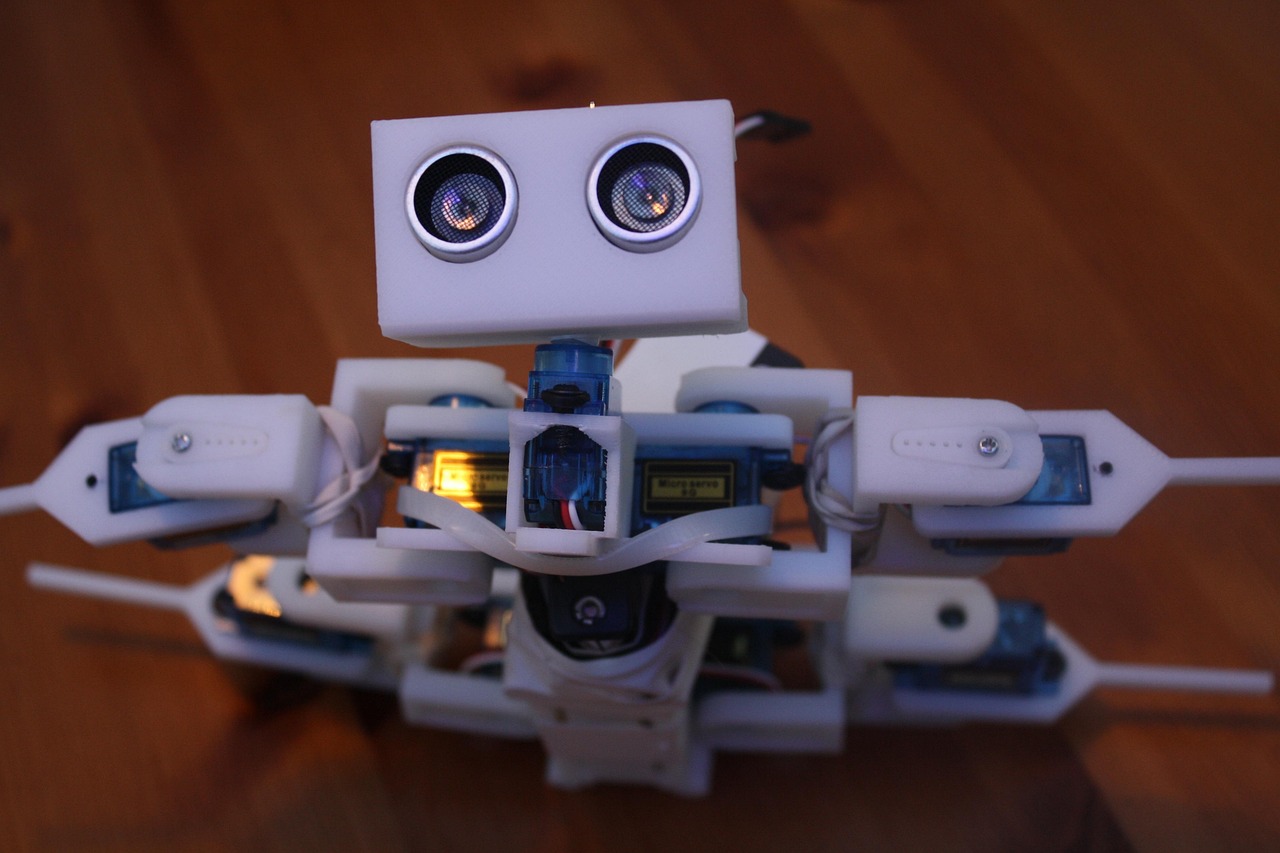
Get ready to witness a revolutionary approach to robotics. Most people likely think of robots as complex electronic devices, made up of many parts that have to be assembled in factories. An experimental new non-electronic bot, however, can be 3D-printed all in one piece, and it’s powered by nothing but air. This innovative creation, developed at UC San Diego’s Jacobs School of Engineering, represents a significant shift towards more accessible and sustainable robotics. The development of this air-powered robot highlights the potential of novel designs for robotic systems.
Inside the Design: A Unique Hexapod Approach
The team, led by Yichen Zhai, tackled the challenge of creating a robust and adaptable robot using a novel design. Instead of traditional mechanical components, they opted for a soft robotic approach, utilizing a monolithic hexapod – a six-legged robot – that’s entirely 3D-printed from a flexible thermoplastic polyurethane (TPU). This material allows for significant deformation without compromising structural integrity, crucial for navigating uneven terrain and adapting to diverse environments. The key innovation lies in the way the legs are connected; they’re not rigidly fixed but instead linked with compliant joints, enabling the robot to ‘walk’ smoothly and efficiently. This design choice is a fundamental aspect of achieving stable locomotion using an air-powered robot.
How it Works: Compressed Air as the Power Source
The robot’s movement is driven by compressed air, a remarkably simple yet effective solution. Small pneumatic actuators are embedded within each leg, controlled by a microcontroller. By precisely timing the release of compressed air, the robot can execute complex gaits and maneuvers. This system offers several advantages over traditional electric motors – it’s quieter, requires less energy, and is inherently more resilient to damage. The ability to control movement using compressed air is core to the functionality of this air-powered robot.
Exploring the Potential: Soft Robotics and Beyond
The implications of this technology extend far beyond just creating a cute little robot. The principles behind this 3D-printed, air-powered hexapod are applicable to a wide range of soft robotic applications. Imagine robots capable of navigating disaster zones, exploring hazardous environments, or even assisting in delicate surgical procedures. Soft robotics offers unparalleled adaptability and safety, making it a promising field for future innovation. This project demonstrates the potential of combining 3D printing with pneumatic actuation to create robust, adaptable, and environmentally friendly robotic systems. The team’s work is a compelling example of how creative design can lead to transformative advancements in robotics. The application of air-powered robot technology signifies a step change in the capabilities of soft robotic systems.
Summary: A revolutionary 3D-printed hexapod robot powered by compressed air showcases the potential of soft robotics for diverse applications like disaster response and exploration.
Source: Read the original article here.
Discover more tech insights on ByteTrending.
Discover more from ByteTrending
Subscribe to get the latest posts sent to your email.