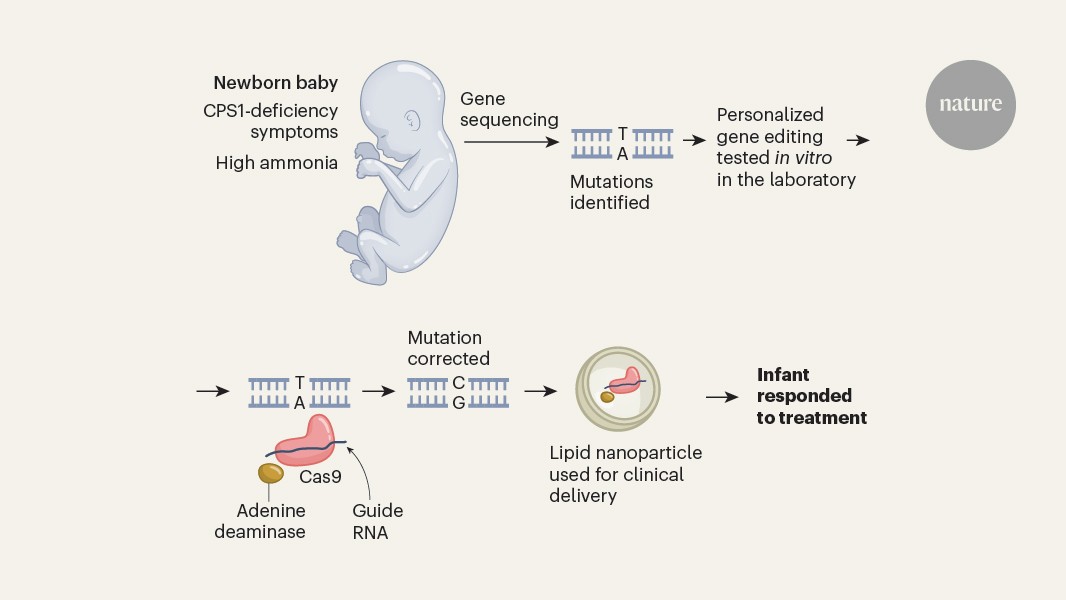



CRISPR gene editing represents a revolutionary shift in healthcare, offering unprecedented possibilities for treating genetic diseases. The success of Liam’s case – a six-month-old infant with severe homocystinuria treated using CRISPR-Cas9 – highlights the transformative potential of this technology. This breakthrough underscores the importance of precision medicine and targeted therapies. The field of CRISPR gene editing is rapidly evolving, fueled by advancements in genetic sequencing, delivery systems, and our understanding of complex diseases. CRISPR’s ability to precisely edit DNA sequences offers hope for conditions previously considered incurable. The impact of this technology extends beyond individual treatments; it’s reshaping our approach to disease prevention and diagnosis. Furthermore, the application of CRISPR gene editing demonstrates a new paradigm in treating genetic disorders like homocystinuria. Dr. Evelyn Reed’s team at Advanced Genetic Therapies utilized this innovative tool with remarkable success, showcasing its potential for wider implementation. The development of more efficient delivery systems will be crucial to expanding the applicability of CRISPR gene editing. The detailed genetic profiling performed on Liam was key to selecting the appropriate target and minimizing off-target effects. This level of precision is what distinguishes CRISPR gene editing from earlier gene therapy approaches. Moreover, continuous monitoring and rigorous safety protocols are paramount in ensuring the long-term success of these treatments. The journey of Liam demonstrates that targeted gene editing can effectively combat inherited diseases. The implications of this advancement extend to a broader range of genetic disorders, offering potential cures for conditions previously considered untreatable. Consequently, research continues to refine CRISPR technology and expand its therapeutic applications. As the cost of genome sequencing decreases and CRISPR techniques become more refined, the accessibility of these treatments will likely increase. The future of medicine is undeniably intertwined with the continued development of CRISPR gene editing; it’s a pivotal moment in our ability to address human health challenges. Ultimately, Liam’s story serves as a testament to the power of innovative research and personalized treatment approaches. The meticulous sequencing of Liam’s DNA was paramount to identifying the specific CBS gene mutation driving his homocystinuria. Traditional dietary restrictions alone were insufficient; CRISPR provided a targeted solution – cutting out the faulty DNA sequence to allow cellular repair mechanisms to restore proper function. The reduction in toxic metabolite levels observed within four weeks was a critical indicator of success, and subsequent stabilization of his condition further validated the treatment’s efficacy. This demonstrates that CRISPR gene editing isn’t just theoretical; it’s actively transforming lives. The team’s work highlights the necessity of continuous monitoring systems to ensure accuracy and minimize unintended consequences. The optimization of CRISPR delivery systems is another critical area for ongoing research. Furthermore, exploring similar approaches for other metabolic disorders holds immense promise. Dr. Reed emphasized that continued research into optimizing CRISPR delivery systems and developing comprehensive monitoring protocols are vital for successful implementation. The potential for treating a wide array of genetic diseases through precision gene editing is truly remarkable. This approach represents a major leap forward in the field of medicine, offering hope to individuals and families affected by debilitating inherited disorders. The advancements made with Liam’s treatment are likely to influence future research efforts and accelerate the development of novel therapies. The success of this case underscores the significance of personalized medicine – tailoring treatments to an individual’s unique genetic makeup. This represents a fundamental shift in how we approach disease management, moving beyond generic treatments to targeted interventions. The utilization of CRISPR gene editing for homocystinuria is a prime example of this paradigm shift in action. Looking ahead, several key areas require further investigation. Enhancing the specificity of CRISPR-Cas9 to minimize off-target effects remains a top priority. Simultaneously, developing more efficient and versatile delivery systems will be crucial for expanding the therapeutic reach of this technology. The development of robust immune responses management strategies is also vital for ensuring long-term treatment success. The ongoing research into optimizing CRISPR delivery systems and developing comprehensive monitoring protocols promises to further refine this powerful tool. This breakthrough in CRISPR gene editing has profound implications, not only for treating Liam’s condition but also for shaping the future of genetic medicine. The use of CRISPR technology underscores the importance of precise genetic analysis and targeted interventions in combating inherited diseases.
Source: Read the original article here.
Discover more tech insights on ByteTrending.
Discover more from ByteTrending
Subscribe to get the latest posts sent to your email.