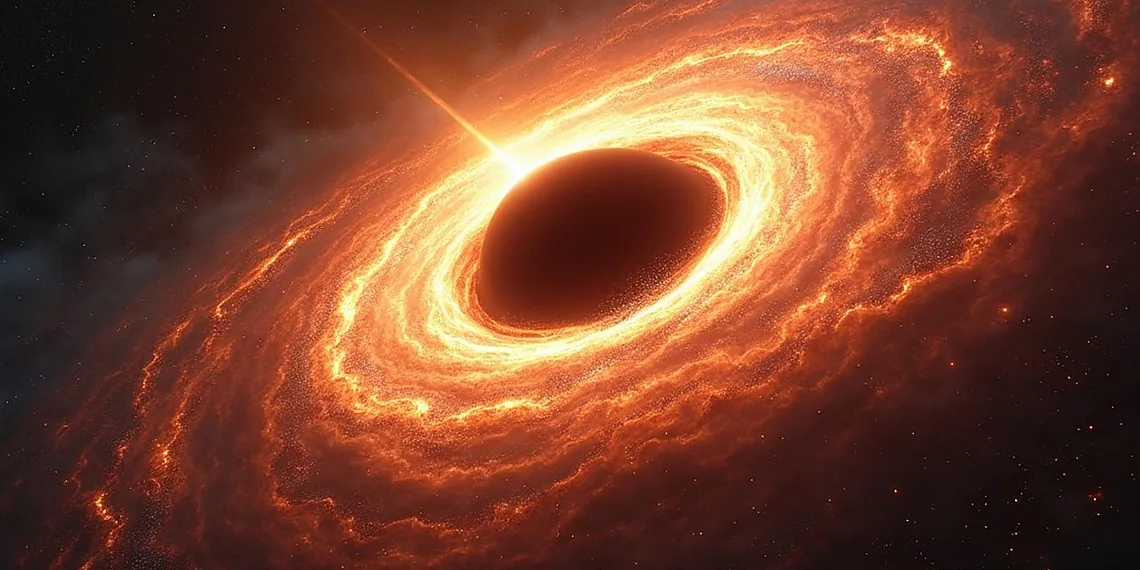

The fascinating world of cosmology unfolds before us as researchers delve into inconsistencies within the standard cosmological model. This work highlights the importance of ongoing scientific exploration and collaboration. Researchers are studying inconsistencies in the standard cosmological model with a galaxy simulation. This work highlights the importance of ongoing scientific exploration and collaboration.
Understanding the Standard Cosmological Model
The standard cosmological model, often referred to as the Lambda-CDM model, is our current best explanation for the evolution of the Universe. It posits that the Universe originated from a singularity and has been expanding ever since, driven by dark energy (represented by the lambda parameter) and cold dark matter (CDM). However, recent observations have revealed discrepancies between the predictions of this model and what we actually observe in the cosmos. These discrepancies include issues with the formation of large-scale structures like galaxy clusters and the precise rate of the Universe’s expansion. The use of complex simulations such as the TNG project is vital to understanding these inconsistencies.
Rodrigo von Marttens’ Contribution
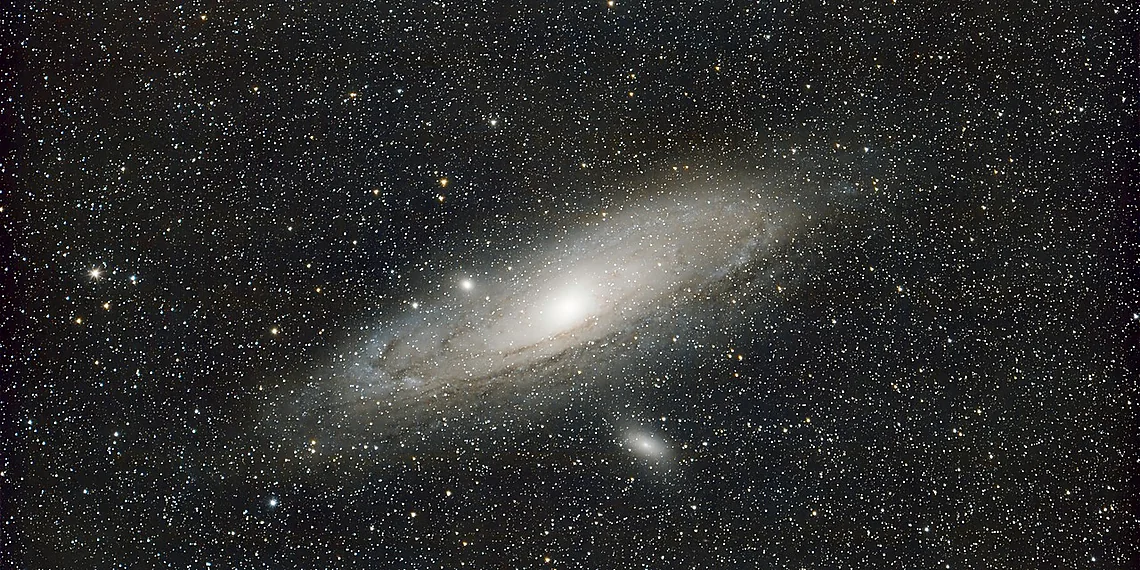
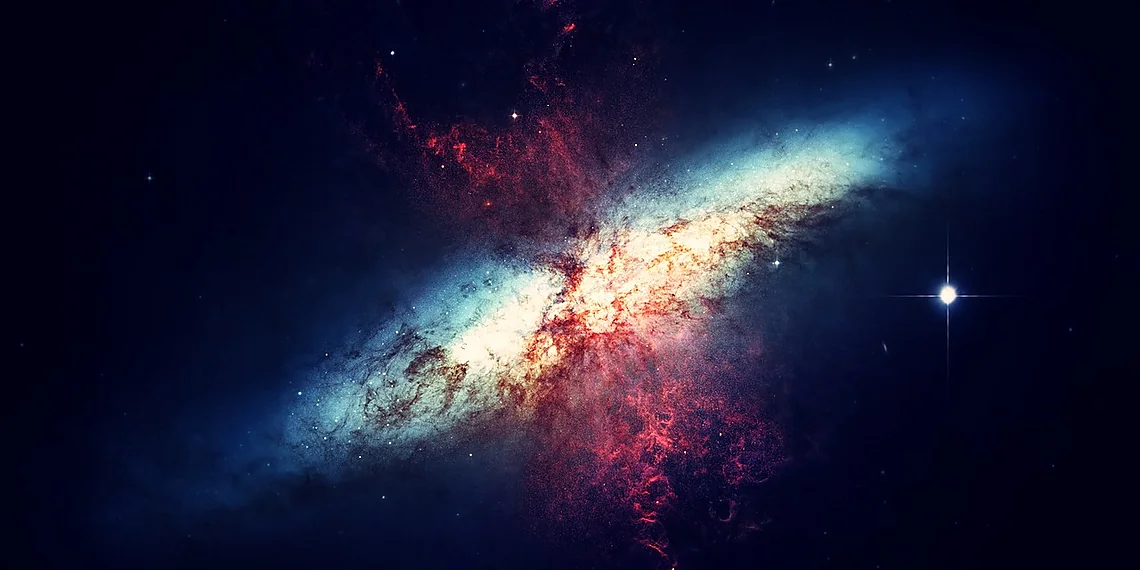
Rodrigo von Martens, a talented scientist from Espírito Santo (Capixaba), is playing a vital role in this research. His expertise lies in refining the ‘fluido’ used within the TNG simulation. This ‘fluido’, a complex mixture of particles representing dark matter and other components of the Universe, needs to be meticulously calibrated to accurately reproduce observed cosmological phenomena. By adjusting parameters within the simulation, Rodrigo and his team are attempting to resolve these inconsistencies and gain a deeper understanding of how gravity operates on cosmic scales. The ‘fluido’ is central to this project’s success.
The TNG Project: A Detailed Look
The TNG project is a collaborative effort involving researchers from around the world. It utilizes state-of-the-art supercomputers to perform incredibly detailed simulations of the Universe’s evolution. The goal is to test the predictions of the standard cosmological model and explore alternative theories that might better explain the observed data. The use of this ‘fluido’ allows for a more realistic representation of the interactions between galaxies, leading to potentially significant insights. This project underscores the need for continued investigation into fundamental questions about our universe.
Summary: A Brazilian scientist is contributing to a study investigating discrepancies in the standard cosmological model, using a complex simulation involving galaxies and dark matter to refine our understanding of the Universe’s expansion. The research presented here emphasizes the ongoing pursuit of knowledge within the field of cosmology.
Source: Read the original article here.
Discover more tech insights on ByteTrending.
Discover more from ByteTrending
Subscribe to get the latest posts sent to your email.