
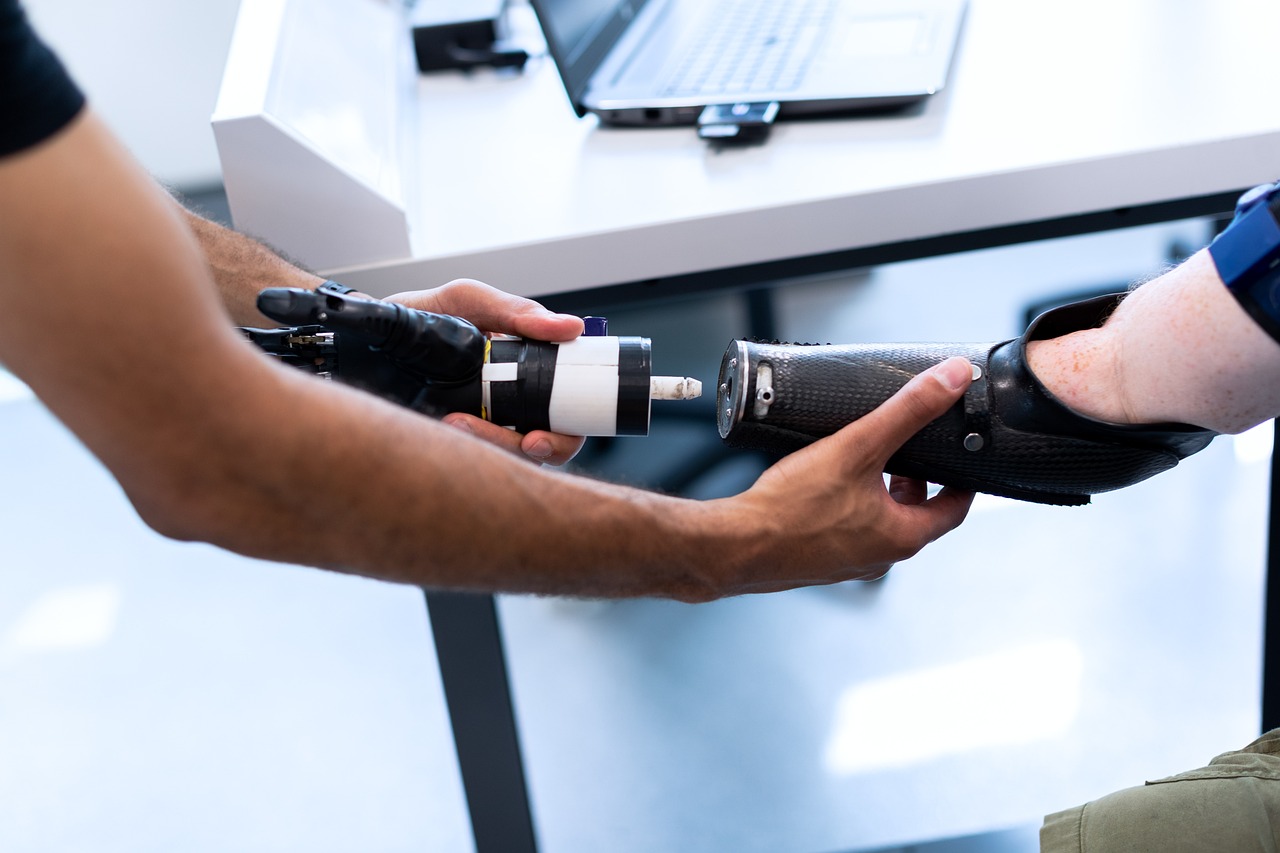

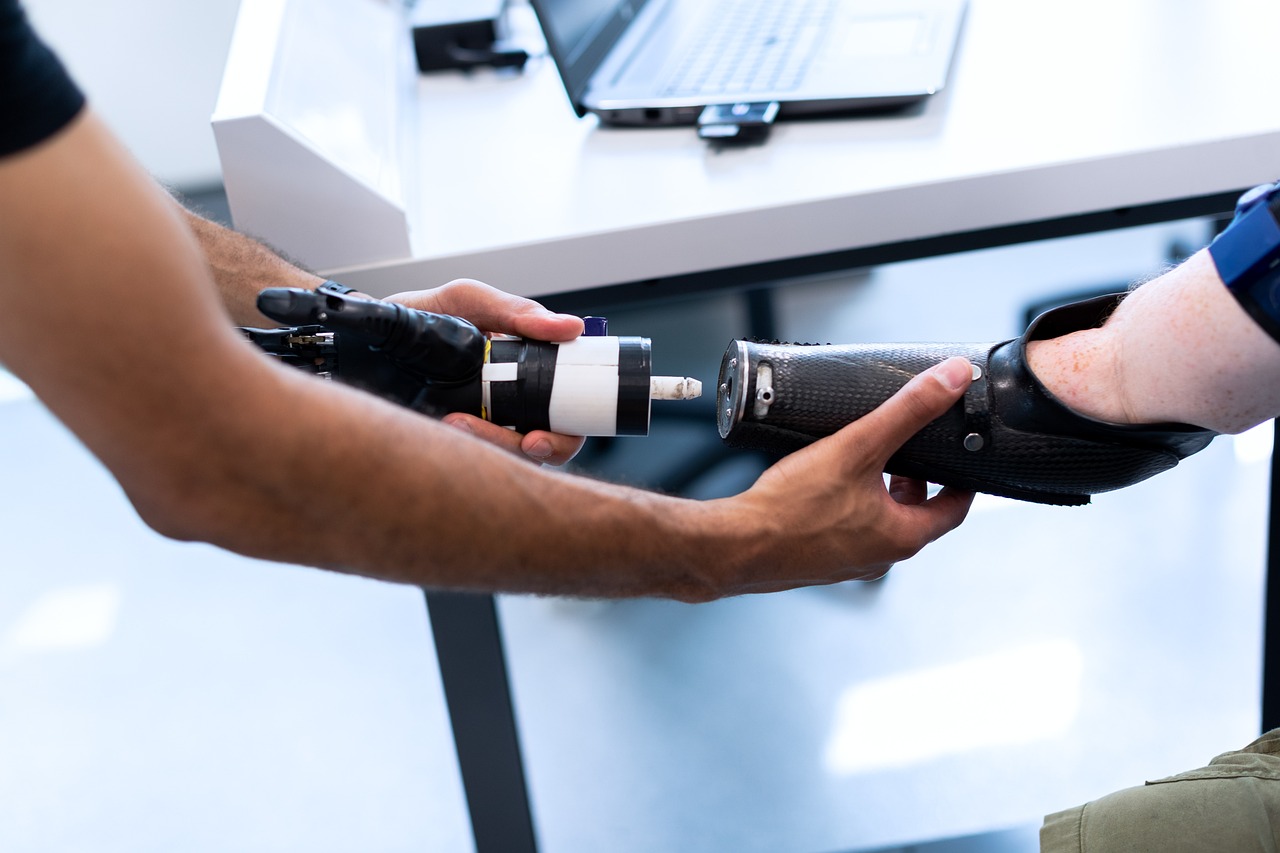
The field of prosthetics is undergoing a dramatic transformation, driven by advancements in robotics and materials science. Recent breakthroughs are offering amputees unprecedented levels of functionality and dexterity. This article delves into the latest innovations surrounding prosthetic hands, specifically focusing on the groundbreaking work being done at Johns Hopkins University. We’ll explore how these new designs are not just replacing lost limbs but restoring a sense of natural movement and control. The goal is to provide a comprehensive overview for readers interested in understanding the state-of-the-art in this rapidly evolving area – namely, the development of advanced prosthetic hand technology. Furthermore, we’ll examine the underlying principles behind these designs and their potential impact on the lives of individuals living with limb loss.
Hybrid Designs: Combining Strength and Precision
The current generation of prosthetic hands often struggles to balance strength and precision. Traditional designs can be either too cumbersome for delicate tasks or lack the power needed for gripping heavy objects. However, researchers are tackling this challenge head-on by employing hybrid design approaches. This involves integrating both rigid and soft components within a single device. The Johns Hopkins University team’s approach exemplifies this strategy perfectly. Their prosthetic hand utilizes a series of actuators that mimic the natural movements of human fingers – allowing for incredibly fine manipulations, like picking up small objects or turning pages. The system intelligently adjusts its grip based on the object’s shape and weight, ensuring optimal pressure without causing damage. This level of adaptability is crucial for daily tasks and significantly improves the user’s quality of life. Moreover, this design incorporates sensors that provide real-time feedback to the control system, enhancing responsiveness and stability. The ability to identify objects with such accuracy represents a major step forward in prosthetic hand development, moving beyond simple grasping mechanisms towards truly intuitive operation. The careful calibration of force is also paramount – preventing over-gripping and providing a comfortable experience for the user.
Sensor Integration for Intelligent Control
The integration of sensors plays a pivotal role in the functionality of these advanced prosthetic hands. Beyond just identifying objects, the system employs tactile sensors to measure the pressure exerted on them. This data is then fed into a control algorithm that dynamically adjusts the grip strength. For instance, if an object begins to slip, the algorithm will automatically increase the pressure to maintain a secure hold. The sophisticated nature of this feedback loop allows for remarkably precise and controlled movements. This level of intelligent control represents a significant departure from earlier designs, which relied solely on pre-programmed gestures. In addition to object recognition, researchers are exploring the use of force sensors integrated into the fingertips themselves – providing even finer motor control. These advancements are crucial because they enable users to perform complex tasks with greater confidence and dexterity; ultimately leading to increased independence and improved daily living for individuals using a prosthetic hand. The future of these devices relies heavily on further refinement in sensor technology.
Materials & Future Directions
The materials used in modern prosthetic hands are equally crucial to their performance. Lightweight, high-strength materials like carbon fiber composites are increasingly employed to reduce the overall weight of the device and improve its maneuverability. This is a key factor in ensuring comfort and reducing fatigue during prolonged use. The Johns Hopkins design utilizes a combination of these materials with flexible polymers for enhanced grip. Furthermore, researchers are experimenting with conductive inks and coatings to create bio-integrated interfaces – directly connecting the prosthetic hand to the user’s nervous system. This approach promises a truly seamless connection, allowing users to control their hands with thought alone. Such advancements, though still in early stages of development, represent the next frontier in prosthetic hand technology. The potential for restoring lost function at this level is transformative. Table 1 summarizes some key material considerations.
| Material | Advantages | Disadvantages | Applications |
|---|---|---|---|
| Carbon Fiber | High strength-to-weight ratio, durability | Costly, complex manufacturing | Structural components, housings |
| Flexible Polymers | Lightweight, compliant, comfortable | Lower strength, susceptible to wear | Gripping surfaces, finger joints |
| Conductive Inks | Biocompatible, allows for neural interfaces | Research stage, limited long-term data | Neural control interfaces |
The development of advanced prosthetic hands is a testament to human ingenuity and innovation. Ongoing research efforts are continually pushing the boundaries of what’s possible, promising even more sophisticated and intuitive devices in the years to come. The transition from bulky, cumbersome prosthetics to sleek, intelligent systems is well underway, offering hope and improved quality of life for millions worldwide.
In conclusion, the advancements in prosthetic hand technology demonstrated at Johns Hopkins University represent a significant leap forward. The integration of hybrid designs with advanced sensor technologies and innovative materials has created a device capable of remarkably precise and adaptive movements. As research continues to progress, we can expect even more sophisticated prosthetic hands that will further enhance the lives of individuals living with limb loss.
Source: Read the original article here.
Discover more tech insights on ByteTrending.
Discover more from ByteTrending
Subscribe to get the latest posts sent to your email.








