


Soft Robotics: The Future of Robots – Benefits & Applications
The field of robotics is undergoing a significant transformation with the rise of soft robotics. Traditionally, robots have been constructed from rigid materials like metal and plastic, limiting their dexterity and ability to interact safely with humans or delicate environments. However, advancements in materials science and sensor technology are paving the way for robots made from compliant materials such as silicone, elastomers, and textiles – effectively creating ‘electronic skin’. This innovative approach offers a multitude of advantages, leading to applications ranging from prosthetic limbs to minimally invasive surgery and even search-and-rescue operations. The development of soft robotics is fundamentally changing how we perceive and interact with machines, promising greater adaptability, safety, and comfort.
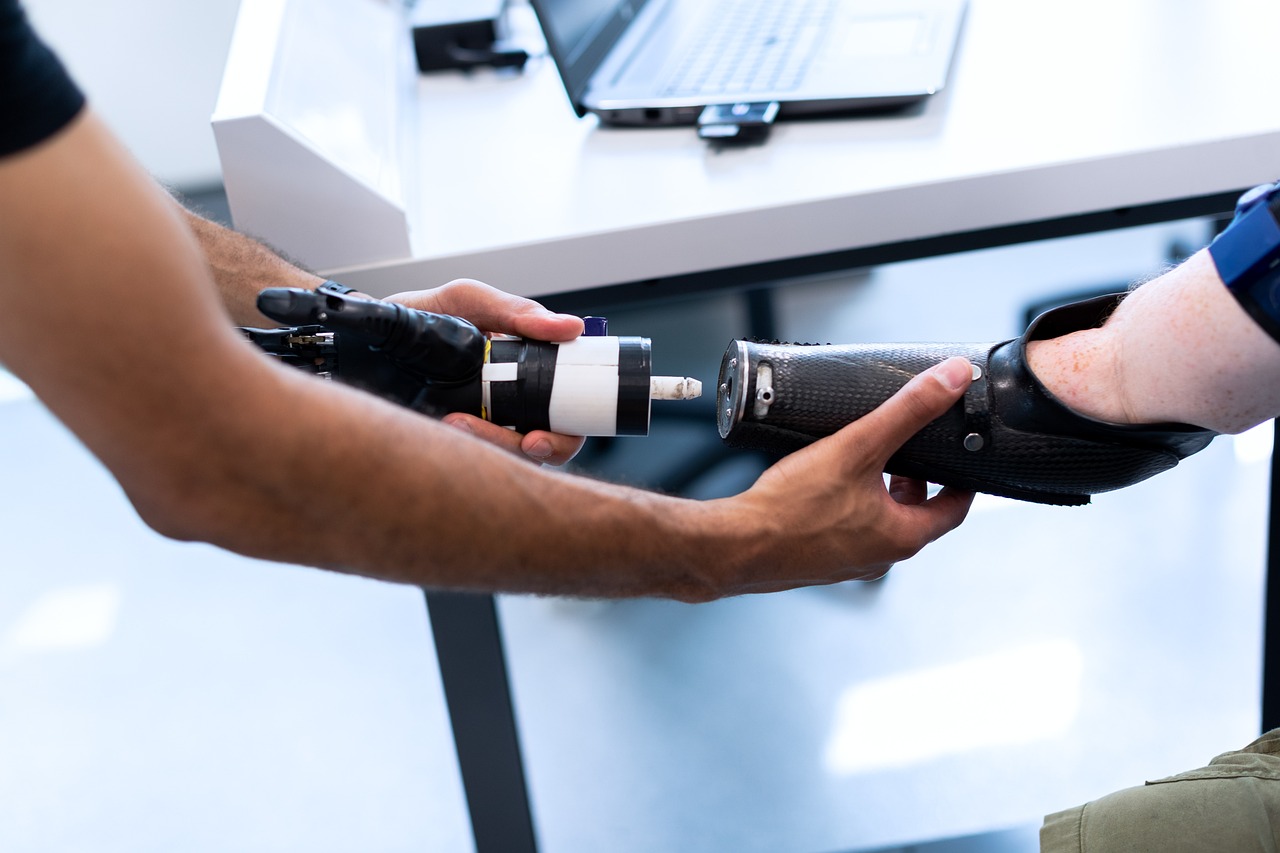
At the forefront of this revolution is Miranda Lowther from the University of Bristol, whose work focuses on harnessing the potential of electronic skin to improve prosthetic limbs. Her research explores ways to create prosthetics that seamlessly integrate with the body, offering a more natural and intuitive experience for amputees. The goal isn’t just about restoring functionality; it’s about enhancing comfort and quality of life, allowing individuals to regain independence and participate fully in daily activities. This groundbreaking work exemplifies how soft robotics is not merely replacing traditional robotics but rather expanding the possibilities for human-machine interaction.
Electronic Skin Technology: A Closer Look
Sensors and Actuators
The core of electronic skin lies in its ability to mimic the sense of touch. Researchers are developing sophisticated sensor arrays embedded within these soft materials, capable of detecting pressure, vibration, temperature, and even texture. These sensors translate this information into electrical signals that can be processed by a control system. Simultaneously, actuators – typically microfluidic pumps or shape-memory alloys – are integrated to allow the robot to respond to external stimuli and perform actions such as gripping, bending, or flexing.
The integration of these sensors and actuators is crucial for creating robots that can adapt to their surroundings in real-time. Unlike rigid robots, soft robotics systems can conform to irregular shapes and surfaces, allowing them to navigate complex environments with greater ease and precision. This adaptability is particularly important in applications where safety is paramount, such as assisting surgeons during minimally invasive procedures.
Applications of Soft Robotics
Prosthetics and Orthotics
As highlighted by Miranda Lowther’s research, soft robotics holds immense potential for revolutionizing prosthetic limbs. Traditional rigid prosthetics can often be uncomfortable, limiting mobility and causing skin irritation. By employing soft robotic materials and sensors, researchers are developing prosthetics that conform to the natural contours of the body, providing a more comfortable and intuitive fit.
Furthermore, these advanced prosthetics can incorporate sophisticated feedback mechanisms, allowing users to precisely control their movements and maintain balance. The electronic skin acts as a sensory extension, providing valuable information about the environment and enabling the prosthetic to react accordingly. This technology is not just improving mobility; it’s restoring dignity and confidence for amputees.
Medical Robotics & Surgical Assistance
Beyond prosthetics, soft robotics are finding applications in medical robotics, particularly in surgical assistance. Soft robotic arms can be used to perform delicate procedures with enhanced precision and control, minimizing tissue damage and reducing recovery times. The compliance of these robots allows them to navigate through narrow spaces within the body with greater ease, providing surgeons with unparalleled access.
In conclusion, soft robotics represents a paradigm shift in robotic design, driven by advancements in materials science and sensor technology. Its applications extend across diverse fields, from healthcare to manufacturing and beyond. The development of electronic skin is not simply about building robots; it’s about creating intelligent machines that can interact with the world in a more natural, adaptable, and ultimately, safer way.
Source: Read the original article here.
Discover more tech insights on ByteTrending.
Discover more from ByteTrending
Subscribe to get the latest posts sent to your email.