

ByteTrending
  • Home
    • About ByteTrending
    • Contact us
    • Privacy Policy
    • Terms of Service
  • Tech
  • Science
  • Review
  • Popular
  • Curiosity
Donate
No Result
View All Result
ByteTrending
No Result
View All Result
Home Popular
Related image for agentic AI

Agentic AI: The Future of Human-AI Collaboration

ByteTrending by ByteTrending
August 31, 2025
in Popular, Science, Tech
Reading Time: 3 mins read
0
Share on FacebookShare on ThreadsShare on BlueskyShare on Twitter

Related Post

Generative AI inference deployment supporting coverage of Generative AI inference deployment

SageMaker vs Bare Metal for Generative AI Inference Deployment

May 24, 2026
Related image for RAG systems

Spreading Activation: Revolutionizing RAG Systems

December 21, 2025

Scaling Generative AI with Bedrock: GenAIOps Essentials

December 19, 2025

AI Music Generation: The Future is Now

December 18, 2025

– Agentic AI’s autonomy reshapes UK/global regulation debates, exploring new laws vs adapting existing frameworks for emerging capabilities. The rise of agentic AI fuels AI in ways traditional AI can’t. The scope of AI is plentiful, but there’s a small subsection of tasks Agentic AI is just better at, thanks to its increased levels of autonomy. With the improvement in capability comes a fresh look at how to manage such a tool within the AI regulatory regime in the UK and abroad. Some are calling for separate pieces of legislation to address the regulatory challenges Agentic AI addresses specifically, but some are equally recommending that such advancements can be addressed within the existing framework. This article will explore both of these scenarios, as well as explore what the future may hold in this space.

Managing Agentic AI Within Interconnected Regulation

AI governance is deeply rooted across the globe, with the OECD Policy Observatory listing 668 national AI governance initiatives across 69 countries, territories, and the EU. These include a combination of national strategies, action plans, and public consultations with input from a variety of stakeholders.

Within the United Kingdom, 18 interconnected frameworks control both the development and use of AI, outlining the motivation for the government to take a relaxed legal stance compared to other jurisdictions.

The additional challenge facing policymakers and legislators is how to regulate a subset of AI that can behave completely independently and make decisions on something without the need for any human involvement. Or, putting it another way: Human Out Of The Loop (HOOTL)
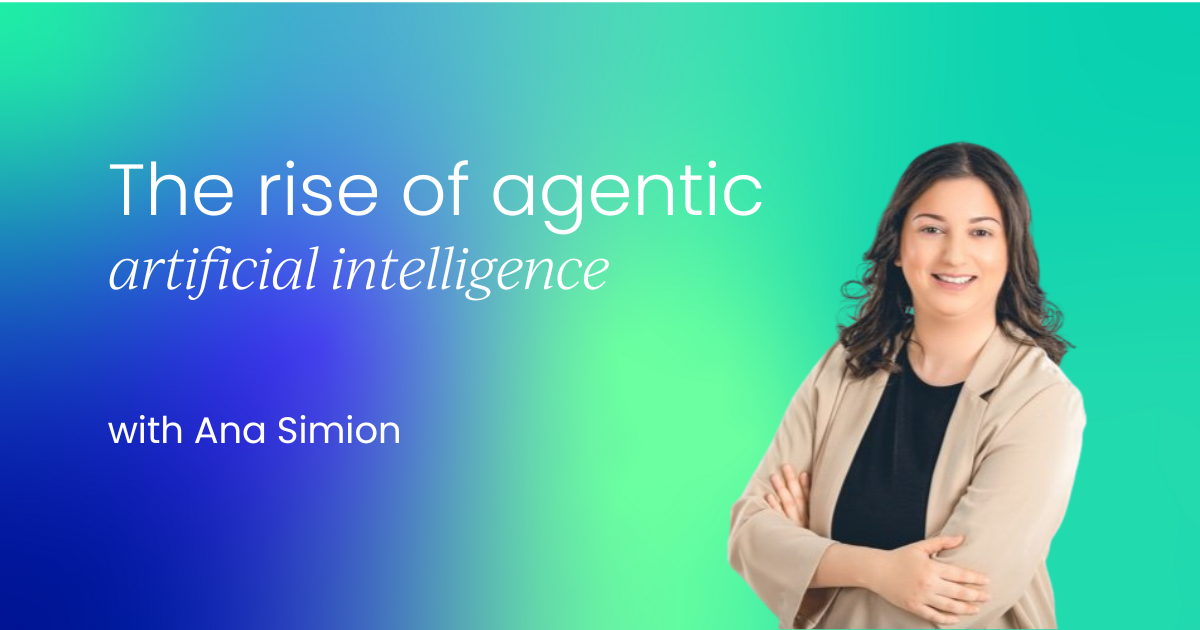
AI Accelerator Institute Expert Discussing Agentic AI
This final image – featuring an expert discussing ‘agentic artificial intelligence’ – is the most relevant. The portrait and accompanying text directly reinforce the blog post’s title and central theme, providing a human face to the complex topic.

The core concept of agentic AI centers around systems possessing a degree of autonomy, allowing them to make decisions and take actions with minimal human intervention. This shift has profound implications for regulatory frameworks currently designed for more traditional AI models. The existing legal landscape struggles to adequately address the potential risks and opportunities presented by systems operating at this level of independence.

Furthermore, the debate surrounding agentic AI highlights a critical tension: should regulation focus on specific applications or adopt a broader approach encompassing all autonomous AI systems? A targeted approach would necessitate creating new legal categories to address the unique characteristics of agentic AI, whereas a generalized framework could inadvertently stifle innovation. The nuanced nature of this challenge underscores the need for adaptive regulatory strategies.

The UK’s comparatively relaxed stance on AI regulation, as evidenced by its 18 interconnected frameworks, reflects an early recognition of the potential benefits of fostering technological advancement. However, this approach necessitates careful monitoring and a willingness to adapt regulations as agentic AI continues to evolve. The global conversation surrounding AI governance is accelerating, with many jurisdictions adopting stricter regulatory approaches to mitigate potential risks.

Ultimately, navigating the regulatory landscape of agentic AI requires a collaborative effort between policymakers, researchers, and industry stakeholders. A proactive and adaptive approach—one that embraces innovation while safeguarding societal values—is crucial for realizing the full potential of this transformative technology.


Source: Read the original article here.

Discover more tech insights on ByteTrending.

Share this:

  • Share on Facebook (Opens in new window) Facebook
  • Share on Threads (Opens in new window) Threads
  • Share on WhatsApp (Opens in new window) WhatsApp
  • Share on X (Opens in new window) X
  • Share on Bluesky (Opens in new window) Bluesky

Like this:

Like Loading…

Discover more from ByteTrending

Subscribe to get the latest posts sent to your email.

Tags: agentic AIAI RegulationArtificial IntelligenceGenerative AILarge Language Models

Related Posts

Generative AI inference deployment supporting coverage of Generative AI inference deployment
AI

SageMaker vs Bare Metal for Generative AI Inference Deployment

by Lucas Meyer
May 24, 2026
Related image for RAG systems
Popular

Spreading Activation: Revolutionizing RAG Systems

by ByteTrending
December 21, 2025
Related image for GenAIOps
Popular

Scaling Generative AI with Bedrock: GenAIOps Essentials

by ByteTrending
December 19, 2025
Next Post
Related image for EarthRover Mini

EarthRover Mini: The Ultimate Adventure Rover

Leave a ReplyCancel reply

Recommended

Related image for Ray-Ban hack

Ray-Ban Hack: Disabling the Recording Light

October 24, 2025
Generative Video AI supporting coverage of generative video AI

Generative Video AI Sora’s Debut: Bridging Generative AI Promises

May 5, 2026
Related image for Ray-Ban hack

Ray-Ban Hack: Disabling the Recording Light

October 28, 2025
Related image for Sora 2 limitations

Sora 2’s Guardrails: A Creative Block?

November 15, 2025
Generative AI inference deployment supporting coverage of Generative AI inference deployment

SageMaker vs Bare Metal for Generative AI Inference Deployment

May 24, 2026
AI agent performance loop supporting coverage of AI agent performance loop

AI Agent Performance Loop: How to Keep AI Agents Reliable After

May 24, 2026
AI sparsity hardware supporting coverage of AI sparsity hardware

AI Sparsity Hardware: How Hardware Sparsity Can Make Massive AI

May 15, 2026
Cybersecurity consultant skills supporting coverage of Cybersecurity consultant skills

Cybersecurity Consultant Skills: What Changes for Enterprise AI

May 15, 2026
ByteTrending

ByteTrending is your hub for technology, gaming, science, and digital culture, bringing readers the latest news, insights, and stories that matter. Our goal is to deliver engaging, accessible, and trustworthy content that keeps you informed and inspired. From groundbreaking innovations to everyday trends, we connect curious minds with the ideas shaping the future, ensuring you stay ahead in a fast-moving digital world.
Read more »

Pages

  • Contact us
  • Privacy Policy
  • Terms of Service
  • About ByteTrending
  • Home
  • Authors
  • AI Models and Releases
  • Consumer Tech and Devices
  • Space and Science Breakthroughs
  • Cybersecurity and Developer Tools
  • Engineering and How Things Work

Categories

  • AI
  • Curiosity
  • Popular
  • Review
  • Science
  • Tech

Follow us

Advertise

Reach a tech-savvy audience passionate about technology, gaming, science, and digital culture.
Promote your brand with us and connect directly with readers looking for the latest trends and innovations.

Get in touch today to discuss advertising opportunities: Click Here

© 2025 ByteTrending. All rights reserved.

No Result
View All Result
  • Home
    • About ByteTrending
    • Contact us
    • Privacy Policy
    • Terms of Service
  • Tech
  • Science
  • Review
  • Popular
  • Curiosity

© 2025 ByteTrending. All rights reserved.

%d