
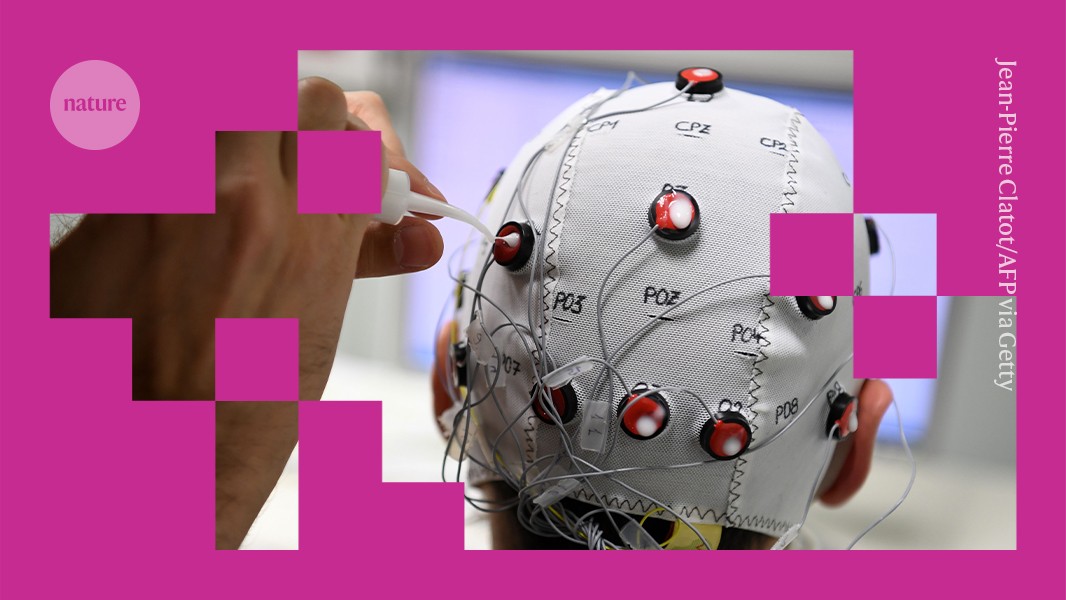
American startup Paradromics has achieved a significant milestone in the quest for brain-computer interfaces (BCIs). Recently, the company successfully conducted its first experimental brain implant on a human subject, marking a crucial step forward in connecting the brain directly to electronic devices. This development positions Paradromics as a key competitor to Neuralink, particularly regarding safety and accessibility.
The brief test took place under strictly controlled conditions, demonstrating the device’s ability to operate within humans without immediate harm. This success places Paradromics among a select few companies with a human-tested brain implant.
Restoring Communication Through Technology
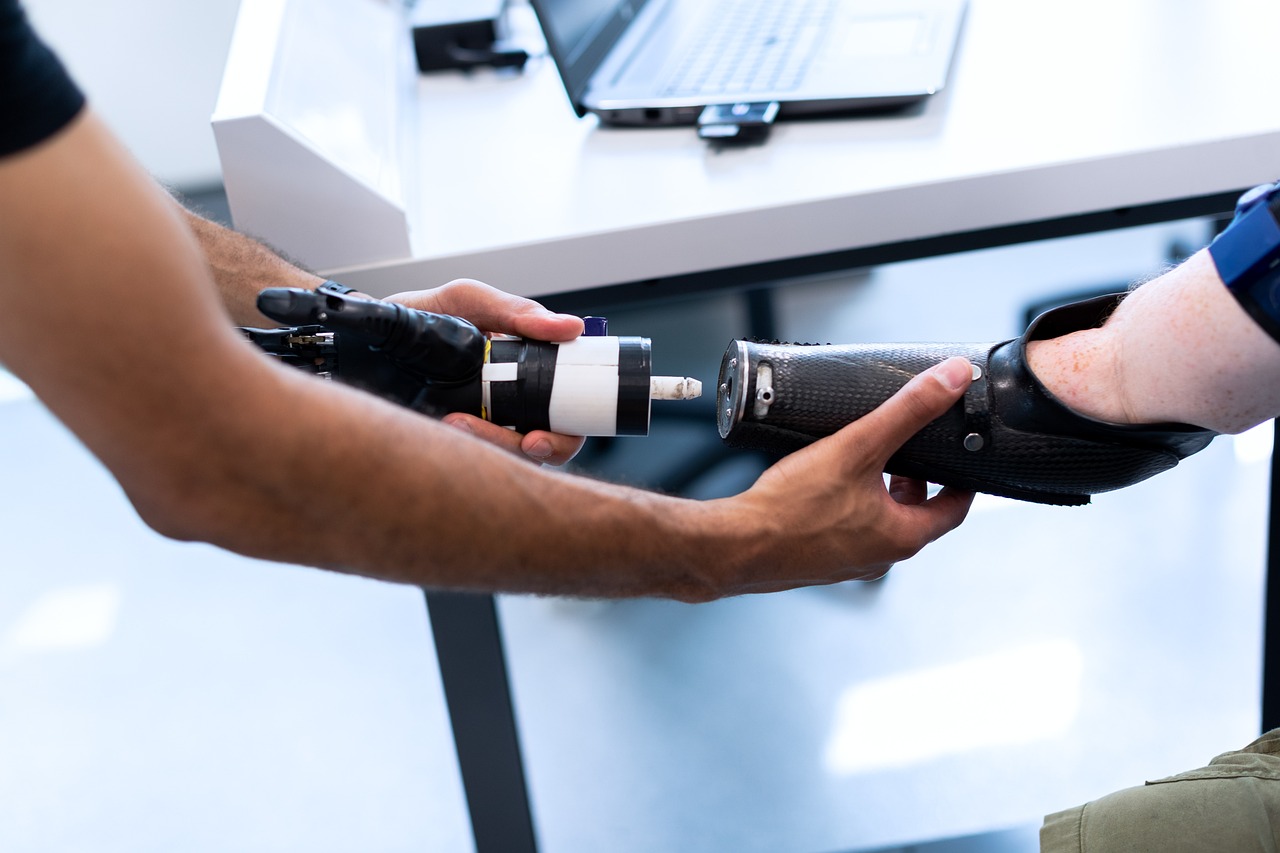
Paradromics aims to develop a device enabling individuals with paralysis to regain communication abilities. The implant captures neural signals directly from the brain, converting them into digital commands. These commands can control computers, type messages, or even operate robotic prosthetics.
The startup utilizes high-precision microelectrodes to record brain activity, which are connected to an external system that interprets and transmits information in real-time. Initial focus is on patients with conditions like Amyotrophic Lateral Sclerosis (ALS) or spinal cord injuries.
Competition with Neuralink
Paradromics is considered a major competitor to Elon Musk’s Neuralink. While both operate within the BCI sector with similar goals, Paradromics employs a distinct implant design and a more cautious approach to clinical testing.
Unlike Neuralink’s public presentations and emphasis on visibility, Paradromics prioritizes technical aspects and regulatory processes.
Ethical Considerations & Future Challenges
Despite the excitement, brain implants face significant challenges. Long-term safety is a primary concern, requiring understanding of the body’s reaction to the implant over months or years. Data privacy also raises important ethical debates.
Companies require health authority approval for expanded testing, necessitating more participant studies and consistent results.
A Future of Increased Patient Autonomy
This nascent technology promises to transform the lives of many individuals who have lost motor or speech capabilities. With continued research and rigorous testing, companies like Paradromics can create viable solutions for those affected. The development of brain-machine interfaces is a pivotal moment in neurotechnology; its future depends on safety, efficacy, and societal acceptance.
Discover more from ByteTrending
Subscribe to get the latest posts sent to your email.