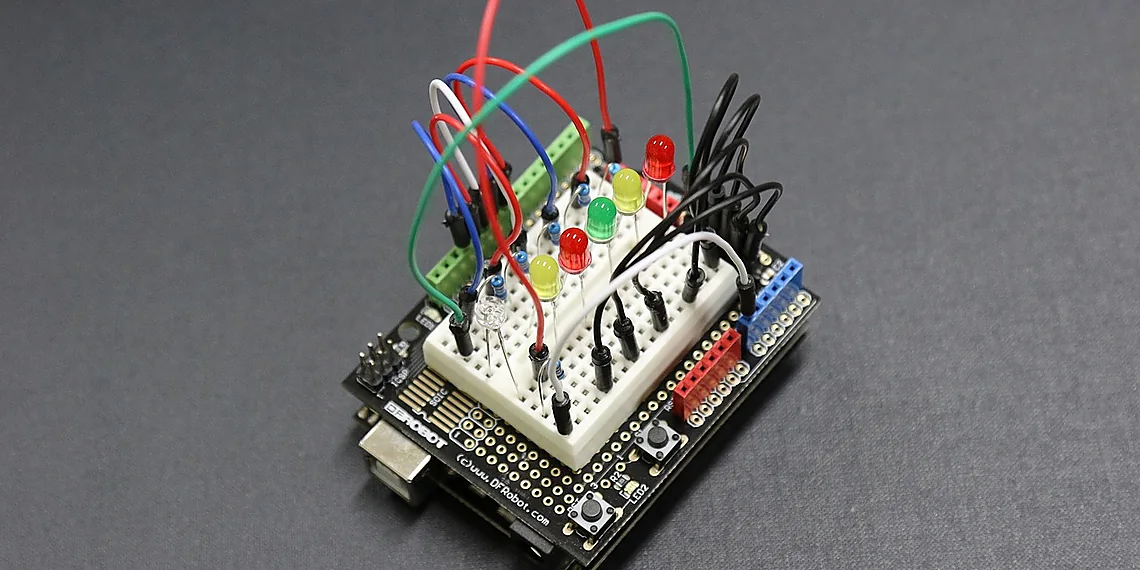



Ever felt that nagging curiosity about how technology *really* works, beyond just swiping and tapping? The digital world is built on code and circuits, and surprisingly, getting your hands dirty isn’t as intimidating as it seems. We’re entering an era where anyone can become a maker, a creator, and a problem-solver – and the journey starts with understanding the fundamentals.
Imagine building your own automated plant watering system, crafting interactive LED displays, or even designing simple robots from scratch. That kind of power is now within reach thanks to platforms like Arduino, and the latest iteration makes it easier than ever before. The brand new Arduino Starter Kit R4 provides everything you need to embark on this exciting adventure.
This comprehensive kit isn’t just about components; it’s a complete learning experience designed for beginners and seasoned hobbyists alike. Packed with sensors, actuators, and clear, step-by-step project guides, the Arduino Starter Kit R4 demystifies electronics while fostering creativity and critical thinking skills – perfect for students, educators, or anyone eager to unlock their potential in the world of technology.
What’s New in the R4?
The Arduino Starter Kit R4 represents a significant leap forward from previous iterations, primarily thanks to its core component: the UNO R4 WiFi board. This isn’t just a minor upgrade; it’s a complete overhaul of the microcontroller at the heart of the kit. The UNO R4 WiFi boasts an impressive 32-bit ARM Cortex-M4 processor running at 48 MHz, a substantial increase from the 16 MHz of the previous generation. This enhanced processing power allows for more complex projects and smoother execution of code, making it easier to grasp fundamental programming concepts without being bogged down by performance limitations.
Beyond speed, memory is another key area of improvement. The UNO R4 WiFi features 256KB of flash memory, 32KB of SRAM, and 8KB of EEPROM – a considerable boost compared to earlier models. This increased memory capacity enables users to tackle more ambitious projects that require larger code bases or more data storage. Beginners will appreciate the extra breathing room for experimentation, while experienced makers can leverage it for sophisticated applications. The integrated WiFi capabilities also open up exciting possibilities for IoT (Internet of Things) projects directly from the starter kit.
The inclusion of onboard LEDs and a reset button further streamlines the learning process. These additions provide immediate visual feedback on project status and simplify debugging – crucial elements for maintaining engagement, especially for those new to electronics and coding. While previous kits offered similar functionality, the R4’s integration is more seamless and user-friendly, designed specifically with beginners in mind. Combined with the updated curriculum and expanded project possibilities, the UNO R4 WiFi delivers a significantly richer learning experience.
Ultimately, the improvements in the Arduino Starter Kit R4 aren’t just about raw specifications; they are about creating a more accessible and empowering entry point into the world of electronics and programming. The increased processing power, memory, and connectivity, coupled with user-friendly features, lower the barrier to entry while simultaneously providing a platform for advanced experimentation and creative exploration.
The UNO R4 WiFi Board: Power & Connectivity

At the heart of the Arduino Starter Kit R4 lies the UNO R4 WiFi board, a significant upgrade over its predecessors. It boasts an ultra-low power STM32U5 microcontroller running at 48 MHz, nearly double the speed of the previous generation’s ATmega328P. This increased processing power allows for more complex projects and faster execution of code, making it easier to handle demanding tasks like real-time data logging or controlling intricate mechanisms.
The UNO R4 WiFi also features 96 KB of Flash memory, 16 KB of SRAM, and 4 KB of EEPROM – substantial increases compared to earlier models. This expanded memory capacity enables users to store larger programs, more complex datasets, and utilize a wider range of libraries without encountering limitations. Beginners will find this extra space simplifies learning, while experienced makers can tackle more ambitious projects.
Beyond the enhanced processing capabilities and increased memory, the UNO R4 WiFi incorporates integrated Wi-Fi (IEEE 802.11 b/g/n) and Bluetooth Low Energy (BLE). This built-in connectivity opens up a world of possibilities for IoT applications, remote control, data streaming, and interaction with other devices – all without requiring additional shields or external modules. The ease of implementation lowers the barrier to entry for beginners while providing experienced users with powerful new tools.
Hands-On Projects for Every Skill Level
The Arduino Starter Kit R4 isn’t just about building circuits; it’s about cultivating a love for electronics and coding through tangible results. Whether you’ve never held a resistor before or have tinkered with simple projects, this kit provides a clear pathway to understanding the fundamentals. Beginners can start with classic introductory exercises like blinking an LED – a foundational concept that demonstrates basic circuit behavior and programming logic. From there, they can move on to building a mini traffic light system, exploring sensor integration with a soil moisture sensor project, or even creating a simple digital dice game. These initial projects build confidence and solidify the core principles of electronics.
As your skills grow, the Arduino Starter Kit R4 offers avenues for more challenging and rewarding creations. Imagine crafting an automated plant watering system using relays and sensors – a practical application that combines coding, hardware design, and real-world problem solving. Or perhaps you’d like to build a simple line-following robot, introducing concepts of motor control and feedback loops. The kit’s components and included projects are designed to progressively introduce increasingly complex topics such as servo motors, potentiometers, buzzers, and LCD displays, providing the building blocks for more sophisticated electronic systems.
The beauty of the Arduino ecosystem lies in its versatility; the Starter Kit R4 is just a jumping-off point. Once you’ve mastered the included projects, the possibilities are virtually limitless! You can adapt existing designs to create custom solutions or explore entirely new concepts inspired by online communities and open-source hardware resources. This kit isn’t about following instructions blindly – it’s about understanding *why* things work and empowering you to innovate and build your own unique creations, from interactive art installations to basic home automation systems.
Ultimately, the Arduino Starter Kit R4 is designed to be a lifelong learning companion. It caters to diverse interests and skill levels, ensuring that there’s always something new to discover. Whether you’re aiming to understand the basics of electronics or embark on ambitious DIY projects, this kit provides the tools, knowledge, and inspiration to unlock your potential and bring your ideas to life.
From Blinking LEDs to Smart Home Automation
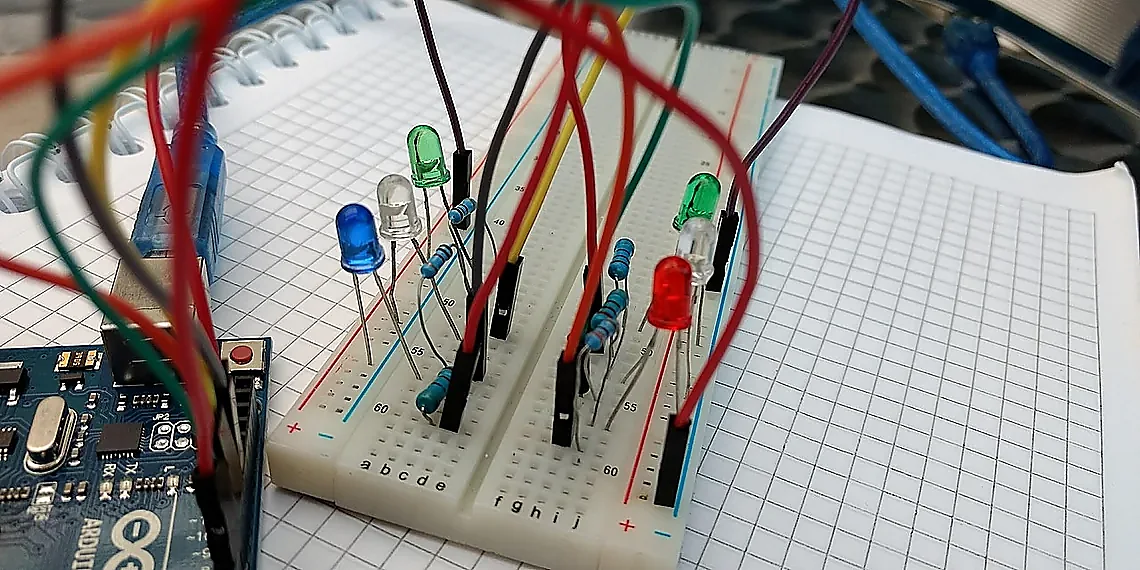
The Arduino Starter Kit R4 isn’t just about blinking an LED (though that’s a great first step!). The included projects guide you through fundamental electronics concepts like resistors, transistors, and sensors in a practical way. Early challenges involve building simple circuits to control LEDs with buttons, creating a light-sensitive circuit using a photoresistor, and constructing a basic sound-reactive device. These foundational projects build confidence and introduce the core components of electronic systems.
As you progress through the kit’s tutorials, the project complexity increases. You’ll learn to create interactive games like a simple Simon Says game with LEDs and buttons, or a mini digital piano using piezo sensors. More advanced challenges include building a temperature sensor display that visualizes data on an LCD screen and creating basic home automation tasks such as controlling a servo motor to simulate a robotic arm – all while solidifying your understanding of coding logic and circuit design.
The learning path within the Arduino Starter Kit R4 is designed for gradual skill development. Beginners can easily grasp the basics, while those with some prior experience can tackle more sophisticated projects that integrate multiple sensors, actuators, and programming techniques. Ultimately, the kit provides a solid foundation for pursuing more advanced electronics and coding endeavors beyond these initial exercises.
Learning Resources and Community Support
The Arduino Starter Kit R4 isn’t just about hardware; it’s a complete learning experience designed to guide you from novice to maker. The included, beautifully illustrated manual provides a structured path through fundamental electronics concepts and basic programming principles. But the learning doesn’t stop there! Recognizing that everyone learns differently, Arduino has curated a wealth of supplementary online resources to bolster your understanding and keep you engaged.
Beyond the physical manual, you’ll find an extensive library of tutorials, detailed documentation, and example code available on the official Arduino website and across numerous community platforms. These resources delve deeper into specific topics, offer alternative project approaches, and provide valuable troubleshooting tips. Whether you’re struggling with a particular circuit or seeking inspiration for your next creation, there’s bound to be something helpful just a click away.
Perhaps even more invaluable is the vibrant and supportive Arduino community. Forums, online groups, and maker spaces are teeming with experienced users eager to share their knowledge and assist newcomers. Don’t hesitate to ask questions – you’ll find a welcoming environment where collaboration and problem-solving thrive. This collective expertise significantly accelerates your learning journey and fosters a sense of belonging within the global Arduino ecosystem.
Ultimately, the combination of comprehensive printed materials and readily accessible online support transforms the Arduino Starter Kit R4 into more than just a collection of components; it’s an invitation to join a passionate community of makers and unlock your creative potential. The resources available ensure that anyone, regardless of their prior experience, can confidently embark on this exciting journey into electronics and programming.
Beyond the Manual: Online Tutorials & Forums
While the Arduino Starter Kit R4 manual provides a solid foundation, the online resources available significantly expand your learning journey. The official Arduino website (arduino.cc) hosts extensive documentation, including reference materials for the Arduino programming language and detailed explanations of electronic components. Numerous step-by-step tutorials cater to different skill levels, from absolute beginners to those seeking more advanced project ideas. These tutorials often include video demonstrations and downloadable code examples, making it easier to grasp complex concepts.
Beyond the official documentation, a vast ecosystem of user-generated content thrives online. Platforms like YouTube are brimming with Arduino tutorial videos, covering everything from basic circuit building to sophisticated robotics projects. Websites such as Instructables and Hackster.io feature project guides submitted by fellow makers, offering inspiration and practical solutions to common challenges. These resources often provide alternative approaches and deeper dives into specific topics not covered in the manual.
Perhaps the most valuable resource is the Arduino forum (forum.arduino.cc). This active community provides a space for users of all levels to ask questions, share their projects, and help each other troubleshoot problems. Whether you’re stuck on a particular code snippet or need advice on selecting components, experienced Arduino enthusiasts are readily available to offer guidance and support, fostering a collaborative learning environment.
Getting Started & Future Possibilities
Let’s dive into actually using your Arduino Starter Kit R4! The included manual is your best friend here, guiding you through a series of progressively more complex projects. To get a feel for the process, try tackling ‘Your First Project: A Simple Servo Control.’ This project walks you through connecting the servo motor to your board and writing basic code to control its position. It’s a fantastic introduction to both the hardware connections and the fundamentals of Arduino programming – don’t be afraid to tweak the code! Experiment with different values, observe how it affects the servo’s movement, and start understanding cause and effect in a tangible way.
Beyond simply following instructions, the real magic happens when you begin to personalize your projects. Once you’ve successfully controlled that servo motor, consider what else you could do with it! Perhaps you want to build a miniature robotic arm? Or use multiple servos to create a more complex mechanism? The Arduino Starter Kit provides not only the components but also the foundation for developing your own unique creations. Don’t limit yourself to the examples – think about problems you can solve, or fun gadgets you could build.
The Arduino ecosystem extends far beyond what’s included in this kit. There’s a massive online community of makers and developers sharing code, tutorials, and project ideas. You’ll find support forums, libraries for specific sensors and actuators, and countless resources to help you expand your knowledge and skills. This starter kit is truly just the beginning – it’s a gateway to a world of electronics, programming, and creative possibilities.
Imagine integrating environmental sensors to monitor temperature and humidity, building interactive art installations that respond to movement, or even creating custom control systems for home automation. With the Arduino Starter Kit R4 as your base, you have the potential to bring these ideas – and countless others – to life. The only limit is your imagination and willingness to explore!
Your First Project: A Simple Servo Control
Let’s dive into your first project! The Arduino Starter Kit R4 includes a servo motor, offering an excellent introduction to controlling mechanical components. To begin, connect the servo’s signal wire to digital pin 9 on the Arduino Uno R4 board. Power and ground connections are typically handled through the kit’s breadboard – ensure these are properly connected according to the included schematic diagram. The provided tutorial in the project book will guide you step-by-step, but a basic sketch involves declaring an integer variable for servo position, setting the servo pin as output, attaching the servo to that pin using `Servo.attach()`, and then writing code to sweep the servo back and forth by incrementally changing the position variable.
The core of controlling the servo lies in sending Pulse Width Modulation (PWM) signals. The Arduino’s Servo library simplifies this process; you don’t need to understand the intricacies of PWM to get started! Experiment with different delays within your code – shorter delays will result in faster movement, while longer delays will slow things down. Try modifying the range of servo positions explored by changing the `write()` function’s arguments. Remember to consult the detailed instructions and schematics provided with the kit; they are designed to ensure accurate connections and proper operation.
This simple servo control project is just a starting point. Once you grasp the fundamentals, consider adding sensors (like potentiometers) to control the servo’s position based on real-world input, or integrate it into a more complex mechanism. The Arduino community is vast and supportive; online forums and tutorials offer endless inspiration for expanding your projects beyond the included lessons. Don’t be afraid to break things—that’s how you learn!
The Arduino ecosystem has consistently democratized technology, and the new R4 iteration elevates that accessibility even further.
We’ve seen firsthand how empowering it is to transform abstract concepts into tangible creations, from blinking LEDs to complex robotic projects.
Whether you’re a seasoned maker or completely new to electronics, the Arduino Starter Kit R4 provides a structured and supportive pathway for innovation.
The comprehensive nature of this kit – encompassing hardware, software, and engaging tutorials – removes common barriers to entry and accelerates your learning curve significantly. It truly is an excellent foundation for anyone interested in embedded systems and physical computing, offering a gentle introduction that builds confidence with each successful project you complete using the included components and examples, all within reach thanks to the well-designed Arduino Starter Kit itself..”,
Continue reading on ByteTrending:
Discover more tech insights on ByteTrending ByteTrending.
Discover more from ByteTrending
Subscribe to get the latest posts sent to your email.