


For years, visions of sophisticated robots seamlessly integrating into our lives have felt like science fiction-a distant dream confined to movie screens and research labs. Lately, however, that future feels increasingly tangible, driven by a remarkable acceleration in robotics technology. We’re witnessing a renewed burst of activity, with major players and innovative startups alike pouring resources into developing machines that mimic human form and function. The initial reaction from many has been understandable skepticism; we’ve heard promises before, only to be met with limitations and unmet expectations. But the current advancements are genuinely different, fueled by breakthroughs in areas like artificial intelligence, advanced materials, and increasingly dexterous actuators. This isn’t just about building a machine that *looks* human; it’s about creating versatile tools capable of performing tasks currently requiring human skill and adaptability. The rise of humanoid robots represents more than incremental progress-it suggests a potential paradigm shift in how we approach automation, manufacturing, healthcare, and countless other industries.
The recent flurry of demonstrations showcasing impressive feats – from complex object manipulation to navigating dynamic environments – has reignited the conversation around robotics’ role in our future. While past attempts at creating functional humanoid machines often fell short, current designs are benefitting from decades of accumulated knowledge and significantly improved capabilities. The challenges remain substantial, of course; replicating human agility, intuition, and problem-solving skills is an incredibly complex undertaking. However, the sheer momentum behind these developments suggests that we’re entering a new era where the potential benefits of humanoid robots will outweigh the remaining hurdles.
The Current State of Humanoid Robotics
The field of humanoid robotics has witnessed remarkable progress in recent years, moving beyond the realm of theoretical possibility to tangible applications across various industries. While visions of fully autonomous humanoids performing complex tasks remain a future goal, current capabilities are already demonstrating significant potential. These aren’t your grandparents’ clunky robots; advancements in areas like motor control and AI have resulted in machines that can walk with greater stability, manipulate objects with increasing dexterity, and even adapt to dynamic environments – albeit within defined parameters.
A key driver of this progress is the convergence of several crucial technologies. Improved electric motors offer higher torque density and precision, enabling more fluid and natural movements. Sophisticated AI algorithms, particularly those leveraging reinforcement learning, allow robots to learn complex tasks through trial and error, significantly reducing the need for explicit programming. Furthermore, advancements in sensor technology – including depth cameras, LiDAR, and tactile sensors – provide these machines with a richer understanding of their surroundings, crucial for navigation and object interaction. Material science also plays a vital role; lighter yet stronger materials are enabling more agile and energy-efficient designs.
Currently, we’re seeing humanoid robots deployed in roles that complement rather than replace human workers. In Chinese factories, for example, models like Figure 01 from Multiple Robotics are assisting with repetitive or physically demanding tasks such as machine tending and material handling. Similarly, Agility Robotics’ Digit is being tested for warehouse logistics, particularly in areas where labor shortages are a concern. While these robots aren’t yet capable of independently managing entire production lines, their ability to perform specific sub-tasks reliably and consistently is proving invaluable. Early trials also suggest potential applications in elder care, assisting with mobility and basic household chores – though significant ethical and safety considerations remain paramount.
It’s important to note that the current generation of humanoid robots still faces limitations. Battery life remains a challenge, restricting operational duration. While AI-powered navigation has improved significantly, unpredictable environments can still pose difficulties. And despite advancements in dexterity, manipulating delicate or irregularly shaped objects continues to be a hurdle. However, the rapid pace of innovation suggests these challenges are being actively addressed, paving the way for even more capable and versatile humanoid robots in the years to come.
Beyond the Prototype: Real-World Applications
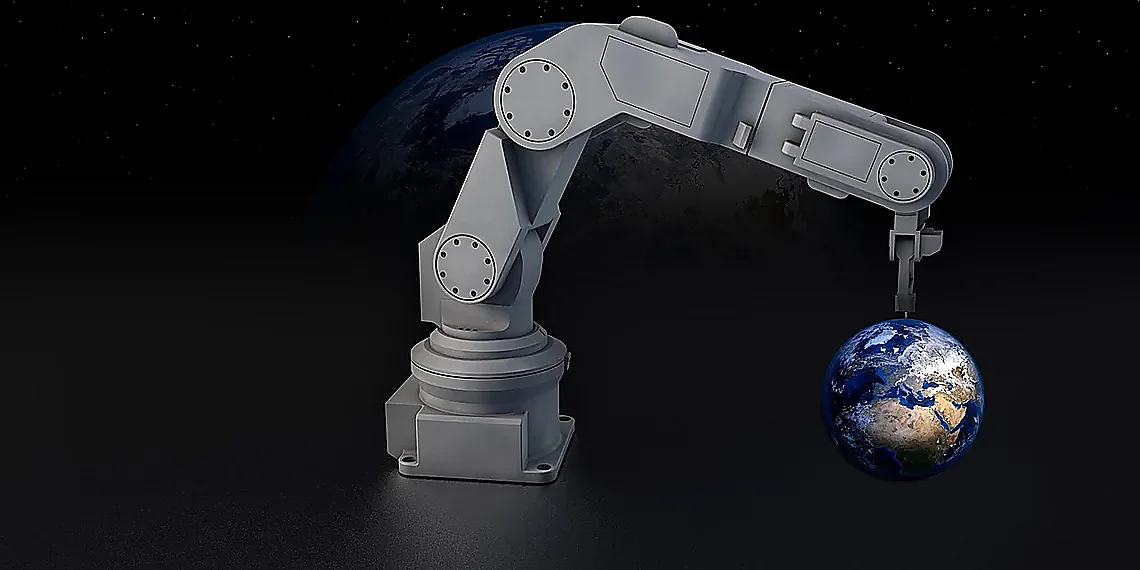
While humanoid robot development often conjures images of futuristic companions, the most significant early deployments are occurring in industrial settings. Companies like Foxconn have begun integrating robots such as Hanson Robotics’ Vivant line into their manufacturing processes to assist with repetitive or ergonomically challenging tasks. These aren’t replacements for human workers; rather, they serve as collaborative tools, handling activities like precision assembly and material transport alongside human teams. For example, Vivant units are used for quality inspection of circuit boards, a task requiring consistent visual acuity that can be difficult for humans to maintain over long shifts.
The logistics sector is also seeing increased adoption. Amazon’s deployment of Digit by Boston Dynamics for tasks like package sorting and warehouse navigation demonstrates the potential for humanoid robots to improve efficiency in this domain. While Digit’s use remains limited, it showcases capabilities such as obstacle avoidance, stair climbing, and carrying payloads – all crucial for navigating complex warehouse environments. Similarly, Agility Robotics’ Puma robot is being piloted by several retailers for tasks including unloading trucks and moving inventory within distribution centers; the Puma’s design emphasizes stability and payload capacity over mimicking human form precisely.
Beyond manufacturing and logistics, early trials are underway in elder care facilities, although widespread adoption faces significant regulatory and ethical hurdles. Several Japanese companies, like SoftBank Robotics with its Pepper robot (though now considered an earlier generation), are experimenting with humanoid robots to provide companionship, medication reminders, and basic assistance to elderly residents. While these applications remain largely experimental due to concerns about safety, privacy, and the need for human interaction, they highlight a potential future role for humanoid robots in addressing demographic challenges.
Technical Breakthroughs Driving Progress

Recent progress in humanoid robotics has been fueled by several key technological breakthroughs, moving beyond earlier prototypes constrained by limited mobility and functionality. Significant advances in motor control have enabled more fluid and natural movements, mimicking human gait and dexterity with increasing accuracy. This is largely due to improved algorithms that account for complex biomechanics and dynamic balance, allowing robots to recover from disturbances and adapt to uneven terrain – a crucial requirement for real-world deployment.
Parallel to improvements in mechanics, significant strides have been made in AI-powered navigation and perception. Advanced sensor suites, including LiDAR, radar, and high-resolution cameras combined with sophisticated computer vision algorithms, allow humanoid robots to build detailed maps of their surroundings and navigate complex environments autonomously. This capability is further enhanced by reinforcement learning techniques that enable robots to learn optimal paths and adapt to changing conditions without explicit programming for every scenario.
Furthermore, advancements in material science are contributing significantly to the capabilities of humanoid robots. The development of lightweight yet strong materials like carbon fiber composites and advanced polymers allows for more agile and energy-efficient designs. Simultaneously, research into soft robotics and flexible actuators is enabling robots to interact with objects and humans safely and delicately – a critical element for applications such as collaborative manufacturing and elder care.
The China Effect: Adoption & Challenges
China’s rapid adoption of humanoid robots isn’t simply a technological trend; it’s a strategically driven movement reshaping global manufacturing landscapes. Several key factors are fueling this surge. Rising labor costs within China have made automation increasingly economically attractive, particularly for repetitive and physically demanding tasks common in factories. Coupled with this is the significant support from the Chinese government, which views robotics as a critical component of its ‘Made in China 2025’ initiative – an ambitious plan to upgrade domestic industries and achieve global leadership in advanced technologies. This proactive governmental backing manifests through substantial investments in research and development, favorable policies for robotic companies, and incentives for manufacturers to adopt these new systems.
Beyond pure economics, China’s strategic goals play a vital role. The nation aims to reduce reliance on foreign technology, bolster its manufacturing competitiveness, and address demographic challenges like a shrinking workforce. Humanoid robots are seen as crucial tools in achieving these objectives, allowing factories to maintain or even increase production while mitigating labor shortages. We’re seeing this manifest across various sectors, from electronics assembly to logistics and warehousing, with companies actively integrating humanoid robots into their operations – often alongside human workers in a collaborative model.
However, the path isn’t without its challenges. While progress has been remarkable, current humanoid robots still struggle with tasks requiring dexterity, adaptability, and problem-solving skills that come naturally to humans. Many activities remain beyond their capabilities, necessitating continued human oversight and intervention. The cost of these advanced machines also remains a significant barrier for smaller manufacturers, limiting widespread adoption across all sectors. Furthermore, ethical considerations surrounding job displacement and the potential impact on the workforce are beginning to surface, demanding careful planning and mitigation strategies.
Looking ahead, China’s continued investment in humanoid robot technology is almost certain to accelerate advancements and drive down costs, making them even more accessible to a wider range of industries. The experience gained through this large-scale deployment will also be invaluable for refining the technology and addressing its current limitations – potentially establishing China as a global leader not just in adopting, but also in developing the next generation of humanoid robots.
Manufacturing Momentum: Why China?
China’s rapid adoption of humanoid robots, particularly within its manufacturing sector, is largely driven by escalating labor costs. For decades, China benefited from a massive supply of inexpensive labor, fueling its economic boom as ‘the world’s factory.’ However, wages have steadily risen over the past two decades, eroding this competitive advantage and making automation increasingly attractive to businesses. The cost of human labor now often exceeds the operational expenses for some humanoid robot models, especially when considering long-term productivity gains and reduced error rates.
Government incentives also play a crucial role in China’s manufacturing momentum with humanoid robots. Recognizing the strategic importance of advanced robotics for future economic growth and global competitiveness, the Chinese government has implemented substantial financial support programs. These include subsidies for robot adoption, tax breaks for manufacturers investing in automation technologies, and significant funding for research and development in areas like artificial intelligence and robotic hardware. This proactive policy environment encourages widespread experimentation and deployment across various industries.
Beyond economic factors, China’s strategic goals regarding industrial autonomy and supply chain resilience further propel humanoid robot adoption. Concerns about geopolitical instability, trade dependencies, and potential labor shortages have prompted a push for greater self-sufficiency in critical manufacturing sectors like electronics and automotive. Humanoid robots are seen as essential tools to achieve these objectives by reducing reliance on foreign workers and mitigating the risks associated with global supply chains. This ambition is fueling both domestic robot production and the integration of humanoid solutions into existing factories.
The Future Landscape: Potential & Limitations
The integration of humanoid robots into society holds transformative potential, but a clear-eyed view necessitates acknowledging both the remarkable progress and the considerable hurdles that remain. While recent advancements in areas like motor control, AI-powered navigation, and increasingly dexterous hands have fueled excitement – particularly demonstrated by deployments in Chinese factories – we’re still far from a scenario where these robots can seamlessly replace human workers across diverse tasks. The current reality is one of collaboration, with humans often required to oversee or assist even seemingly automated processes. This highlights the importance of focusing on applications where humanoid robots can augment human capabilities rather than simply aiming for full automation.
Looking beyond simple manufacturing and logistics, the future landscape paints a picture of potential roles spanning companionship, personalized healthcare, and hazardous environment exploration. Imagine robots providing assistance to elderly individuals, offering educational support tailored to individual learning styles, or venturing into disaster zones too dangerous for human entry. These scenarios are not mere science fiction; they represent realistic goals driven by ongoing research in areas like affective computing (enabling robots to understand and respond to human emotions) and advanced sensor technology. However, achieving these ambitions requires significant breakthroughs.
Despite the promise, several roadblocks stand in the way of widespread humanoid robot adoption. Cost remains a major barrier – developing and manufacturing sophisticated robots is expensive, limiting accessibility for many industries and consumers. Energy efficiency is another critical concern; current models often require substantial power to operate, impacting their practicality and environmental footprint. Safety considerations are paramount, demanding robust safeguards to prevent accidents or unintended harm. Beyond technical challenges, ethical considerations surrounding job displacement, data privacy, and the potential for misuse must be proactively addressed alongside public perception, which can significantly influence adoption rates.
Ultimately, the future of humanoid robots isn’t about replacing humans entirely but about creating a symbiotic relationship where technology enhances our lives and addresses critical societal needs. Continued investment in research, coupled with open dialogue regarding ethical implications and safety protocols, will be crucial to navigating this transformative journey responsibly and ensuring that the rise of humanoid robots benefits all of humanity.
Beyond Automation: New Roles?
While early applications of humanoid robots largely focused on repetitive tasks within manufacturing, a more nuanced and potentially impactful future lies beyond simple automation. As dexterity and AI capabilities improve, these robots are increasingly suited for roles requiring adaptability and complex decision-making. This includes personalized services like elder care or assisting individuals with disabilities, where their ability to navigate unpredictable environments and provide physical support offers significant advantages over traditional assistive technologies.
The prospect of humanoid robots as companions is also gaining traction, particularly in addressing social isolation among elderly populations or providing emotional support for children. However, ethical considerations regarding the development of ‘synthetic relationships’ remain paramount and require careful societal discussion. Furthermore, fields like hazardous environment exploration – search and rescue operations after natural disasters or inspecting damaged infrastructure – represent a compelling application where human safety is prioritized and robots can operate in conditions unsuitable for humans.
Despite these promising avenues, it’s crucial to acknowledge current limitations. Current battery life, motor performance relative to human capabilities, and the ‘uncanny valley’ effect (where robots appear too human-like but still unsettling) present significant hurdles. Overcoming these challenges will require continued advancements in materials science, AI algorithms, and a deeper understanding of human-robot interaction to ensure seamless and beneficial integration into society.
The Roadblocks Ahead
Despite recent breakthroughs showcasing impressive capabilities, significant roadblocks remain before widespread adoption of humanoid robots becomes a reality. The initial investment cost is substantial; developing and manufacturing these complex machines requires advanced materials, intricate engineering, and sophisticated AI algorithms. Currently, even relatively basic humanoid robots can cost hundreds of thousands or even millions of dollars, making them inaccessible for many industries beyond large-scale manufacturers and research institutions. This high price point necessitates a considerable return on investment to justify deployment, which is often difficult to guarantee given the current limitations in their operational efficiency.
Energy consumption also presents a major hurdle. Powering humanoid robots, particularly those with complex movements and advanced sensing capabilities, demands significant energy resources. Current battery technology struggles to provide sufficient power for extended operation without frequent recharging, impacting productivity and limiting deployment scenarios. Researchers are actively exploring alternative power sources like fuel cells and wireless charging, but these solutions remain in early stages of development and face their own challenges related to cost and scalability. Moreover, ensuring the safety of human-robot interaction is paramount; robust fail-safe mechanisms and advanced AI algorithms capable of predicting and avoiding collisions are crucial, adding further complexity and expense.
Beyond technical limitations, ethical considerations and public perception play a vital role in shaping the future of humanoid robots. Concerns surrounding job displacement, data privacy, and potential misuse require careful consideration and proactive mitigation strategies. Public anxieties about the increasing autonomy of these machines could hinder acceptance and integration into society, necessitating transparent communication and engagement to build trust and address fears.
The journey through the world of robotics has undeniably reached an exciting inflection point, moving beyond theoretical concepts and into tangible applications we can witness today.
While early iterations faced significant hurdles in dexterity, balance, and cognitive processing, recent advancements fueled by AI and improved materials science are rapidly closing those gaps.
We’ve seen glimpses of a future where humanoid robots assist with complex tasks, augment human capabilities in hazardous environments, and even provide companionship – possibilities that once seemed firmly rooted in science fiction are now within our grasp.
Of course, challenges remain; widespread adoption necessitates further refinement in safety protocols, ethical considerations surrounding autonomy, and addressing potential societal impacts on the workforce. The integration of humanoid robots into everyday life requires careful planning and responsible development to ensure equitable benefits for all. The ongoing research into areas like soft robotics and advanced sensor technology promises even more nuanced interactions and adaptability in future generations of machines. Ultimately, the potential rewards – from increased productivity to enhanced quality of life – justify continued investment and exploration in this transformative field. ByteTrending will remain at the forefront, bringing you insightful analysis and breaking news as this revolution unfolds; be sure to follow us for continuous updates on the latest developments.
Continue reading on ByteTrending:
Discover more tech insights on ByteTrending ByteTrending.
Discover more from ByteTrending
Subscribe to get the latest posts sent to your email.







