

For decades, we’ve held a fairly straightforward understanding of how our immune system identifies and combats threats – but what if that understanding was fundamentally incomplete?
Recent research is shaking up established immunological principles, revealing a previously unknown mechanism that dramatically alters how immune cells recognize danger signals.
This isn’t just a minor tweak to the process; it’s a complete reversal of expectations regarding cellular behavior.
Scientists have discovered that cells can present antigens—the telltale markers of invaders—in an unexpected ‘sideways’ fashion, effectively changing the rules of engagement for T-cells and potentially impacting everything from vaccine efficacy to autoimmune disease development. This phenomenon, known as sideways antigen presentation, challenges our traditional models and opens up exciting new avenues for research and therapeutic intervention.
The Traditional View: How Antigen Presentation Works
For decades, immunology has operated under a relatively straightforward understanding of antigen presentation – the critical process by which immune cells recognize and respond to threats. This foundational concept involves specialized cells called antigen-presenting cells (APCs), such as dendritic cells and macrophages, capturing foreign invaders like viruses or bacteria. These APCs then break down the invaders into small peptide fragments, known as antigens.
These antigens are subsequently displayed on the surface of the APC via major histocompatibility complex (MHC) molecules. MHC class I molecules present antigens derived from inside the cell (e.g., viral infections), signaling to cytotoxic T cells that a threat exists and needs to be eliminated. Conversely, MHC class II molecules display antigens taken up from outside the cell, alerting helper T cells which then orchestrate broader immune responses like antibody production.
The traditional view dictates that these MHC-antigen complexes are presented on the cell surface in an ‘upright’ orientation – a neatly organized display allowing for clear recognition by patrolling T cells. This precise positioning is crucial for proper immune activation and preventing autoimmunity, where the body mistakenly attacks its own tissues. The spatial arrangement of these molecules has been extensively studied and considered a key factor in determining the strength and specificity of the immune response.
Essentially, antigen presentation was thought to be a highly controlled process with predictable outcomes based on the orientation of the MHC-antigen complex. However, recent research is challenging this long-held belief, revealing an unexpected twist that could rewrite our understanding of how the immune system functions – and potentially offer new avenues for therapeutic intervention.
MHC Molecules and Immune Cell Recognition
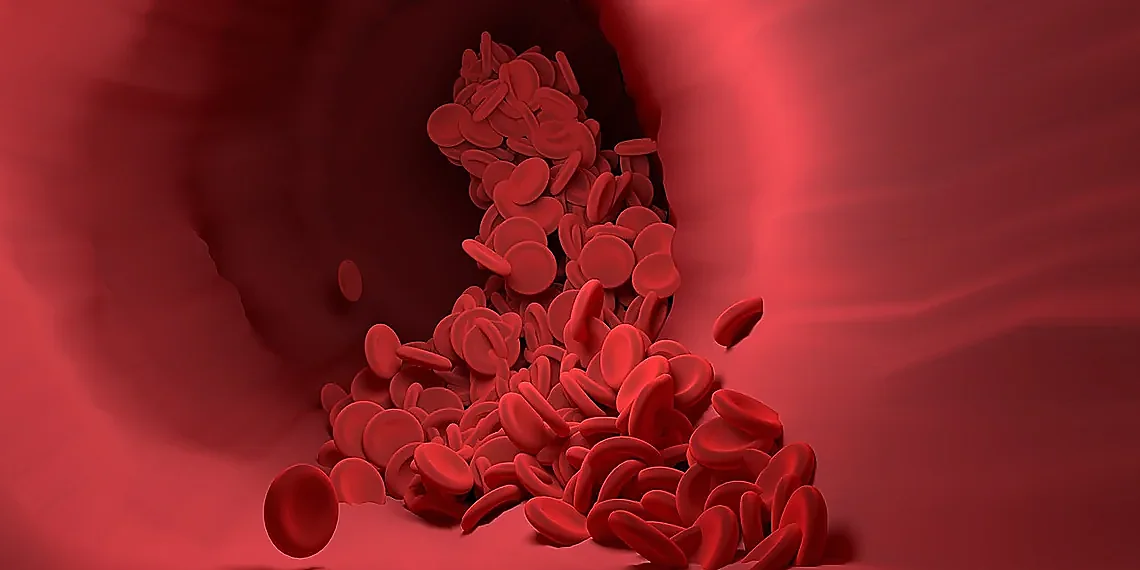
Major Histocompatibility Complex (MHC) molecules are critical components in the adaptive immune system, acting as cellular display cases that present fragments of proteins – called antigens – to T cells. These MHC molecules reside on the surface of nearly every cell in the body and come in two main classes: MHC Class I and MHC Class II. MHC Class I molecules predominantly bind to peptides derived from proteins synthesized within the cell (like viral proteins during infection) and present them to cytotoxic T cells (also known as killer T cells). MHC Class II, on the other hand, binds to antigens acquired from outside the cell – for example, bacteria engulfed by antigen-presenting cells like dendritic cells or macrophages – and presents them to helper T cells.
The typical antigen presentation process involves several steps. First, proteins within a cell are broken down into smaller peptide fragments through a process called proteolysis. These peptides then bind to MHC molecules in the endoplasmic reticulum (for Class I) or endosomes (for Class II). The MHC-peptide complex is transported to the cell surface, where it can be recognized by T cells. If the presented antigen is ‘foreign’ – indicating infection or abnormality – the T cell becomes activated and initiates an immune response.
This recognition process relies on a precise fit between the MHC molecule, the peptide fragment it carries, and the T cell receptor (TCR) on the T cell surface. The TCR must bind with sufficient affinity to trigger activation of the T cell. This interaction is crucial for distinguishing self from non-self and ensuring that immune responses are directed appropriately.
The Sideways Surprise: A New Presentation Method
For decades, immunologists have operated under a fundamental understanding of how the immune system identifies threats. This process, known as antigen presentation, involves specialized cells called antigen-presenting cells (APCs) displaying fragments of foreign invaders – antigens – on their surface for T cells to recognize and launch an attack. Typically, these antigens are presented in a ‘normal’ orientation, like flags waving upright. However, groundbreaking research has revealed a surprising twist: antigens can also be presented ‘sideways,’ challenging our long-held assumptions about immune cell communication.
So, what exactly does ‘sideways’ mean in this context? Researchers at the University of California, San Francisco and collaborators discovered that APCs can present antigens bound to MHC class I molecules – traditionally reserved for displaying intracellular antigens – on the cell’s lower surface, effectively presenting them ‘backwards.’ This unconventional presentation occurs when the antigen is rapidly internalized and processed, leading to a misfolding or incorrect binding. Using sophisticated imaging techniques and detailed molecular analysis, the team observed this phenomenon in human cells, demonstrating that it’s not an anomaly specific to certain model organisms.
The implications of this ‘sideways’ antigen presentation are profound. It suggests that T cells might be encountering antigens they wouldn’t normally see, potentially triggering inappropriate immune responses or even contributing to autoimmune diseases. Furthermore, the discovery could reshape how we design future vaccines. Current vaccine strategies often rely on ensuring proper antigen presentation to elicit a robust and targeted immune response. Understanding this sideways pathway may allow scientists to engineer vaccines that circumvent it or exploit it to generate more effective immunity – perhaps by inducing tolerance rather than activation in certain situations.
Ultimately, the revelation of sideways antigen presentation highlights the remarkable complexity and adaptability of the immune system. While much remains to be understood about the precise mechanisms regulating this process and its physiological significance, this discovery opens up exciting new avenues for research and offers a fresh perspective on how we can harness the power of the immune system to combat disease.
What Does ‘Sideways’ Mean?

In conventional antigen presentation, immune cells called dendritic cells process antigens – fragments of pathogens or other foreign substances – and display them on their surface using specialized molecules known as MHC class I or II. These MHC molecules act like billboards, presenting the antigen to T cells, which then recognize these signals to trigger an immune response. The ‘sideways’ presentation, however, describes a novel mechanism where antigens are presented on MHC molecules in an atypical orientation – essentially flipped 180 degrees relative to how they’re usually displayed.
Researchers at ETH Zurich and the University of Tübingen recently discovered this unexpected phenomenon while studying how cells respond to viral infections. Using advanced microscopy techniques, they observed that certain antigens were bound to MHC class I molecules but presented in a way that would normally be considered incorrect or non-functional. Surprisingly, these ‘sideways’ presentations were still recognized by T cells, albeit with altered specificity – meaning the T cells responded to different parts of the antigen than they would under normal presentation.
This discovery challenges long-held assumptions about how antigen presentation works and suggests that the immune system might be more adaptable and tolerant of structural variations than previously thought. The team’s findings, published in *Nature*, suggest that sideways presentation could play a role in immune evasion by pathogens or even contribute to autoimmune responses if self-antigens are presented in this unusual manner. Further investigation is needed to fully understand the prevalence and functional significance of this newly identified mechanism.
Why This Matters: Implications and Future Research
The revelation of sideways antigen presentation isn’t just a fascinating biological quirk; it’s a paradigm shift with potentially profound implications for our understanding of immunity and disease. Traditionally, antigen presentation – the process by which cells display fragments of foreign invaders to activate immune responses – was thought to occur primarily on the cell surface in a highly organized manner. This new discovery suggests that antigens can be presented ‘sideways,’ interacting with immune receptors at unconventional angles and locations. This challenges existing models and opens up entirely new avenues for exploring how the immune system recognizes threats, potentially explaining why some pathogens evade detection or why certain autoimmune conditions develop.
The impact on vaccine development is particularly exciting. Current vaccines often rely on eliciting a robust response to antigens presented in a specific orientation. If sideways presentation proves to be a common phenomenon, it could explain why some vaccines are less effective than others, or why booster shots are needed. Researchers can now investigate whether incorporating strategies that account for this unconventional presentation – perhaps by designing antigens that are more readily displayed ‘sideways’ – could lead to more potent and longer-lasting immunity. However, there’s also a challenge: understanding how the body regulates sideways antigen presentation is crucial; uncontrolled or aberrant sideways presentation might contribute to autoimmune disorders.
Looking ahead, future research will undoubtedly focus on unraveling the mechanisms that govern sideways antigen presentation. What cellular machinery facilitates this process? How does it differ between various cell types and immune responses? And perhaps most importantly, can we harness this phenomenon therapeutically? Imagine therapies that could stimulate a desired immune response by manipulating antigen presentation pathways or, conversely, suppress harmful autoimmune reactions by blocking aberrant sideways presentation. These are ambitious goals, but the initial discovery provides a crucial foundation for future investigations.
Ultimately, this breakthrough underscores the incredible complexity and adaptability of the immune system. It serves as a powerful reminder that our understanding of fundamental biological processes is constantly evolving, and that unexpected twists – like sideways antigen presentation – can lead to transformative advancements in medicine and biotechnology.
Rethinking Immune Responses and Vaccine Design
The recent finding that antigen presentation can occur ‘sideways,’ or between cells not directly connected by immunological synapses, fundamentally challenges established models of immune response. Traditionally, it was believed that antigen-presenting cells (APCs) like dendritic cells would only present antigens to T cells when physically joined, facilitating a direct and efficient interaction. This new research demonstrates that exosomes – tiny vesicles released from APCs – can carry MHC molecules loaded with antigen to distant recipient cells, effectively bypassing the need for physical contact. The implications of this ‘sideways’ antigen presentation are far-reaching, suggesting a more complex and widespread network of immune communication than previously understood.
This discovery holds significant potential for revolutionizing vaccine design. Current vaccines often rely on eliciting robust responses from APCs to directly stimulate T cells. However, if antigens can be presented sideways, it might be possible to engineer exosomes carrying specific antigens to target a wider range of recipient cells, potentially enhancing immune response and broadening protection against pathogens. Furthermore, understanding this process could lead to the development of vaccines that are more effective in individuals with compromised immune systems or those who don’t respond well to traditional vaccination strategies.
Despite the exciting possibilities, challenges remain. The mechanisms regulating sideways antigen presentation – including which cells participate and how exosomes are targeted – require further investigation. Furthermore, ensuring the safety and efficacy of exosome-based vaccines will be crucial, as off-target effects or unintended immune activation could pose risks. However, this groundbreaking work opens up a new avenue for exploring and manipulating the immune system, offering hope for more effective vaccines and therapies against infectious diseases and potentially even cancer.
Beyond the Lab: The Bigger Picture
The revelation that antigen presentation – the process by which cells display fragments of invaders to trigger an immune response – can occur in unexpected ‘sideways’ orientations is more than just a fascinating lab finding; it’s a powerful reminder of how much remains to be discovered about our own bodies. For decades, immunology has operated under a fairly established model of antigen presentation, largely focused on the traditional ‘upright’ display. This new research demonstrates that this framework isn’t complete, and that cells possess surprising flexibility in their communication strategies – a discovery with potentially far-reaching implications.
This shift underscores a broader trend within scientific research: the constant need to question existing paradigms. Scientific progress rarely moves in straight lines; it often involves unexpected detours and reevaluations of long-held beliefs. The immune system, being one of the most complex biological systems we know, is particularly ripe for such surprises. This discovery isn’t a rejection of previous work but rather an expansion—a recognition that the story of immunity is far more nuanced than previously imagined. It encourages researchers to reexamine existing data and explore new avenues of investigation.
Looking ahead, this understanding of sideways antigen presentation could revolutionize vaccine design. Current vaccines often rely on eliciting responses against specific, traditionally displayed antigens. If we can harness or even engineer these ‘sideways’ presentations, we might be able to create more potent and versatile vaccines that target a wider range of pathogens or overcome immune evasion strategies employed by viruses like HIV or cancer cells. The potential for generating broadly protective immunity – the holy grail of vaccinology – is significantly enhanced by this new knowledge.
Ultimately, the discovery highlights the interconnectedness of biological systems. While focused on antigen presentation within immune cells, it likely has implications for other cellular processes and signaling pathways that we are only beginning to understand. This kind of fundamental research—challenging assumptions and revealing unexpected complexities—is what drives scientific innovation and paves the way for transformative advancements in medicine and biotechnology.
The Ongoing Quest to Understand Immunity
The recent revelation concerning ‘sideways’ antigen presentation underscores a critical point about scientific progress: our understanding of complex systems like the immune system is perpetually evolving. For decades, immunology has largely operated under the assumption that antigen-presenting cells (APCs) displayed antigens on their surface in a specific, predictable manner – a cornerstone for initiating an appropriate immune response. This new research challenges this established paradigm, demonstrating that antigens can be presented ‘sideways,’ directly through the cell membrane, opening up entirely new avenues of investigation into how immune cells recognize and respond to threats.
While this discovery is significant, it’s crucial to remember that it represents just one piece in a much larger puzzle. The intricate dance between immune cells – T cells, B cells, macrophages, and others – involves countless signaling pathways, regulatory mechanisms, and cellular interactions. Further research will be needed to fully elucidate the implications of sideways antigen presentation; questions remain about its prevalence, regulation, and functional consequences across different cell types and disease states. This ongoing quest for a more complete picture exemplifies the iterative nature of scientific discovery.
The willingness to question foundational assumptions is essential for driving innovation in fields like immunology. The identification of sideways antigen presentation highlights the potential for future breakthroughs that may redefine our understanding of immune responses, potentially leading to novel therapeutic strategies and improved vaccine designs. It also serves as a reminder that even well-established scientific models are subject to revision and refinement in light of new evidence.

The revelation that antigen presentation isn’t always a straightforward process is truly reshaping our understanding of immunity, revealing a level of complexity previously underestimated by many researchers.
This unexpected sideways approach to presenting antigens challenges existing models and opens up exciting new avenues for therapeutic intervention, particularly in areas like cancer immunotherapy and autoimmune disease treatment.
While the full implications are still unfolding, it’s clear that this discovery necessitates a reevaluation of how we design vaccines and target immune responses – fundamentally altering our strategies for combating various illnesses.
The elegance of biological systems continues to amaze; even core processes such as antigen presentation demonstrate an ability to adapt and innovate in ways we’re only beginning to grasp, highlighting the vastness of what remains to be discovered within the human body’s defenses. It’s a thrilling time to witness these advancements unfold and consider their potential impact on global health challenges. We encourage you to delve deeper into the fascinating world of immunology – explore research papers, online courses, and engage with experts in this field to expand your knowledge and contribute to future breakthroughs.
Continue reading on ByteTrending:
Discover more tech insights on ByteTrending ByteTrending.
Discover more from ByteTrending
Subscribe to get the latest posts sent to your email.