

For decades, scientists have grappled with a fundamental question: how do cells orchestrate their complex and ever-changing functions?
The traditional methods of observing cellular activity—snapshots in time through microscopy or bulk measurements—offer valuable insights but struggle to capture the dynamic nature of these processes.
Imagine being able to rewind and replay the intricate molecular conversations happening within a cell, revealing exactly when and where specific events unfold.
This is precisely what’s becoming possible with an exciting new technology: RNA recording devices, which offer a revolutionary approach to deciphering cellular behavior. These innovative tools essentially repurpose the cell’s own machinery to create a temporal record of gene expression. “,
The Challenge: Seeing Inside the Cellular Black Box
For decades, scientists have relied heavily on microscopy – from powerful electron microscopes to advanced fluorescence techniques – to observe cells in action. While these methods offer invaluable insights into cellular structure and some aspects of function, they fall short when it comes to capturing the full dynamic picture. Traditional microscopy often provides a snapshot in time, struggling to track rapid changes or processes occurring deep within tissues where light penetration is limited. Furthermore, many techniques require introducing fluorescent labels or other probes that can potentially alter normal cell behavior, making it difficult to truly understand how cells function under their natural conditions.
The core challenge lies in the fact that cellular activity isn’t a static event; it’s a continuous and complex dance of molecular interactions. Many critical processes – like embryonic development, disease progression, or responses to external stimuli – unfold over time at scales far too fast for conventional methods to adequately resolve. We often miss crucial information about how cells respond to different conditions, leading to incomplete understandings of fundamental biological mechanisms. Imagine trying to understand a symphony by only hearing a few isolated notes; you’d miss the beauty and complexity of the whole performance.
What’s truly needed is a system capable of providing an unbiased record of a cell’s functional output – essentially, a ‘molecular movie’ that captures how genes are expressed and translated into proteins over time. Such a recording would allow researchers to trace cellular responses with unprecedented detail, revealing insights previously obscured by the limitations of current observation techniques. This ability to witness the genome’s ‘functional output’, as it changes in response to various stimuli, holds immense potential for advancing our understanding of both normal biology and disease.
The development of RNA recording devices represents a significant step towards achieving this goal. By providing a way to capture dynamic information about gene activity, these tools promise to open up a new window into the cellular ‘black box,’ allowing scientists to finally observe the full scope of cellular events as they unfold.
Limitations of Traditional Microscopy
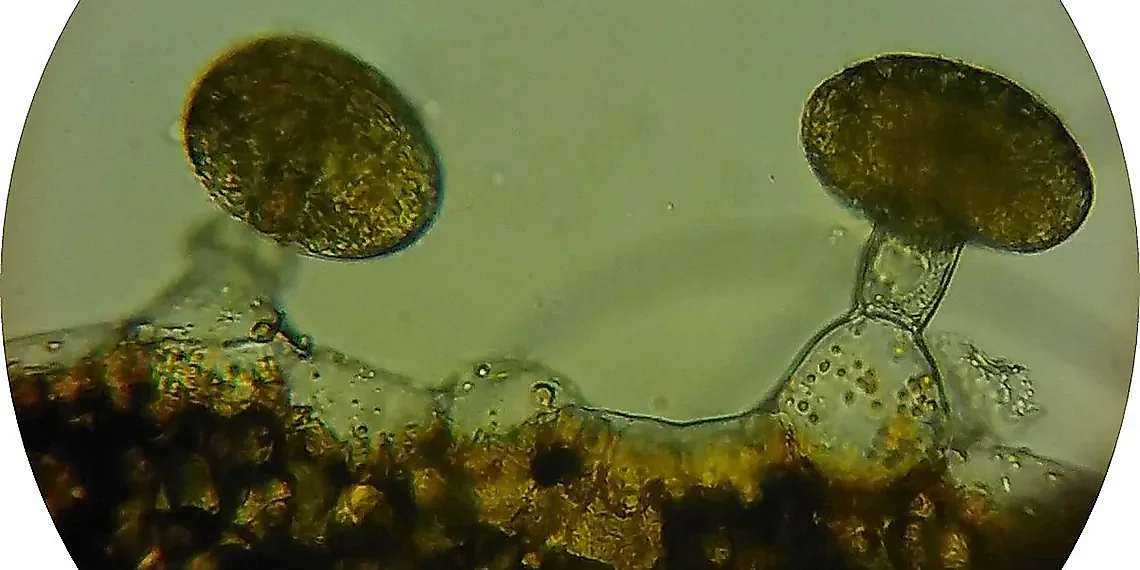
Traditional microscopy techniques, while foundational to biological research, face inherent limitations when attempting to capture the dynamic nature of cellular processes. Standard optical microscopes offer a relatively low resolution, often struggling to discern structures smaller than approximately 200 nanometers. This restricts our ability to observe many crucial molecular interactions and subtle changes occurring within cells at the nanoscale level. Furthermore, light scattering and absorption limit the depth penetration achievable with conventional microscopy, making it challenging to visualize events occurring deep within tissues or cell cultures.
Another significant hurdle is the impact of observation itself on cellular function. The process of preparing a sample for microscopic analysis—including fixation, staining, and illumination—can fundamentally alter the cell’s natural state, potentially masking or distorting the very behaviors researchers are trying to observe. Live-cell imaging offers a solution but introduces further complexities, as the constant illumination can induce stress and affect cellular processes, leading to artificial results that don’t accurately reflect in vivo conditions.
Ultimately, these limitations mean traditional microscopy provides only a static snapshot of cellular activity, failing to capture the temporal dimension crucial for understanding complex biological phenomena. Processes like signal transduction pathways, protein synthesis, and dynamic changes during development unfold over time, and conventional methods are ill-equipped to provide an unbiased record of these events – leaving a significant ‘black box’ in our comprehension of how cells function.
The Need for Unbiased Recording

Traditional methods of observing cellular activity, such as microscopy and fluorescence-based assays, provide snapshots in time but struggle to capture the dynamic nature of biological processes. These techniques often require genetic modification or fluorescent tags that can alter cellular behavior, introducing bias into the results. Consequently, understanding complex phenomena like developmental changes, disease progression, and responses to subtle molecular cues remains a significant challenge for researchers.
The need for an unbiased recording system stems from the limitations of these current approaches. Scientists are seeking tools that can comprehensively capture a cell’s functional output—the RNA molecules being produced—without interfering with its natural processes. Such a system would offer an unprecedented ability to track cellular responses over extended periods, revealing patterns and relationships previously hidden by the inherent constraints of existing methodologies.
By providing a continuous record of RNA activity, these new ‘RNA recording devices’ promise to revolutionize our understanding of cellular dynamics. This capability holds immense potential for deciphering the intricate mechanisms driving development, identifying novel therapeutic targets in disease, and ultimately gaining deeper insights into the fundamental workings of life.
The Innovation: Repurposing Cellular Structures
The quest to understand the dynamic inner workings of cells has long been hampered by the limitations of traditional observation methods like microscopy. While these tools offer glimpses into cellular activity, they often fail to capture the full picture – particularly when it comes to understanding complex developmental processes or how cells respond in real-time to disease triggers and subtle molecular signals. The holy grail for many researchers is a system capable of generating an unbiased record of a cell’s functional output: essentially, a ‘molecular movie’ showing what genes are active and how their activity changes over time.
This breakthrough arrives in the form of RNA recording devices, and remarkably, scientists aren’t building these from scratch. Instead, they’re cleverly repurposing existing cellular structures – specifically intracellular organelles – to serve as platforms for capturing snapshots of RNA activity. These organelles, like vesicles or compartments within the cell, already possess inherent properties that make them ideal candidates for this task. By integrating components that bind and preserve RNA molecules at specific points in time, researchers are effectively transforming these natural cell structures into miniature recording devices.
This approach represents a significant departure from previous attempts to monitor gene expression, which often involve introducing foreign materials or complex machinery into the cell. Utilizing existing organelles minimizes disruption to the cell’s normal function and provides a more native view of its behavior. The inherent spatial organization within these organelles also allows for potentially higher resolution recordings – capturing localized changes in RNA activity that might be missed by bulk measurement techniques. This strategy not only simplifies the recording process but also promises a more accurate and nuanced understanding of cellular dynamics.
The potential implications are vast, ranging from accelerating drug discovery to gaining deeper insights into developmental biology and disease mechanisms. By providing a detailed temporal record of RNA activity, these repurposed organelles could reveal previously hidden patterns and relationships within cells, ultimately leading to new therapeutic targets and improved diagnostics.
Harnessing Intracellular Organelles
A groundbreaking approach in the development of RNA recording devices involves repurposing naturally occurring cellular organelles as platforms for these technologies. Rather than introducing entirely new synthetic components into cells, scientists are increasingly exploring ways to adapt existing intracellular structures like lipid droplets and autophagosomes. Lipid droplets, primarily known for storing fats, possess a robust membrane that can be engineered to display arrays of RNA recording molecules. Similarly, autophagosomes, organelles responsible for cellular waste disposal, offer an internal compartment where RNA activity can be captured without significantly disrupting normal cell function.
This strategy represents a significant departure from previous methods and offers several key advantages. Utilizing existing organelles minimizes the introduction of foreign materials into the cellular environment, reducing potential toxicity or interference with natural processes. The inherent compartmentalization provided by these structures also allows for targeted recording within specific regions of the cell, providing higher resolution insights into localized RNA activity. For example, researchers have successfully attached RNA-recording molecules to lipid droplets in yeast cells to track gene expression changes during stress responses.
The ability to leverage cellular infrastructure not only streamlines device construction but also promises a more biocompatible and physiologically relevant approach to RNA recording. By integrating seamlessly with existing cellular machinery, these devices offer the potential for long-term, high-resolution monitoring of dynamic molecular events within living cells, opening new avenues for understanding complex biological processes and developing targeted therapies.
How It Works: The Mechanics of RNA Recording
RNA recording devices represent a groundbreaking approach to cellular observation, moving beyond fleeting snapshots to provide continuous records of gene activity. The core principle involves genetically engineering cells to produce specialized proteins that bind to RNA molecules – essentially ‘freezing’ them in place at specific moments. Unlike traditional methods that capture only a single point-in-time view, these devices allow researchers to create a dynamic timeline of which genes are active and when.
The process begins with the introduction of engineered “writer” proteins into cells. These writers are designed to react with RNA molecules as they’re being produced by the cell. Once bound, the writer protein triggers a chemical reaction that effectively ‘tags’ or labels the RNA, creating a stable record of its presence. This tagging doesn’t destroy the RNA; it preserves it in a modified form suitable for later retrieval and analysis.
Retrieval of this recorded RNA data is achieved through a second set of engineered proteins – the “readers.” These readers are specifically designed to recognize and extract the tagged RNA molecules from the cell. The extracted RNA can then be sequenced, allowing scientists to reconstruct the complete history of gene expression patterns over time. This approach allows for incredibly detailed analysis, providing insights into cellular processes that were previously inaccessible.
The beauty of RNA recording devices lies in their ability to capture a comprehensive and unbiased view of cellular activity across extended periods. By essentially creating a molecular ‘memory’ within cells, researchers can now unravel complex biological events with unprecedented clarity and precision, opening new avenues for understanding development, disease mechanisms, and the impact of environmental factors on gene expression.
Capturing and Storing RNA Signals
RNA recording devices work by essentially ‘freezing’ snapshots of a cell’s RNA at different points in time. Think of it like taking pictures, but instead of light, we are capturing the molecules involved in gene expression. These devices contain specially designed polymers that bind to RNA molecules as they are being produced within the cell. This binding process effectively ‘locks’ the RNA in place, preventing it from being degraded or lost.
Once captured, this RNA is then stabilized and stored within the polymer matrix. The beauty of this system is its ability to preserve these RNA signals for extended periods – potentially days, weeks, or even longer. Traditional methods often require immediate analysis, limiting the scope of what can be observed; with RNA recording devices, scientists have a library of snapshots they can return to and analyze later.
To retrieve the stored information, researchers use a mild chemical process to release the captured RNA from the polymer. This released RNA can then be analyzed using standard techniques like sequencing, allowing scientists to reconstruct the timeline of gene activity within the cell.
Future Implications: A New Era of Cellular Understanding
The advent of RNA recording devices promises a transformative shift across numerous scientific disciplines, ushering in an era of unprecedented cellular understanding. Currently, researchers are limited by the snapshot-like nature of conventional observation methods; peering into cells with microscopes offers only fleeting glimpses of dynamic processes. This new technology provides a continuous, unbiased record of gene activity – essentially, a ‘molecular movie’ of what’s happening within a cell over time. Imagine being able to track precisely how a developing embryo responds to various signals, or observing the subtle shifts in cellular behavior that precede disease onset; this capability holds immense potential for advancing our knowledge.
The implications for developmental biology are particularly profound. Studying embryonic development has always been challenging due to the rapid and complex series of events unfolding at a microscopic level. RNA recording devices offer the chance to observe these processes in real-time, potentially unlocking secrets about how tissues form, organs develop, and genetic defects arise. Similarly, researchers studying neurodevelopment could use this technology to map the precise timeline of neuronal differentiation and circuit formation – critical information for understanding neurological disorders.
Beyond developmental biology, disease research stands to benefit enormously. In cancer research, for example, these devices could reveal how tumors evade treatment or metastasize by providing a detailed record of gene expression changes over time. This granular level of detail would allow scientists to identify new therapeutic targets and develop more personalized treatments. Moreover, the technology’s ability to capture subtle cellular responses makes it invaluable for understanding complex diseases like Alzheimer’s and Parkinson’s, where early detection and intervention are crucial.
Ultimately, RNA recording devices represent a significant leap forward in our ability to study life at its most fundamental level. The potential applications extend far beyond those mentioned here, encompassing fields such as immunology, toxicology, and even synthetic biology. As the technology matures and becomes more accessible, we can anticipate an explosion of new discoveries that will reshape our understanding of cellular processes and pave the way for innovative therapies.
Applications in Disease Research and Drug Discovery
RNA recording devices hold immense promise for revolutionizing disease research by offering an unprecedented ability to observe cellular activity over extended periods. Traditional methods often provide only snapshots in time, making it difficult to understand the complex temporal dynamics of diseases like cancer. These devices, however, can capture a comprehensive ‘movie’ of RNA activity, revealing how gene expression changes and contributes to tumor development or progression. For example, researchers could use them to track the emergence of drug resistance in cancer cells, identifying specific genetic alterations that drive this process and potentially leading to new therapeutic strategies.
The technology’s ability to monitor cellular responses to stimuli also opens exciting avenues for accelerating drug discovery. Currently, drug screening processes often rely on simplified assays that may not accurately reflect how a drug will behave within the complex environment of a living cell. RNA recording devices can provide a more realistic picture, allowing scientists to assess the effects of potential drugs on gene expression and identify compounds with greater efficacy and fewer side effects. Imagine testing a new Alzheimer’s medication using these devices – researchers could observe its impact on key genes involved in neuronal function and plaque formation, offering far more detailed insights than current methods allow.
Beyond cancer and neurodegenerative diseases, RNA recording devices have the potential to transform research across a wide range of conditions. Studying infectious disease responses, developmental abnormalities, or even autoimmune disorders would benefit greatly from this ability to capture dynamic cellular activity. The sheer volume of data generated by these devices will require sophisticated computational tools for analysis, but the resulting insights into fundamental biological processes are expected to be transformative.

The implications of this advancement are truly transformative, offering a level of cellular insight previously confined to theoretical models.
Researchers can now visualize and analyze dynamic biological processes in real-time, opening doors to understanding complex diseases like cancer and neurodegenerative disorders at a molecular level.
Imagine the possibilities for drug discovery – pinpointing targets with unprecedented accuracy and accelerating the development of personalized therapies.
The advent of RNA recording devices represents a paradigm shift, moving beyond static snapshots to capture the intricate choreography of life within cells, and this technology promises to revolutionize our understanding of fundamental biological processes and disease mechanisms. ”,
Continue reading on ByteTrending:
Discover more tech insights on ByteTrending ByteTrending.
Discover more from ByteTrending
Subscribe to get the latest posts sent to your email.