
The cosmos has always beckoned, whispering promises of discovery and pushing humanity to reach for what lies beyond. We’re on the cusp of a truly monumental moment in that ongoing quest, poised to return humans to lunar orbit for the first time in over fifty years. The ambition is palpable; the engineering marvels are breathtaking; and the global excitement is undeniable as we prepare for a mission unlike any other recent endeavor. A new era of space exploration is dawning, fueled by innovation and driven by an insatiable curiosity.
This isn’t just about revisiting the moon; it’s about establishing a sustainable presence there and ultimately using that knowledge to pave the way for missions even further afield – Mars, perhaps? A critical step in this ambitious plan is the Artemis 2 Mission, which will carry a crew of four astronauts on a ten-day journey around the Moon. This pioneering flight represents a vital test of our systems, procedures, and capabilities before we land humans back on the lunar surface.
Right now, teams across NASA and its international partners are working tirelessly, meticulously checking every system and refining every process to ensure mission success. From the Orion spacecraft’s life support systems to the SLS rocket’s powerful engines, each component is undergoing rigorous scrutiny. The anticipation within the space exploration community is electric as we count down the days to this historic flight, a testament to human ingenuity and our enduring fascination with the universe.
The Road to Launch: A Complex Orchestration
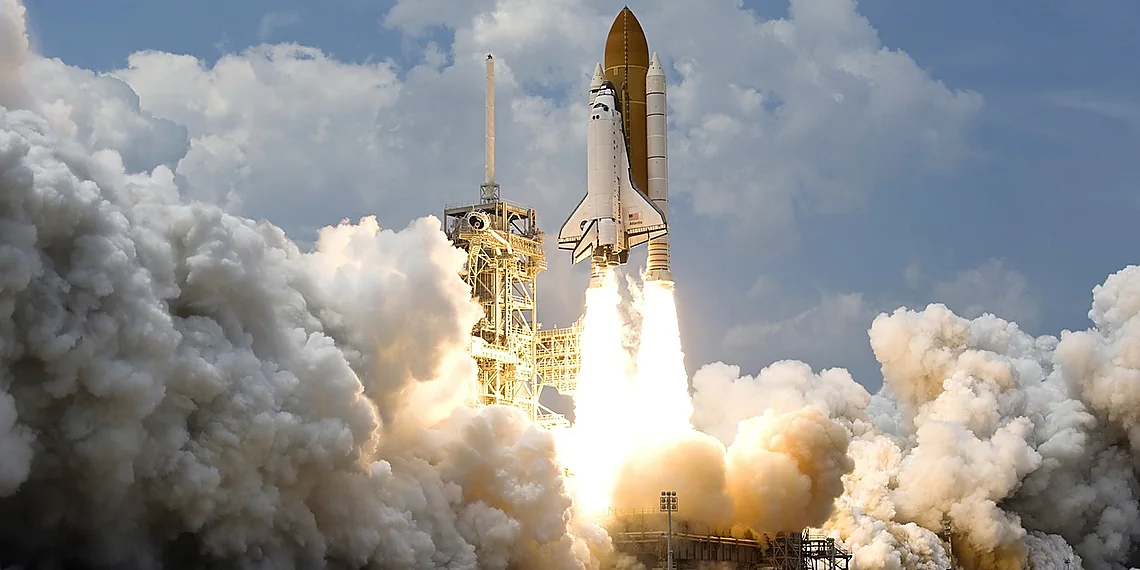
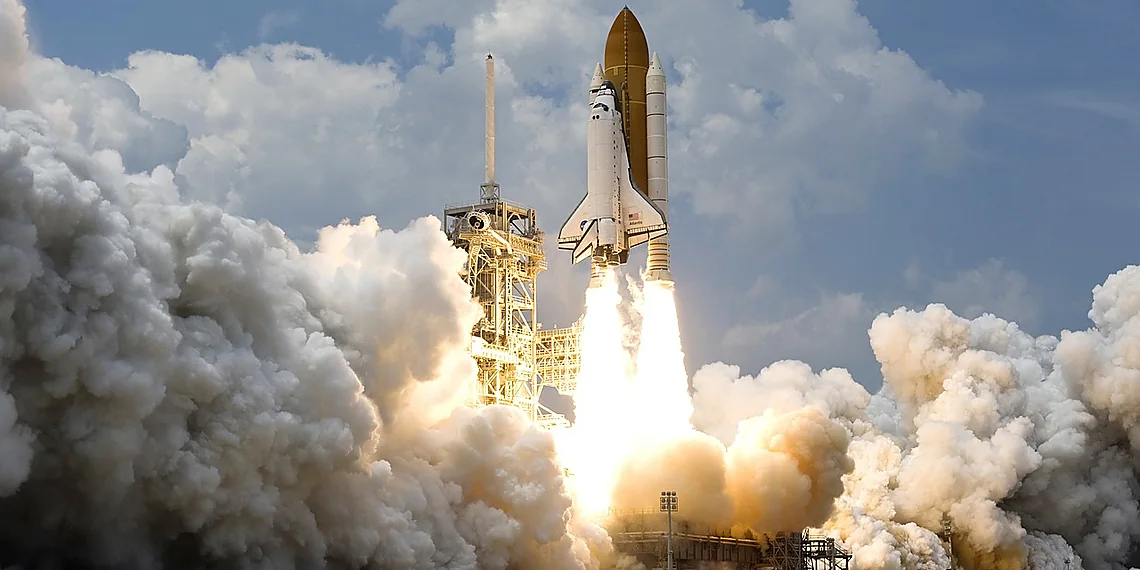
The Artemis 2 Mission’s journey to lunar orbit isn’t just about counting down the days until liftoff; it’s a meticulously choreographed sequence of events demanding precision engineering and relentless logistical coordination. Currently, NASA is preparing for a critical milestone: rolling out the massive Space Launch System (SLS) rocket and Orion spacecraft to Launch Pad 39A at Kennedy Space Center in Florida. This isn’t simply a transport operation; it’s an incredibly complex maneuver involving specialized crawler-transporters and a delicate dance of robotic arms, all designed to position these behemoths for the final stages of preparation.
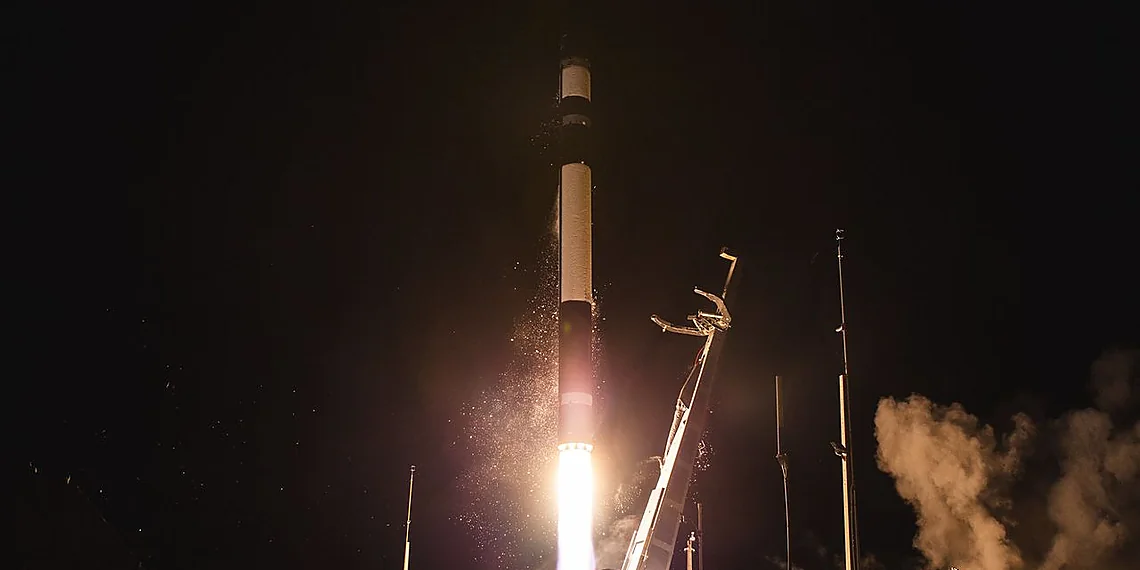

The rollout itself is a significant undertaking. The SLS rocket, standing taller than the Statue of Liberty, weighs millions of pounds and requires immense power to move across the five miles from the Vehicle Assembly Building to the launch pad. Once at the pad, engineers will embark on an intensive period of final integration, testing, and system checks. This includes verifying every connection, subsystem, and component in a simulated launch environment – ensuring everything operates flawlessly under realistic conditions. The process involves countless hours of diagnostics, simulations, and adjustments, often revealing minor issues that need immediate attention.
Beyond the mechanical challenges, logistical hurdles abound. Hundreds of specialists from NASA, its contractors (like Boeing and Lockheed Martin), and supporting agencies are involved in this intricate operation. Coordinating their efforts, managing resources, and maintaining strict safety protocols requires a level of organization rarely seen outside of large-scale military operations. Every bolt tightened, every wire connected, every software update deployed represents a step closer to the Artemis 2 Mission’s ambitious goal: sending astronauts on a flyby around the Moon.
This initial rollout and subsequent pad integration phase are vital for identifying any unforeseen issues before the crew even enters the Orion spacecraft. It’s a crucial opportunity to validate the entire launch sequence, from ignition to ascent, allowing engineers to fine-tune procedures and resolve problems proactively. The success of Artemis 2 hinges not only on the advanced technology involved but also on the meticulous planning and execution of these seemingly mundane – yet absolutely essential – preparatory steps.
SLS Rollout & Pad Integration

The SLS rocket and Orion spacecraft, meticulously assembled inside the Vehicle Integration Facility (VIF) at Kennedy Space Center, will soon undergo a critical rollout to Launch Pad 39A. This isn’t just a simple movement; it’s a carefully choreographed process involving a massive crawler-transporter, a tracked vehicle capable of carrying over 6 million pounds. The journey itself takes approximately 12 hours, traversing roughly four miles across the Florida landscape.
The purpose of this rollout is to transition the integrated SLS and Orion into a launch-ready environment. Once at the pad, teams will perform final integration tasks, including connecting the core stage engines to ground support systems. Extensive testing follows, encompassing everything from propulsion system checks to communications verification and ensuring all flight software functions correctly in a simulated launch scenario.
This period on the pad allows engineers to conduct comprehensive system checks that are impossible to replicate within the confines of the VIF. It’s an opportunity to identify and rectify any last-minute issues and confirm that both the rocket and spacecraft are fully prepared for their mission: carrying astronauts on a trajectory around the Moon.
Testing & Verification: Ensuring Crew Safety
The Artemis 2 Mission isn’t just about sending astronauts around the Moon; it’s about doing so with an unwavering commitment to their safety. This dedication manifests in a relentless cycle of testing and verification, far beyond what might be immediately apparent. As the SLS rocket and Orion spacecraft prepare for their move to the launch pad at Kennedy Space Center, engineers are conducting exhaustive checks on every facet of the system, ensuring reliability under extreme conditions. These aren’t just cursory glances; they’re complex simulations and physical assessments designed to identify and mitigate any potential risks before humans even enter the equation.
Critical systems undergo a battery of tests, each with its own specific protocols and acceptance criteria. Propulsion systems are scrutinized for performance consistency, life support is challenged with simulated environmental stressors, navigation equipment is validated against precise orbital models, and communication links are tested under interference scenarios. Recent assessments have focused on verifying the robustness of Orion’s heat shield – a critical component protecting the crew during re-entry – and adjustments have been made to software algorithms governing flight control based on data gathered from these tests. The goal isn’t just to meet requirements; it’s to exceed them, pushing the boundaries of what’s considered acceptable risk.
Beyond individual system performance, integrated testing is paramount for the Artemis 2 Mission. This involves simulating launch and orbital operations in a controlled environment, observing how different components interact under realistic conditions. These tests often reveal unexpected dependencies or areas where fine-tuning is necessary to optimize overall system performance. The iterative nature of this process – test, analyze, adjust, retest – is fundamental to the program’s philosophy; each cycle brings the team closer to a fully validated and exceptionally safe spacecraft.
The rigorous testing regime surrounding the Artemis 2 Mission demonstrates NASA’s dedication to prioritizing crew safety above all else. While these procedures are demanding and time-consuming, they represent an indispensable investment in ensuring that when astronauts embark on this historic journey around the Moon, they can do so with confidence and a profound assurance of their protection.
Critical Systems Checks

As the Artemis 2 Mission progresses towards launch, engineers are conducting extensive critical systems checks on the SLS rocket and Orion spacecraft. These tests encompass a wide range of functionalities essential for crew safety and mission success. Propulsion system evaluations include hot-fire testing of engines to verify performance under simulated flight conditions, while life support systems undergo rigorous scrutiny to ensure adequate oxygen supply, carbon dioxide removal, and temperature regulation within the Orion capsule. Navigation and communication systems are also being tested through simulated orbital maneuvers and signal transmission exercises.
Recent tests have focused on validating the integrated functionality of the environmental control and life support system (ECLSS), revealing minor adjustments needed to optimize performance during extended missions. Specifically, modifications were made to improve humidity regulation within Orion’s crew module after initial data indicated slightly elevated levels during simulated long-duration flights. These findings, though not critical path issues, demonstrate NASA’s commitment to iterative refinement and proactive problem-solving throughout the testing process.
Furthermore, navigation system checks involve precise alignment of sensors and validation of trajectory calculations using ground-based tracking stations. Communication tests assess signal strength and data transmission rates across various distances and scenarios, including potential interference from solar flares. All test results are meticulously analyzed to identify any discrepancies or areas for improvement before the SLS rocket and Orion spacecraft move to final launch preparations.
The Crew: Meet the Artemis 2 Astronauts
The Artemis 2 Mission isn’t just about a rocket and spacecraft; it’s about the incredible humans entrusted with piloting this historic flight. Meet the crew of four – Reid Wiseman, Victor Glover, Christina Koch, and Jeremy Hansen – each bringing a wealth of experience and expertise to what will be a pivotal moment in space exploration. This team represents a diverse range of backgrounds and skillsets, crucial for navigating the challenges of a lunar flyby and paving the way for future Artemis missions.
Commander Reid Wiseman is back where he belongs, returning to NASA after previously serving as a test pilot and astronaut on the International Space Station. As commander, Wiseman will be responsible for overall mission success, ensuring crew safety, and guiding the team through critical phases of flight. Alongside him is Pilot Victor Glover, an accomplished fighter pilot and engineer who also logged significant time aboard the ISS. Glover’s role involves piloting Orion during key maneuvers and contributing to scientific observations throughout the mission.
Mission Specialists Christina Koch and Jeremy Hansen round out this exceptional crew. Koch, a veteran astronaut with extensive experience in space station operations, will focus on conducting experiments and monitoring spacecraft systems. Her expertise is invaluable for assessing the performance of life support equipment and other essential technologies during the Artemis 2 Mission. Finally, Canadian Space Agency astronaut Jeremy Hansen serves as the mission specialist, responsible for operating robotic systems and contributing to navigation tasks – a vital role in ensuring precise trajectory control during the lunar flyby.
Together, these four astronauts embody NASA’s commitment to pushing the boundaries of human spaceflight. Their combined experience and carefully defined roles will be instrumental in the success of Artemis 2, marking a significant step towards establishing a sustainable presence on the Moon and beyond.
Profiles & Mission Responsibilities
The Artemis 2 crew comprises a diverse group of highly experienced astronauts, each bringing unique skills to this historic lunar flyby mission. Commander Reid Wiseman, a former Navy test pilot and NASA astronaut with previous spaceflight experience on the International Space Station, will lead the team. As commander, Wiseman is ultimately responsible for the safety and success of the mission, overseeing all aspects of flight operations and crew performance.
Pilot Victor Glover, also an accomplished Navy aviator and ISS veteran, holds a crucial role in spacecraft operation and navigation during Artemis 2. His expertise will be vital as he assists Commander Wiseman in piloting Orion through its lunar orbit trajectory and managing critical systems. Christina Koch, a mission specialist and renowned physicist, served as the first woman to spend more than 280 days in space aboard the ISS. During the Artemis 2 mission, she’ll focus on scientific observations and data collection related to the lunar environment.
Rounding out the crew is Jeremy Hansen, a Canadian Space Agency astronaut serving as another mission specialist. Hansen will be responsible for operating various onboard systems and conducting experiments during the flight. His background in piloting and engineering makes him instrumental in ensuring the smooth execution of all planned activities while orbiting the Moon – a critical step towards future lunar landings.
What’s Next: Timeline & Future Artemis Missions
The excitement surrounding the Artemis 2 Mission is building as we approach key milestones in the lead-up to launch. Currently, NASA anticipates a launch window for Artemis 2 opening in September 2025. This timeline includes crucial steps such as rolling the SLS rocket and Orion spacecraft out to the launch pad at Kennedy Space Center for final integration, testing, and preparations. While delays are always possible with complex missions like this, the team is working diligently to stay on track and ensure a safe and successful flight. The Artemis 2 mission itself will send four astronauts – Reid Wiseman, Victor Glover, Christina Koch, and Jeremy Hansen – on a ten-day journey around the Moon, marking humanity’s return to lunar orbit for the first time since Apollo 17 in 1972.
Looking beyond Artemis 2, the program’s ambitions extend even further. The subsequent mission, Artemis 3, is currently slated to land astronauts back on the lunar surface near the Moon’s South Pole. This ambitious goal, expected around late 2026 or 2027, will represent a significant technological and logistical undertaking, involving not only NASA but also commercial partners like SpaceX who are developing the Human Landing System (HLS) Starship for this purpose. The return to the Moon isn’t just about revisiting; it’s about establishing a sustainable presence and paving the way for future missions to Mars.
The overarching goals of the Artemis program aren’t solely focused on lunar exploration. It represents a broader effort to expand human presence in deep space, develop new technologies, inspire a new generation of scientists and engineers, and foster international collaboration. The lessons learned from Artemis 2, particularly regarding crewed flight beyond low Earth orbit, will be invaluable for future missions deeper into our solar system. Furthermore, the program aims to establish a lunar base camp, allowing for long-duration research and resource utilization on the Moon.
Ultimately, the Artemis Program is about more than just returning humans to the Moon; it’s about building a foundation for sustained space exploration and pushing the boundaries of human knowledge and capability. The success of the Artemis 2 Mission will be a critical step in realizing this vision, providing invaluable data and experience that will shape the future of humanity’s journey beyond Earth.
Launch Date Expectations & Beyond
Currently, NASA is targeting a launch date for the Artemis 2 mission between September and December 2024. This timeline includes several crucial milestones ahead, including rolling the Space Launch System (SLS) rocket and Orion spacecraft to the launch pad at Kennedy Space Center in Florida for final integration and testing. While this represents significant progress, any delays encountered during these final preparations could shift the launch window.
Artemis 2 will carry a crew of four astronauts – Reid Wiseman, Victor Glover, Christina Koch, and Jeremy Hansen – on a trajectory around the Moon and back to Earth. This uncrewed test flight serves as a vital precursor to future missions aimed at returning humans to the lunar surface. The mission’s primary objective is to demonstrate Orion’s life support systems and validate procedures for crewed deep space flights.
Following Artemis 2, the focus will shift to Artemis 3, currently slated for no earlier than September 2026. This ambitious mission aims to land astronauts near the lunar south pole, marking the first time humans have walked on the Moon since Apollo 17 in 1972. Artemis 3 will also deploy scientific instruments and establish a foundation for long-term lunar exploration.
The journey back to the Moon isn’t just a return; it’s a bold leap into a future brimming with possibilities, and the Artemis 2 Mission stands as a pivotal moment in that narrative.
Witnessing humanity venture beyond Earth orbit again evokes a profound sense of wonder, reminding us of our innate drive to explore and discover what lies beyond the familiar.
The meticulous planning, innovative technology, and unwavering dedication showcased by teams across NASA and its partners are truly inspiring, signaling a new era of international collaboration in space.
We’ve only scratched the surface of understanding lunar resources and potential scientific breakthroughs; Artemis 2 Mission’s success paves the way for sustained human presence on and around the Moon, fueling even grander ambitions further down the line – perhaps Mars, and beyond that, the stars themselves. The possibilities are genuinely limitless, and this mission represents a crucial step towards realizing them. It’s more than just sending humans to orbit; it’s about building a foundation for generations of explorers and innovators to come. The future is bright, and it’s being written in the skies above us right now. Let’s continue to celebrate these monumental achievements together as we look forward to what comes next for space exploration. Stay tuned – this is just the beginning! To ensure you don’t miss a single update or breathtaking moment leading up to launch and beyond, be sure to follow NASA’s official social media channels; they’ll provide exclusive behind-the-scenes content and live coverage you won’t want to miss.
Continue reading on ByteTrending:
Discover more tech insights on ByteTrending ByteTrending.
Discover more from ByteTrending
Subscribe to get the latest posts sent to your email.