
The Artemis 2 Mission: A Recap
The Artemis program represents a monumental leap forward in space exploration, aiming to establish a sustainable human presence on the Moon and eventually pave the way for missions to Mars. At its core, Artemis is built upon lessons learned from the Apollo era, but incorporates cutting-edge technology and an expanded international partnership. The overarching goal isn’t just a return to the lunar surface; it’s about creating a long-term infrastructure – including a lunar orbiting space station called Gateway – that will serve as a springboard for deeper space exploration.
Artemis 2 marks a crucial step in this ambitious endeavor. This mission, slated to launch around February 6th (though subject to change), is designed to be a crewed flyby of the Moon and its return to Earth. Unlike previous uncrewed Artemis missions which focused on lunar orbit insertion and testing systems, Artemis 2 will carry four astronauts – Reid Wiseman, Victor Glover, Christina Koch, and Jeremy Hansen – into lunar orbit, bringing humans closer to the Moon than they’ve been since Apollo 17 in 1972.
The significance of this ‘dress rehearsal’ mission cannot be overstated. Artemis 2 will rigorously test the Orion spacecraft’s life support systems and heat shield during a simulated lunar landing profile, ensuring the safety and reliability of these critical components for future missions that *will* land astronauts on the Moon’s surface. It also provides invaluable data on crew performance in deep space conditions, informing operational procedures and astronaut training.
Essentially, Artemis 2 is about validating our ability to safely transport humans beyond Earth orbit and around the Moon before we commit to a lunar landing with Artemis 3. The success of this mission is vital for building confidence in the entire program and demonstrating that NASA’s vision – and its ambitious timeline – can be realized.
Objectives and Crew

The Artemis 2 mission represents a critical step in NASA’s return to lunar exploration, building upon the uncrewed Artemis 1 flight. Its primary objective is a crewed flyby of the Moon and its eventual safe return to Earth. Unlike previous missions that focused on landing astronauts on the lunar surface, Artemis 2 will orbit the Moon, reaching a distance of approximately 280,000 miles from Earth before returning. This demonstration validates Orion’s life support systems for extended deep space missions and prepares for future crewed landings.
The mission’s objectives extend beyond simply orbiting the Moon. It serves as a crucial test of operational capabilities, including navigation, communication, and emergency procedures in lunar orbit. Data collected during this flight will be vital for refining plans and technologies needed to support sustained lunar presence and eventual missions to Mars. The success of Artemis 2 is paramount to ensuring the safety and viability of subsequent Artemis missions.
The crew of Artemis 2 consists of four highly experienced astronauts: Commander Reid Wiseman, Pilot Victor Glover, Mission Specialist Christina Koch, and Mission Specialist Jeremy Hansen (from the Canadian Space Agency). Their selection reflects a commitment to diversity in space exploration and leverages their combined expertise across various fields including engineering, geology, and flight operations. They will be instrumental in executing the mission’s objectives and providing valuable feedback for future Artemis endeavors.
Transportation & Platform Arrival
The journey of the SLS Orion rocket to its launch platform is a monumental logistical undertaking, far more complex than simply driving a vehicle into place. Following its departure from the Vehicle Assembly Building (VAB), the fully stacked rocket and spacecraft will embark on a slow but deliberate crawl atop NASA’s massive Crawler-Transporter 2 (affectionately known as ‘Crawler’). This behemoth, weighing nearly 3 million pounds itself, moves at a glacial pace – typically around one mile per hour – across a precisely engineered route to Launchpad 39A. The entire process is meticulously planned and choreographed, accounting for potential weather delays and requiring constant monitoring of the rocket’s structural integrity.
Positioning the SLS Orion on the launchpad isn’t a straightforward maneuver either. Once at the pad, the Crawler must precisely align with the launch mount before hydraulic lifts raise the rocket to its upright position. This requires incredible accuracy; even slight misalignments can necessitate adjustments and delays. The entire process of raising the rocket and securing it to the launch mount takes several hours, demanding constant communication between engineers monitoring systems both on the rocket and the Crawler. The complexity is amplified by the sheer scale – we’re talking about a vehicle over 300 feet tall and weighing nearly 6 million pounds.
One of the biggest challenges during this transportation phase lies in managing potential environmental factors. High winds, lightning strikes, or even unexpected equipment malfunctions can force temporary pauses to ensure safety. The Crawler’s extensive sensor suite constantly monitors conditions, feeding data back to mission control for real-time assessment. While NASA aims to move the rocket on January 17th, any unforeseen complications could necessitate adjustments to the schedule, underscoring the delicate dance of precision and contingency planning inherent in preparing for an Artemis 2 Launch.
The successful transportation and platform arrival is a critical precursor to all subsequent launch preparations. It’s not just about getting the rocket where it needs to be; it’s about ensuring its stability, integrity, and readiness for the final countdown sequence that will ultimately propel the Orion spacecraft towards the Moon. This stage highlights the incredible engineering and coordination required to execute such an ambitious mission as Artemis 2.
The Move to Launchpad 39A

The journey of the SLS Orion rocket for the Artemis 2 Launch isn’t a simple rollout; it’s a carefully orchestrated procession involving NASA’s massive Crawler-Transporter (CT). The integrated rocket and spacecraft, standing over 300 feet tall and weighing nearly six million pounds, will be moved from the Vehicle Assembly Building (VAB) to Launchpad 39A on January 17th. This transit covers roughly five miles and takes approximately 12 hours due to the CT’s relatively slow speed of around one mile per hour.
The Crawler-Transporter itself is a marvel of engineering, but also presents its own set of challenges. Its hydraulics are complex and require meticulous monitoring during the move to prevent system failures. Precise positioning on Launchpad 39A is critical; errors could damage both the pad infrastructure and the rocket. The process involves delicate adjustments using the CT’s steering capabilities and a sophisticated laser guidance system, ensuring the SLS Orion aligns perfectly with the launch mount’s arms.
Weather conditions are a significant factor influencing this transportation schedule. Rain, high winds, or even lightning strikes can trigger delays to ensure safety. While NASA aims for the February 6th Artemis 2 Launch date, unforeseen issues during the move and subsequent pad preparations could push back the timeline. Teams are working diligently to mitigate potential risks and maintain momentum towards a successful launch.
Launch Date & Potential Factors
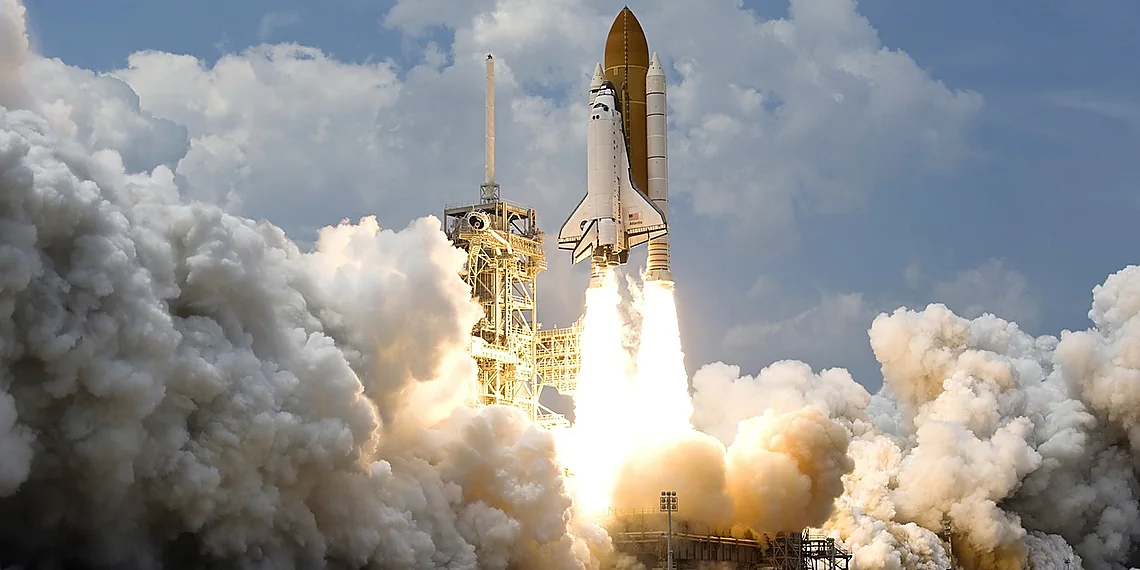
The eagerly anticipated Artemis 2 Launch currently holds a tentative target date of February 6th, but achieving this milestone is far from guaranteed. NASA’s recent movement of the SLS/Orion rocket to the launch pad on January 17th marks a significant step forward in the preparation process, signaling progress towards that potential launch window. However, space exploration is inherently complex and subject to numerous variables that could easily push back the timeline.
Several factors stand as potential roadblocks to a February 6th Artemis 2 Launch. Weather conditions at Kennedy Space Center are paramount; any significant storms or unfavorable atmospheric patterns during the planned launch period would necessitate a postponement. Beyond weather, technical issues – which can arise even with extensive testing and rigorous checks – remain a possibility. The SLS rocket itself is a complex machine, and any anomaly detected in its systems or those of the Orion spacecraft could trigger delays to ensure crew safety.
NASA has built in contingency plans to address these potential setbacks. Multiple launch windows are typically available, providing flexibility if unforeseen circumstances arise. These backup dates allow for adjustments based on weather forecasts, technical evaluations, and other considerations. While a delay is certainly possible, the agency’s commitment to meticulous planning aims to minimize disruptions and keep the Artemis 2 Launch progressing towards its ultimate goal: sending astronauts around the Moon.
Ultimately, the February 6th date represents an ambitious target for the Artemis 2 Launch. It’s a benchmark against which progress will be measured, but it’s crucial to understand that the safety of the crew and the success of the mission remain the top priorities. Continued monitoring of weather patterns, thorough technical reviews, and ongoing adjustments to the schedule are all integral parts of ensuring this historic journey proceeds as smoothly as possible.
February 6th: Target vs. Reality
The initial target for the Artemis 2 Launch was set for February 6th, a date eagerly anticipated by space enthusiasts worldwide. However, achieving this ambitious timeline is contingent upon several factors beyond NASA’s direct control. Primary among these are weather conditions at Kennedy Space Center in Florida; historically, the region experiences frequent thunderstorms and hurricane seasons which can easily delay launch operations. Furthermore, any unforeseen technical issues discovered during final pre-flight checks of the SLS rocket or Orion spacecraft could necessitate postponements to ensure crew safety.
To mitigate potential delays, NASA has built flexibility into the Artemis 2 Launch schedule. Several backup launch windows are available, though these come with trade-offs related to orbital mechanics and mission objectives. A slip beyond February 6th would require recalculating trajectories and potentially adjusting the overall mission profile, which could impact planned crew activities around the Moon. The transportation of the SLS/Orion stack to the launch pad on January 17th is a critical milestone, but any issues encountered during this movement or subsequent preparations will also directly influence the feasibility of the February 6th target.
While NASA remains optimistic about launching Artemis 2 in early February, acknowledging and proactively addressing these potential risks is paramount. The agency has extensive contingency plans involving rigorous testing, detailed weather monitoring, and a dedicated team ready to respond swiftly to any technical anomalies. Ultimately, prioritizing crew safety and mission success necessitates a willingness to adjust the launch date if necessary, even if it means pushing back the Artemis 2 Launch beyond the initially targeted timeframe.
Looking Ahead: Artemis Program
The recent movement of the SLS/Orion rocket for the Artemis 2 mission signifies a pivotal moment not just for this specific launch, but for NASA’s ambitious long-term vision. The Artemis program isn’t solely about returning humans to the Moon; it represents a foundational step toward establishing a sustained lunar presence and ultimately paving the way for crewed missions to Mars. Artemis 2 is crucial as it will be a crewed flight test, proving out critical systems and procedures in deep space before more complex missions take place.
Artemis 2’s significance lies in its role as a dress rehearsal. It will carry a crew of four astronauts around the Moon and back, gathering vital data on Orion’s life support systems, radiation shielding, and overall performance in a lunar orbit – all essential learnings for future missions. Following Artemis 2, Artemis 3 aims to land humans near the lunar south pole, establishing a base camp for scientific exploration and resource utilization. This groundwork will be instrumental in learning how to live and work on another celestial body.
Looking further ahead, NASA anticipates Artemis 4, which will focus on expanding the capabilities of the Lunar Gateway – a planned space station orbiting the Moon. The Gateway will serve as a staging point for lunar surface missions and future deep-space exploration. Ultimately, the knowledge gained through these early Artemis missions—from resource extraction to habitat construction—will directly inform NASA’s plans for sending humans on a journey to Mars in the late 2030s or early 2040s. The Artemis 2 Launch is therefore far more than just a lunar mission; it’s an integral part of humanity’s next giant leap.
Beyond Artemis 2
The Artemis 2 mission, currently slated for a February 6, 2026 launch, represents a crucial stepping stone in NASA’s ambitious long-term vision. While it won’t land astronauts on the Moon, this crewed flyby will test Orion’s life support systems and validate procedures necessary for future lunar surface missions. Successfully completing Artemis 2 demonstrates that Orion can safely carry humans beyond low Earth orbit, a capability vital for establishing a sustained presence around and on the Moon.
NASA’s ultimate goal extends far beyond lunar exploration; it aims to leverage experiences and technologies developed during Artemis to prepare for human missions to Mars. The lessons learned regarding radiation shielding, in-space resource utilization (like extracting water ice from the lunar surface), and long-duration spaceflight will be invaluable in planning and executing a crewed Martian expedition. Artemis serves as an extended proving ground, refining these techniques before undertaking the significantly more challenging journey to Mars.
Following Artemis 2, Artemis 3 is planned for late 2026 (although this date may shift), aiming to return humans to the lunar surface near the Moon’s South Pole. Subsequent missions will focus on building a permanent lunar base – Gateway – and establishing sustainable infrastructure for scientific research and resource utilization, all contributing to the eventual human exploration of Mars.
The journey to return humans to the Moon is undeniably complex, demanding incredible precision and innovation from countless engineers and scientists.
We’ve covered a significant portion of the Artemis 2 Timeline, highlighting the critical milestones leading up to this monumental endeavor – from spacecraft testing to crew training and launch preparations.
The anticipation surrounding the Artemis 2 Launch is palpable; it represents not just a return to lunar exploration but also a leap toward establishing a sustainable presence beyond Earth.
Each stage we’ve explored underscores the dedication required to push the boundaries of space travel and inspire future generations of explorers and innovators, ensuring this mission’s success is a global achievement for all humankind. The intricate planning and rigorous testing demonstrate how far we’ve come in realizing this ambitious goal – bringing astronauts closer than ever before to orbiting the Moon again. This isn’t just about reaching for the stars; it’s about building a future amongst them, one carefully planned step at a time. We’re on the cusp of witnessing history unfold, and understanding these key dates truly amplifies that excitement. The precision involved in every aspect is breathtaking, from trajectory calculations to life support systems, all working in harmony for what promises to be an unforgettable mission. The Artemis 2 Launch signifies a pivotal moment in space exploration; it’s more than just a launch date – it’s a promise of discovery and expansion. Don’t miss out on the next chapter of this incredible story! Stay tuned with ByteTrending for continuous updates, expert analysis, and behind-the-scenes insights as we approach this landmark event.
Continue reading on ByteTrending:
Discover more tech insights on ByteTrending ByteTrending.
Discover more from ByteTrending
Subscribe to get the latest posts sent to your email.