



The world is facing a silent crisis, one that threatens to undo decades of medical progress: antibiotic resistance. Bacteria are evolving at an alarming rate, rendering once-reliable treatments ineffective and pushing us toward a future where common infections could become life-threatening again. This isn’t hyperbole; it’s the stark reality highlighted by global health organizations, demanding immediate action on multiple fronts.
Historically, identifying the specific pathogen causing an infection and determining its susceptibility to different antibiotics has been a frustratingly slow process. Traditional lab cultures often take days – sometimes up to 72 hours or more – before results are available, forcing doctors to prescribe broad-spectrum antibiotics as a precautionary measure. This widespread use of multiple drugs fuels resistance itself, creating a vicious cycle that we desperately need to break.
But what if we could dramatically shorten that diagnostic window? Imagine pinpointing the culprit bacteria and its drug sensitivities in a matter of hours, or even minutes. Emerging technologies are making this vision a reality, ushering in an era of precision medicine powered by rapid diagnostics. These innovative systems promise to revolutionize infection management, offering clinicians the ability to tailor treatment plans effectively and combat resistance head-on.
The Problem with Current Diagnostics
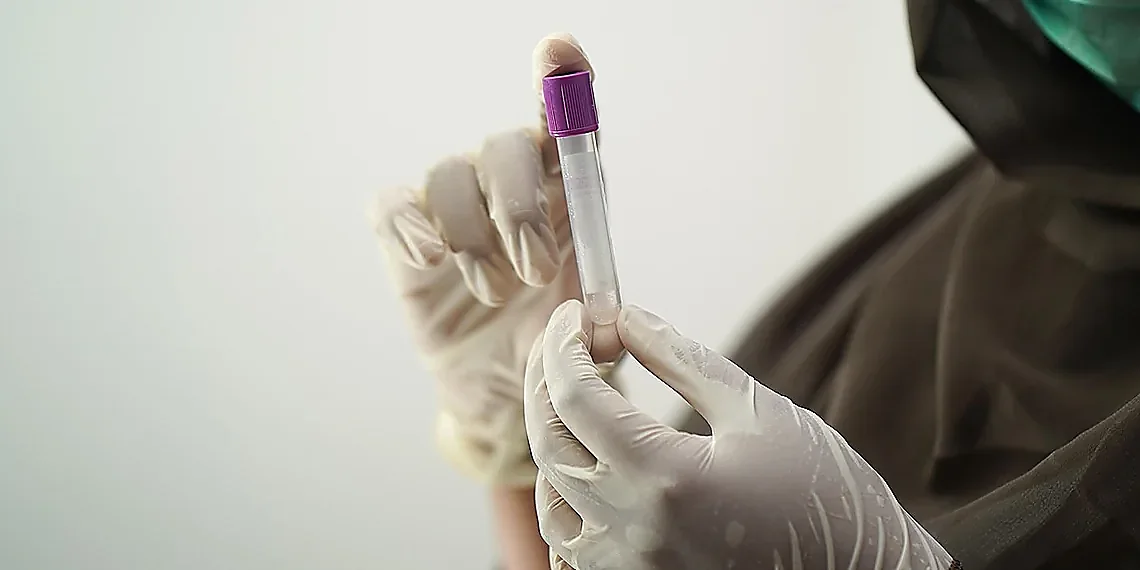
Traditional methods for diagnosing microbial infections, like bacterial or fungal diseases, are notoriously slow. Culturing bacteria from samples – a process that’s been standard practice for over a century – can take anywhere from 24 to 72 hours, and sometimes even longer depending on the organism involved. This lengthy turnaround time creates significant challenges in patient care; clinicians often have to make treatment decisions based on educated guesses while awaiting definitive results.
The consequences of these delays are substantial. Facing uncertainty, doctors frequently prescribe broad-spectrum antibiotics – powerful drugs designed to target a wide range of potential pathogens. While this approach might prevent the worst outcomes initially, it also contributes significantly to the escalating problem of antibiotic resistance. Each unnecessary dose of an antibiotic increases the likelihood that bacteria will evolve mechanisms to evade its effects, creating ‘superbugs’ that are increasingly difficult, and sometimes impossible, to treat.
Beyond fueling resistance, delayed diagnosis directly impacts patient outcomes. Untreated or inappropriately treated infections can lead to longer hospital stays, increased morbidity (illness), and even mortality. The financial burden on healthcare systems is also considerable; prolonged hospitalizations and the need for more complex treatments drive up costs significantly. A faster path to accurate diagnosis represents a crucial step towards optimizing patient care and curbing rising healthcare expenditures.
Ultimately, the current diagnostic landscape highlights a critical vulnerability in our ability to effectively combat infectious diseases. The time-consuming nature of traditional methods not only compromises treatment efficacy but also actively contributes to the growing crisis of antibiotic resistance – a problem that demands innovative solutions.
Why Time is Critical in Infection Treatment

Traditional methods for diagnosing bacterial or fungal infections, such as culturing samples in a laboratory, can take days to yield results. This significant delay often forces clinicians to initiate treatment with broad-spectrum antibiotics – powerful drugs that target a wide range of potential pathogens – even before the specific causative agent is identified. While intended to address the immediate threat, this practice carries substantial risks and contributes significantly to the growing problem of antibiotic resistance.
The inappropriate use of broad-spectrum antibiotics, driven by diagnostic delays, fuels antimicrobial resistance because these drugs can kill beneficial bacteria alongside targeted pathogens, creating an environment where resistant strains thrive and proliferate. This leads to infections that are harder, or even impossible, to treat with standard therapies, increasing the need for more expensive and potentially toxic alternatives. Furthermore, delayed or incorrect treatment based on initial assumptions worsens patient outcomes, prolonging illness, increasing hospitalization times, and raising mortality rates.
Beyond the direct impact on patient health, diagnostic delays and subsequent broad-spectrum antibiotic use place a considerable burden on healthcare systems. The increased length of hospital stays, the need for more specialized care to manage resistant infections, and the costs associated with developing new antibiotics all contribute to escalating healthcare expenditures. Accurate and rapid diagnostics offer a crucial pathway to reversing these trends by enabling targeted therapies and minimizing unnecessary antibiotic exposure.
Introducing the New Rapid Diagnostic System
The fight against antibiotic resistance is intensifying, and a groundbreaking diagnostic system promises to be a crucial tool in this battle. Introducing a new rapid diagnostics platform that dramatically reduces the time required for microbial infection diagnosis – traditionally a process spanning days – to mere minutes. This isn’t just an incremental improvement; it represents a paradigm shift in how we identify pathogens and tailor treatment strategies, potentially saving lives and curbing the spread of resistant strains.
At the heart of this innovation lies a sophisticated combination of microfluidics and advanced optical sensing. Traditional diagnostic methods, like culturing bacteria, rely on observing microbial growth – a slow process inherently limited by bacterial reproduction rates. This new system bypasses that limitation. A tiny sample (blood, urine, or other bodily fluid) is passed through a network of microscopic channels where specific biomarkers associated with different pathogens are targeted and captured using specially designed antibodies. These interactions trigger changes in light refraction, which are then detected and analyzed.
What sets this rapid diagnostics system apart is its ability to perform incredibly sensitive detection coupled with a streamlined data analysis pipeline. The optical signals generated during the biomarker capture process are extremely subtle; therefore, advanced algorithms – incorporating elements of machine learning – are employed to filter out background noise and accurately identify the presence and type of pathogen. This AI/ML component isn’t involved in *designing* the antibodies or core sensing mechanism but plays a vital role in extracting meaningful information from the complex data produced, ensuring reliable results even with low pathogen loads.
The speed and accuracy offered by this rapid diagnostics system have significant implications for patient care. Faster diagnosis allows clinicians to initiate targeted therapies sooner, minimizing the risk of broad-spectrum antibiotic use (a major driver of resistance) and reducing hospital stays. Furthermore, the ability to quickly identify resistant strains enables personalized treatment plans that maximize efficacy while minimizing adverse effects – a critical step in turning the tide against antimicrobial resistance.
How It Works: A Technical Overview
Traditional methods for identifying bacterial or fungal infections often rely on culturing microorganisms in a lab – a process that can take 24 to 72 hours, delaying crucial treatment decisions. This new rapid diagnostic system bypasses this lengthy cultivation step by directly analyzing samples like blood or tissue. The core principle involves using specially designed microchips with millions of tiny sensors. These sensors are coated with antibodies that bind to specific markers found on the surface of different pathogens. When a pathogen is present, it binds to its corresponding sensor, triggering an electrical signal.
What sets this system apart is its ability to detect these signals in real-time and differentiate between various types of infections based on subtle variations in the patterns generated. Unlike older rapid tests that often provide limited information, this approach can identify a wider range of pathogens with greater accuracy. The microchips are designed to be highly sensitive, capable of detecting even very small amounts of microbial material – meaning earlier diagnosis is possible.
A key component accelerating analysis and improving accuracy involves machine learning algorithms. After the sensors generate data patterns, AI models trained on extensive datasets analyze these signals, automatically classifying the type of infection present. This eliminates subjective interpretation by human analysts, reduces errors, and further speeds up the diagnostic process—often delivering results within minutes.
Impact and Potential Applications
The arrival of rapid diagnostics promises a transformative shift in patient care, particularly when confronting microbial infections. Traditionally, identifying the specific pathogen causing an illness could take days, requiring broad-spectrum antibiotics to be administered as a precaution. This delay not only prolongs suffering but also significantly increases the risk of complications and contributes to the alarming rise of antibiotic resistance. Rapid diagnostics, by slashing that diagnostic timeframe to minutes, allows clinicians to prescribe targeted therapies much sooner, leading to improved patient outcomes, reduced hospital stays, and ultimately, enhanced quality of life.
The potential impact extends far beyond simply speeding up diagnosis; it offers a powerful tool for curbing unnecessary antibiotic use – a critical factor in combating resistance. With precise pathogen identification available quickly, physicians can avoid the ‘shotgun’ approach of broad-spectrum antibiotics and instead prescribe medications tailored to the specific infection. This precision reduces selective pressure on bacteria, hindering the development of new resistant strains and preserving the effectiveness of existing antibiotics for future generations. The ability to confidently rule out bacterial infections when viral causes are suspected also prevents inappropriate antibiotic prescriptions.
Beyond the walls of hospitals, rapid diagnostics hold immense promise for expanding access to quality healthcare in resource-limited settings. Traditional laboratory infrastructure is often lacking in remote or underserved communities, hindering timely diagnoses and treatment. Point-of-care testing, enabled by these portable and user-friendly diagnostic tools, can bring accurate results directly to patients’ bedsides – whether in rural clinics, mobile health units, or even at home. This accessibility has the potential to revolutionize infectious disease management globally.
Furthermore, the versatility of rapid diagnostics makes them adaptable to a wide range of applications. From identifying respiratory viruses during flu season to quickly diagnosing bloodstream infections in intensive care units, these technologies are proving invaluable across various clinical settings. As research continues and costs decrease, we can expect to see even broader adoption of rapid diagnostics, fundamentally changing how we approach infectious disease management and contributing significantly to the fight against antibiotic resistance.
Beyond the Hospital: Expanding Access to Diagnostics
The promise of rapid diagnostics extends far beyond the walls of hospitals and centralized laboratories. In remote or underserved communities, where access to traditional lab infrastructure is often limited or nonexistent, these technologies offer a transformative solution for infection diagnosis. Historically, patients in such areas have faced significant delays in receiving accurate diagnoses, hindering timely treatment and contributing to poorer health outcomes. Rapid diagnostics, particularly those suitable for point-of-care testing (POCT), can bridge this gap by bringing diagnostic capabilities directly to the patient’s location.
Point-of-care testing utilizing rapid diagnostic tools empowers healthcare providers – including nurses, paramedics, and community health workers – to perform tests near or at the site of care. This eliminates the need for sample transport, which is often a bottleneck in resource-constrained settings. Imagine a rural clinic equipped with a device that can rapidly identify bacterial or viral infections; this allows for immediate treatment decisions, reduces the risk of misdiagnosis and inappropriate antibiotic prescriptions, and ultimately improves patient management.
Furthermore, the deployment of rapid diagnostics in these areas has the potential to significantly reduce unnecessary antibiotic use. Misdiagnoses often lead to broad-spectrum antibiotics being prescribed empirically, contributing to the rise of antimicrobial resistance. With faster, more accurate results available at the point of care, clinicians can tailor treatment plans specifically to the identified pathogen, minimizing exposure to unnecessary medications and preserving the effectiveness of vital antibiotics for future generations.
The Future of Infection Diagnosis
The advent of ‘rapid diagnostics’ represents a monumental shift in how we approach infection management, promising to reshape the landscape of healthcare as we know it. Historically, identifying the specific pathogen causing an infection and its resistance profile has been a lengthy process, often taking days – during which time patients receive broad-spectrum antibiotics that can contribute to further antimicrobial resistance. This new technology, shrinking diagnostic timelines from days to mere minutes, offers a critical opportunity to drastically reduce inappropriate antibiotic use, improve patient outcomes, and ultimately slow the rise of drug-resistant organisms. The implications extend far beyond individual patient care; it’s about safeguarding public health on a global scale.
Looking ahead, the integration of rapid diagnostics with personalized medicine holds immense potential. Imagine a future where treatment plans are tailored not just to the symptoms but also to the precise pathogen causing illness and its specific resistance mechanisms – all determined within minutes of initial assessment. This level of precision could significantly improve efficacy while minimizing unnecessary exposure to antibiotics for both the patient and the broader community. Furthermore, research is beginning to explore ‘predictive diagnostics,’ where biomarkers identified through rapid testing can anticipate future infection risk or even predict the development of resistance before it manifests clinically.
The next steps in research and development will likely focus on expanding the range of pathogens detectable by these systems and improving their portability for use in resource-limited settings. Miniaturization and integration with AI/ML algorithms will be crucial for automating analysis and interpretation, making the technology accessible to a wider range of healthcare professionals. Developing point-of-care solutions that can provide results directly at the patient’s bedside or even in remote locations is paramount. Investment in infrastructure to support widespread adoption – including training programs and data sharing initiatives – will also be essential for realizing the full potential of rapid diagnostics.
Ultimately, this isn’t just about a faster test; it’s about fundamentally changing our approach to infection control. By empowering clinicians with timely, accurate information, we can move away from reactive treatment strategies towards proactive prevention and personalized care. The future of infection diagnosis is here, and its impact on the fight against antimicrobial resistance promises to be transformative – requiring continued innovation and a collaborative effort across research, industry, and healthcare systems.
Looking Ahead: Personalized Medicine & Beyond
The advent of rapid diagnostics promises a significant shift towards personalized medicine in infectious disease treatment. Currently, broad-spectrum antibiotics are often administered initially due to diagnostic delays, contributing to antibiotic overuse and the rise of resistance. With minute-level pathogen identification and accompanying antimicrobial susceptibility testing – now increasingly feasible with these new technologies – clinicians can move beyond guesswork, prescribing targeted therapies based on a patient’s specific infection profile. This precision reduces unnecessary antibiotic exposure for patients, minimizes selective pressure driving resistance, and ultimately improves treatment outcomes.
Looking further ahead, the integration of rapid diagnostics extends beyond simply identifying existing infections. Imagine predictive diagnostics; analyzing subtle molecular markers (detected through advanced sequencing or other biosensors) *before* symptoms manifest to anticipate an infection’s likelihood based on individual risk factors like travel history, immune status, or even microbiome composition. This proactive approach could enable preventative measures and early intervention strategies, potentially averting serious illness altogether.
Future research will likely focus on miniaturization of these diagnostic tools for point-of-care use, expanding the range of detectable pathogens and resistance mechanisms, and incorporating artificial intelligence to analyze complex data sets generated by rapid diagnostics. The convergence of genomics, machine learning, and advanced sensor technology promises a future where infections are not just diagnosed quickly but understood at an unprecedented level of detail, leading to increasingly effective and personalized treatment plans.
The escalating crisis of antibiotic resistance demands innovative solutions, and it’s clear that embracing new technologies is paramount.
For too long, clinicians have relied on lengthy lab results to guide treatment decisions, often resorting to broad-spectrum antibiotics as a precautionary measure – inadvertently fueling the very problem we’re trying to solve.
The emergence of rapid diagnostic systems represents a pivotal shift in this approach, offering the potential to precisely identify pathogens and their sensitivities with unprecedented speed.
Imagine a future where treatment is tailored immediately upon suspicion of infection, minimizing unnecessary antibiotic use and dramatically improving patient outcomes; that’s the promise held within advancements like these – particularly when considering the capabilities of rapid diagnostics to provide actionable data at the point of care. This isn’t just about faster results; it’s about smarter medicine and a more sustainable approach to healthcare globally. The impact extends beyond individual patients, offering a crucial tool in curbing the spread of resistant strains within hospitals and communities alike. [inline_image_position: after_paragraph_4]
We are witnessing a genuine revolution in how we confront infectious diseases, moving away from reactive strategies toward proactive, precision-based care. This progress is not guaranteed; continued investment and collaboration are essential to realizing the full potential of these groundbreaking technologies and ensuring equitable access for all populations.
The fight against antimicrobial resistance requires a collective effort, and understanding the complexities of this challenge is the first step towards meaningful change. We encourage you to delve deeper into the issue – explore resources from organizations like the CDC and WHO, educate yourself on responsible antibiotic use, and consider supporting research initiatives dedicated to developing innovative solutions.
Continue reading on ByteTrending:
Discover more tech insights on ByteTrending ByteTrending.
Discover more from ByteTrending
Subscribe to get the latest posts sent to your email.