
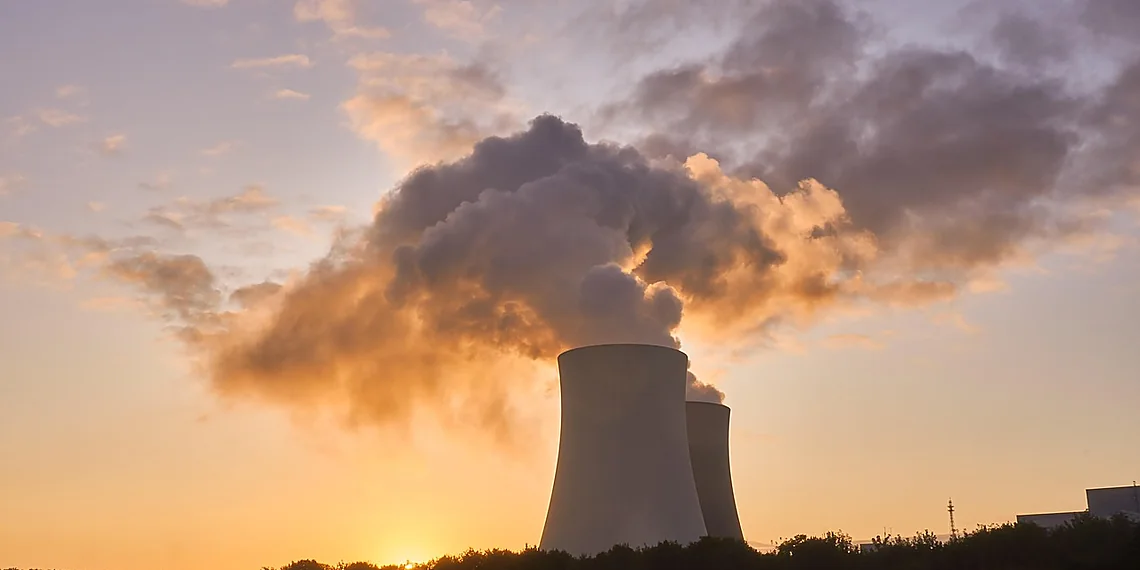

Imagine sprawling server farms, humming with the relentless processing power that fuels our digital world, but powered by something far more unconventional than solar or wind – a nuclear reactor. That’s precisely what’s unfolding in West Texas, where Project Matador is sparking both excitement and intense opposition. The sheer scale of this ambition is staggering; we’re talking about a facility designed to consume an almost unbelievable amount of energy. This isn’t just another data center expansion; it represents a radical shift in how we think about powering the digital infrastructure that underpins modern life, potentially ushering in an era of nuclear data centers.
Project Matador, spearheaded by Crescent Energy and TerraScale Technologies, envisions a massive complex utilizing advanced nuclear reactors to provide consistent, reliable power for intensive computing needs. While proponents tout benefits like reduced carbon emissions compared to traditional fossil fuel reliance and increased energy independence, the project is facing fierce resistance from local communities concerned about safety, environmental impact, and potential disruption to their way of life. The clash between a cutting-edge technological vision and deeply rooted Texan values has created a compelling and complex narrative.
At its core, this story isn’t just about electricity; it’s about the future of data storage, the anxieties surrounding nuclear power, and the delicate balance between industrial progress and community well-being. We’ll delve into the technical specifics of how these nuclear data centers are proposed to function, explore the arguments from both sides of the debate, and examine the broader implications for energy infrastructure across the globe.
The Scale of Project Matador
Project Matador isn’t just large; it’s colossal – a paradigm shift in datacenter construction that dwarfs even the most ambitious existing facilities. The sheer scale is staggering: 6,000 acres dedicated to this single complex. To put that into perspective, 6,000 acres is roughly equivalent to 4.7 square miles, larger than Manhattan Island and comparable in size to a small city like Dearborn, Michigan. This immense footprint necessitates extensive infrastructure – roads, power lines, water pipelines – creating significant logistical challenges and requiring careful consideration of its impact on surrounding communities.
The ambition extends far beyond just land area. Project Matador proposes integrating nuclear power generation directly into the datacenter’s operations, a move unprecedented in the industry. This isn’t simply about powering servers; it’s about establishing an entirely self-sufficient energy ecosystem designed to meet the insatiable demands of modern AI training and processing. While traditional datacenters often rely on grid electricity supplemented by renewables or backup generators, Project Matador aims for near total energy independence – a bold strategy with potentially significant implications for Texas’s existing power grid.
The project’s impact isn’t limited to energy; water resources are also a critical consideration. Datacenters consume vast quantities of water for cooling, and the arid climate of West Texas exacerbates this challenge. Project Matador’s developers will need to demonstrate responsible water management practices, potentially including innovative recycling and conservation techniques, to secure long-term viability and address concerns from local communities already facing water scarcity issues.
Ultimately, Project Matador represents a monumental leap in datacenter design and execution. It’s not merely an expansion of existing trends; it’s a reinvention of how we think about powering the digital future, demanding a reevaluation of land use policies, energy infrastructure planning, and resource management – all while facing scrutiny from those who believe its scale is simply too much for Texas to handle.
A Datacenter the Size of a Small City

Project Matador, spearheaded by Cresson Everill’s DC BLOX, is not just a large data center; it represents an unprecedented scale of infrastructure development. The proposed facility spans 6,000 acres in West Texas – an area roughly equivalent to the size of Manhattan Island or nearly twice the size of Disney World. To put this into perspective, that’s enough land to accommodate several small towns and would significantly alter the landscape of the surrounding region.
The sheer acreage highlights the immense demands for space inherent in housing such a massive computing operation. This footprint necessitates extensive infrastructure beyond just buildings – including roads, power lines, water pipelines, and potentially new transportation corridors. The project’s impact extends far beyond the immediate construction zone, influencing local economies, property values, and ultimately reshaping patterns of land use throughout the region.
Compared to typical data center builds, which often range from tens to hundreds of acres, Project Matador is in a league of its own. This vast size underscores the ambition behind harnessing nuclear power for continuous operation and positions it as a potential game-changer in how large language models (LLMs) are trained and deployed – though also raises significant environmental and logistical considerations that require careful assessment.
Nuclear Power & Datacenters: A Novel Combination
The relentless demand for computing power, fueled by AI training and cloud services, is driving a desperate search for sustainable and reliable energy sources to power massive data centers. Increasingly, the conversation is turning towards nuclear power – not as a replacement for renewables, but as a complementary solution capable of providing the consistent, high-capacity electricity these facilities require. Unlike solar or wind, nuclear offers baseload power: a constant stream available regardless of weather conditions. This stability is crucial for preventing outages and ensuring uninterrupted operation in environments where even brief interruptions can result in significant financial losses and data corruption.
Pairing nuclear reactors with data centers presents some compelling technical advantages beyond sheer power output. Nuclear facilities inherently produce low levels of vibration, a critical factor for minimizing latency in server farms. Furthermore, the heat generated by both processes can be leveraged for mutual benefit – data center cooling systems can potentially utilize excess reactor heat, increasing overall efficiency and reducing water consumption (a significant concern for many datacenters). However, this isn’t a simple plug-and-play solution; integrating a nuclear power plant with a data center requires careful planning to manage waste heat, ensure grid stability, and address security protocols specific to both industries.
Despite the potential upsides, challenges remain. The high upfront costs associated with building or retrofitting nuclear facilities are substantial barriers to entry, although advancements in small modular reactors (SMRs) promise to lower these initial investments and offer more flexibility in deployment. Public perception surrounding nuclear safety also poses a hurdle; addressing concerns about waste disposal and potential accidents is vital for gaining community acceptance – as demonstrated by the resistance seen in areas like Texas where large data center projects are proposed. The complexities of regulatory approvals and licensing processes also add significant time and expense to such ventures.
The project known as Project Matador, currently facing pushback in West Texas, exemplifies both the promise and the pitfalls of this novel combination. While proponents highlight its potential for clean energy and economic growth, local communities are expressing concerns about environmental impact and long-term safety. The situation underscores that while nuclear power offers a compelling solution to data center energy needs, successful implementation requires careful consideration of technical feasibility, economic viability, and community engagement.
Why Nuclear Makes Sense (and Doesn’t)

The burgeoning demand for data processing and artificial intelligence has created an unprecedented strain on global electricity grids. Datacenters are notoriously power-hungry facilities, contributing significantly to carbon emissions when relying on fossil fuel sources. Nuclear energy presents a compelling alternative due to its exceptionally low lifecycle greenhouse gas emissions – substantially lower than coal or natural gas – and the potential for providing consistent, high-capacity power crucial for uninterrupted datacenter operations. This reliability is particularly attractive given the increasing sensitivity of AI workloads to even brief outages.
However, integrating nuclear power with datacenters isn’t without significant challenges. The initial capital investment for a nuclear facility remains extremely high, although advancements in Small Modular Reactors (SMRs) are aiming to reduce these costs and deployment timelines. SMRs offer increased flexibility and scalability compared to traditional large-scale reactors, potentially allowing for phased integration with datacenter infrastructure. Safety concerns, waste disposal protocols, and regulatory hurdles also represent considerable barriers that must be addressed before widespread adoption of nuclear data centers becomes a reality.
The Texas project, ‘Project Matador,’ exemplifies the growing interest in this convergence. While proponents tout the benefits of reliable, carbon-free power, local opposition highlights environmental concerns and potential risks associated with locating a nuclear facility near populated areas. The success or failure of Project Matador will likely shape future discussions surrounding the viability and public acceptance of nuclear data centers globally, demonstrating whether the promise of clean, consistent energy can outweigh the inherent complexities and anxieties associated with nuclear technology.
Resistance in the 806
The proposed Project Matador in West Texas, a sprawling data center complex powered by a nuclear reactor, has met with fierce local opposition. While proponents tout its potential for energy efficiency and economic growth, residents of the 806 region are voicing serious concerns about the project’s impact on their community and environment. A key organizing force behind this resistance is the ‘806 Data Center Resistance,’ a grassroots group formed to challenge the perceived inevitability of Project Matador and advocate for greater transparency and accountability from developers and regulators.
Central to the opposition’s arguments are fears surrounding water usage. The arid West Texas landscape already faces significant drought challenges, and Project Matador’s projected demand for billions of gallons of water annually has sparked alarm among locals who rely on dwindling groundwater resources for agriculture and domestic use. They argue that diverting such a vast quantity of water will exacerbate existing scarcity issues and potentially impact the long-term sustainability of the region’s ecosystems and way of life. This isn’t just about inconvenience; it’s about survival, they say.
Beyond water concerns, environmental anxieties are also prevalent. Opponents worry about potential radioactive waste disposal, thermal pollution impacting local waterways, and the overall ecological footprint of such a massive industrial operation. The group highlights what they see as a lack of comprehensive Environmental Impact Assessments (EIAs) that adequately address these risks, fueling suspicions that economic benefits are being prioritized over environmental protection. Many feel their voices haven’t been heard in decisions with profound implications for the region.
The ‘806 Data Center Resistance’ emphasizes the feeling that they’ve been excluded from meaningful consultation throughout the planning process. As one member told 404 Media, “They’re being told that this is inevitable,” but residents believe Texas presents a unique challenge to such large-scale projects due to its fiercely independent spirit and strong local control. They are determined to make their concerns known and demand greater community involvement in shaping the future of their region.
Voices Against the Powerhouse
The proposed Project Matador in Lubbock County, Texas, has drawn significant opposition from local residents organized primarily through the ‘806 Data Center Resistance.’ Their concerns center around the immense water demands of the facility, which would require pumping brackish groundwater to cool the massive server farms. Residents fear this will deplete already strained aquifers and negatively impact agricultural practices, private wells, and potentially lead to land subsidence. The sheer scale of water usage – estimated at upwards of 20 billion gallons annually – has been a primary driver of local anxiety.
Beyond water depletion, opponents express worries about the potential for environmental damage stemming from wastewater disposal and construction activities. Concerns have been raised regarding the impact on local wildlife habitats, soil contamination, and air quality. The group highlights what they perceive as inadequate environmental impact studies conducted prior to the project’s approval, arguing that a full understanding of the long-term consequences hasn’t been properly assessed or shared with the community.
A recurring theme in opposition is the lack of transparency surrounding Project Matador. Residents claim limited opportunity for meaningful community input and feel their voices are being ignored by both developers and local government officials. The ‘806 Data Center Resistance’ actively seeks to increase public awareness, organize protests, and demand greater accountability from those involved in bringing the nuclear data center to their region, emphasizing that the project’s benefits haven’t been adequately weighed against its potential harms.
The Future of Datacenter Infrastructure
Project Matador, a proposed massive datacenter complex in West Texas powered by a future small modular reactor (SMR), isn’t just about providing compute power; it’s forcing us to re-evaluate the very foundations of datacenter infrastructure. For decades, datacenters have been synonymous with sprawling campuses consuming vast amounts of electricity – often sourced from fossil fuels. Matador represents a radical departure: a commitment to baseload nuclear power, offering potentially unparalleled energy density and stability. This shift goes beyond simply reducing carbon emissions; it addresses the growing strain on electrical grids as AI workloads continue their exponential expansion, suggesting a future where datacenters become localized, self-sufficient power hubs rather than parasitic drains.
The question now is whether Project Matador is an isolated experiment or a harbinger of a broader trend. The scale and ambition are certainly unique – the initial phase alone promises 1.5 gigawatts of power, enough to fuel tens of thousands of AI servers. While concerns about nuclear safety, regulatory hurdles, and upfront costs remain significant barriers, the promise of predictable, carbon-free energy is compelling for companies seeking long-term operational stability and a reduced environmental footprint. The resistance seen in Texas highlights the challenges – community acceptance and navigating complex permitting processes are crucial factors that will influence whether similar projects gain traction elsewhere.
Even if widespread adoption remains distant, Project Matador offers valuable lessons for datacenter design and energy sourcing strategies. It underscores the importance of considering entire power ecosystems when planning large-scale computing facilities. The modular reactor concept itself is gaining momentum, promising smaller, more adaptable nuclear power plants that could potentially serve localized data clusters in other regions. Furthermore, the project’s focus on energy efficiency – optimizing cooling systems and server utilization to minimize waste – will likely influence future datacenter designs regardless of their primary power source.
Ultimately, Project Matador challenges the conventional wisdom surrounding datacenter infrastructure. It demonstrates that a fundamentally different approach is possible, one where computing power is intrinsically linked to sustainable, reliable energy generation. While replicating this model globally faces considerable obstacles, the initiative has ignited a crucial conversation about the future of data centers and their role in powering the next wave of technological innovation – a conversation that will undoubtedly shape how we build and operate these essential facilities for years to come.
Beyond Texas: A New Model?
Project Matador, a proposed nuclear-powered data center in West Texas, has understandably drawn significant attention as a potential blueprint for future infrastructure. While the sheer scale of Matador – aiming to provide 600 MW of power via a miniature nuclear reactor – is unprecedented, the underlying concept of utilizing nuclear energy for data centers isn’t entirely new. Several smaller-scale projects and proposals have explored this avenue, largely driven by the increasing demand for reliable, low-carbon energy sources to power the ever-growing computational needs of AI and cloud services.
The success or failure of Project Matador will be a crucial test case for broader adoption. Key factors influencing its replication elsewhere include regulatory hurdles – nuclear projects face intense scrutiny and lengthy approval processes globally – as well as public perception, which remains largely negative due to safety concerns and historical events. Furthermore, the high upfront capital costs associated with building and maintaining a nuclear reactor represent a significant barrier for entry, requiring substantial investment and long-term commitment from stakeholders.
Despite these challenges, the potential benefits of nuclear data centers are compelling enough to warrant continued exploration. Beyond Project Matador’s specific location in Texas, which presents unique logistical considerations, other regions with stable regulatory environments, access to water (for cooling), and a need for reliable power could potentially be receptive to similar projects. The lessons learned from Matador regarding reactor design, safety protocols, and integration with existing grid infrastructure will undoubtedly inform future endeavors, even if they are smaller in scope.
The sheer ambition of Project Matador, aiming to power a sprawling datacenter complex with small modular reactors, undeniably represents a significant leap forward in exploring alternative energy solutions for the ever-growing digital world. While Texas’s existing nuclear infrastructure provides a familiar backdrop, the scale and innovative approach of this project are sparking crucial conversations about sustainability and resource management within the tech industry. The controversy surrounding Project Matador highlights the inherent tension between technological advancement and community well-being, demonstrating that progress cannot come at any cost; careful consideration of environmental impact and local concerns is paramount. We’ve seen how the promise of abundant, clean energy through nuclear data centers could reshape datacenter infrastructure globally, potentially reducing reliance on fossil fuels and lowering operational costs, but also introducing new complexities in safety protocols and regulatory oversight. The feasibility and ultimate success of Project Matador will depend not only on technical execution but also on fostering trust and transparency with the surrounding communities – a challenge that requires open dialogue and proactive engagement. Ultimately, the question remains: how do we responsibly harness groundbreaking technologies like nuclear data centers to meet our digital demands while safeguarding the interests and concerns of those whose lives are directly impacted? We’d love to hear your perspective; what are your thoughts on Project Matador and the future of datacenter energy solutions? Share your opinions and join the discussion in the comments below.
$comments_section_prompt: Please share your thoughts and opinions on Project Matador and the future of datacenter energy solutions in the comments section!
Continue reading on ByteTrending:
Discover more tech insights on ByteTrending ByteTrending.
Discover more from ByteTrending
Subscribe to get the latest posts sent to your email.







