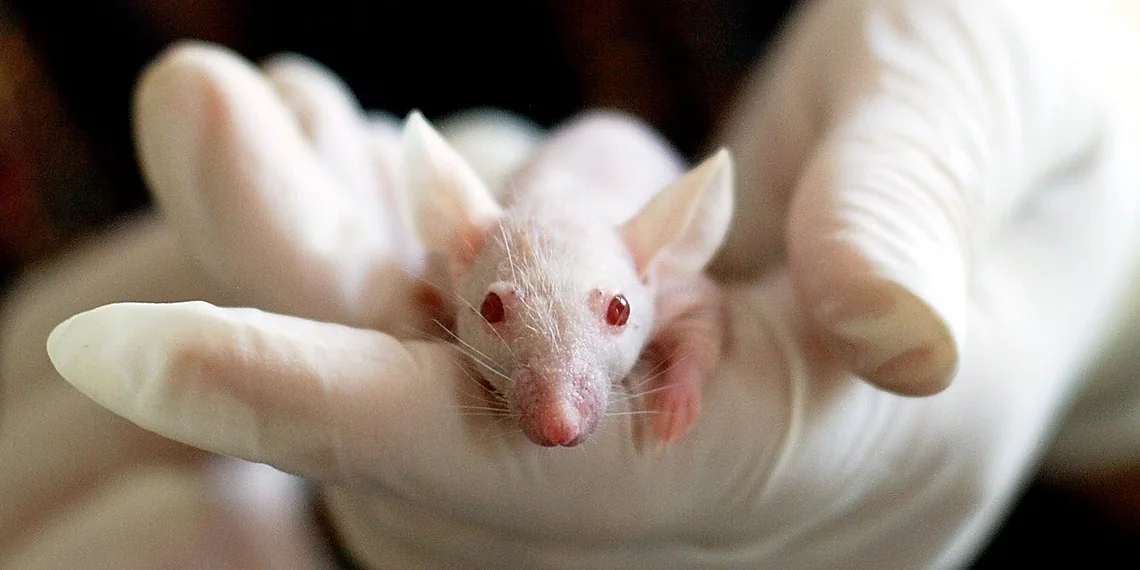

Imagine a phoenix, consumed by fire yet miraculously reborn from ashes – that’s the essence of what scientists are striving for in regenerative medicine. For decades, biologists have been captivated by the phenomenon of compensatory proliferation, where damaged tissues seemingly rebuild themselves with astonishing efficiency, a process once shrouded in mystery. Certain organisms possess an almost unbelievable capacity to recover from severe injury, prompting questions about the underlying mechanisms driving this remarkable resilience. The ability to fully restore lost or damaged tissue is the holy grail for treating everything from spinal cord injuries to organ failure, and recent discoveries are bringing us closer than ever before to achieving true tissue regeneration. Understanding how these natural repair processes work holds the key to unlocking new therapies and dramatically improving patient outcomes., The Mystery of Compensatory Proliferation Compensatory proliferation is a remarkable biological process where tissue cells rapidly divide to replace lost or damaged cells, essentially rebuilding what was missing. Imagine a wound healing not just by scar formation, but by complete regeneration of the original tissue – that’s the essence of compensatory proliferation. The phenomenon first captivated scientists in the 1970s when researchers studying fruit fly (Drosophila) larvae observed an astonishing ability: after exposure to high-dose radiation which severely damaged their wing epithelial tissue, the larvae remarkably regrew fully functional wings. This initial discovery sparked excitement and curiosity across the scientific community. Subsequent studies revealed that compensatory proliferation isn’t unique to flies; it’s been documented in a wide range of species, from zebrafish to mice, and even observed in human tissues like skin and gut lining following injury or surgical removal of cells. Despite its widespread presence and seemingly simple concept – cells dividing to replace lost ones – the underlying mechanisms driving this regeneration remained largely elusive for decades. For over fifty years, compensatory proliferation presented a significant scientific enigma. While researchers could observe *that* it happened, they struggled to understand *how* it happened. The process seemed to defy conventional understanding of tissue development and repair, as it wasn’t simply a matter of existing stem cells filling the void. Instead, neighboring, differentiated cells – normally specialized for specific functions like pigment production or structural support – were somehow triggered to begin dividing and adopting a more proliferative state. This unexpected transformation was the key piece missing from the puzzle. The difficulty in unraveling compensatory proliferation’s secrets stemmed partly from its complexity. It likely involves a complex interplay of signaling pathways, epigenetic modifications, and cellular communication that are highly sensitive to context – the type of tissue, the nature of the injury, and the organism’s overall physiological state. Finally, recent breakthroughs are beginning to shed light on these intricate mechanisms, potentially paving the way for harnessing this regenerative power for therapeutic applications. A 50-Year Old Puzzle The concept of compensatory proliferation first emerged from observations made in the 1970s involving fruit fly (Drosophila melanogaster) larvae. Researchers studying the effects of high-dose radiation noticed an astonishing phenomenon: when larval wing epithelial cells were destroyed by radiation, the remaining cells would dramatically increase their rate of division, effectively regrowing the damaged wing structure. This wasn’t simple wound healing; it was a robust regeneration of fully functional tissue from a significant initial loss – a process dubbed ‘compensatory proliferation.’ The finding suggested an inherent capacity for tissue repair far exceeding what was previously understood. Remarkably, this compensatory proliferation isn’t unique to fruit flies. Similar observations have been documented across a wide range of species including zebrafish, newts, and even mammals. In mice, for example, researchers have observed compensatory proliferation in various epithelial tissues following injury or ablation. While the specific mechanisms might vary between species, the underlying principle – that tissue loss triggers an amplified regenerative response – is consistently seen. This widespread presence across the animal kingdom underscored its fundamental biological significance. Despite these compelling observations spanning decades and multiple organisms, the molecular underpinnings of compensatory proliferation remained largely elusive for many years. The initial experiments were descriptive, lacking a clear understanding of the signaling pathways and genetic programs that drove this extraordinary regenerative capacity. This ’50-year old puzzle,’ as some researchers have termed it, presented a significant challenge – how could such a powerful, coordinated response be triggered in different tissues and species, and what factors regulated its timing and extent? Unlocking the Molecular Mechanism For decades, scientists have marveled at the remarkable ability of certain tissues – particularly those lining our skin and organs – to regenerate after injury. This phenomenon, termed compensatory proliferation, allows damaged tissue to essentially rebuild itself, a process first observed in fruit fly larvae regrowing wings following radiation damage. While we’ve known *that* this regeneration happens across various species, including humans, the fundamental ‘how’ has remained shrouded in mystery – until now. A recent breakthrough published in sheds light on the molecular engine driving this regenerative process. Researchers have finally identified a specific signaling pathway responsible for triggering compensatory proliferation. This wasn’t simply about observing increased cell division; it was about uncovering *why* and *how* these cells are instructed to begin dividing in the first place. The team’s work focuses on what they’ve termed ‘resurrected’ tissue signals – previously dormant genes that suddenly spring into action when damage occurs. Imagine a library filled with books, most untouched for years. When an injury happens, it’s as if someone flips open these long-forgotten volumes, activating instructions that hadn’t been read in decades. These ‘resurrected’ genes release specific signals, essentially telling nearby cells to multiply and fill the void left by the damaged tissue. The researchers meticulously traced this signaling cascade, pinpointing key molecules involved and demonstrating their critical role in initiating the regenerative response. This detailed understanding moves us far beyond simply observing regeneration; it provides a blueprint for potentially manipulating and enhancing this natural process. The implications of this discovery are significant. By fully understanding the molecular mechanism behind tissue regeneration – particularly the activation of these ‘resurrected’ genes – scientists can begin to explore ways to stimulate or accelerate healing in humans, potentially leading to new therapies for wound repair, organ regeneration, and even age-related tissue decline. While still early days, this research marks a crucial step towards harnessing the body’s own regenerative power. The Key Discovery: ‘Resurrected’ Tissue Signals For decades, scientists have observed a remarkable phenomenon called ‘compensatory proliferation,’ where damaged tissue can regenerate surprisingly well. Think of it like a biological reset button – when epithelial tissues (like skin or those lining organs) are injured, they don’t just heal; they actively grow new cells to replace what was lost. While this ability has been seen in everything from fruit flies to humans, the precise mechanism driving this regeneration remained largely unknown. A recent breakthrough at has shed light on this process by identifying a previously unrecognized signaling pathway. Researchers discovered that when tissue is damaged, certain genes – which are normally ‘switched off’ or inactive – suddenly become activated. These aren’t just any genes; they appear to hold dormant instructions for regeneration, essentially ‘resurrecting’ capabilities the tissue seemingly forgot it had. This newly identified pathway involves acting as a key messenger. When injury occurs, this molecule triggers the activation of those ‘dormant’ genes, prompting cells to divide and rebuild the damaged area. The researchers are now working to understand how this signaling process is regulated and whether it can be harnessed to enhance tissue regeneration in humans, potentially leading to new treatments for burns, wound healing, and even organ repair.
Implications & Future Applications
The implications of unlocking the secrets behind compensatory proliferation extend far beyond simply healing cuts and scrapes. While improved burn treatments are a clear near-term benefit – imagine drastically reduced scarring and faster recovery times for severe burns – the true potential lies in applying this knowledge to more complex tissue repair scenarios. Understanding how epithelial cells orchestrate this remarkable regeneration process provides crucial insights into potentially stimulating similar responses within damaged organs, opening doors to revolutionary therapies.
Currently, organ failure often necessitates transplants, a procedure plagued by donor shortages and immune rejection risks. If we can harness the body’s innate ability for tissue regeneration, it could pave the way for repairing or even partially regrowing damaged livers, kidneys, or lungs from within – effectively bypassing the need for donor organs altogether. While fully regrowing complex organs like limbs remains firmly in the realm of science fiction at present, this breakthrough provides a foundational understanding that might one day contribute to such ambitious goals.
The research also fuels hope for advancements beyond traditional regenerative medicine. For example, researchers are exploring whether similar principles could be applied to treat degenerative diseases where tissue loss is a key factor, like certain forms of muscular dystrophy or even neurodegenerative conditions. The challenge lies in identifying how to safely and effectively trigger this compensatory proliferation response in targeted tissues without unintended consequences, requiring further rigorous investigation and refinement.

Ultimately, the journey from understanding the molecular mechanisms of tissue regeneration to widespread clinical applications will be a long one, demanding considerable research effort. However, this discovery represents a monumental step forward, offering a tantalizing glimpse into a future where the body’s natural healing capabilities are amplified, leading to transformative advancements in healthcare and significantly impacting the lives of millions.
Beyond Skin: Potential for Organ Repair?
The recent elucidation of the molecular mechanisms driving compensatory proliferation opens exciting avenues for organ repair. While complete organ regeneration remains a distant goal, understanding how cells respond to injury signals and initiate proliferative responses could lead to therapies that enhance natural healing processes. For example, researchers are exploring ways to stimulate similar pathways in damaged liver tissue or cardiac muscle following heart attacks, potentially reducing scar formation and improving function. This doesn’t imply growing entire organs *de novo*, but rather bolstering the body’s own ability to mend itself.
Beyond internal organ repair, advancements stemming from this research hold promise for significantly improved burn treatments. Current methods often involve skin grafts, which can be painful and leave scarring. By stimulating localized tissue regeneration at the burn site—essentially prompting the surrounding undamaged skin cells to proliferate and fill in the gaps—we could drastically reduce or eliminate the need for grafting. The challenge lies in precisely controlling this proliferation to prevent uncontrolled growth or disfigurement.
The ultimate, albeit highly speculative, prospect is limb regeneration. While mammals generally possess limited regenerative capabilities compared to creatures like salamanders, insights from compensatory proliferation and other research areas are gradually piecing together a more complete picture of the biological processes involved in regrowth. It’s crucial to emphasize that regrowing entire limbs is currently beyond our reach; however, understanding the signals and cellular interactions that initiate and guide regeneration could one day pave the way for partial limb repair or even stimulating rudimentary tissue formation.
Challenges & Next Steps
While the recent discoveries illuminating the molecular mechanisms behind compensatory proliferation represent a monumental leap forward in understanding tissue regeneration, significant hurdles remain before these findings can be translated into tangible clinical applications. The ability to trigger robust tissue repair is incredibly promising for treating burns, wound healing complications, and potentially even organ damage, but simply activating this regenerative response isn’t enough. A critical challenge lies in ensuring that the regeneration process is precisely controlled – we need to prevent runaway growth or the formation of disorganized, non-functional tissue. Current research focuses on identifying specific signaling pathways that can be delicately manipulated to achieve predictable and beneficial outcomes.
One key area for future investigation centers around refining our understanding of the cellular communication involved in compensatory proliferation. While we’ve begun to identify crucial molecules like TGF-β and its receptors, the nuances of how these signals are integrated within cells and across tissues remain largely unknown. Further research will necessitate advanced imaging techniques and sophisticated computational modeling to map these complex interactions with greater precision. Additionally, exploring the interplay between this regenerative mechanism and the immune system is essential; a dysregulated immune response could hinder healing or even promote scar tissue formation.
Beyond fundamental biological understanding, engineering solutions are also needed. Researchers are actively investigating novel biomaterials and delivery systems that can precisely deliver signaling molecules to targeted tissues, minimizing off-target effects and maximizing regenerative potential. This includes exploring the use of hydrogels, microcapsules, and other advanced platforms for controlled release of growth factors. Clinical trials will be essential to assess the safety and efficacy of these approaches in human patients, but rigorous preclinical studies are needed first to establish optimal dosages and delivery methods.
Ultimately, the path from laboratory discovery to clinical reality requires a multidisciplinary effort involving biologists, engineers, clinicians, and regulatory experts. While the journey may be long and complex, the potential rewards – improved healing outcomes, reduced scarring, and perhaps even the ability to regenerate damaged organs – are well worth pursuing. Continued investment in basic research alongside translational studies will be crucial for unlocking the full therapeutic potential of tissue regeneration.
From Lab to Clinic: Hurdles Ahead
While recent discoveries have illuminated the molecular mechanisms behind compensatory proliferation, significant hurdles remain before tissue regeneration therapies become a widespread reality. One primary challenge lies in ensuring controlled regeneration. The body’s natural response, while remarkable, can sometimes lead to excessive or disorganized tissue growth, potentially resulting in scar formation or even tumor development. Precisely modulating this regenerative burst—directing it toward the desired tissue type and limiting its extent—is crucial for safe and effective clinical application.
Furthermore, a deeper understanding of the signaling pathways involved is essential. Although key molecules have been identified, the complex interplay between them and their influence on cell behavior during regeneration are still being investigated. Variations in individual physiology, age, and underlying health conditions could also impact regenerative response, requiring personalized approaches and further research to account for these factors.
Future research will need to focus on refining delivery methods for therapeutic agents that can stimulate or guide tissue regeneration. This includes exploring biocompatible scaffolds, gene therapies, and targeted drug delivery systems. Long-term studies are also necessary to assess the durability of regenerated tissues and monitor for any potential adverse effects, ultimately paving the way for robust and reliable clinical applications.
The progress showcased in this research truly marks a pivotal moment, hinting at a future where damaged organs and tissues can be effectively repaired from within, rather than relying solely on transplants or artificial replacements. This advancement isn’t just about healing; it represents a paradigm shift towards proactive healthcare and personalized treatments tailored to individual needs. The potential implications for patients suffering from debilitating conditions are profound, offering renewed hope and improved quality of life. We’ve only scratched the surface of what’s possible with enhanced biological scaffolding and targeted growth factors, particularly when considering applications in areas like spinal cord injuries and cardiac repair. Further exploration into these techniques is crucial to refine the process and broaden its applicability; imagine a world where significant tissue regeneration becomes commonplace. The collaborative spirit driving this breakthrough exemplifies the power of interdisciplinary research and underscores the exciting trajectory of regenerative medicine as a whole. Stay tuned, because we anticipate many more fascinating developments in this field soon. Don’t miss out on future discussions surrounding cutting-edge scientific discoveries – follow ByteTrending to remain at the forefront of innovation.
We believe that continued investment and exploration will unlock even greater potential within regenerative medicine, pushing the boundaries of what we thought possible just a few years ago. The journey ahead requires dedication from researchers, clinicians, and policymakers alike, all working towards a shared vision of a healthier future. While challenges remain in scaling these techniques for widespread use, the foundational work presented here provides an incredibly promising starting point. This research demonstrates that complex biological processes can be harnessed to promote tissue regeneration and ultimately improve human health. ByteTrending is committed to bringing you the latest news and insights from the world of science – follow us today!
Source: Read the original article here.
Discover more tech insights on ByteTrending ByteTrending.
Discover more from ByteTrending
Subscribe to get the latest posts sent to your email.