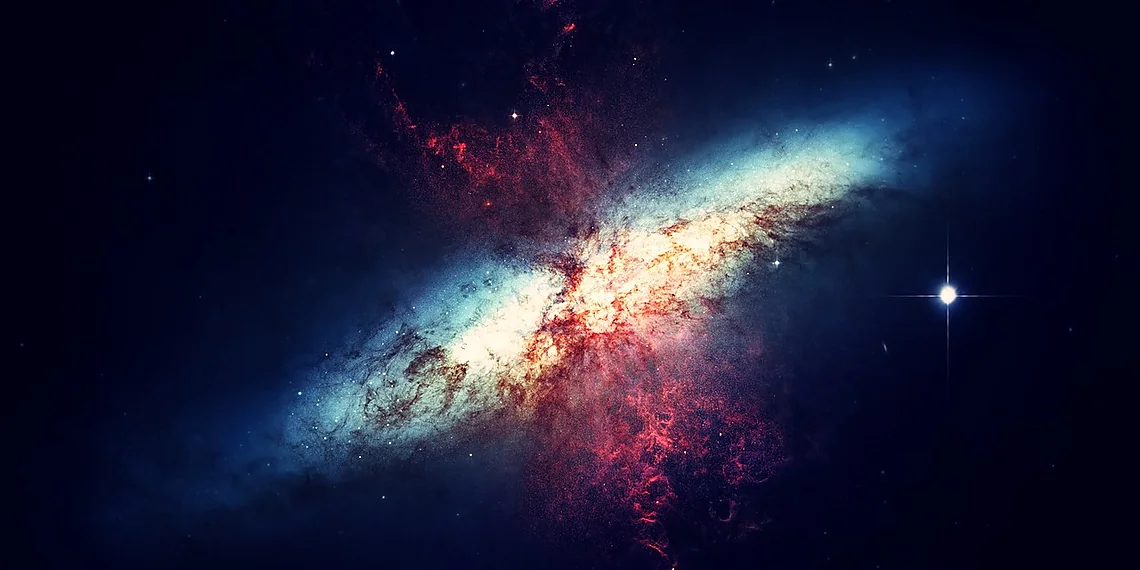



Imagine islands of light, each containing billions of stars, swirling through an immense, dark ocean – that’s a glimpse into the world of galaxy clusters, the largest known gravitationally bound structures in the universe.
These colossal gatherings aren’t static; they are dynamic arenas where galaxies interact and evolve, often locked in complex gravitational dances spanning millions of light-years.
The process of galaxy cluster merging is incredibly rare to witness directly, as it unfolds over vast timescales and requires a precise alignment of our perspective within the cosmos.
Recently, astronomers have unveiled an extraordinary find: RXC J0032.1+1808, a system offering an unprecedented view into the chaotic beauty of galaxy cluster merging, revealing intricate structures formed during this dramatic cosmic collision – it’s like observing a slow-motion explosion of stellar proportions.
Understanding Galaxy Clusters
Imagine cities, but instead of buildings and people, they’re composed of hundreds or even thousands of galaxies held together by the relentless pull of gravity. That’s essentially what a galaxy cluster is – the largest known gravitationally bound structures in the universe. These cosmic metropolises aren’t just collections of galaxies; they’re complex ecosystems teeming with dark matter (which makes up most of their mass), incredibly hot gas that emits X-rays, and, of course, the visible galaxies themselves. They represent crucial nodes in the vast cosmic web, acting as anchors around which smaller groups of galaxies orbit.
The significance of galaxy clusters extends far beyond just being large groupings of stars. Their formation is directly linked to the universe’s large-scale structure – how matter is distributed across immense distances. Studying them allows astronomers to probe the distribution and properties of dark matter, understand the evolution of galaxies within dense environments, and piece together the history of cosmic growth. The hot gas found within these clusters also provides insights into the intergalactic medium and the processes that govern its temperature and density.
While galaxy clusters are relatively common throughout the universe, observing them *merging* is a significantly rarer event. These mergers are incredibly violent collisions spanning millions of light-years, disrupting galaxies, heating gas to extreme temperatures, and creating powerful shock waves that ripple through space. Because these interactions take so long – hundreds of millions or even billions of years – witnessing a cluster in the midst of a major merging process is like catching a fleeting snapshot of an ongoing cosmic drama.
The recent discovery of RXC J0032.1+1808 undergoing a significant merging event, using data from the Keck Observatory’s DEIMOS spectrograph, provides precisely that rare glimpse. This observation offers astronomers an invaluable opportunity to study the dynamics of these colossal collisions and further refine our understanding of how galaxy clusters form and evolve over cosmic time.
Cosmic Cities: What Are Galaxy Clusters?
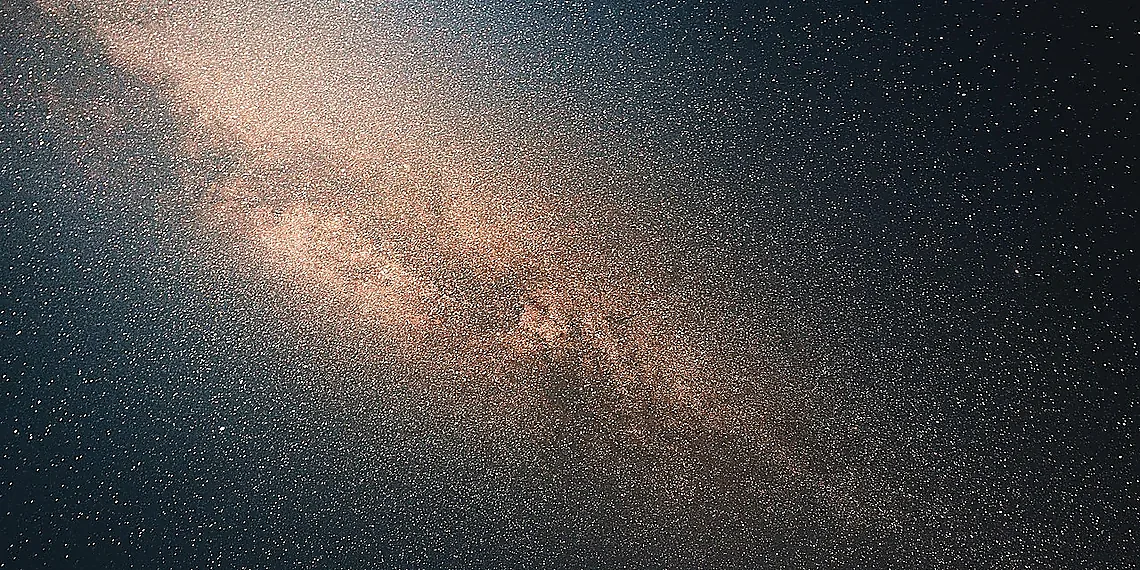
Galaxy clusters represent some of the largest known gravitationally bound structures in the Universe. They aren’t just collections of galaxies; they are vast cities containing hundreds or even thousands of galaxies all held together by their mutual gravitational attraction. These cosmic metropolises span millions of light-years across and contain a staggering amount of mass – far more than individual galaxies like our own Milky Way.
The mass within a galaxy cluster isn’t solely comprised of the visible galaxies themselves. In fact, most of the mass is actually ‘dark matter,’ an invisible substance that interacts with gravity but doesn’t emit or absorb light. Hot gas, heated to millions of degrees by interactions between galaxies and dark matter, fills the space between galaxies within the cluster and emits X-rays detectable by telescopes. Finally, the galaxies themselves contribute a smaller percentage of the overall mass.
Galaxy clusters play a crucial role in understanding the large-scale structure of the Universe. They form at the intersections of cosmic filaments – vast networks of dark matter and gas that act as scaffolding for galaxy distribution. Observing galaxy cluster mergers, like the recent discovery involving RXC J0032.1+1808, is relatively rare because these events are incredibly energetic and take billions of years to unfold.
The RXC J0032.1+1808 Merger
The galaxy cluster designated RXC J0032.1+1808 has become a focal point for astronomers studying cosmic collisions due to recent observations revealing an ongoing, significant merging event. Using the Keck Observatory’s powerful DEIMOS multi-object spectrograph, researchers were able to peer deep into this distant system and analyze the light emitted from its constituent galaxies. This isn’t just about seeing two clusters approaching each other; it’s about witnessing a complex dance of gravitational forces reshaping entire galactic structures – a process that typically unfolds over billions of years.
The DEIMOS spectrograph allowed for detailed spectral analysis, essentially breaking down the light into its component colors to reveal information about the velocities and chemical compositions of individual galaxies within RXC J0032.1+1808. The data unequivocally demonstrated a large-scale kinematic disruption – meaning the galaxies are moving in chaotic and unusual ways. These peculiar motions aren’t random; they’re indicative of a major gravitational interaction, confirming that RXC J0032.1+1808 is actively undergoing a galaxy cluster merging event.
Key findings from the Keck Observatory data showed significant velocity differences between galaxies within the cluster, far beyond what would be expected in a stable system. Furthermore, variations in chemical abundances were detected across different regions of the cluster, suggesting mixing and disruption caused by the merger’s gravitational forces. These details paint a picture of two massive galaxy clusters colliding, their stars and gas swirling together as they coalesce into a single, larger structure – a process crucial to understanding how galaxies and clusters evolve over cosmic time.
The observations of RXC J0032.1+1808 provide invaluable insight into the dynamics of galaxy cluster merging, offering a rare glimpse into a relatively nearby example of this grand cosmic event. The research, recently published as a pre-print on arXiv, highlights the continued importance of ground-based observatories like Keck in pushing the boundaries of our understanding of the universe and its ever-changing structures.
Catching a Collision in Progress
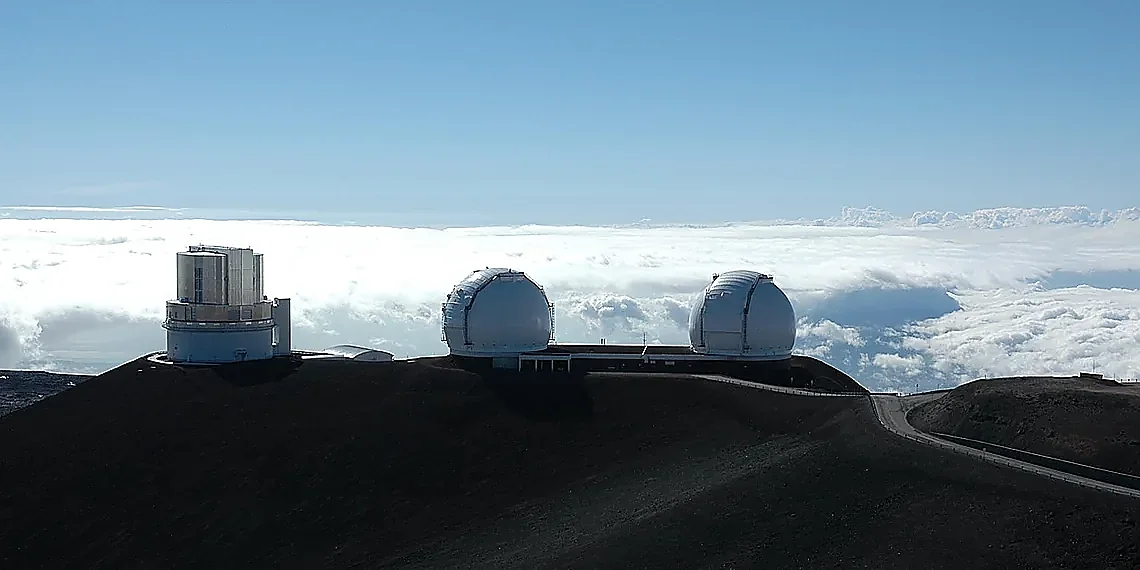
Astronomers have been meticulously studying the galaxy cluster RXC J0032.1+1808 using the DEIMOS spectrograph at the W. M. Keck Observatory in Hawaii. DEIMOS, renowned for its ability to observe a large number of objects simultaneously, allowed researchers to analyze the light from hundreds of individual galaxies within the cluster. This extensive observation campaign aimed to precisely measure the velocities and chemical compositions of these galaxies, providing crucial insights into the cluster’s dynamics.
The spectral analysis yielded compelling evidence of a major galaxy cluster merger in progress. By examining the Doppler shifts of light emitted by different galaxies, scientists detected significant velocity differences – some galaxies are moving much faster than others, and their motions aren’t aligned with what would be expected in a relaxed, stable cluster. These chaotic velocities strongly suggest that two or more clusters are currently colliding and gravitationally interacting.
Furthermore, the chemical compositions revealed by spectral analysis provided additional clues about the merger’s history. Variations in element abundances across different galaxies within RXC J0032.1+1808 indicate that material from separate clusters is mixing together, a hallmark of merging events. This combination of kinematic and compositional data paints a clear picture: RXC J0032.1+1808 is actively undergoing a profound cosmic collision.
The Science Behind the Merger
Galaxy cluster merging isn’t a gentle embrace; it’s a colossal cosmic collision driven by the relentless force of gravity. These immense structures, containing hundreds or even thousands of galaxies bound together by gravity and vast amounts of hot gas, are constantly interacting with their surroundings. When two clusters approach each other, their mutual gravitational attraction pulls them inexorably closer, initiating a chaotic dance that can last for billions of years. The sheer scale of these mergers—each cluster weighing quintillions of times the mass of our Sun—means the interaction isn’t just about galaxies bumping into each other; it’s a fundamental reshaping of spacetime itself.
As the clusters hurtle towards one another, the hot intergalactic gas residing between them, typically reaching temperatures of tens of millions of degrees, encounters intense resistance. This collision generates powerful shock waves – analogous to sonic booms in air – that propagate through the gas. These shocks dramatically heat the gas further and compress magnetic fields, producing observable phenomena like radio emissions (synchrotron radiation) and brilliant X-ray glows. The detailed observation of these features, as recently revealed by Keck Observatory’s DEIMOS spectrograph in RXC J0032.1+1808, provides crucial insights into the merger process.
Crucially, a significant portion of the mass within galaxy clusters is composed of dark matter – an invisible substance that interacts gravitationally but doesn’t emit or absorb light. While we can’t directly observe dark matter, its gravitational influence dominates the overall dynamics of cluster mergers. Dark matter halos, extending far beyond the visible galaxies and gas, act as scaffolding, guiding the merger process and influencing the distribution of both ordinary matter and dark matter during the collision. Studying these mergers offers a unique opportunity to probe the nature of dark matter and test our cosmological models.
The RXC J0032.1+1808 system, now confirmed to be undergoing a major merging event thanks to the Keck observations, serves as an excellent laboratory for understanding this complex interplay. By analyzing the spectral signatures from the shock waves and X-ray emissions, astronomers can piece together the timeline of the merger, map the distribution of gas and dark matter, and ultimately refine our models of how these gigantic structures evolve over cosmic time.
Gravitational Dance: The Physics of Mergers
Galaxy cluster merging isn’t a gentle encounter; it’s a colossal cosmic collision driven primarily by gravity. These clusters, containing hundreds or even thousands of galaxies bound together by dark matter and hot gas, exert immense gravitational forces on each other. As two clusters approach, this mutual attraction steadily increases, accelerating them towards one another. The process is not instantaneous – these mergers can take billions of years to complete, a testament to the vast distances involved and the gradual nature of gravitational interactions.
The collision isn’t just between galaxies; it’s also a dramatic interaction of the hot gas permeating each cluster. As the clusters smash together at thousands of kilometers per second, this gas collides, creating powerful shock waves. These shocks compress the gas, heating it to incredibly high temperatures – millions of degrees Kelvin! This heated gas emits intense radiation across the electromagnetic spectrum, particularly in radio wavelengths and X-rays, providing astronomers with observable signatures of the ongoing merger process.
Dark matter plays a crucial but invisible role in galaxy cluster mergers. While we can’t directly observe dark matter, its gravitational influence dominates the dynamics of these events. Dark matter halos, vast regions of unseen mass surrounding each cluster, pass through each other relatively undisturbed during the merger. This interaction provides much of the overall gravitational scaffolding that pulls the visible galaxies and hot gas together, shaping the final merged structure and influencing the distribution of both baryonic (normal) matter and dark matter within the resulting system.
Future Implications & Exploration
The discovery of a major galaxy cluster merging event in RXC J0032.1+1808 provides invaluable insights into the complex processes driving galaxy evolution. Mergers aren’t rare occurrences; they are, in fact, crucial steps in how large structures like galaxy clusters form and change over cosmic time. By observing this ongoing collision – a relatively close one for astronomers – we gain a unique opportunity to witness firsthand the dynamics of gravitational interactions on an immense scale. This allows us to test theoretical models predicting how galaxies interact, lose gas, and ultimately transform during these tumultuous periods, refining our understanding of star formation rates within merging clusters.
Beyond simply confirming existing theories, studying RXC J0032.1+1808 has the potential to refine cosmological models significantly. The distribution of dark matter, a mysterious substance that makes up a large portion of the universe’s mass, is heavily influenced by these gravitational interactions. Observing the distortions and ripples in the intergalactic medium caused by this merger can help us map out the underlying dark matter distribution with greater precision. This data can then be compared to predictions made by different cosmological models, allowing scientists to identify discrepancies and potentially uncover new physics.
Looking ahead, future observations promise even more detailed revelations about galaxy cluster merging events. The James Webb Space Telescope (JWST), with its unprecedented infrared capabilities, will allow us to peer through the dust and gas shrouding these colliding clusters, revealing previously hidden star formation regions and galactic structures. Similarly, the upcoming Roman Space Telescope (formerly known as WFIRST) is designed for wide-field surveys that will identify numerous other merging galaxy clusters across vast distances, providing a statistical sample crucial for understanding their prevalence and characteristics throughout cosmic history.
Ultimately, continued investigation of RXC J0032.1+1808 and similar systems represents a significant step towards unraveling the mysteries of large-scale structure formation in the universe. By combining detailed observations with sophisticated simulations, we can hope to build a more complete picture of how galaxies evolve within clusters, and how these mergers shape the cosmos as we observe it today – offering invaluable clues about the underlying physics governing our universe.
Unlocking Cosmic Secrets: What’s Next?
The ongoing collision between RXC J0032.1+1808, and other observed galaxy cluster mergers, provides invaluable data for refining cosmological models. These massive collisions disrupt the distribution of dark matter and hot gas within the clusters, creating observable distortions in gravitational lensing patterns and temperature maps. By meticulously analyzing these distortions – which are predicted by simulations based on our understanding of gravity and dark matter – scientists can test whether current cosmological parameters accurately reflect the universe’s structure and evolution. Discrepancies between observations and theoretical predictions often point to areas where our models need refinement, potentially revealing new physics or a more nuanced picture of dark matter’s behavior.
A key area of investigation is how dark matter halos interact during these mergers. While dark matter doesn’t directly emit light, its gravitational influence shapes the distribution of galaxies and gas. Observing the way galaxies are flung around and the hot intracluster medium behaves allows astronomers to infer the underlying dark matter distribution. RXC J0032.1+1808’s merging process offers a relatively close-up view of this interaction, allowing for more detailed analysis than is possible with more distant, less evolved mergers. Such observations help constrain models that predict the mass and spatial extent of dark matter halos.
Future telescope projects promise even deeper insights into galaxy cluster mergers. The James Webb Space Telescope (JWST), with its unparalleled infrared capabilities, will be able to penetrate the dust clouds generated by these collisions and reveal previously obscured star formation regions within merging galaxies. The Nancy Roman Space Telescope (Roman) is specifically designed to map dark matter distributions through weak gravitational lensing over vast areas of the sky, providing a statistical census of mergers at different redshifts – essentially allowing us to see how cluster mergers have evolved throughout cosmic history. Combined, these instruments will significantly enhance our ability to observe and understand the complex processes driving galaxy evolution within merging clusters.
The images captured by telescopes like Chandra and Hubble have undeniably revolutionized our view of the universe, revealing breathtaking details within these colossal cosmic events. We’ve seen firsthand how intense gravitational forces shape gas clouds, accelerate particle acceleration, and influence the evolution of galaxies caught in the crossfire during a galaxy cluster merging. These observations confirm theoretical models while simultaneously presenting new puzzles that challenge current understanding, pushing researchers to refine their simulations and explore novel physical processes. The sheer scale and complexity of these interactions underscore the dynamic nature of the cosmos – nothing remains static for long on such grand timescales. Further study into phenomena like radio halos and diffuse X-ray emissions promises even deeper insights into the physics governing galaxy cluster merging and the broader evolution of large-scale structures. Ultimately, unraveling these mysteries allows us to piece together a more complete picture of how the universe formed and continues to evolve. The ongoing exploration of these celestial collisions will undoubtedly yield further astonishing discoveries in years to come. If you’ve been captivated by this cosmic dance, we invite you to delve deeper into the wonders of astronomy and space exploration – there’s a whole universe waiting to be discovered! Check out NASA’s website, explore your local planetarium, or simply look up at the night sky and let your curiosity soar.
The field of astrophysics is constantly expanding, offering incredible opportunities for learning and discovery. From amateur stargazing to contributing to citizen science projects, there are countless ways to engage with this fascinating subject. The beauty of space exploration lies not only in the spectacular images it provides but also in the profound questions it inspires about our place in the universe.
Continue reading on ByteTrending:
Discover more tech insights on ByteTrending ByteTrending.
Discover more from ByteTrending
Subscribe to get the latest posts sent to your email.