
The holidays often bring images of twinkling lights, cozy fireplaces, and perhaps a jolly figure in red making his rounds – but this year, something unexpectedly heartwarming has captured the internet’s attention: Santa Claus posing alongside the massive Artemis II rocket. It’s an image that blends festive cheer with the serious ambition of space exploration, offering a moment of levity while reminding us of humanity’s enduring drive to reach for the stars.
The Artemis program represents a monumental leap forward in our quest to return humans to the Moon and eventually venture further into the solar system. Building on the legacy of the Apollo missions, Artemis aims to establish a sustainable lunar presence, conducting groundbreaking scientific research and developing technologies that will pave the way for future Mars expeditions – all while inspiring a new generation of explorers.
This playful photograph of Santa with the Artemis II rocket isn’t just a quirky holiday snapshot; it symbolizes hope, progress, and the boundless possibilities that lie ahead. It’s a visual reminder that even as we tackle complex challenges in space exploration, there’s always room for wonder and celebration.
The Artemis Program: Beyond the Photo Op
The recent image of a NASA engineer in a Santa Claus suit playfully posed with the Artemis II rocket might seem like a quirky holiday snapshot, but it represents far more than just festive cheer. It’s a visual reminder of the ambitious goals driving the broader Artemis program – a project aiming to return humans to the Moon and ultimately pave the way for crewed missions to Mars. While the image captures a moment of levity, the underlying reality is one of intense engineering effort and significant technological advancement as NASA pushes the boundaries of space exploration.
The Artemis Program isn’t just about planting another flag on the lunar surface; it’s a carefully orchestrated series of missions designed for sustained presence and scientific discovery. The initial phases focus on robotic landers and orbiters, scouting locations and gathering data in preparation for human arrival. Following that, Artemis III aims to land astronauts near the lunar south pole – a region believed to hold valuable water ice resources. Beyond the Moon, the program is strategically building capabilities and developing technologies essential for future crewed missions to Mars, including advanced life support systems, radiation shielding, and innovative propulsion methods.
Artemis II holds particular significance within this larger framework. This mission, planned as a crewed flyby of the Moon, represents a critical ‘dress rehearsal’ before human landing attempts. It will test all aspects of the Orion spacecraft’s life support systems with astronauts aboard, evaluate navigation and communication capabilities in lunar orbit, and validate the integrated launch vehicle – essentially, the Space Launch System (SLS) rocket that powers the mission. The success of Artemis II is paramount to ensuring the safety and viability of subsequent crewed missions.
The technical specifications surrounding Artemis II are equally impressive. Orion will travel approximately 280,000 miles from Earth, orbiting the Moon for several days before returning. This journey necessitates rigorous testing of every system under extreme conditions, pushing engineering limits and providing invaluable data that will inform future mission design and execution. The ‘rocket’s holiday cheer’ image serves as a symbolic marker – a moment to acknowledge progress while underscoring the monumental task ahead in realizing NASA’s vision for lunar exploration and beyond.
What is Artemis II?
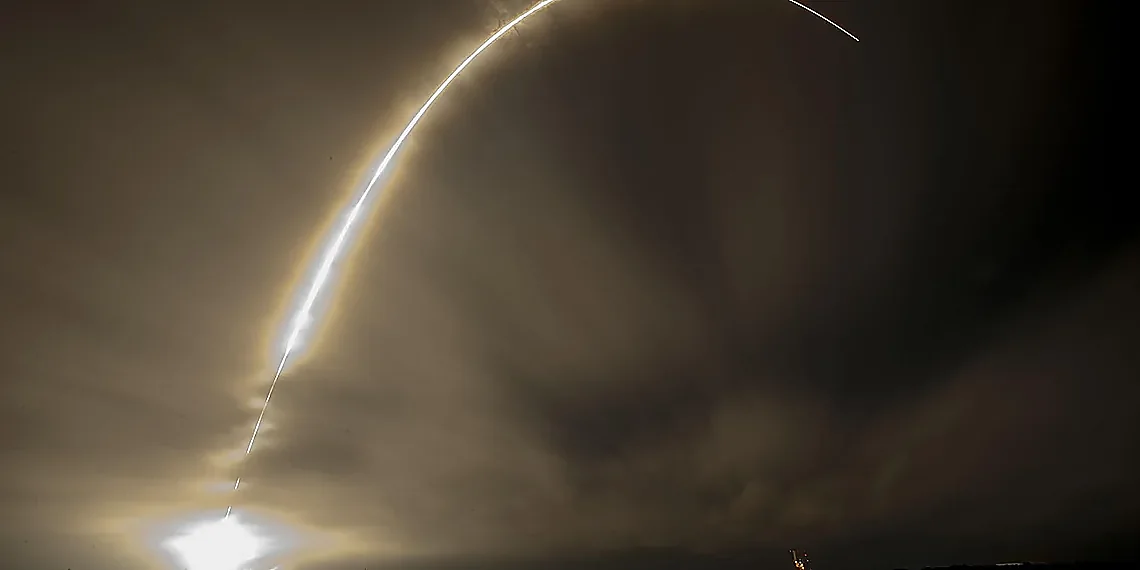
Artemis II represents a pivotal moment in NASA’s ambitious Artemis Program, which aims to establish a sustainable human presence on the Moon and ultimately pave the way for crewed missions to Mars. Unlike previous uncrewed Artemis missions focused solely on lunar orbit or landing, Artemis II is a crewed flyby mission – meaning it will send astronauts around the far side of the Moon and back to Earth. This journey, planned for launch no earlier than September 2025, will test critical life support systems and spacecraft performance in deep space conditions with humans onboard.
The mission’s significance extends beyond simply orbiting the Moon. Artemis II serves as an essential uncrewed ‘dress rehearsal’ before the more complex Artemis III, which intends to land astronauts on the lunar surface. It validates the integrated launch vehicle – comprising the Space Launch System (SLS) rocket and Orion spacecraft – along with its trajectory correction capabilities and emergency abort systems. The SLS itself stands over 320 feet tall, generating approximately 8.8 million pounds of thrust at liftoff, while the Orion capsule is designed to accommodate a crew of four.
Key objectives for Artemis II include assessing the radiation environment around the Moon, evaluating communication system performance in lunar orbit, and gathering data on astronaut health and performance during extended deep space missions. The mission’s trajectory will take Orion approximately 280,000 miles from Earth, providing valuable insights into the challenges of future long-duration human spaceflight and refining operational procedures for subsequent Artemis endeavors.
The Vehicle Assembly Building: A Colossus of Engineering
The Vehicle Assembly Building (VAB), a colossal structure at Kennedy Space Center in Florida, isn’t just a building; it’s an icon of American engineering and space exploration history. Standing over 65 stories tall – taller than the Statue of Liberty – and encompassing more volume than three football fields combined under one roof, the VAB is truly breathtaking. To put its size into perspective, imagine placing the entire Empire State Building inside; there would still be room for a few more! Its sheer scale dwarfs everything around it, serving as a constant reminder of the monumental task NASA undertakes in pushing the boundaries of human spaceflight.
The VAB’s history is inextricably linked to the Apollo program and the legendary Saturn V rocket. It was specifically constructed in the 1960s to assemble these mighty vehicles that carried astronauts to the Moon. The process involved carefully stacking stages onto a mobile launcher platform, a logistical feat of immense precision. While the fundamental principle remains – assembling massive rocket stages – significant technological advancements have been incorporated for the Artemis II rocket. Modern cranes are more sophisticated, robotic assistance is utilized in some areas, and digital systems manage assembly with unprecedented accuracy, reflecting decades of learning and refinement.
As seen in the recent photograph featuring NASA engineer Guy Naylor playfully dressed as Santa Claus high within its walls, the VAB’s interior is a sprawling landscape of gantries, platforms, and complex machinery. The 19th level where Mr. Naylor posed offers a unique perspective, showcasing the full scale of the rocket – in this case, the Artemis II rocket – being prepared for its mission to orbit the Moon. This iconic image underscores both the immense engineering effort involved and the human element within NASA’s ambitious endeavors.
The continued use of the VAB for the Artemis program demonstrates its enduring importance to NASA’s future ambitions. It represents a tangible link between past successes and future goals, ensuring that the legacy of American space exploration continues to inspire generations. The assembly of the Artemis II rocket within this historic building is not merely an operation; it’s a continuation of a proud tradition of innovation and human achievement.
Inside the VAB’s Walls

The Vehicle Assembly Building (VAB) at NASA’s Kennedy Space Center isn’t just large; it’s absolutely colossal. Measuring 524 feet tall, 303 feet wide, and 755 feet long, the VAB is the largest building in the world by volume. To put that into perspective, it could fit over seventeen Statues of Liberty stacked on top of each other, or nearly ten football fields under its roof. The sheer scale was necessary to accommodate the massive rockets NASA needed to build for lunar missions.
Historically, the VAB served as the primary assembly building for the Saturn V rocket, which propelled astronauts to the Moon during the Apollo program. Inside these walls, each stage of the Saturn V – incredibly complex and enormous in themselves – were meticulously stacked and prepared for launch. The process was painstakingly slow and required specialized cranes capable of lifting hundreds of thousands of pounds. Early assembly techniques relied heavily on manual labor and intricate rigging systems.
While the fundamental purpose remains the same, assembling Artemis II incorporates significant technological advancements. Modern automated guided vehicles (AGVs) now assist in moving rocket components, reducing reliance on traditional cranes for some tasks. Laser tracking systems ensure precise alignment of different modules during assembly, improving accuracy compared to Apollo-era methods. These upgrades streamline the process and enhance safety while still utilizing the VAB’s unparalleled volume.
Why Santa? The Human Element of Space Exploration
The image is undeniably charming: a Santa Claus figure beaming beside the colossal Artemis II rocket, poised for its lunar mission. But beyond the holiday cheer lies a deliberate strategy employed by NASA – one that underscores the vital human element often obscured by complex engineering feats. Guy Naylor, a NASA engineer, wasn’t just spreading festive joy; his photo was carefully orchestrated to boost team morale, engage the wider public, and subtly humanize what can feel like an overwhelmingly technical endeavor. The choice of Santa Claus specifically taps into universal themes of hope, wonder, and generosity – qualities that resonate deeply when discussing humanity’s ambitions beyond Earth.
Rocket development is notoriously stressful, demanding immense dedication and precision from countless individuals across various disciplines. The Artemis II rocket represents years of work, billions of dollars invested, and the collective hopes of a nation (and international partners). Moments like this photo shoot serve as crucial stress relievers and morale boosters for the team. Celebrating milestones, even with something as whimsical as a Santa Claus costume, reinforces shared purpose and reminds everyone involved why their contributions are so important. It’s a visual reminder that behind the calculations and simulations, there are real people striving to achieve extraordinary things.
NASA understands that space exploration isn’t solely about scientific advancement; it’s also about inspiring future generations and fostering public enthusiasm for STEM fields. Images like this – easily shareable across social media and readily understood by audiences of all ages – transcend technical jargon and convey a sense of excitement and possibility. The ‘Santa Claus’ photo is an example of how NASA strategically leverages imagery to connect with the public on an emotional level, making complex projects feel accessible and relatable. It’s not about downplaying the engineering challenges; it’s about showing the human spirit driving them.
Ultimately, this seemingly simple photograph reveals a deeper truth: space exploration is fundamentally a human endeavor. The Artemis II rocket is a technological marvel, certainly, but its success hinges on the dedication, creativity, and collaborative spirit of the people building it. By injecting moments of levity and shared joy into the process – even through a festive Santa Claus cameo – NASA reinforces that connection, ensuring not only the mission’s technical feasibility but also the enduring human passion behind reaching for the Moon.
More Than Just a Photo
The seemingly whimsical image of NASA engineer Guy Naylor dressed as Santa Claus alongside the Artemis II rocket isn’t just a holiday snapshot; it’s a carefully considered element of NASA’s broader strategy for public engagement and inspiring future generations. NASA recognizes that complex scientific endeavors like the Artemis program can feel distant and intimidating to many. By sharing relatable, human moments – even those involving a festive Santa suit – they aim to demystify the process and showcase the people behind the technology. This approach helps bridge the gap between the often-abstract world of space exploration and the everyday lives of citizens.
Beyond public outreach, such imagery plays a crucial role in maintaining team morale during demanding projects like developing the Artemis II rocket. The Vehicle Assembly Building is an immense and often stressful environment, requiring years of dedicated work from countless individuals. Celebrating milestones with lighthearted moments, as demonstrated by Naylor’s Santa photo, helps foster camaraderie and reduce burnout among engineers and technicians. These celebrations acknowledge the significant effort involved and provide a much-needed boost to team spirit.
The ‘Santa Claus’ photograph effectively humanizes a monumental engineering achievement. It reminds us that even groundbreaking projects like the Artemis II rocket are driven by people—individuals with personalities, senses of humor, and the need for connection. By sharing these glimpses into NASA’s culture, they invite the public to share in the excitement and anticipation surrounding space exploration, cultivating a sense of collective ownership and inspiring young people to pursue careers in STEM fields.
Looking Ahead: Artemis III and Beyond
While the festive image of Guy Naylor in his Santa suit playfully celebrates a moment in time, it also underscores a serious and ongoing mission: the Artemis program. The successful integration and testing of the Artemis II rocket represent a crucial step towards humanity’s return to the Moon, but it’s just one piece of a much larger puzzle. Looking ahead, all eyes are on Artemis III, currently slated for launch no earlier than 2026. This mission aims to land astronauts – including the first woman and person of color – near the lunar south pole, marking a historic return to the lunar surface after over five decades.
Artemis III’s landing isn’t just about planting flags; it’s about establishing a sustained presence on the Moon. NASA envisions subsequent Artemis missions building upon this foundation, constructing a lunar base camp and utilizing lunar resources for future exploration. These efforts will involve robotic precursors scouting potential landing sites and demonstrating technologies like in-situ resource utilization (ISRU), which could eventually allow astronauts to produce water, oxygen, and fuel directly from lunar materials.
The Artemis program isn’t solely focused on the Moon either. It serves as a vital proving ground for technologies and strategies that will be essential for even more ambitious endeavors: human missions to Mars. The knowledge gained in developing the Space Launch System (SLS) rocket – which powers both Artemis II and III – alongside advancements in life support systems, radiation shielding, and deep-space navigation are all directly applicable to future Martian explorations. Essentially, the Moon is acting as a crucial training ground for our next giant leap.
Ultimately, the progress showcased by the Artemis II rocket and its associated missions reflects NASA’s commitment to expanding human presence beyond Earth orbit. The festive photo serves as a reminder of the dedication and ingenuity driving this ambitious program, connecting current achievements with the long-term goal of becoming an interplanetary species.
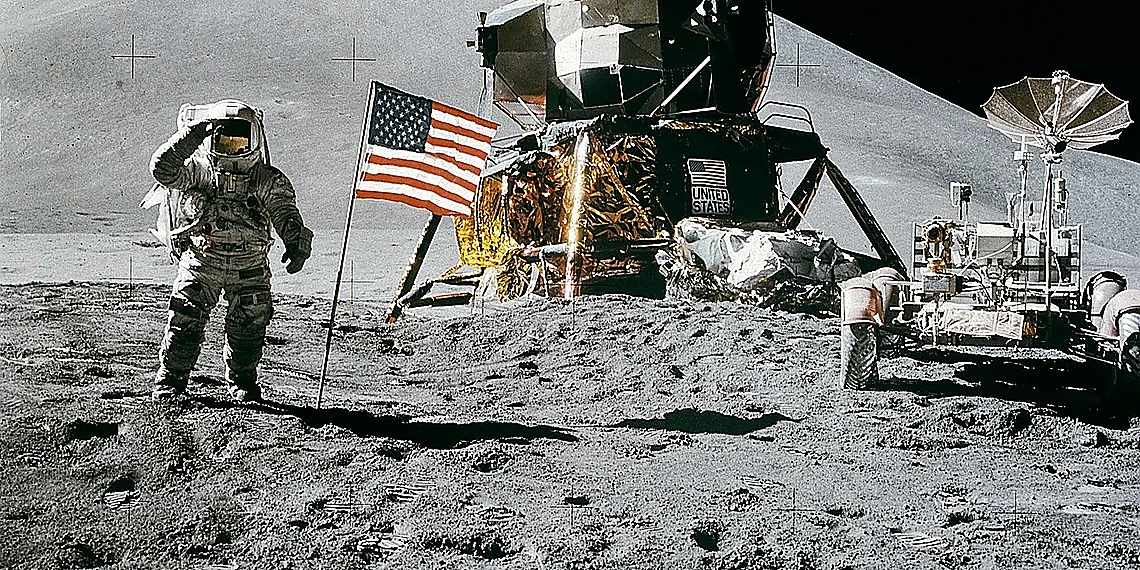
The festive spirit surrounding recent milestones in space exploration serves as a powerful reminder of humanity’s enduring fascination with the cosmos, and the dedication fueling it is truly inspiring.
Beyond the holiday cheer, the progress we’ve witnessed underscores the tangible steps being taken toward returning humans to the Moon – a goal that represents more than just scientific achievement; it signifies a renewed ambition for pushing boundaries and expanding our understanding of the universe.
The meticulous preparations and rigorous testing surrounding the Artemis II rocket, for example, exemplify the immense effort involved in ensuring crew safety and mission success, even seemingly small celebrations play an important role in maintaining team morale and focus throughout such complex endeavors.
This isn’t merely about planting flags or collecting samples; it’s about establishing a sustainable presence beyond Earth, opening doors to groundbreaking discoveries, and ultimately shaping a future where space exploration is accessible to all of humankind. The potential for scientific breakthroughs and technological innovation stemming from these missions is simply staggering, promising benefits that will ripple across countless industries here on Earth as well. A return to the Moon paves the way for even more ambitious journeys further into our solar system and beyond, igniting a new era of exploration and discovery. It’s an incredibly exciting time to be alive and witness this unfolding chapter in human history. We stand at the precipice of a truly remarkable age, poised to unlock secrets that have captivated us for millennia. Let’s look forward with optimism and anticipation as we continue to reach for the stars together. Don’t miss out on seeing what’s next! Follow NASA’s progress closely and dive deeper into the Artemis program – there’s a universe of knowledge waiting to be explored.
Continue reading on ByteTrending:
Discover more tech insights on ByteTrending ByteTrending.
Discover more from ByteTrending
Subscribe to get the latest posts sent to your email.