
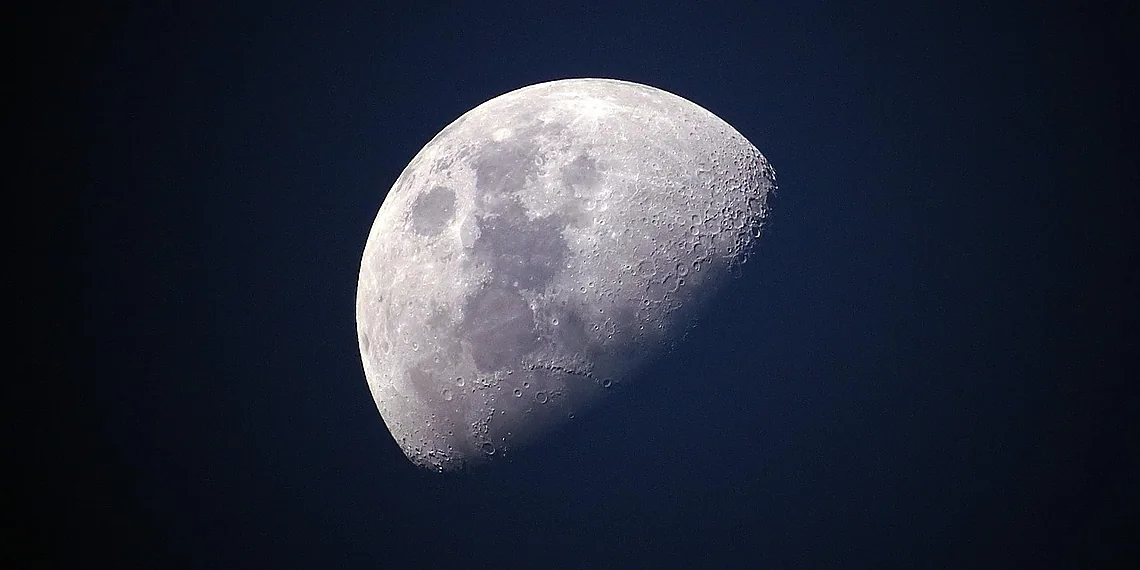
Humanity’s return to the Moon is no longer a distant dream; it’s an unfolding reality, driven by NASA’s ambitious Artemis program. This groundbreaking initiative aims not just to revisit our lunar neighbor, but to establish a sustainable presence there, paving the way for future missions deeper into the solar system. The excitement surrounding astronauts stepping back onto the lunar surface often dominates headlines, and rightfully so, but behind every successful mission lies an intricate network of expertise ensuring everything runs flawlessly.
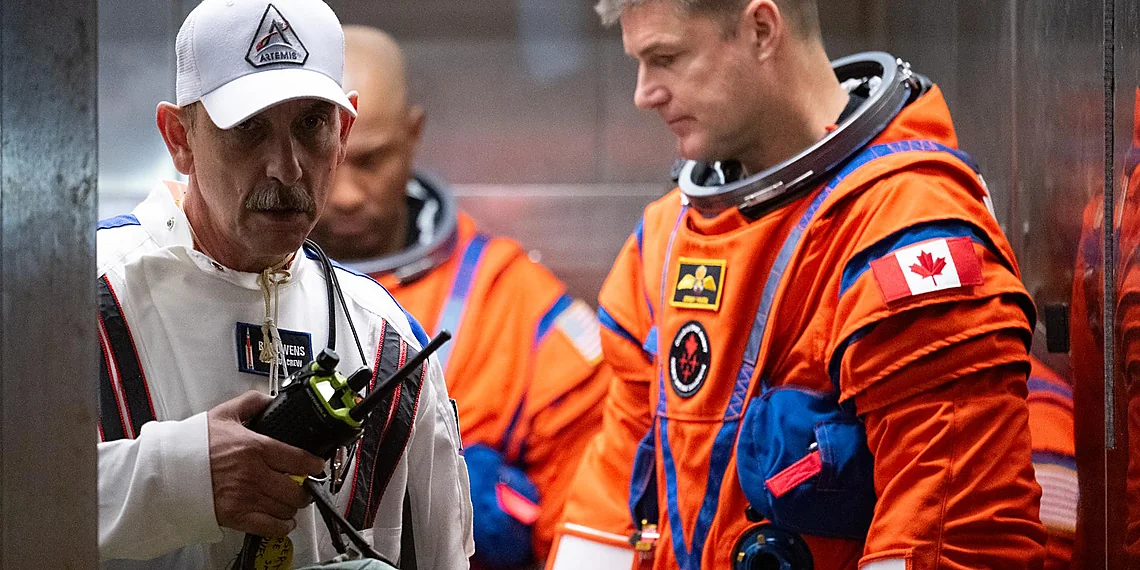
While we celebrate the bravery of our space explorers, it’s vital to recognize the dedicated specialists who work tirelessly behind the scenes – a group frequently referred to as the ‘closeout crew.’ These individuals are the final line of defense and first responders for astronauts preparing for launch and returning from missions. Their meticulous attention to detail and specialized skills are absolutely critical; they ensure life support systems function perfectly, spacesuits are pristine, and every aspect of the spacecraft environment is optimized for astronaut safety.
The Artemis Mission Support effort encompasses a vast range of functions, but the closeout crew’s role stands out as particularly vital. They’re not just technicians; they’re problem-solvers, quick thinkers, and experts in their fields, working under immense pressure to guarantee mission success. This article delves into the world of these unsung heroes, exploring their responsibilities, challenges, and the profound impact they have on the Artemis program and beyond.
The Artemis Mission Context
The Artemis program represents humanity’s ambitious return to the Moon and a critical stepping stone towards future missions to Mars. More than just a symbolic achievement, Artemis aims to establish a sustainable presence on the lunar surface, conducting groundbreaking scientific research and developing technologies essential for deep-space exploration. At its core, the program utilizes the powerful Space Launch System (SLS) rocket to propel the Orion spacecraft – designed to carry astronauts – beyond Earth’s orbit. The initial phases involve unmanned test flights and orbiting missions, culminating in Artemis II, a crewed flyby of the Moon, before eventually landing humans on the lunar south pole.
Successfully executing such complex endeavors necessitates an extraordinary level of precision and meticulous preparation. While we often focus on the astronauts themselves – like Christina H. Koch, G. Reid Wiseman, and Victor J. Glover who will be part of Artemis II – there’s a dedicated team working tirelessly behind the scenes to ensure their safety and mission success: the Artemis closeout crew. These specialists play an absolutely vital role in preparing the Orion spacecraft for each flight, performing tasks that many take for granted on Earth but become significantly more challenging in the context of space travel.
Imagine getting into your car – a routine task. Now consider the immense complexity when that ‘car’ is NASA’s Orion spacecraft and the destination is the Moon. For the Artemis astronauts, simply entering and securing themselves within the capsule requires assistance from this specialized crew. These individuals are meticulously trained to handle every aspect of pre-flight preparation, from systems checks and environmental control to ensuring all equipment is functioning flawlessly before the hatch is sealed and the countdown begins.
The work of the Artemis closeout crew highlights a crucial truth about space exploration: it’s not just about the daring astronauts; it’s about the entire team – the engineers, technicians, and support personnel – who collectively make these extraordinary feats possible. Their dedication and expertise are fundamental to the success of the Artemis mission and represent an often-overlooked aspect of our journey back to the Moon.
Beyond the Headlines: What is Artemis?
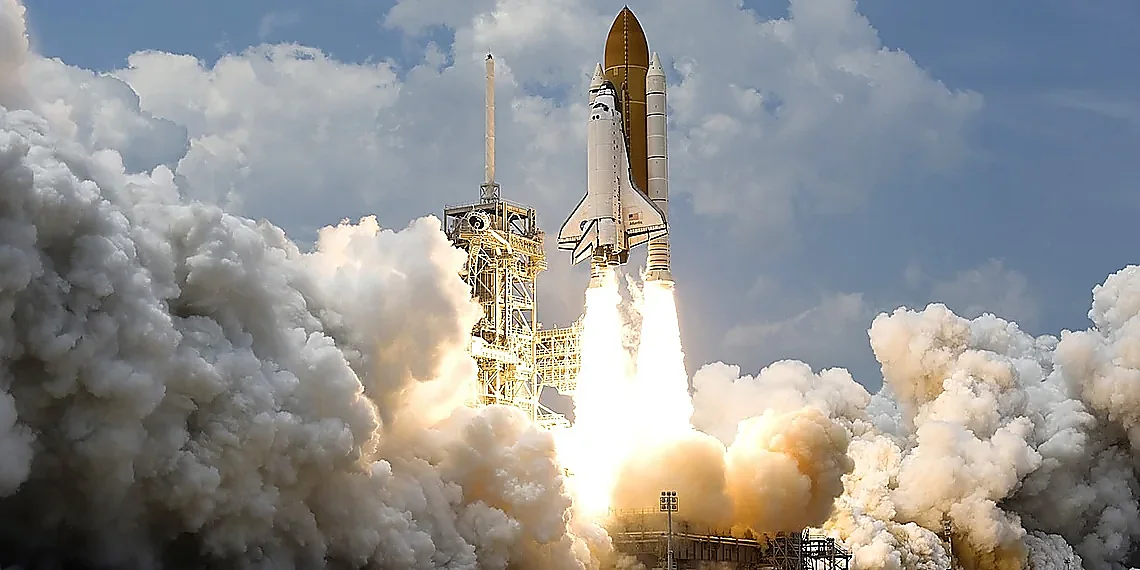
The Artemis program represents NASA’s ambitious return to the Moon and a crucial stepping stone towards future human missions to Mars. Unlike previous lunar endeavors, Artemis aims not just to visit but to establish a sustained presence on the lunar surface, conducting scientific research and developing technologies for longer-duration space travel.
At the heart of Artemis are two primary components: the Space Launch System (SLS) rocket, which provides the immense power needed to send spacecraft beyond Earth orbit, and the Orion crew capsule, designed to carry astronauts safely to and from the Moon. The program is structured in phases, beginning with uncrewed test flights around the Moon (Artemis I), followed by a crewed flyby (Artemis II), and culminating in a lunar landing with the Artemis III mission.
The overall timeline envisions humans returning to the lunar surface by 2025 or shortly thereafter. Subsequent missions will focus on building infrastructure, like habitats and power systems, to enable continuous exploration and pave the way for eventual human expeditions to Mars – utilizing lessons learned and technologies tested during the Artemis program.
Meet the Closeout Crew
While all eyes will be on Christina H. Koch, Reid Wiseman, Victor Glover, and Andre Douglas as they embark on Artemis II, a dedicated team of specialists – the closeout crew – quietly but crucially prepares the Orion spacecraft for their journey to the Moon. These aren’t just helpers; they are highly trained professionals whose precision and attention to detail are absolutely vital for mission success. Their role is far more intricate than simply assisting astronauts into the capsule; it’s a complex ballet of technical expertise, meticulous procedures, and unwavering focus, all designed to ensure the crew’s safety and comfort from the moment they enter Orion.
The Artemis closeout crew undergoes rigorous training that extends well beyond basic astronaut support. They become intimately familiar with every aspect of the Orion Multi-Purpose Crew Vehicle – from its life support systems to the intricate restraint mechanisms that secure the astronauts during launch and landing. Each member specializes in specific tasks, requiring them to master not only technical skills but also the ability to anticipate potential issues and react calmly under pressure. This training emphasizes communication and teamwork; a single misstep or misunderstanding could jeopardize the entire mission.
Imagine the responsibility: ensuring that each spacesuit fits perfectly, verifying critical life support systems are functioning flawlessly, and meticulously checking every restraint system before the hatch closes. These aren’t tasks performed with casual oversight; they demand absolute precision and adherence to protocol. For example, a subtle pressure leak in an astronaut’s suit could have serious consequences during the mission, so the closeout crew’s assessment is paramount. They are the final line of defense ensuring everything is ready before the monumental task of launching humans towards the Moon begins.
Beyond the technical expertise, there’s a deep sense of camaraderie and shared purpose within the closeout crew. They understand their integral role in this historic endeavor – supporting the astronauts who represent humanity’s renewed push for lunar exploration. While they may not be in the headlines, their dedication and skill are essential components of the Artemis Mission Support infrastructure, quietly enabling humankind’s return to the Moon.
More Than Just Helpers: Their Critical Role

The Artemis closeout crew plays a surprisingly vital role in ensuring astronaut safety and mission success. Often unseen by the public eye, these highly trained specialists are responsible for assisting astronauts into the Orion spacecraft, meticulously checking every detail from spacesuit fit to restraint functionality. Their tasks extend far beyond simply ‘helping’ someone get inside; they’re conducting critical pre-flight checks on life support systems, verifying proper suit pressurization and temperature regulation, and ensuring all connections are secure – essentially acting as a last line of defense before the hatch closes.
Specifically, crew members assist with donning spacesuits within the Crew Access System (CAS), a specialized facility that allows for controlled environmental conditions. They meticulously adjust helmet fit, check communications systems, and ensure the astronauts are comfortably and securely positioned in their launch seats. This process involves careful monitoring of pressure readings, oxygen levels, and other vital parameters to guarantee a safe and stable environment within Orion before liftoff. Any deviation from established protocols requires immediate assessment and correction.
The precision required is immense; even minor errors can compromise astronaut safety or impact mission performance. For instance, an improperly fitted spacesuit could lead to discomfort and potential physiological issues during the flight, while a faulty restraint system could create hazards during launch acceleration. The closeout crew’s rigorous training—which includes extensive simulations and hands-on experience—is designed to mitigate these risks and guarantee that each astronaut enters Orion fully prepared for the journey ahead.
The Science of Precision
The Artemis Mission Support team often operates behind the scenes, yet their contributions are absolutely critical to mission success. While astronauts capture headlines with their lunar journeys, a dedicated group of specialists ensures their safe and secure transport – the closeout crew. These individuals aren’t just helping passengers into a vehicle; they’re meticulously preparing the Orion Multi-Purpose Crew Vehicle for its journey beyond Earth, demanding an unparalleled level of technical expertise and precision. Becoming a member of this elite team requires more than just mechanical aptitude; it demands a deep understanding of complex systems and the ability to troubleshoot issues in real-time.
The ‘Science of Precision’ is truly at the heart of what these closeout crew members do. Their training program is incredibly intensive, encompassing countless simulations designed to prepare them for any conceivable scenario – from routine procedures to unexpected emergencies. They become intimately familiar with every system on Orion, learning how each component functions and interacts. This isn’t simply about knowing *what* things are; it’s about understanding *why* they function the way they do, enabling rapid diagnosis and problem-solving when faced with unforeseen circumstances. Tools like specialized torque wrenches, diagnostic software, and custom rigging equipment become extensions of their expertise.
Maintaining composure under pressure is paramount. The Artemis closeout crew regularly practice emergency procedures – mock depressurization events, fire drills, and even simulations involving medical emergencies onboard the spacecraft. These exercises aren’t just about following checklists; they’re designed to build muscle memory and foster an instinctive response to crisis situations. Andre Douglas, Christina H. Koch, G. Reid Wiseman, and Victor J. Glover – all future Artemis II crew members – rely on this team’s readiness and meticulousness to ensure a safe launch and journey.
Ultimately, the role of the closeout crew highlights NASA’s commitment to redundancy and safety within the Exploration Ground Systems program. They are not merely assistants; they are vital system experts, problem-solvers, and guardians of the spacecraft, quietly ensuring that every detail is perfect before the Space Launch System (SLS) rockets off towards the Moon.
Training for the Unknown
The Artemis Mission Support team, specifically the closeout crew, undergoes a remarkably intensive training program far beyond simply assisting astronauts into the Orion spacecraft. Their preparation involves extensive simulations designed to replicate every conceivable scenario, from routine pre-launch checks to complex emergency procedures. These simulations aren’t just theoretical; they incorporate realistic hardware and environments, forcing the team to react under pressure and troubleshoot unexpected issues that can arise during countdowns. They must demonstrate proficiency in systems familiarization, understanding not only their own tasks but also how each subsystem of Orion interacts with others.
A key element of their training focuses on maintaining composure and effective communication when faced with anomalies. The crew practices rapid problem-solving techniques and decision-making protocols to ensure a swift and safe response to any deviation from the planned sequence. This includes practicing scenarios like unexpected pressure drops, equipment malfunctions, or even simulated medical emergencies involving the astronauts. They are trained to anticipate potential problems and proactively address them, minimizing delays and ensuring astronaut safety remains paramount.
To facilitate this demanding training, the Artemis closeout crew utilizes a variety of specialized tools and equipment. These include advanced diagnostic software for real-time system monitoring, mockups of Orion’s interior for practicing ingress and egress procedures, and sophisticated communication systems to coordinate with mission control and other teams at Kennedy Space Center. They are also rigorously trained in emergency response gear operation, including oxygen masks and fire suppression systems, ensuring they can provide immediate assistance if needed.
Looking Ahead: The Future of Crew Support
The current dedication of the Artemis closeout crew represents a crucial stepping stone towards more ambitious space exploration goals. As we look ahead beyond lunar orbit – envisioning missions to Mars and potentially even further destinations – the role of crew support will evolve significantly. The meticulous, hands-on approach currently employed for Orion ingress and egress will likely need to adapt to accommodate increasingly complex spacecraft designs and mission durations. We can anticipate a greater emphasis on remote monitoring and diagnostics, allowing ground teams to provide assistance from vast distances while minimizing risk to astronauts.
One key area of development will be the integration of automation and robotics into crew support processes. Imagine robotic arms assisting with suit donning and doffing procedures or automated systems performing pre-flight checks on life support equipment. While human interaction and oversight will remain essential, these technologies could free up crew support personnel to focus on more complex tasks and emergency scenarios. Furthermore, the need for specialized expertise – such as those demonstrated by Christina H. Koch and Andre Douglas – suggests a future where dedicated ‘spacecraft concierge’ teams become standard practice for deep-space missions.
However, expanding crew support beyond lunar orbit also presents considerable challenges. The increased distances involved will necessitate more robust communication infrastructure and significantly longer response times. This demands even greater precision in training and preparedness from the support team, alongside a heightened reliance on autonomous systems capable of handling unexpected situations. International collaboration will be paramount; sharing expertise and resources across space agencies will become essential for tackling the complexities of deep-space human exploration.
Ultimately, the lessons learned from supporting the Artemis missions – particularly Artemis II – will shape the future of crew support in profound ways. The framework established by the Exploration Ground Systems team at Kennedy Space Center is not just about getting astronauts safely into their spacecraft; it’s about building a foundation for sustainable human presence beyond Earth. This foundational work, and the continued refinement thereof, ensures that as we reach for Mars and beyond, no one is left to navigate those journeys alone.
Beyond Artemis II: Expanding Expertise
The expertise gained from the Artemis closeout crew – a specialized team ensuring astronaut safety and spacecraft readiness – will be invaluable for future deep-space endeavors like Mars missions. Currently, this support is heavily reliant on human interaction, involving meticulous procedures to assist astronauts in donning spacesuits, entering vehicles, and verifying life support systems. As destinations become farther and communication delays increase, the lessons learned regarding efficiency, redundancy, and problem-solving under pressure will directly inform the development of streamlined crew support protocols for missions beyond the Moon.
Looking ahead, we can anticipate a significant shift towards automation and robotics integration in future crew support roles. Imagine robotic assistants performing pre-flight checks on spacesuits or assisting with initial ingress procedures, freeing up human specialists to focus on more complex tasks and emergency scenarios. This also aligns with NASA’s broader push for autonomous systems capable of operating with minimal oversight, particularly crucial when dealing with the extended transit times inherent in Mars exploration. Furthermore, advanced sensor technology integrated into crew support equipment could provide real-time biometric data and environmental monitoring, enhancing astronaut safety.
International collaboration will likely become even more critical in these expanded roles. Future missions are increasingly envisioned as partnerships involving multiple space agencies, necessitating standardized crew support protocols and interoperable technologies. Sharing best practices, training methodologies, and potentially even specialized robotic systems amongst international partners can reduce costs, improve efficiency, and build a robust network of expertise to ensure the safety and success of ambitious deep-space exploration programs.
The incredible journey of lunar exploration wouldn’t be possible without the meticulous work of the closeout crew, a team often operating behind the scenes but absolutely vital to mission success. Their dedication ensures every system functions flawlessly before astronauts even step foot inside the Orion spacecraft or lander, safeguarding lives and maximizing scientific opportunity. We’ve highlighted just a fraction of their expertise – from electrical checks to environmental controls – revealing the depth of skill required for this critical role. Understanding the complexities involved truly underscores the immense responsibility they shoulder with unwavering professionalism. The success of future lunar endeavors, particularly those relying on robust Artemis Mission Support, depends heavily upon their continued excellence and innovative problem-solving. Let’s remember that every giant leap forward is built upon a foundation of countless smaller, essential tasks performed by these unsung heroes. Their commitment to precision and safety allows humanity to reach for the stars with confidence. To fully appreciate the scope of this ambitious program, we encourage you to delve deeper into NASA’s Artemis program and discover more about the brilliant minds – both astronauts and ground crew alike – who are shaping our future in space. Visit NASA’s website today to explore their resources and learn how you can follow along with this incredible chapter in human history.
Explore the Artemis program’s official site to witness firsthand the collaborative spirit driving lunar exploration. Learn about the technologies being developed and the scientific discoveries waiting to be made on the Moon.
Continue reading on ByteTrending:
Discover more tech insights on ByteTrending ByteTrending.
Discover more from ByteTrending
Subscribe to get the latest posts sent to your email.