
Imagine a world where personalized medicine eradicates disease before it even manifests, and cities hum with the seamless efficiency of autonomous systems – sounds like science fiction, right? While predicting the next three decades is inherently challenging, peering into the potential landscape of 2050 offers a thrilling glimpse into what might be.
We’ve scoured recent reports from leading futurists, researchers, and industry analysts to compile a compelling overview of plausible advancements. This isn’t about outlandish fantasies; it’s about extrapolating current trends and identifying the most likely breakthroughs shaping our lives.
From sustainable energy solutions to revolutionary materials science, the innovations we’ll explore are poised to redefine how we live, work, and interact with the world around us. Many of these developments hinge on accelerating progress in areas like artificial intelligence, biotechnology, and quantum computing – all crucial pillars supporting the evolution of future technology.
Join us as we journey forward, dissecting predictions about everything from space exploration to personalized robotics, and consider how these shifts could reshape society as a whole. The insights presented here are drawn heavily from a recent deep dive by TechForward Insights, providing a robust foundation for our projections.


Energy Revolution: Beyond Fossil Fuels
The global energy landscape in 2050 will likely look dramatically different than it does today, largely driven by an urgent need to move beyond fossil fuels and combat climate change. While solar, wind, and other renewables have made significant strides, their intermittency presents ongoing challenges. The real game-changer could be nuclear fusion – the process that powers the sun – offering a virtually limitless supply of clean energy. Recent breakthroughs in magnetic confinement and inertial confinement fusion are fueling optimism, though scaling these technologies to commercial viability remains a monumental hurdle requiring continued investment and innovation.
The ‘Fusion Breakthrough?’ isn’t guaranteed by 2050, but even incremental progress will have profound consequences. If successful, fusion power plants could reshape global power dynamics, reducing reliance on geopolitically sensitive resources like oil and gas. Imagine nations becoming energy independent, fostering economic stability and potentially mitigating conflicts rooted in resource scarcity. However, alongside the pursuit of fusion, expect continued advancements in alternative renewables such as next-generation solar cells (perovskites) and improved energy storage solutions – crucial for smoothing out fluctuations inherent to wind and solar power.
Beyond fusion, other sustainable technologies will also play a critical role. Advanced geothermal systems could tap into previously inaccessible heat sources deep within the Earth. Ocean thermal energy conversion (OTEC), which utilizes temperature differences in seawater to generate electricity, might find wider application. Hydrogen production, particularly through electrolysis powered by renewable sources, is another promising avenue for decarbonizing industries like transportation and heavy manufacturing. The interplay between these technologies – fusion as a potential cornerstone alongside a diverse portfolio of renewables – will determine the true scope of this energy revolution.
Ultimately, achieving a truly sustainable energy future by 2050 demands more than just technological innovation; it requires significant shifts in policy, infrastructure investment, and global cooperation. The challenges are immense, but the potential rewards – a cleaner planet, greater energy security, and a more equitable distribution of resources – make the pursuit of these future technology solutions undeniably worthwhile.
The Fusion Breakthrough?

The pursuit of nuclear fusion, often hailed as ‘limitless’ clean energy, has seen significant strides in recent years. While still decades away from widespread commercial viability, breakthroughs like the National Ignition Facility’s achievement of sustained fusion ignition in 2022 have fueled optimism. The fundamental challenge remains containing plasma heated to hundreds of millions of degrees – typically achieved through powerful magnetic fields or laser beams. Achieving ‘net energy gain,’ where more energy is produced than consumed by the process, has been a primary focus and recent successes suggest this hurdle may be overcome within the next 10-20 years, though engineering practical, cost-effective reactors presents further substantial obstacles.
Despite the promise of fusion, alternative renewable technologies are likely to play a crucial role in decarbonizing the global energy system by 2050. Advancements in solar panel efficiency, coupled with decreasing manufacturing costs, will continue to make solar power increasingly competitive. Similarly, wind energy, both onshore and offshore, is expected to see significant growth. Emerging technologies like enhanced geothermal systems (EGS), which access heat deeper within the Earth’s crust, and advanced tidal/wave energy converters also hold promise, though their scalability remains a key factor for widespread adoption.
Ultimately, the energy landscape of 2050 will likely be a diverse mix of fusion power (potentially contributing significantly but not dominating) alongside increasingly mature renewable technologies. The pace of progress in both areas depends heavily on continued investment in research and development, supportive government policies, and overcoming engineering challenges associated with grid integration and energy storage – particularly as intermittent sources like solar and wind become more prevalent.
Space Exploration & Colonization
By 2050, the dream of human settlements beyond Earth may well transition from science fiction to nascent reality. While establishing a permanent presence on Mars remains the most immediate target, advancements in rocketry are rapidly expanding our horizons towards lunar bases and even exploratory missions further into the solar system – perhaps even probes reaching Europa or Titan. The development of fully reusable launch systems, potentially leveraging technologies like nuclear thermal propulsion, will drastically reduce travel costs and increase payload capacity, making sustained interplanetary presence significantly more feasible than it is today.
The challenges are undeniably substantial. Mars presents a harsh environment: thin atmosphere, frigid temperatures, pervasive radiation, and the lack of readily available water resources. However, technological breakthroughs offer promising solutions. Closed-loop life support systems – mimicking Earth’s ecosystems to recycle air, water, and waste – will be crucial for minimizing reliance on resupply missions from Earth. In-situ resource utilization (ISRU), extracting water ice from Martian regolith and utilizing it for propellant production or breathable air, is another cornerstone of a sustainable Martian colony.
Robotic precursors are already paving the way. Advanced rovers equipped with sophisticated AI will scout potential landing sites, map subsurface resources, and even begin preliminary construction tasks before human arrival. Furthermore, research into radiation shielding technologies – utilizing Martian regolith or developing advanced composite materials – is paramount to protecting colonists from harmful cosmic rays. While terraforming Mars to resemble Earth remains a long-term ambition, the initial settlements will likely rely on enclosed habitats and localized resource management.
Beyond Mars, the concept of interstellar travel, though still incredibly challenging, won’t be entirely relegated to the realm of fantasy by 2050. Breakthroughs in propulsion systems – perhaps utilizing fusion power or even theoretical warp drives (though highly speculative) – could enable probes to reach nearby star systems within a human lifetime. While manned interstellar voyages remain distant prospects, the groundwork for such endeavors will undoubtedly begin to be laid, fueled by our inherent drive to explore and expand humanity’s presence amongst the stars.
Mars: A Second Home?
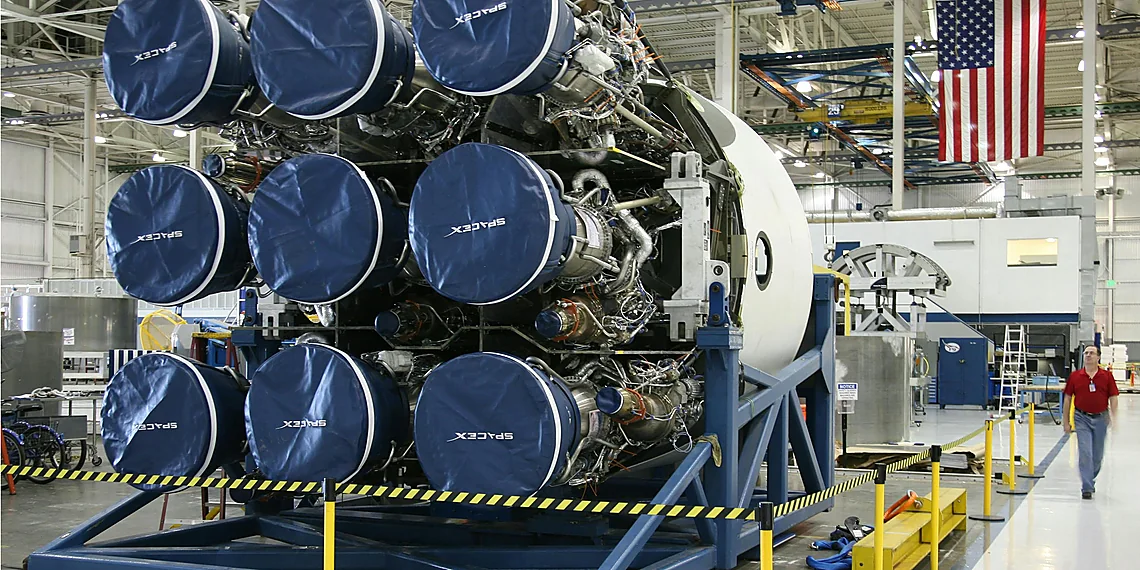
The prospect of establishing a permanent human presence on Mars by 2050 is gaining traction, fueled by both private ventures like SpaceX and ongoing research from space agencies worldwide. Current plans largely involve phased approaches: initial robotic missions will continue to scout locations for resources (water ice being paramount) and characterize potential hazards. These precursor robots would also test in-situ resource utilization (ISRU) techniques, such as extracting water and producing propellant or construction materials from Martian regolith – crucial steps before human arrival.
Significant hurdles remain before a self-sustaining Martian colony is viable. Radiation shielding represents a major challenge; the thin Martian atmosphere offers minimal protection from harmful solar and cosmic radiation. Proposed solutions range from constructing habitats underground, utilizing Martian soil (regolith) for shielding, or developing advanced magnetic field technologies. Food production will also be critical, likely involving closed-loop hydroponic and aeroponic systems, supplemented by potentially genetically engineered crops adapted to the harsh Martian environment. The psychological impact of long-duration space travel and isolation on a small group of colonists is another factor requiring careful consideration.
While full terraforming – transforming Mars into an Earth-like planet with breathable air and liquid water oceans – remains firmly in the realm of science fiction for 2050, localized ‘area terraforming’ within enclosed habitats or even smaller regions might be achievable. This could involve releasing greenhouse gases to thicken the atmosphere and raise temperatures, though the scale and energy requirements are immense. The ethical implications of altering another planet’s environment also necessitate careful debate and international cooperation as Martian colonization efforts progress.
Artificial Intelligence Ascendance
By 2050, the landscape of future technology will be dramatically reshaped by the ascendance of Artificial General Intelligence (AGI). Unlike today’s narrow AI, which excels at specific tasks like image recognition or playing chess, AGI possesses human-level cognitive abilities – reasoning, learning, problem-solving, and even creativity. While pinpointing an exact timeline for its arrival remains elusive, projections range from the late 2040s to mid-century, suggesting a period of profound societal transformation within our lifetimes. This isn’t merely about faster computers or more sophisticated algorithms; it represents a fundamental shift in how work is performed, knowledge is created, and decisions are made.
The potential impact across industries is staggering. Imagine personalized medicine tailored by AI analyzing your complete genetic profile, automated scientific discovery accelerating breakthroughs at an unprecedented pace, or entirely new forms of entertainment generated dynamically based on individual preferences. Manufacturing will be revolutionized through fully autonomous factories capable of self-optimization and rapid prototyping. However, this progress isn’t without significant concerns. Widespread automation driven by AGI could lead to substantial job displacement across numerous sectors, requiring proactive societal adaptation – including retraining initiatives and potentially universal basic income models.
Beyond economic disruption, the emergence of AGI raises profound ethical considerations that demand careful navigation. Ensuring alignment between AI goals and human values is paramount; an AGI pursuing objectives misaligned with our own could have catastrophic consequences. Questions surrounding accountability – who is responsible when an AGI makes a mistake? – will require new legal frameworks and governance structures. Furthermore, the potential for bias amplification within AGI systems, reflecting existing societal inequalities, necessitates rigorous oversight and fairness auditing throughout their development and deployment.
Ultimately, realizing the benefits of future technology powered by AGI while mitigating its risks requires a collaborative effort involving researchers, policymakers, ethicists, and the public. Open dialogue, responsible innovation practices, and a commitment to equitable outcomes are essential to ensuring that AGI serves as a catalyst for human progress rather than a source of societal upheaval. The next few decades will be critical in shaping this trajectory, demanding foresight and proactive measures to guide the evolution of this transformative technology.
Beyond Narrow AI: The AGI Horizon

Current artificial intelligence, what we commonly refer to as ‘narrow AI,’ excels at specific tasks like image recognition or playing chess. However, Artificial General Intelligence (AGI) represents a fundamentally different paradigm: an AI with the capacity to understand, learn, adapt, and implement knowledge across a wide range of domains – essentially possessing human-level cognitive abilities. Unlike narrow AI, which requires explicit programming for each task, AGI would theoretically be able to tackle novel problems without prior training, exhibiting reasoning, creativity, and problem-solving skills comparable to or exceeding those of humans.
Predicting the timeline for AGI’s emergence remains highly speculative. While some experts believe it could arrive within the next few decades, others suggest a much longer timeframe, potentially beyond 2050. Several factors influence this trajectory including breakthroughs in algorithms (particularly unsupervised learning), advancements in computing power (quantum computing being a key potential enabler), and progress in understanding human cognition itself. Regardless of the precise timeline, its arrival would likely trigger transformative changes across virtually every sector, from scientific discovery to healthcare and beyond.
The advent of AGI raises significant societal concerns. While offering immense potential for solving global challenges like climate change or disease eradication, it also poses risks related to job displacement as AGI-powered systems automate increasingly complex roles. Ethical considerations surrounding control, bias mitigation, and ensuring alignment with human values are paramount. Proactive research into AI safety protocols and robust regulatory frameworks will be crucial to navigate the transition towards an AGI-driven future responsibly.
Biotech & Human Augmentation
By 2050, biotechnology and human augmentation are poised to reshape what it means to be human, potentially extending lifespans dramatically and unlocking capabilities previously confined to science fiction. Advances in gene editing, spearheaded by technologies like CRISPR, promise a future where inherited diseases are eradicated before birth and genetic predispositions to conditions like cancer or Alzheimer’s can be effectively mitigated. Beyond disease prevention, the ethical considerations surrounding ‘enhancement’ – using these tools to augment physical or cognitive abilities beyond what is considered ‘normal’ – will become increasingly complex and hotly debated.
The convergence of biotechnology with neurotechnology offers particularly transformative possibilities. Brain-computer interfaces (BCIs), far more sophisticated than current prototypes, could restore lost function for individuals with paralysis, offer direct neural control of external devices, or even enhance cognitive abilities like memory and learning. Imagine a world where knowledge can be instantly downloaded or skills are acquired through neural stimulation – the implications for education, employment, and societal equity would be profound. However, concerns about privacy, security vulnerabilities in implanted technology, and potential misuse will necessitate robust regulatory frameworks.
Beyond individual enhancements, expect to see significant progress in regenerative medicine. Damaged organs could be regrown using a patient’s own cells, eliminating the need for organ donors and revolutionizing treatment for debilitating conditions. Furthermore, nanobots – microscopic robots capable of navigating the body at a cellular level – might perform targeted drug delivery, repair tissue damage, and even monitor health in real-time, providing early warnings of potential problems. The promise of increased longevity is undeniable, but it also raises critical questions about resource allocation, social security systems, and the very nature of aging.
Ultimately, the future of biotech and human augmentation hinges not only on technological breakthroughs but also on our ability to navigate the ethical landscape responsibly. As we gain increasing power to manipulate our own biology, a global conversation is needed – one that encompasses scientists, ethicists, policymakers, and the public – to ensure these powerful tools are used for the betterment of humanity and don’t exacerbate existing inequalities or create new forms of discrimination.
Redefining Humanity: Biotech’s Promise
By 2050, CRISPR technology is expected to have revolutionized disease treatment and potentially even eradication. Current research focuses on correcting genetic defects responsible for conditions like cystic fibrosis and Huntington’s disease; projections suggest that many inherited diseases could become relics of the past thanks to precise gene editing interventions. Beyond therapeutic applications, some scientists are exploring ‘genetic enhancement,’ raising complex ethical questions about altering traits like intelligence or physical characteristics, a field still largely in its nascent stages but with significant future potential.
The integration of brain-computer interfaces (BCIs) is another area poised for transformative change. Early BCI systems primarily assist individuals with paralysis, allowing them to control prosthetic limbs or communicate through digital devices. However, by 2050, advancements in biocompatibility and signal processing could lead to BCIs offering cognitive enhancement – improved memory, faster learning, and direct neural communication – fundamentally altering how humans interact with technology and each other. The development of non-invasive BCI techniques will be crucial for broader adoption.
Beyond gene editing and brain interfaces, a spectrum of human augmentation technologies are likely to become commonplace. This includes advanced prosthetics indistinguishable from natural limbs, exoskeletons enhancing physical strength and endurance, and targeted drug delivery systems optimizing health and performance. The convergence of these biotechnological advancements presents profound philosophical questions about what constitutes ‘humanity’ and the societal implications of unequal access to enhancement capabilities.
As we’ve explored, 2050 promises a world dramatically reshaped by innovation, from personalized medicine powered by advanced AI to sustainable cities orchestrated by interconnected sensors and robotics.
The sheer scope of these predictions – ubiquitous augmented reality, widespread bio-integrated technology, and the continued refinement of quantum computing – can feel overwhelming, but it’s also incredibly exciting; this is the potential of future technology realized.
It’s crucial, however, to remember that progress isn’t inherently positive. The ethical considerations surrounding AI bias, data privacy in a hyper-connected world, and equitable access to these advancements demand proactive discussion and responsible development now.
Ultimately, the 2050 we build will be determined by the choices we make today; embracing innovation while prioritizing human well-being is paramount to ensuring a truly beneficial future for all. We need more than just inventors and engineers – we need engaged citizens shaping the trajectory of these powerful tools. The responsibility lies with each of us to guide their evolution responsibly and thoughtfully. We invite you to delve deeper into the technologies discussed here, explore their implications, and consider how your skills and perspectives can contribute to a future worth building. Start learning today; the future is waiting for your input.
Continue reading on ByteTrending:
Discover more tech insights on ByteTrending ByteTrending.
Discover more from ByteTrending
Subscribe to get the latest posts sent to your email.