

The future of human space exploration is hurtling towards reality, and it’s powered by ambition, innovation, and meticulous planning. We’re on the cusp of a new era in lunar missions, one that promises to build upon decades of scientific discovery and lay the groundwork for sustained presence beyond Earth’s orbit. The Artemis program represents more than just a return to the Moon; it’s a springboard for journeys further into our solar system. A cornerstone of this ambitious endeavor is Artemis II, the first crewed mission designed to orbit the Moon since 1972. Recent developments have brought that milestone even closer, and we’re here to break down what you need to know. The recent countdown demonstration test marked a vital step in confirming readiness for this historic flight, simulating critical launch procedures and allowing engineers to fine-tune every aspect of the mission profile. This rigorous testing is essential as Artemis II prepares to carry astronauts around the Moon, paving the way for future lunar landings and expanding our understanding of the cosmos. The dedication and expertise poured into each phase of development are truly inspiring, and we’ll be exploring these advancements in detail throughout this article.
The countdown demonstration test itself was a complex undertaking, involving extensive simulations and collaboration across multiple teams. It wasn’t simply about counting down; it was a comprehensive validation of the launch control systems, ground infrastructure, and communication protocols that will be essential for mission success. Observing this process highlights the sheer scale of effort required to safely send humans beyond low Earth orbit. The data gleaned from this test will inform final preparations and ensure the crew’s safety and the overall integrity of the Artemis II mission. Every detail is scrutinized, every potential issue identified and addressed, all in service of pushing the boundaries of human exploration.
What is the Countdown Demonstration?
The recent countdown demonstration test for Artemis II might sound like a dry procedure, but it’s actually a crucial step in ensuring a safe and successful mission. Think of it as a full-dress rehearsal for launch day, but without the actual ignition. NASA’s teams, including the astronauts Christina Koch, Reid Wiseman, Victor Glover, and Jeremy Hansen, went through nearly every action they would perform on launch day, from powering up Orion’s life support systems to practicing emergency procedures – all while still strapped into their launch and entry suits. This isn’t just about checking boxes; it’s a deeply integrated exercise designed to identify potential hiccups *before* the real thing.
What made this demonstration particularly valuable was the full participation of the Artemis II crew. Having them in their spacesuits allowed engineers and flight controllers to assess everything from suit mobility within the Orion capsule to communication protocols under simulated launch conditions. The team meticulously worked through timelines, verified system readiness – including critical elements like the Space Launch System (SLS) rocket’s interfaces with the Orion spacecraft – and practiced responses to various scenarios that could arise during ascent. While a typical countdown test might involve just ground personnel, having the astronauts onboard provides invaluable feedback on the entire process from the perspective of those who will be experiencing it firsthand.
The purpose goes beyond simply verifying equipment functionality. It’s about building confidence – for both the crew and mission control. By simulating launch day conditions, teams can pinpoint areas where procedures might need refinement or adjustments made to hardware configurations. Any issues uncovered during this demonstration are then meticulously addressed and corrected, leading to a more robust and reliable launch plan. This iterative process is fundamental to spaceflight safety; it’s far better to identify and resolve problems on the ground than risk encountering them mid-mission.
Ultimately, the countdown demonstration test for Artemis II underscores NASA’s commitment to thorough preparation before embarking on this ambitious lunar mission. It highlights a proactive approach – embracing potential challenges through rigorous testing and incorporating astronaut feedback – all in service of ensuring the safety and success of returning humans to deep space.
Simulating Launch Day

To ensure everything goes smoothly when Artemis II launches, NASA recently conducted what’s called a Countdown Demonstration Test (CDT). Think of it as a full dress rehearsal for launch day – but without actually launching the rocket! The test involved powering up all of Orion’s critical systems, including life support and communications, just like they would be on the real launch. This allowed engineers to verify that each system behaves as expected under simulated launch conditions.
The Artemis II astronauts – Christina Koch, Reid Wiseman, Victor Glover, and Jeremy Hansen – participated in the CDT wearing their launch and entry suits. They boarded the Orion spacecraft atop the Space Launch System (SLS) rocket at Kennedy Space Center and went through a series of procedures, from pre-flight checks to practicing emergency protocols. This gave them invaluable experience working within the confined space of the capsule and coordinating with ground control.
The primary goal of the CDT was to identify any potential issues or snags before the actual launch attempt. By meticulously simulating every step of the countdown, teams could pinpoint areas needing refinement – whether it’s a software glitch, a procedural adjustment, or even just ensuring everyone knows exactly what their role is. This proactive approach significantly increases the likelihood of a successful Artemis II mission.
Meet the Artemis II Crew
The Artemis II mission isn’t just about advanced spacecraft and cutting-edge technology; it’s also about the incredible individuals entrusted with piloting this historic journey around the Moon. Meet the crew: Commander Reid Wiseman, pilot Christina Koch, and mission specialists Andre Douglas and Victor Glover. Each member brings a wealth of experience and expertise crucial to the success of this demonstration flight, representing years of rigorous training and diverse backgrounds that contribute to the team’s overall strength.
Commander Reid Wiseman, an experienced astronaut and former Navy test pilot, will lead the Artemis II crew. His proficiency in handling complex systems and decision-making under pressure is invaluable for navigating the challenges ahead. Christina Koch, a veteran of two previous spaceflights and record-holder for the longest single flight by a woman, brings extensive knowledge of long-duration space missions and scientific experimentation to the team. Her understanding of spacecraft operations and crew dynamics will be vital during this critical test.
Joining them are mission specialists Andre Douglas and Victor Glover. Douglas, also a former Marine fighter pilot, contributes his expertise in operational systems and problem-solving skills. Glover, the first African American to orbit Earth as part of a long-duration spaceflight, brings an important perspective on teamwork and adaptability. This carefully assembled team embodies NASA’s commitment to diversity and inclusion, recognizing that diverse experiences lead to more robust solutions and enhance mission success – both technically and operationally.
The recent countdown demonstration test saw the entire crew, suited up in their launch and entry suits, participate fully in the simulated launch sequence alongside ground control. This hands-on experience, coupled with years of individual training and collaborative exercises, underscores the meticulous preparation underway to ensure Artemis II’s success. Their involvement isn’t just ceremonial; it’s a critical element in validating procedures and building confidence ahead of the actual flight early next year.
A Diverse Team for a Historic Flight

The Artemis II crew isn’t just a collection of highly skilled astronauts; they represent a significant step forward for NASA in terms of diversity and experience. The team includes Commander Reid Wiseman, a veteran astronaut with two previous spaceflights under his belt, including time aboard the International Space Station where he conducted spacewalks and scientific research. He’ll be joined by pilot Christina Koch, who holds the record for the longest single flight by a woman in space – over 300 days on the ISS – and brings invaluable experience with complex systems and operational expertise.
Joining Wiseman and Koch are mission specialists Woody Holtzman and Victor Glover. Holtzman, born in Moscow, Russia, immigrated to the United States as a child and is an experienced test-pilot school graduate and NASA’s first astronaut with Russian heritage. Glover, also a veteran of the ISS, is only the second African American man to travel to space, bringing a unique perspective and leadership qualities honed through his military career as a Marine Corps fighter pilot. His selection highlights NASA’s commitment to inclusivity and broadening representation in space exploration.
Each member’s background contributes uniquely to the mission’s success – from Koch’s extensive operational experience to Glover’s leadership skills and Wiseman’s deep familiarity with spacecraft systems. Their participation in the recent countdown demonstration test, fully suited up in their launch and entry suits, demonstrated not only their readiness for the flight but also underscored NASA’s dedication to rigorous preparation as they prepare for this historic journey around the Moon.
Technology Spotlight: Orion and SLS
The Artemis II mission wouldn’t be possible without two monumental technological achievements: the Orion spacecraft and the Space Launch System (SLS) rocket. Orion represents a significant leap forward in crewed spacecraft design, built to handle the rigors of deep space travel far beyond low Earth orbit. Its heat shield, for instance, is the largest ever flown in space, crucial for surviving the intense re-entry speeds upon returning to Earth after orbiting the Moon. Beyond just structural integrity, Orion incorporates advanced life support systems designed to maintain a safe and comfortable environment for astronauts during extended missions, including sophisticated water recycling and waste management – vital for lunar surface operations planned for future Artemis iterations.
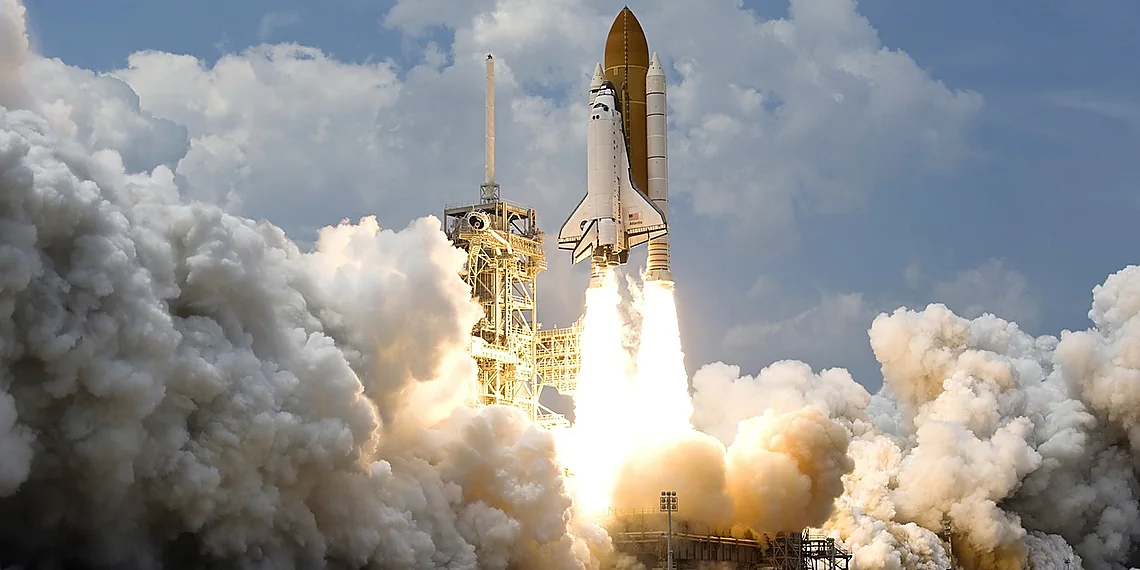
Complementing Orion is the SLS rocket, specifically the Block 1 configuration used for Artemis II. This isn’t just about getting something into orbit; it’s about delivering a substantial payload—Orion and its crew—to the Moon. SLS boasts unprecedented thrust power, significantly exceeding that of previous rockets like the Saturn V. This immense power allows Orion to escape Earth’s gravity and achieve lunar orbit without requiring complex orbital maneuvers or multiple launch stages. The sheer lifting capability is essential for carrying both the spacecraft and the necessary supplies for a crewed mission beyond low-Earth orbit, paving the way for sustained lunar presence.
The need for these advanced technologies stems directly from the challenges of lunar missions. Unlike shorter trips to the International Space Station, journeys around and to the Moon expose astronauts to significantly higher levels of radiation, requiring robust shielding integrated into Orion’s design. Moreover, the distances involved necessitate more powerful propulsion systems like those found in SLS, minimizing travel time and conserving vital resources. These innovations aren’t just about meeting technical requirements; they are fundamentally about ensuring astronaut safety and enabling a sustainable return to lunar exploration.
Ultimately, the combined capabilities of Orion and SLS represent a paradigm shift in space exploration technology. They provide not only the means for Artemis II’s successful mission around the Moon but also lay the groundwork for future Artemis missions aiming for a sustained presence on the lunar surface – including establishing a permanent base camp and eventually serving as a stepping stone for crewed missions to Mars.
Pushing the Boundaries of Spacecraft Design
The Artemis II mission hinges on two groundbreaking pieces of technology: the Orion crew capsule and the Space Launch System (SLS) rocket. Orion isn’t just a ‘space taxi’; it’s designed for deep space exploration, incorporating advanced radiation shielding to protect astronauts from harmful solar and cosmic rays – a critical necessity for lunar missions lasting longer than previous Apollo flights. Its life support systems are also significantly improved, enabling extended stays in the harsh environment of space and providing enhanced crew comfort and safety.
The SLS rocket is equally vital; its sheer power is unmatched by any rocket since the Saturn V. This immense thrust isn’t just about getting to the Moon quickly; it’s about carrying Orion and its precious cargo – including substantial scientific equipment – beyond Earth orbit and into a trajectory that allows for lunar orbit insertion. The modular design of SLS also provides flexibility for future Artemis missions, allowing for upgrades and expanded capabilities as we explore further.
Together, Orion and SLS represent a leap forward in spacecraft engineering. They’re not simply scaled-up versions of previous technology; they incorporate innovations born from decades of research focused on long-duration space travel and the challenges posed by operating far beyond Earth’s protective magnetic field. This combination allows Artemis II to safely carry astronauts around the Moon, paving the way for future lunar landings and eventual human missions to Mars.
What’s Next for Artemis II?
Following a successful countdown demonstration test on December 20th, the Artemis II mission continues its meticulous journey toward an anticipated early 2025 launch. This critical test saw the entire flight control team, along with astronauts Christina Koch, Reid Wiseman, and Andre Douglas, participating in a full dress rehearsal, simulating pre-launch procedures while wearing their advanced launch and entry suits. The demonstration validated key systems and workflows, ensuring seamless coordination between the crew and ground support – a vital step before sending them on their lunar flyby mission aboard the Orion spacecraft.
The road to launch isn’t without its remaining milestones and potential hurdles. Integrated system testing remains paramount, focusing on validating the interplay of all components including the Space Launch System (SLS) rocket and the Orion crew vehicle. Further reviews, encompassing everything from software performance to hardware integrity, are scheduled in the coming months. NASA’s Exploration Ground Systems team is also diligently preparing Kennedy Space Center for launch operations, ensuring optimal environmental conditions and logistical support. A revised launch date will be formally announced following these final assessments.
One of the primary challenges lies in maintaining strict adherence to a rigorous schedule while incorporating lessons learned from previous Artemis missions. Unexpected system anomalies or weather delays can easily impact timelines, necessitating flexibility and robust contingency planning. To mitigate these risks, NASA is employing enhanced data analysis techniques, leveraging simulations for predictive maintenance, and fostering open communication channels between all participating teams. This proactive approach aims to minimize potential disruptions and ensure a safe and successful Artemis II flight.
Ultimately, the success of Artemis II hinges on continued collaboration and meticulous attention to detail across numerous disciplines. While the countdown demonstration test represents a significant achievement, it’s just one piece of an intricate puzzle. Teams are committed to addressing any remaining challenges head-on, building upon previous successes, and preparing for this historic mission that will carry astronauts closer to the Moon than they’ve been in decades.
Road to Launch: Key Milestones Ahead
Following the successful December 20th countdown demonstration test, Artemis II’s path to launch is marked by several critical milestones. The next major step involves integrated system testing of the Orion spacecraft, European Service Module (ESM), and Space Launch System (SLS) rocket. These tests will verify all systems function cohesively under simulated launch conditions and address any remaining integration issues identified during previous assessments. Further software reviews are also planned to ensure operational readiness for both crew and mission control.
A pivotal ‘flight readiness review’ is scheduled for early 2024, where NASA leadership will formally assess the mission’s overall preparedness. This comprehensive review considers all aspects of the mission – from spacecraft hardware and software to ground support infrastructure and flight procedures. While no specific date has been announced, this review serves as a formal gate before launch operations can officially commence. A final integrated test is also planned shortly before launch.
While the recent countdown demonstration was positive, potential risks remain. Concerns surrounding the SLS rocket’s core stage performance and the ESM’s solar array deployment continue to be monitored closely. NASA is actively mitigating these through ongoing data analysis, hardware inspections, and refined operational procedures. The current target for Artemis II launch remains in late 2024, but this date remains subject to change based on the results of upcoming testing and reviews.
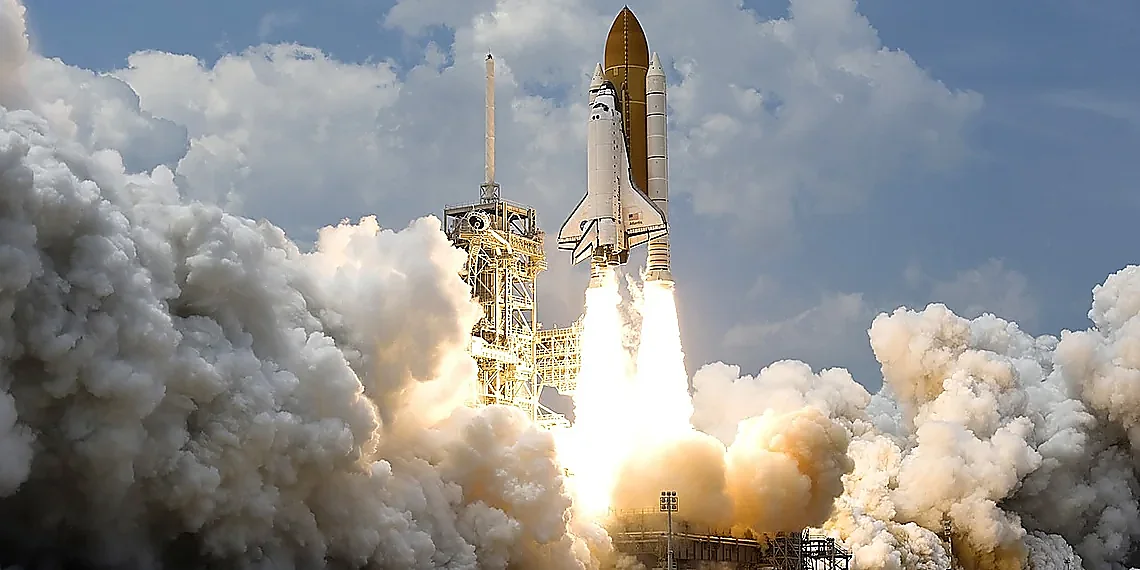
The meticulous preparations surrounding missions like Artemis II underscore a pivotal moment in space exploration, demonstrating our unwavering commitment to pushing the boundaries of what’s possible beyond Earth’s orbit.
This isn’t simply about revisiting the Moon; it’s about establishing a sustainable presence and paving the way for future lunar bases and even deeper excursions into our solar system, lessons learned from Artemis II will be invaluable.
The dedication and expertise poured into this endeavor represent humanity at its best – collaborative, innovative, and relentlessly pursuing discovery.
Seeing humans return to the lunar surface is more than just a scientific achievement; it’s an inspirational beacon for future generations of scientists, engineers, and dreamers worldwide. The success of Artemis II will undoubtedly fuel that inspiration further and solidify our place as explorers of the cosmos. We stand on the precipice of a new era in space travel, filled with immense potential and boundless opportunity.
Continue reading on ByteTrending:
Discover more tech insights on ByteTrending ByteTrending.
Discover more from ByteTrending
Subscribe to get the latest posts sent to your email.