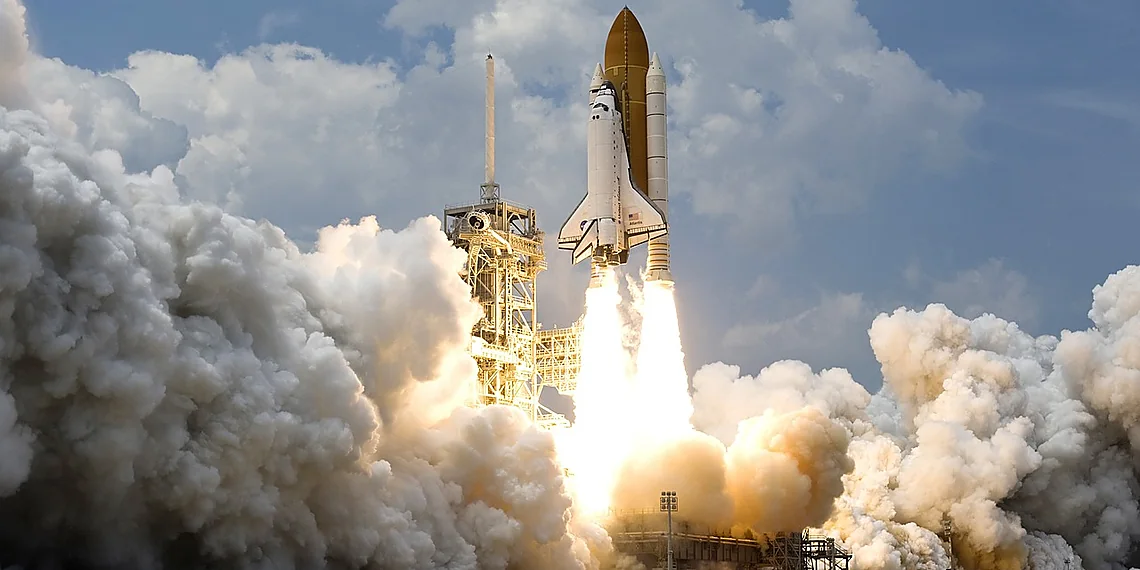

The Space Coast is buzzing, and not just with the usual coastal breeze – it’s vibrating with anticipation for an unprecedented flurry of rocket activity. For those keeping tabs on orbital ambitions, the next week promises to be a spectacle unlike anything we’ve seen recently, marking a truly remarkable period in space exploration. While United Launch Alliance also has missions slated nearby, the sheer density of launches dominating the headlines right now centers squarely around one name: SpaceX. SpaceX Launches are about to become a daily occurrence, essentially transforming Florida’s eastern shoreline into a launchpad metropolis. We’re talking multiple Falcon 9 rockets, diverse payloads, and a relentless pace that will have even seasoned space enthusiasts reaching for their binoculars. This isn’t just a few launches spread out over months; it’s a concentrated blitz of activity designed to push the boundaries of what’s possible. Get ready to witness history as SpaceX prepares to redefine launch cadence.
The upcoming schedule is frankly astonishing: crewed missions to orbit, Starlink deployments continuing at full speed, and commercial satellite rideshares all vying for their moment under the Florida sky. This rapid sequence of events underscores SpaceX’s pivotal role in shaping the future of space travel and demonstrating a new era of accessibility. It’s a testament to both meticulous planning and impressive operational efficiency; each launch builds on the successes – and lessons learned – from those that came before, enabling this accelerated timeline. We’ll break down exactly what you need to know about these SpaceX Launches, including mission specifics, potential viewing opportunities, and the broader implications for the space industry.
The Unprecedented Launch Schedule
SpaceX is on track to execute an absolutely staggering series of launches over the next eight days, a pace rarely seen even for a company as prolific as theirs. While frequent launches have become commonplace thanks to SpaceX’s reusable rocket technology and ambitious goals, the sheer density of activity planned – five missions in just under a week – represents a significant escalation in their operational tempo. This isn’t simply about launching more; it’s about compressing multiple complex operations into an incredibly tight timeframe, pushing both engineering teams and ground support to their limits.
What makes this launch blitz so unusual? Historically, SpaceX has maintained a rhythm of launches that allows for thorough testing, meticulous preparation, and careful resource allocation. This accelerated schedule necessitates a streamlined approach across every aspect of mission readiness – from rocket refurbishment and payload integration to range control and weather contingency planning. The Space Coast itself is experiencing an unprecedented level of activity, requiring coordinated efforts with the FAA and other stakeholders to ensure safe operations and minimal disruption.


The logistical challenges are considerable. Reusing Falcon 9 boosters becomes even more critical under this pressure, demanding rapid turnaround capabilities and near-flawless execution in recovery and refurbishment processes. Launch crews must be exceptionally well-trained and adaptable to handle the quick succession of missions, while ground support teams face an intense workload requiring peak efficiency and precision. Any minor delay or technical hiccup can have a cascading effect, potentially impacting subsequent launches and creating significant ripple effects.
Ultimately, this aggressive launch schedule demonstrates SpaceX’s commitment to fulfilling its growing backlog of commercial and government contracts. It also serves as a testament to the company’s ongoing advancements in launch technology and operational efficiency. However, it also highlights the delicate balance between ambition and risk, and the immense pressure placed on individuals and systems when pushing the boundaries of space exploration.
Five Missions in Eight Days: A Breakdown

Between November 21st and November 28th, 2023, SpaceX executed an extraordinary sequence of five missions from its Kennedy Space Center and Vandenberg Space Force Base launch facilities. This rapid-fire schedule is notable because it represents one of the most concentrated periods of launches in the company’s history, typically SpaceX aims for a more spaced-out cadence to allow for thorough post-flight analysis and equipment refurbishment. The sheer volume places significant strain on ground crews, launch pads, and logistics teams, requiring meticulous planning and coordination.
The first mission, launched November 21st, was a Falcon 9 carrying the Starlink Group 6-24 satellites to low Earth orbit – continuing the deployment of SpaceX’s global internet constellation. Following this, on November 23rd, another Falcon 9 lofted the Starlink Group 7-8 satellites, further expanding the network’s capabilities and coverage area. A unique aspect of the November 25th launch was its dedicated payload: the NuWave Discovery satellite for SES O3b Geostationary Equator Orbit (GEO) constellation, marking a departure from purely Starlink missions and demonstrating Falcon 9’s versatility.
The fourth mission, on November 27th, again deployed Starlink satellites – Group 6-25. Finally, the fifth and most recent launch on November 28th carried the Starlink Group 7-9 constellation; this particular deployment included a test of SpaceX’s Direct to Cell technology, which aims to provide cellular connectivity directly from satellite to unmodified smartphones. The rapid succession of these launches underscores SpaceX’s operational efficiency but also highlights the challenges inherent in managing such an aggressive launch tempo.
Florida’s Space Coast: Ground Zero
The flurry of recent SpaceX Launches has put Florida’s Space Coast firmly in the spotlight, solidifying its position as ground zero for modern space exploration. More than just a scenic coastline, this region—primarily encompassing Cape Canaveral and Merritt Island—is meticulously engineered to support ambitious rocket endeavors. For decades, it’s been the primary launch site for both NASA programs and commercial ventures like SpaceX, and the concentration of activity here isn’t accidental; it represents a confluence of strategic advantages that make it arguably the most important spaceport in the world.
Florida’s geographical location is key to its dominance. Situated relatively close to the equator, Space Coast launches benefit from Earth’s rotational speed, providing rockets with an extra ‘push’ as they ascend, conserving fuel and allowing for heavier payloads. Crucially, launch trajectories can be directed safely over water, minimizing risk in case of anomalies—a vital safety feature that isn’t easily replicated elsewhere. This combination allows SpaceX Launches to maximize efficiency and minimize potential hazards, contributing directly to the cost-effectiveness that has become a hallmark of their operations.
Beyond geography, the Space Coast boasts an unparalleled infrastructure built specifically for spaceflight. Extensive launch pads, sophisticated tracking systems, specialized processing facilities, and a highly skilled workforce have all been developed over decades. SpaceX’s significant investment in this region – including Starbase-like capabilities at Cape Canaveral – underscores its commitment to leveraging these resources. While SpaceX dominates the current launch cadence, it’s important to note that other players like United Launch Alliance (ULA) also maintain a presence on the Space Coast, further demonstrating the area’s versatility and industry support.
The economic impact of this concentrated space activity is substantial. The Space Coast supports thousands of jobs directly within the aerospace sector, as well as countless more in related industries like tourism, engineering, and supply chain management. As SpaceX Launches continue to punctuate the Florida skyline, the region’s importance—both economically and symbolically—is only set to grow, further cementing its legacy as a global hub for space exploration.
Why Cape Canaveral?

Cape Canaveral’s prominence as a rocket launch site isn’t accidental; it stems from a unique combination of geographical advantages. Its proximity to the equator is key. Earth rotates eastward, providing rockets launched closer to the equator with a ‘free boost’ – leveraging this rotational velocity significantly reduces the amount of fuel needed to achieve orbit. While not as close to the equator as locations like French Guiana, Cape Canaveral still benefits substantially from this effect.
Furthermore, Florida’s Space Coast offers advantageous overwater launch trajectories. Most orbits require a trajectory that passes over populated areas initially. Launching over the Atlantic Ocean minimizes risk and allows for immediate safety measures should any anomalies occur during ascent. This reduces potential hazards on land and simplifies regulatory approvals compared to locations requiring overland paths.
The robust infrastructure surrounding Cape Canaveral, built up over decades of space program activity, also contributes significantly. Beyond launch pads and mission control centers, the region boasts specialized support industries, skilled workforce, and extensive transportation networks. This ecosystem generates a substantial economic impact for Florida, supporting thousands of jobs and attracting further investment in aerospace technology – United Launch Alliance’s presence alongside SpaceX highlights the continued attractiveness of the Space Coast.
Beyond the Launches: What’s at Stake?
SpaceX’s recent flurry of launches isn’t just a spectacle of engineering prowess; it represents a significant acceleration in the ongoing commercialization and democratization of space exploration. Each mission, whether deploying Starlink satellites to expand global internet access or launching payloads for scientific research, contributes directly to SpaceX’s evolving business model – moving beyond solely serving government contracts towards a diversified revenue stream fueled by both consumer-facing services and specialized industry needs. This shift is reshaping the landscape of who can access space and what they can accomplish there.
The deployment of Starlink satellites alone has profound implications, aiming to bridge the digital divide for underserved communities worldwide while simultaneously establishing a crucial infrastructure component for SpaceX’s ambitious deep-space travel plans. But beyond connectivity, these launches are also vital for advancing scientific understanding. Payloads carried on recent missions include instruments for Earth observation – providing invaluable data for climate monitoring and disaster response – as well as components destined for future deep-space probes, contributing incrementally to humanity’s broader quest to explore the cosmos.
The sheer volume of SpaceX Launches underscores a larger trend: the increasing reliance on private space companies to drive innovation and reduce costs. This model allows for faster development cycles and greater flexibility compared to traditional government-led programs. The success of SpaceX is not only benefiting their bottom line but also pushing other players in the industry – like United Launch Alliance – to innovate and adapt, ultimately leading to a more robust and dynamic space exploration ecosystem. The competition fosters advancements that would likely take far longer under older paradigms.
Looking ahead, this launch blitz highlights the trajectory of future space endeavors: a blend of commercial ventures supporting scientific discovery. SpaceX is essentially building both the infrastructure *and* the vehicles necessary for a sustained human presence beyond Earth, and these constant launches represent critical steps toward realizing that ambitious vision. The increasing frequency and complexity of these missions are not just milestones in themselves but indicators of a fundamental shift in how we access and utilize space.
Commercial and Scientific Impact
SpaceX’s recent launch blitz is intrinsically linked to its multifaceted business model, primarily revolving around satellite deployment and the continued expansion of Starlink. Each mission carrying dozens of satellites directly contributes to building out SpaceX’s global internet constellation, a key revenue generator. The increasing number of operational Starlink satellites translates to broader coverage, improved bandwidth, and ultimately, more subscribers paying for SpaceX’s services. Beyond Starlink, these launches also facilitate the deployment of other commercial satellites for various clients, generating additional income streams and solidifying SpaceX’s position as a leading provider of launch services.
Beyond purely commercial endeavors, SpaceX launches frequently support scientific research initiatives. While dedicated science missions are less common than satellite deployments, they are vital components of the company’s activities. Recent launches have included satellites for Earth observation, providing valuable data for climate monitoring, disaster response and agricultural analysis. Furthermore, SpaceX’s Falcon Heavy rocket, often utilized for heavier payloads, has been instrumental in launching probes destined for deep space exploration, demonstrating its versatility as a platform for scientific advancement.
The ongoing cadence of SpaceX launches underscores a larger trend: the increasing commercialization of space exploration. By drastically reducing launch costs and offering flexible services, SpaceX is democratizing access to space, enabling both private companies and research institutions to pursue ambitious projects that were previously unattainable. This shift towards a more commercially driven space ecosystem accelerates innovation across various sectors – from telecommunications and Earth observation to deep-space scientific discovery – ultimately expanding our understanding of the universe and improving life on Earth.
Looking Ahead: SpaceX’s Future Trajectory
The recent surge in SpaceX Launches isn’t just about getting satellites into orbit; it’s a crucial step towards realizing Elon Musk’s grand vision for humanity’s future among the stars. At its core, SpaceX aims to establish a self-sustaining colony on Mars, and Starship is the vehicle designed to make that possible. These frequent test flights and orbital insertions are vital for iterative development – each launch providing invaluable data to refine Starship’s design, propulsion systems, and landing capabilities. Think of this current ‘launch blitz’ as an intense period of learning and adaptation, accelerating the path towards a fully reusable interplanetary spacecraft.
The development of Starship is exceptionally complex, demanding breakthroughs in areas like methane-fueled rocket engines (Raptors), heat shield technology, and autonomous navigation. While timelines remain ambitious – Musk has previously suggested Mars missions could begin within the next decade, though many industry experts believe this is optimistic – each successful launch brings those goals incrementally closer. The current launch cadence allows SpaceX to rapidly test different configurations and identify potential failure points, essentially building a more robust and reliable spacecraft through experience.
Looking further ahead, it’s reasonable to speculate that SpaceX will continue to increase its launch frequency. As Starship’s reliability improves and production ramps up, we could see multiple Starships launching within short periods, potentially even dedicated ‘fleet deployments’ for Mars missions or large-scale satellite constellations. The ultimate goal is a future where space travel becomes significantly more accessible and affordable, driven by fully reusable rockets and high launch rates. However, scaling up this dramatically will require significant investments in infrastructure – including launch pads, propellant production facilities, and ground support systems.
Ultimately, the current flurry of SpaceX Launches serves as a compelling preview of what’s to come: a future where space exploration is not just an occasional endeavor but a regular feature of human activity. While challenges remain regarding funding, regulatory approvals, and technological hurdles, SpaceX’s relentless pursuit of innovation keeps pushing the boundaries of what’s possible, bringing the dream of interplanetary travel ever closer to reality.
The Road to Starship & Beyond
The recent surge in SpaceX launches isn’t merely a display of impressive engineering; it’s intrinsically linked to the company’s ambitious long-term goals, most notably the development and deployment of Starship. Each test flight, whether carrying payloads for commercial or government clients, provides invaluable data that directly informs improvements to Starship’s design and operational procedures. These launches serve as crucial stepping stones, allowing SpaceX to refine its launch cadence, booster recovery techniques (essential for full reusability), and overall infrastructure needed to support the massive scale of a Mars colonization effort.
Starship’s significance lies in its potential to drastically reduce the cost of space travel, making large-scale interplanetary missions—particularly human settlement on Mars—a feasible reality. While timelines remain fluid, SpaceX aims for orbital Starship flights within the next year or so, with eventual plans to establish a sustained presence on Mars sometime in the 2030s. The current launch blitz helps validate existing Falcon 9 technology while concurrently pushing the boundaries of what’s possible with reusable rocket systems – lessons that will be directly applied to Starship’s development.
Looking ahead, we can anticipate SpaceX’s launch frequency to remain high and potentially increase as Starship matures. As more Starlink satellites are deployed and commercial demand for Falcon 9 rideshares grows, the Space Coast will likely see a consistent stream of launches. However, challenges persist, including regulatory hurdles, potential delays in Starship’s development, and the inherent risks associated with pioneering new space technologies. Despite these uncertainties, SpaceX’s commitment to pushing the boundaries of space exploration remains unwavering.
The sheer velocity of activity witnessed along Florida’s Space Coast this past week underscores SpaceX’s pivotal role in reshaping our access to space. From Starlink deployments to vital satellite missions, the constant stream of launches demonstrates an unprecedented commitment to expanding both commercial and scientific capabilities beyond Earth’s atmosphere. It’s clear that SpaceX isn’t just launching rockets; they’re building a future where space travel is more frequent, accessible, and integral to our daily lives. This latest period highlights how efficiently SpaceX Launches are becoming routine, yet each mission remains a testament to innovation and engineering excellence. The implications for areas like global connectivity, Earth observation, and even deep-space exploration are profound and will continue to unfold as these systems mature. Looking ahead, the ambition doesn’t appear to be slowing down, with numerous other projects already slated for liftoff in the coming months and years. To stay abreast of this rapidly evolving landscape and witness firsthand the next chapter in space exploration, we encourage you to follow our dedicated launch updates page – don’t miss a moment!
You can find all upcoming mission details, live coverage links, and expert analysis there.
Continue reading on ByteTrending:
Discover more tech insights on ByteTrending ByteTrending.
Discover more from ByteTrending
Subscribe to get the latest posts sent to your email.