
For decades, we’ve understood that multicellular organisms – think plants, animals, and fungi – possess intricate epigenetic mechanisms to regulate gene expression without altering the underlying DNA sequence itself; these are the instructions telling your genes when and how to work.
Epigenetics, essentially, is about ‘above’ or ‘on top of’ genetics, involving chemical modifications like methylation that influence which genes are turned on or off, shaping development and responding to environmental cues.
Now, a groundbreaking study has flipped our understanding on its head: single-celled organisms, the very building blocks of life, appear to harbor surprisingly sophisticated epigenetic codes.
Researchers have uncovered evidence suggesting these microscopic entities possess mechanisms previously thought exclusive to complex multicellular systems, revealing a level of regulatory nuance we hadn’t anticipated in such simple forms of life. This challenges long-held assumptions about the evolutionary trajectory of complexity and raises fascinating questions about the origins of epigenetic regulation itself. The field of single-cell epigenetics is rapidly evolving as scientists delve deeper into these unexpected findings, promising to reshape our view of cellular processes across all organisms.
Decoding Epigenetics: The Basics
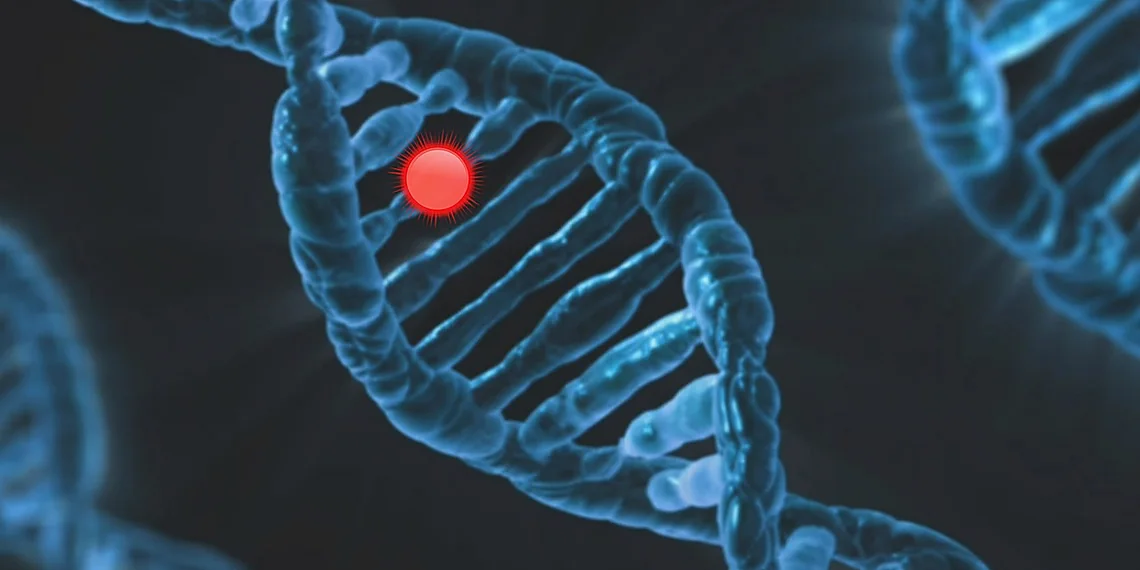
Epigenetics, at its core, describes how our genes are expressed – whether they’re ‘turned on’ or ‘off’ – without actually changing the DNA sequence itself. Think of your DNA as the hardware of a computer; it’s the underlying structure. Epigenetics is like the software: it dictates *how* that hardware functions. It’s about instructions telling cells what to do, when to do it, and how much. These instructions aren’t written into the DNA code itself but are instead modifications *on* the DNA, influencing how genes are read and used.
One of the most well-understood forms of epigenetic modification is DNA methylation. This process involves adding a chemical tag – a methyl group – to a cytosine base (one of the building blocks of DNA). Imagine tiny flags being attached to specific locations on your DNA; these flags signal to cellular machinery whether or not a gene should be active. Different patterns of methylation can dramatically alter how genes behave, impacting everything from development and cell differentiation to responses to environmental factors.
The beauty – and complexity – of epigenetics is that it’s dynamic. These epigenetic ‘flags’ aren’t permanent; they can change throughout an organism’s lifetime in response to diet, lifestyle choices, stress, or exposure to toxins. This plasticity means our experiences can literally leave a mark on our genes, influencing future generations through mechanisms still being actively researched and understood. While this offers exciting possibilities for therapeutic interventions, it also highlights the importance of maintaining a healthy environment.
Understanding DNA methylation is crucial because disruptions in these patterns are frequently observed in diseases like cancer, where abnormal gene silencing can contribute to uncontrolled cell growth. It’s also increasingly linked to aging; as we age, epigenetic ‘noise’ tends to increase, potentially leading to cellular dysfunction. The recent breakthroughs highlighted in this article shed new light on the intricacies of single-cell epigenetics and promise to further refine our understanding of these complex processes.
What is Epigenetics?

Epigenetics refers to changes in gene expression that don’t involve alterations to the underlying DNA sequence itself. Think of your DNA as the hardware of a computer – it’s the physical structure. Epigenetics, then, is like the software; it dictates how that hardware functions. It controls which genes are turned ‘on’ or ‘off’, influencing everything from development and cell differentiation to disease susceptibility.
A crucial mechanism in epigenetics is DNA methylation, where a chemical tag (a methyl group) attaches to cytosine bases within the DNA sequence. This tagging doesn’t change the A, T, C, or G letters of your genetic code, but it *does* alter how those genes are read and used by the cell. Methylation often silences gene activity – imagine putting a ‘do not disturb’ sign on a specific instruction in that computer software.
These epigenetic modifications can be influenced by environmental factors like diet, stress, and exposure to toxins. They’re also involved in normal development; for example, ensuring that different cell types (muscle cells vs. brain cells) express the appropriate genes. Understanding these changes is increasingly important as they are implicated in a wide range of diseases, including cancer and age-related disorders.
The Unexpected Revelation: Single Cells Lead
For decades, scientists believed that the complexity of epigenetic regulation – how genes are switched on or off without altering the underlying DNA sequence – was a hallmark of multicellular life. We’ve long understood that processes like DNA methylation, crucial for development, aging, and disease (like cancer), were primarily sophisticated mechanisms honed within organisms like plants and animals. However, groundbreaking new research is overturning this assumption, revealing that single-celled organisms possess surprisingly intricate epigenetic codes, often exceeding the complexity observed in some multicellular systems.
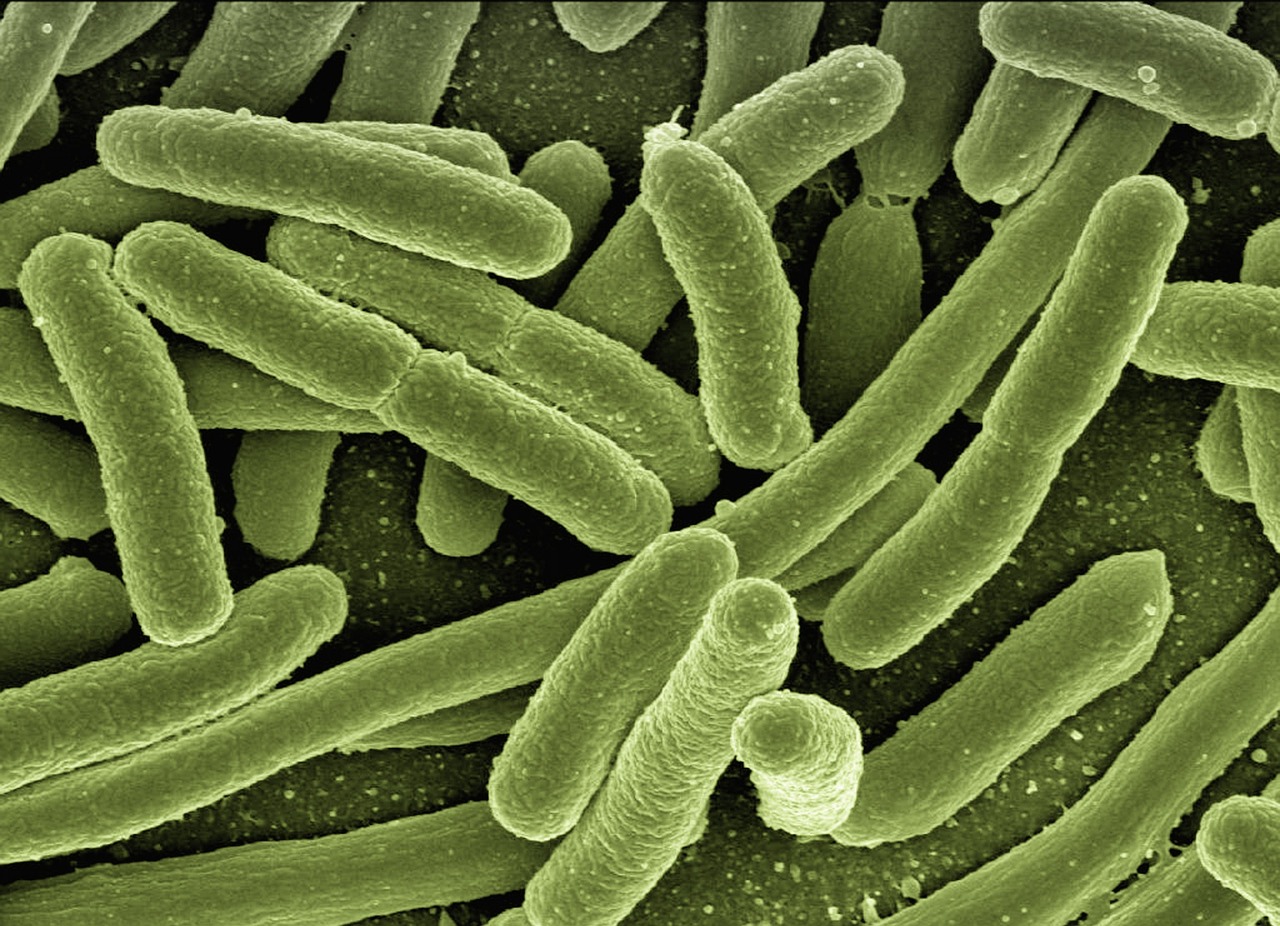
The revelation stems from a meticulous analysis utilizing advanced sequencing techniques – specifically, whole-genome bisulfite sequencing – applied to diverse populations of single-celled organisms like bacteria and archaea. Researchers were astonished to find that these microbes exhibit patterns of DNA methylation far more varied than previously appreciated. While multicellular life typically displays relatively limited types of methylation (often just 5mC), certain single-celled species demonstrate multiple distinct methylation pathways, including modifications not seen in complex organisms. In some cases, the sheer density and diversity of methylation sites within a single bacterial genome rivals that found in human cells.
This unexpected discovery has profound implications for our understanding of evolution. It suggests that epigenetic mechanisms aren’t solely a product of multicellular complexity; rather, they likely originated much earlier in life’s history – potentially even before the emergence of complex organisms. The fact that these simple organisms possess such sophisticated systems implies that the evolutionary pressure to regulate gene expression existed long before we thought, challenging existing models of how multicellularity arose and pushing back the timeline for the development of epigenetic regulation.
Ultimately, this research forces a re-evaluation of our assumptions about the origins of biological complexity. It highlights that seemingly ‘simple’ life forms can harbor intricate regulatory systems, blurring the lines between what we consider rudimentary versus sophisticated biology. Further investigation into single-cell epigenetics promises to unlock deeper insights into the fundamental processes driving evolution and potentially offer novel approaches for biotechnological applications, from developing new antimicrobial strategies to engineering more resilient organisms.
Complexity in Simplicity
For decades, DNA methylation – a crucial epigenetic modification where a methyl group attaches to cytosine bases in DNA – was primarily understood as a phenomenon exclusive to complex multicellular organisms. Researchers believed that this process evolved alongside increasing genomic complexity, providing a mechanism for regulating gene expression without altering the underlying DNA sequence itself. However, recent advances in single-cell sequencing technologies have shattered this assumption. Scientists at ETH Zurich and collaborators employed whole-genome bisulfite sequencing (WGBS) on individual yeast cells (Saccharomyces cerevisiae), a relatively simple single-celled eukaryote, allowing for unprecedented resolution of methylation patterns.
The results were startling: the epigenetic landscape within even these seemingly ‘simple’ organisms is far more intricate than previously imagined. While multicellular life typically exhibits methylation primarily at CpG sites (cytosine followed by guanine), yeast displayed a surprisingly high frequency of non-CpG methylation, particularly in regions associated with repetitive DNA elements. Furthermore, analysis of over 10,000 single yeast cells revealed substantial cell-to-cell variation in methylation patterns – some cells showed up to 20% difference in methylation levels compared to the average for a given genomic region. This level of heterogeneity was unexpected and challenges traditional models of epigenetic inheritance.
This discovery suggests that DNA methylation, and potentially other epigenetic mechanisms, may have predated the evolution of multicellularity, serving an earlier role in genome stability or adaptation within single-celled lineages. The observed complexity – with its high frequency of non-CpG methylation and substantial cell-to-cell variability – implies a more sophisticated regulatory system than previously appreciated in these organisms, potentially pushing back the timeline for epigenetic innovation by hundreds of millions of years.
Implications & Future Research
The revelations from single-cell epigenetics research are opening up exciting new avenues across multiple disciplines. Perhaps most profoundly, this discovery is forcing us to rewrite evolutionary narratives. For decades, we’ve understood that complex epigenetic mechanisms evolved gradually alongside increasingly sophisticated organisms. However, observing these intricate processes at the single-cell level in seemingly ‘simple’ life forms suggests they may have emerged far earlier than previously believed – potentially even predating the Cambrian explosion. This challenges our understanding of when and how complexity arose in life’s history, hinting that the building blocks for epigenetic regulation were present much further back than we imagined, prompting a re-evaluation of the origins of multicellularity itself.
The implications for medicine are equally compelling, particularly within cancer research. Cancer is fundamentally a disease of disrupted cellular processes, and epigenetics – including DNA methylation – plays a critical role in tumor development and progression. Single-cell analysis allows us to observe epigenetic heterogeneity *within* tumors, revealing subpopulations with different behaviors and resistance to treatment. This granular level of detail could lead to the development of highly targeted therapies that address these specific vulnerabilities, moving beyond broad-stroke approaches.
Beyond medicine, single-cell epigenetics offers intriguing possibilities for synthetic biology. Understanding how these mechanisms function at a fundamental level could allow us to engineer epigenetic circuits into cells – essentially creating programmable cellular behaviors. Imagine designing cells that respond to environmental cues through precisely controlled DNA methylation patterns, leading to novel biosensors or even self-assembling biological materials. While still in its early stages, this represents a transformative potential for manipulating and controlling living systems.
Looking ahead, future research will focus on several key areas. High-resolution mapping of the epigenome at single-cell resolution across a wider range of organisms is paramount. Further investigation into the interplay between epigenetic modifications and other cellular processes – such as transcription and chromatin remodeling – is also crucial. Finally, developing tools to dynamically manipulate and observe these epigenetic changes in living cells will be essential for translating these discoveries into tangible applications.
Rewriting Evolutionary Narratives?

The recent advancements in single-cell epigenetics are prompting a reevaluation of long-held assumptions about the timeline of evolutionary complexity. Traditionally, sophisticated epigenetic mechanisms like DNA methylation were believed to have primarily evolved alongside multicellularity and increased genomic regulation needs. However, observing these processes at work within individual cells of simpler organisms – even those considered relatively ‘primitive’ – suggests that the underlying machinery may be far more ancient than previously imagined.
This finding challenges the narrative that complex epigenetic control is a uniquely derived characteristic of advanced life forms. It’s now apparent that foundational elements for this regulatory layer existed earlier, potentially within single-celled ancestors or early multicellular lineages. This doesn’t necessarily mean these organisms were ‘complex’ in all respects, but it does suggest they possessed a greater capacity for cellular differentiation and adaptation than we previously acknowledged.
The implications extend to our understanding of the origins of life itself. If epigenetic mechanisms are more widespread and conserved across diverse species, it strengthens theories suggesting that rudimentary forms of genomic regulation played a crucial role in early evolutionary transitions – perhaps even contributing to the development of multicellularity from simpler cellular precursors. Future research will focus on tracing the evolutionary history of these mechanisms, identifying the selective pressures that drove their initial development, and exploring how they continue to shape life’s diversity.
Beyond the Lab: Potential Applications
The burgeoning field of single-cell epigenetics, now revealing the remarkable heterogeneity within seemingly uniform cell populations, offers tantalizing glimpses into future applications beyond the confines of academic research. While still in its early stages, understanding how epigenetic marks vary at a single-cell level opens doors to highly targeted therapies and novel approaches to disease prevention. One particularly exciting prospect lies in personalized drug delivery; imagine nanoparticles engineered to specifically target cells exhibiting aberrant methylation patterns characteristic of cancer or other diseases, minimizing side effects on healthy tissue.
Beyond simply targeting existing diseased cells, the ability to manipulate epigenetic landscapes – a concept termed ‘epigenetic engineering’ – presents an even more ambitious horizon. Though ethically complex and requiring extensive safety studies, precisely altering DNA methylation could potentially correct developmental defects or reverse age-related cellular decline. This isn’t about rewriting the genetic code itself, but rather fine-tuning how genes are expressed, offering a nuanced approach to treating conditions where the underlying genetic sequence is normal but its expression is disrupted.
The role of epigenetics in aging is increasingly clear, with accumulated changes in methylation patterns linked to age-related diseases and overall lifespan. Single-cell analysis allows researchers to pinpoint *when* and *where* these epigenetic shifts occur during the aging process, potentially revealing therapeutic targets for slowing or even reversing aspects of biological aging. It’s crucial to emphasize that this is a long-term goal; we are far from ‘fountain of youth’ scenarios. However, understanding the cellular mechanisms driving age-related decline provides invaluable insights into maintaining healthy aging and extending lifespan.
Of course, significant challenges remain. The techniques for single-cell epigenetic analysis are still evolving, requiring further refinement to ensure accuracy and scalability. Moreover, the complexity of epigenetic regulation means that unintended consequences from any intervention are a serious concern. Responsible innovation and rigorous testing will be paramount as we translate these groundbreaking discoveries into tangible benefits for human health.
The revelation that even single-celled organisms harbor intricate epigenetic mechanisms challenges long-held assumptions about cellular complexity.
Our exploration has demonstrated a surprising level of nuance in how these tiny life forms regulate gene expression, suggesting that epigenetic processes are more fundamental and widespread than previously appreciated.
This discovery fundamentally alters our perspective on the origins of epigenetics and its role in evolution, potentially rewriting textbooks and sparking entirely new avenues of inquiry.
The implications for understanding developmental biology, disease pathogenesis, and even the inheritance of traits are profound; single-cell epigenetics is proving to be a crucial lens through which to view these processes at their most basic level. Further study promises to unlock insights into how environmental factors shape cellular behavior across all life forms, from bacteria to humans. It’s clear that this field holds immense potential for future breakthroughs and transformative technologies. The convergence of advanced sequencing techniques and computational power allows us to delve deeper than ever before, revealing the hidden layers of regulation within even the simplest cells. This is just the beginning of a truly exciting era in biological research.
Continue reading on ByteTrending:
Discover more tech insights on ByteTrending ByteTrending.
Discover more from ByteTrending
Subscribe to get the latest posts sent to your email.