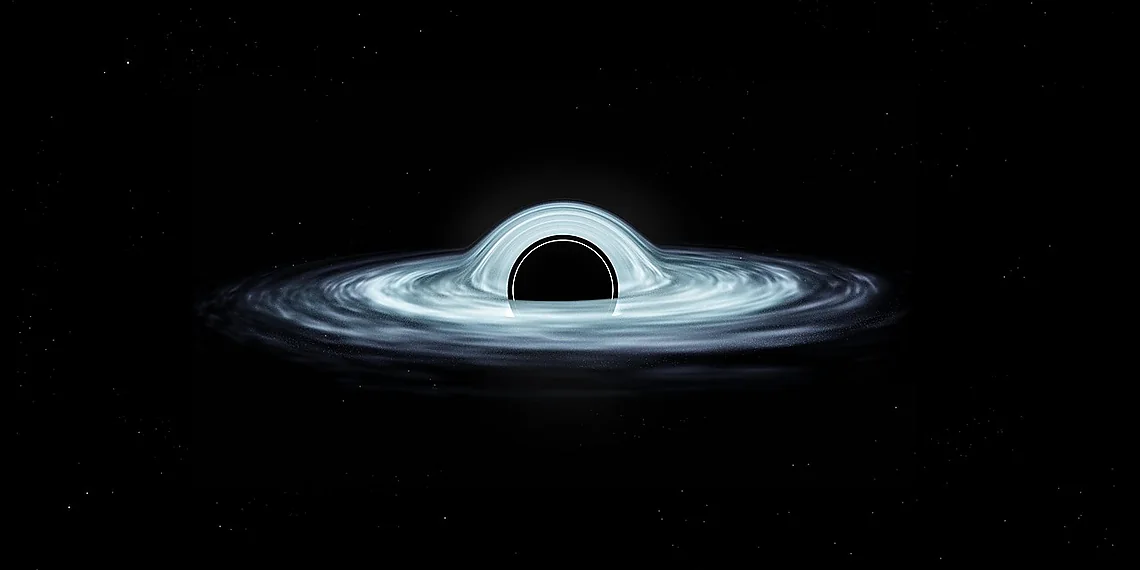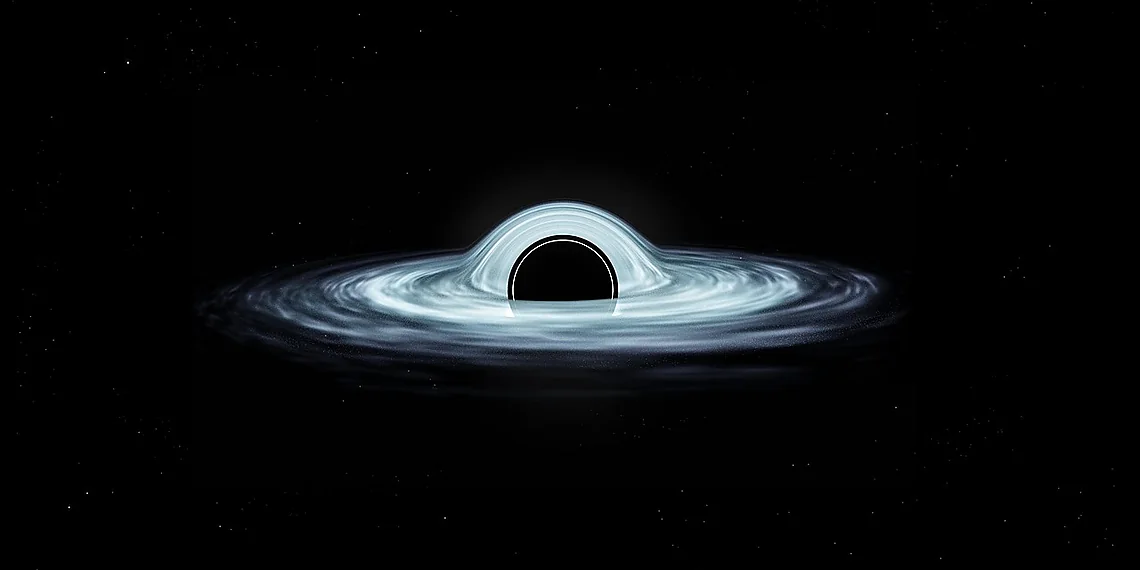

Imagine a cosmic hurricane, not of wind and rain, but of superheated gas hurtling outwards at speeds approaching half that of light – that’s the kind of power we’re talking about when discussing black hole winds. These aren’t gentle breezes; they represent some of the most extreme ejection events in the universe, capable of shaping entire galaxies over vast timescales. The sheer velocity is mind-boggling, a testament to the immense gravitational forces at play around these enigmatic objects.
Recent observations from space telescopes like XMM-Newton and XRISM are providing unprecedented detail about this phenomenon, revealing intricate structures and surprisingly complex behaviors within these outflows. Scientists are now able to map the composition and movement of material ejected from regions surrounding supermassive black holes with remarkable precision, opening up new avenues for understanding how galaxies evolve.
But what exactly *are* these black hole winds? They’re not simply gas being flung away; they’re a consequence of complex interactions between matter falling into a black hole and the intense radiation it emits. This article will delve into the mechanisms behind their formation, explore their impact on galactic environments, and discuss the latest discoveries reshaping our understanding of these powerful cosmic jets.
Understanding Black Hole Winds
Black hole winds are among the most energetic phenomena observed in the universe – powerful outflows of gas and particles propelled away from the vicinity of a black hole at incredible speeds, often approaching a significant fraction of the speed of light. These aren’t just gentle breezes; they’re forceful blasts that can dramatically influence the surrounding environment, shaping galaxies and impacting star formation. The recent observations by XMM-Newton and XRISM, revealing winds exceeding 60,000 km/s in just hours, highlight how dynamic and unpredictable these events can be.
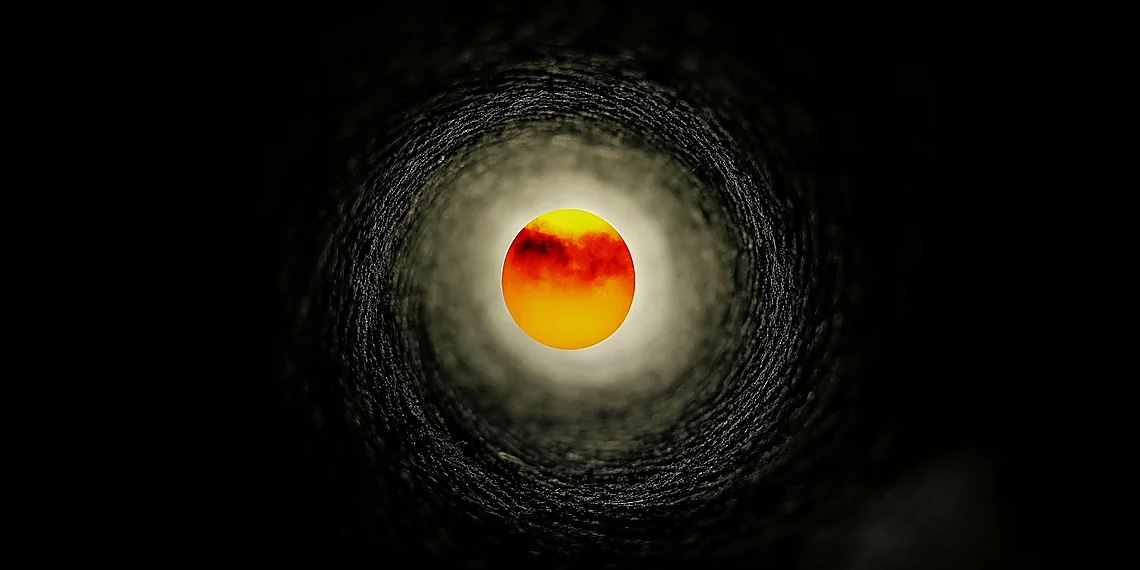

The genesis of black hole winds is intimately linked to the accretion disk – a swirling vortex of gas and dust that forms as material spirals towards the black hole. As matter falls inward, it heats up due to friction, emitting intense radiation across the electromagnetic spectrum. However, not all this material ends up crossing the event horizon; a significant portion is ejected outwards, forming these powerful winds. This ejection isn’t simply a consequence of gravity’s pull – complex interactions are at play.
Crucially, magnetic fields play a vital role in launching and shaping black hole winds. These fields, generated by the ionized gas within the accretion disk, become twisted and tangled as material spirals inwards. This twisting can generate immense pressure gradients, effectively ‘slinging’ portions of the disk outwards as high-speed outflows. The strength and configuration of these magnetic fields directly influence the speed, direction, and overall structure of the wind – making them a key area of study for astronomers.
Scientists are intensely interested in studying black hole winds because they provide invaluable insights into the physics governing supermassive black holes and their impact on galaxy evolution. Understanding how these winds form and propagate helps us unravel the mechanisms that regulate star formation, distribute heavy elements throughout galaxies, and ultimately shape the large-scale structure of the universe. The recent observations from XMM-Newton and XRISM are contributing significantly to this ongoing quest for knowledge.
The Accretion Disk & Wind Formation
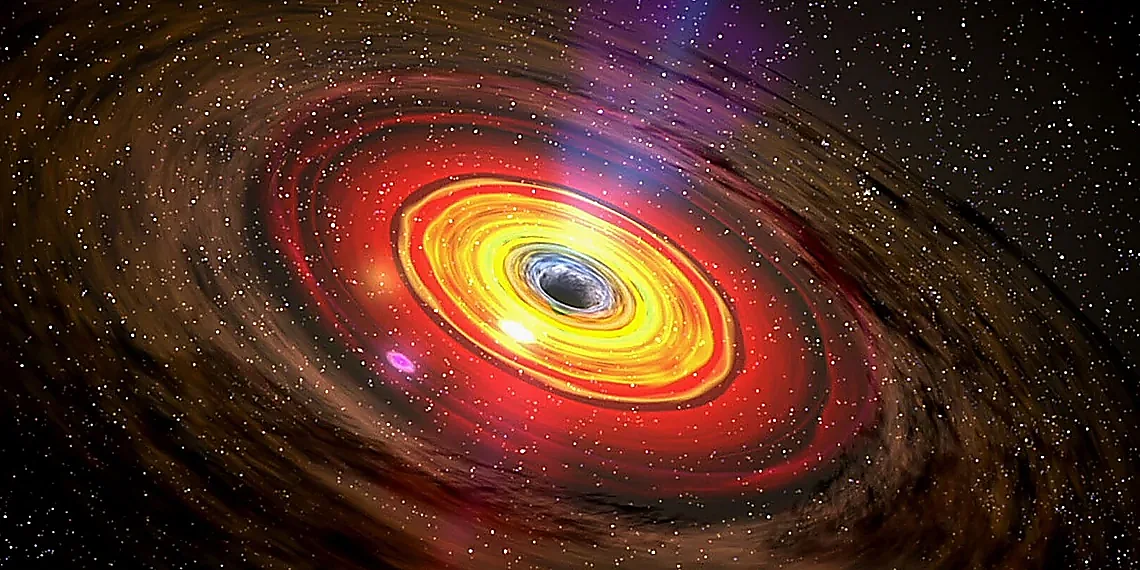
When a significant amount of matter—gas, dust, even entire stars—approaches a supermassive black hole at the center of a galaxy, it doesn’t simply fall directly into the singularity. Instead, this material typically forms a swirling structure known as an accretion disk. The immense gravity of the black hole causes the material to orbit around it, and friction between particles within the disk heats it up to incredibly high temperatures, causing it to radiate intensely across the electromagnetic spectrum.
However, not all of the material in the accretion disk ends up crossing the event horizon and being consumed by the black hole. A portion of this infalling matter is instead ejected outwards as powerful outflows, often referred to as ‘black hole winds.’ These winds can be driven by a variety of complex processes, but are particularly influenced by magnetic fields generated within the accretion disk itself. The twisting and tangling of these magnetic field lines can launch material away from the black hole at substantial fractions of the speed of light.
Understanding how these black hole winds form is crucial for several reasons. They play a significant role in regulating star formation within galaxies, impacting their evolution over cosmic timescales. Furthermore, studying the composition and behavior of these winds provides valuable insights into the extreme physical conditions present near black holes and allows scientists to test theories about accretion disk physics and magnetohydrodynamics.
The Extraordinary Observation
Recent observations have revealed an astonishing phenomenon emanating from a supermassive black hole residing within the galaxy NGC 3783, a spiral galaxy located approximately 390 million light-years away from Earth. Astronomers utilizing the XMM-Newton and XRISM space telescopes detected powerful “black hole winds” – jets of material ejected at incredible velocities – that unfolded with surprising rapidity, all within just a few hours. This discovery is particularly significant because it challenges our understanding of how black holes interact with their surrounding environment.
The speed of these observed winds is truly remarkable: a staggering 60,000 kilometers per second (roughly 20% the speed of light). To put that into perspective, even the most powerful previously documented black hole winds were considerably slower. NGC 3783 was initially selected for observation as part of ongoing studies to understand active galactic nuclei – regions around supermassive black holes where material is actively being consumed and ejected. The unexpected intensity and velocity of these winds represent a significant deviation from typical behavior.
The combined capabilities of XMM-Newton and XRISM were crucial in making this groundbreaking discovery. XMM-Newton, with its broad spectral coverage, initially flagged the unusual activity, while XRISM’s advanced spectroscopic instruments provided detailed measurements that allowed scientists to precisely determine the wind’s velocity and composition. This synergy between the two telescopes allowed for a far more comprehensive understanding of the event than would have been possible with either observatory alone.
The observation of such extreme black hole winds from NGC 3783 raises fascinating questions about the processes driving these ejections. Scientists are now working to model how the black hole’s accretion disk – the swirling mass of gas and dust feeding it – can generate such powerful outflows, and what triggers their rapid onset and incredible speed. Further research promises to shed light on the complex interplay between supermassive black holes and the galaxies they inhabit.
NGC 3783: A Windy Surprise

The galaxy NGC 3783, located approximately 215 million light-years from Earth in the constellation Ursa Major, is a Seyfert galaxy – a type known for hosting an actively feeding supermassive black hole at its center. Scientists were observing NGC 3783 with the European Space Agency’s XMM-Newton and Japan’s XRISM space telescopes to study the behavior of this central black hole and the hot gas surrounding it. These observations are crucial for understanding how galaxies evolve as they accrete matter and release energy.
What made NGC 3783 particularly remarkable was the detection of exceptionally fast ‘black hole winds’ emanating from its core. Using data gathered by XMM-Newton and XRISM, astronomers measured these outflows traveling at an astonishing 60,000 kilometers per second (roughly 20% the speed of light). This velocity is significantly higher than typically observed in similar Seyfert galaxies; most black hole winds usually reach speeds between 10,000 to 30,000 km/s.
The unexpectedly high wind speed provides valuable insights into the complex processes occurring near supermassive black holes. The combined capabilities of XMM-Newton and XRISM allowed for a detailed analysis of the gas’s temperature, density, and velocity, revealing this surprising phenomenon and prompting further investigation into the mechanisms driving these extreme ejections.
Why Ultra-Fast Winds Matter
The discovery of ultra-fast ‘black hole winds’ – material ejected at velocities exceeding 60,000 kilometers per second – isn’t just a fascinating observation; it has profound implications for our understanding of astrophysics. These outflows aren’t merely energetic events; they represent a crucial feedback mechanism that actively shapes the environments surrounding supermassive black holes and their host galaxies. Understanding these winds is key to reconciling theoretical models with observations of how galaxies form and evolve over cosmic time.
One of the most significant impacts of these high-speed winds lies in their ability to regulate star formation within galaxies. By sweeping away gas – the raw material for new stars – these outflows can effectively ‘quench’ star birth, preventing galaxies from growing as rapidly as simulations initially predicted. This quenching is a critical component of galaxy evolution models, and the sheer power and efficiency of these ultra-fast winds offer a potential solution to what’s known as the ‘missing feedback problem,’ where simulated galaxies form stars too readily compared to observations.
Furthermore, the material propelled by black hole winds isn’t contained within the galaxy. Some of it escapes into intergalactic space, enriching the surrounding medium with heavy elements and potentially influencing the formation of new structures. Intriguingly, there’s a growing hypothesis that these powerful outflows could even contribute to the seeding of smaller black holes throughout the universe. Material ejected in these winds might collapse under its own gravity in distant regions, forming ‘baby’ black holes that eventually grow over billions of years.
The ongoing observations from XMM-Newton and XRISM are allowing astronomers to probe these phenomena with unprecedented detail. By analyzing the composition and velocity profiles of these ultra-fast winds, we can gain deeper insights into the physical processes occurring near supermassive black holes and refine our models of galaxy evolution – ultimately painting a more complete picture of how the universe has evolved from its earliest stages.
Impact on Galaxy Evolution & Beyond
Black hole winds play a crucial role in regulating star formation within their host galaxies. These powerful outflows sweep through the interstellar medium, effectively clearing out the cold gas clouds that are necessary for new stars to form. By removing this fuel supply, black hole winds can significantly suppress or even halt star formation across vast regions of a galaxy, impacting its overall evolution and luminosity over cosmic timescales. The strength of these winds is often linked to the accretion rate onto the central black hole – more material falling in typically results in stronger outflows.
The observed impact of these winds helps address what’s known as the ‘missing feedback’ problem in cosmological simulations of galaxy formation. Simulations often struggle to reproduce the observed low levels of star formation seen in many galaxies, suggesting that some form of energy feedback is missing or underestimated. Ultra-fast black hole winds offer a compelling mechanism for this feedback; their efficiency and ability to transport energy far beyond the immediate vicinity of the black hole may be key to resolving this discrepancy.
Beyond their influence on galaxy evolution, these energetic outflows could also contribute to the formation of smaller black holes. The ejected material, enriched with heavy elements synthesized in the accretion disk, can seed regions outside the host galaxy where gas densities are low. This enriched gas, if sufficiently dense, might then collapse under its own gravity to form new stellar objects, some of which could eventually evolve into intermediate-mass or even smaller black holes – a potential solution to understanding the origin of these elusive objects.
Future Exploration & Technological Advancements
The discoveries surrounding black hole winds are not just about understanding the cosmos; they’re actively shaping the future of space-based observatories. Missions like XMM-Newton and XRISM have laid a crucial foundation, but upcoming projects promise to revolutionize our view. The Athena (Advanced Telescope for High Energy Astrophysics) mission, scheduled for launch in the early 2030s, represents a significant leap forward. Its unprecedented sensitivity and spectral resolution will allow astronomers to map these winds with incredible detail, revealing their composition, temperature, and velocity profiles far more precisely than ever before. Imagine being able to ‘see’ the intricate structure of these outflows as they interact with surrounding gas – Athena aims to provide just that.
Developing instruments capable of achieving Athena’s goals presents immense technological hurdles. The telescope requires exceptionally large-area detectors sensitive to X-rays, operating at cryogenic temperatures to minimize noise and maximize performance. This demands breakthroughs in detector technology, cryogenics, and optics, pushing the limits of current engineering capabilities. Furthermore, precisely controlling a telescope of this size and sensitivity in space requires advanced pointing systems and sophisticated data processing techniques to filter out background radiation and extract faint signals – all while minimizing mass and power consumption for efficient operation within the constraints of a spacecraft.
The technological advancements spurred by missions like Athena aren’t confined to astrophysics. The innovations developed to overcome these challenges often find applications in other fields, from medical imaging (improved X-ray detectors) to materials science (cryogenic cooling techniques). For example, the development of lightweight, high-performance mirrors for space telescopes can also benefit industries requiring precision optics. Ultimately, the quest to unravel the mysteries of black hole winds fuels a virtuous cycle: scientific discovery drives technological innovation, which in turn enables even more groundbreaking observations – propelling us further into the unknown.
Next Generation Telescopes
The next generation of X-ray telescopes, particularly ESA’s Advanced Telescope for High-Energy Astrophysics (Athena), promises to revolutionize our understanding of black hole winds. Athena, slated for launch in the 2028s, will possess significantly improved sensitivity and spectral resolution compared to existing observatories like XMM-Newton and XRISM. Its large collecting area and advanced optics will enable astronomers to observe fainter sources at greater distances, allowing for detailed mapping of wind structures and more precise measurements of their velocities and compositions across a wider range of black hole systems.
A key technological challenge in building Athena lies in the development of its X-ray focusing mirrors. These mirrors must be incredibly smooth – deviations of just a few nanometers can significantly degrade image quality. The Wavefront Correction Mirror (WCM) technology, being pioneered for Athena, utilizes actuators to correct these imperfections in real time, pushing the boundaries of precision engineering and adaptive optics. Furthermore, the high-energy X-ray detectors onboard Athena are designed to provide unprecedented spectral detail, allowing scientists to analyze the chemical elements present within the winds and trace their origins.
The development of instruments like those planned for Athena not only enhances our ability to study black hole winds but also drives innovation in related fields. Advances in mirror technology, detector design, and data processing techniques developed for space-based observatories often find applications in medical imaging, materials science, and other areas. This synergistic relationship between fundamental research and technological advancement ensures that the pursuit of astronomical knowledge continues to benefit society as a whole.
The exploration of these colossal cosmic engines has revealed a universe far more dynamic than we previously imagined, demonstrating that black holes aren’t just passive consumers but active participants in shaping their environments.
Our understanding of how galaxies form and evolve is fundamentally intertwined with the behavior of supermassive black holes at their centers, and recent observations have provided unprecedented insight into this complex relationship.
The discovery of powerful outflows – what we now call black hole winds – dramatically alters our models, showcasing a feedback mechanism crucial for regulating star formation and influencing galactic structure across vast distances.
These energetic ejections, propelled by processes still being unraveled, carry not just energy but also heavy elements forged in the hearts of stars, enriching the interstellar medium and seeding future generations of stars and planets – a truly remarkable cycle of cosmic creation and destruction. It’s humbling to consider the sheer scale of these phenomena and their impact on the universe around us. The intricate dance between black holes and galaxies is far from simple, and this new data only deepens our appreciation for its complexity. Future observations promise even more revelations about how these winds interact with surrounding gas and dust, potentially revealing previously unknown mechanisms at play. The implications of understanding these processes extend to nearly every aspect of astrophysics, from the formation of quasars to the evolution of entire galaxy clusters. We’ve only scratched the surface of what we can learn from studying these extreme events, and continued investigation is absolutely essential for a complete picture of our universe’s history. The sheer power involved in launching such immense flows of material leaves us with a profound sense of wonder about the forces at work throughout space and time. ” ,
Continue reading on ByteTrending:
Discover more tech insights on ByteTrending ByteTrending.
Discover more from ByteTrending
Subscribe to get the latest posts sent to your email.