Imagine a towering robotic arm meticulously placing bricks, not on a futuristic movie set, but within the serene walls of Anythink Nature Library in Colorado – that’s precisely what happened recently, showcasing a glimpse into the future of building. This wasn’t science fiction; it was a demonstration of advanced robotics reshaping how we construct our world, and it’s just the tip of the iceberg. The construction industry, historically slow to adopt new methods, is now experiencing an unprecedented wave of innovation driven by rapidly evolving technologies. We’re seeing robots collaborate with human workers, artificial intelligence optimize project planning, drones survey vast landscapes, and data analytics predict potential delays before they even occur. This article delves into this exciting transformation, exploring the core advancements driving change within construction technology and examining how these tools are impacting efficiency, safety, and sustainability on job sites across the globe. We’ll unpack specific use cases, highlight key players, and consider what it means for the future of building – from residential homes to massive infrastructure projects.
The shift isn’t merely about automation; it represents a fundamental rethinking of construction processes. Artificial intelligence is enabling predictive maintenance on equipment, minimizing downtime and maximizing resource utilization. Drones are providing real-time site monitoring and progress tracking, drastically reducing the need for manual inspections. Data analytics provides unprecedented insight into project performance, allowing stakeholders to identify bottlenecks and optimize workflows. Ultimately, these technologies promise not just faster build times but also safer working conditions and a reduced environmental footprint.
This article will focus on practical applications of these innovations, cutting through the hype to provide a clear understanding of how construction technology is being implemented today and what challenges remain in its widespread adoption. Join us as we explore the revolution underway – one brick, one drone flight, and one data point at a time.
Robotics on the Rise
Robotics are rapidly evolving from novelty demonstrations to essential tools on modern construction sites. While we’ve seen examples of bricklaying robots and automated welding arms for years, the recent deployment of Atlas, a sophisticated robotic dog from CU Denver, at the Anythink Nature Library construction site signals a significant leap forward. This isn’t about replacing human workers; it’s about augmenting their capabilities and tackling tasks that are too dangerous or difficult to perform safely and efficiently.

Atlas’s role highlights the shift towards robots capable of complex navigation and data collection in challenging environments. Its ability to traverse tight, dark crawlspaces, transmitting 360° video and real-time data back to engineers, allows for informed decision-making about structural integrity and potential issues. This kind of remote assessment reduces risks for human inspectors and provides a more comprehensive understanding of the construction process than traditional methods.
Beyond Atlas’s reconnaissance work, other robotic applications are also gaining traction. Demolition robots are already common on sites requiring hazardous material removal or building teardowns. 3D printing is slowly but surely revolutionizing how structures are built, offering potential for faster and more sustainable construction processes. However, widespread adoption faces challenges including high initial investment costs, the need for specialized training, and integration with existing workflows – areas that ongoing technological advancements continue to address.
The future of construction technology sees robots working alongside humans in increasingly collaborative roles. As AI continues to improve robotic perception, navigation, and decision-making capabilities, we can expect to see even more complex tasks delegated to these automated systems, ultimately leading to safer, faster, and more efficient construction projects.
Beyond Bricks: Current Robotic Applications
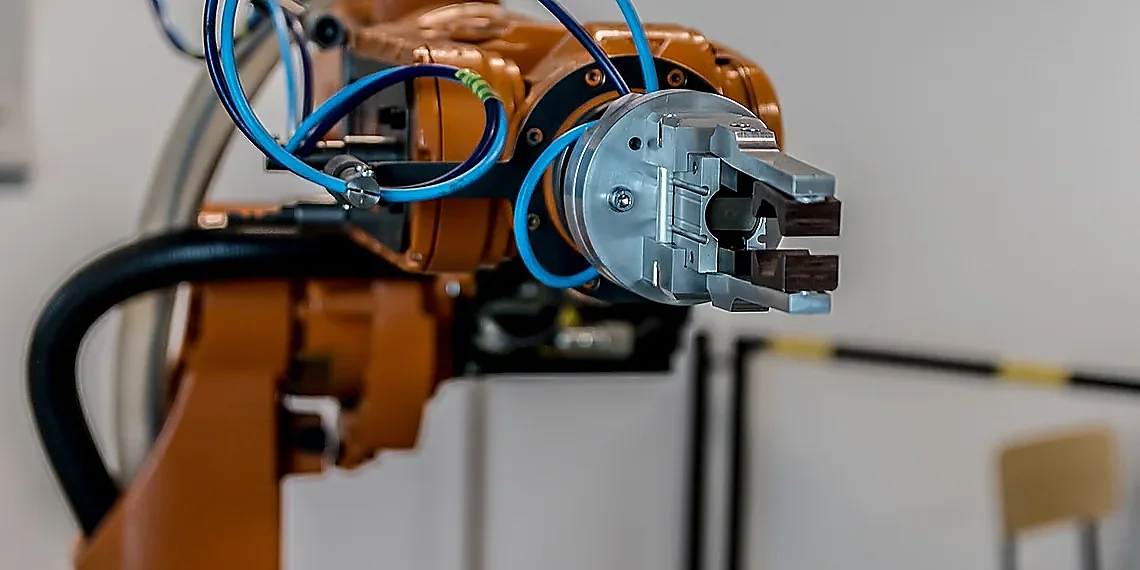
While the image of fully automated construction sites remains largely in the future, robotics are already making significant inroads across various construction processes. Bricklaying robots like SAM100 from Construction Robotics have demonstrated the ability to lay bricks faster and with greater precision than human masons, addressing labor shortages and improving efficiency on repetitive tasks. Similarly, demolition robots, often equipped with hydraulic arms and specialized tools, safely remove debris and dismantle structures in hazardous environments – a task too dangerous for many human workers. Welding arms are common on prefabrication sites, automating the joining of steel components and ensuring consistent weld quality.
Beyond these established applications, emerging technologies like 3D printing are poised to revolutionize construction. Companies are successfully using large-scale 3D printers to construct entire homes and building components layer by layer, utilizing materials such as concrete and polymers. This method offers the potential for faster build times, reduced material waste, and greater design flexibility. However, challenges remain, including scalability – adapting these processes to larger structures – and regulatory hurdles surrounding building codes designed for traditional construction methods.
Despite their promise, widespread adoption of construction technology faces limitations. High upfront costs, a lack of skilled personnel to operate and maintain robotic systems, and concerns about job displacement are significant barriers. Furthermore, the unpredictable nature of many construction sites—with uneven terrain and constantly changing conditions—presents challenges for robots designed for more controlled environments. Early adopters are often larger companies with greater resources willing to invest in these technologies and navigate the initial learning curve.
AI and Data Analytics: The Brains of the Operation
The construction industry, traditionally slow to adopt new technologies, is undergoing a rapid transformation fueled by the convergence of artificial intelligence (AI) and data analytics – essentially providing the ‘brains’ for smarter operations. We’re moving beyond simple automation towards systems that learn from past performance, anticipate future challenges, and optimize processes in real-time. The recent demonstration at the Anythink Nature Library construction site, with CU Denver’s robotic dog Atlas collecting crucial data within a crawlspace, exemplifies this shift – showcasing how even seemingly mundane tasks are now being augmented by AI to improve efficiency and safety.
One of the most significant impacts of construction technology is in predictive maintenance and risk mitigation. AI algorithms can analyze vast datasets from various sources—sensors embedded in equipment, drone imagery, weather patterns, historical project data—to identify anomalies that indicate potential failures before they occur. For example, imagine a crane’s vibration sensors feeding data into an AI system; the system could detect subtle changes indicating bearing wear and trigger preventative maintenance, avoiding costly downtime and safety incidents. This proactive approach contrasts sharply with traditional reactive maintenance, saving time, money, and potentially preventing accidents.
Beyond equipment maintenance, AI is also revolutionizing design optimization. Generative design algorithms can explore thousands of potential building layouts based on pre-defined constraints like budget, material availability, site topography, and energy efficiency goals. This allows architects and engineers to quickly evaluate numerous options they might not have considered manually, leading to designs that are both innovative and optimized for performance. Furthermore, data analytics helps refine project schedules by identifying bottlenecks and predicting delays with greater accuracy – allowing for adjustments before they impact the overall timeline.
The integration of AI and data analytics isn’t just about futuristic robots; it’s about empowering construction professionals with actionable insights to make better decisions. While challenges remain in terms of data standardization and workforce training, the tangible benefits—reduced costs, improved safety, optimized designs, and accelerated timelines—are driving rapid adoption across the industry. The future of construction is undeniably intelligent, data-driven, and increasingly automated.
Predictive Maintenance & Risk Mitigation
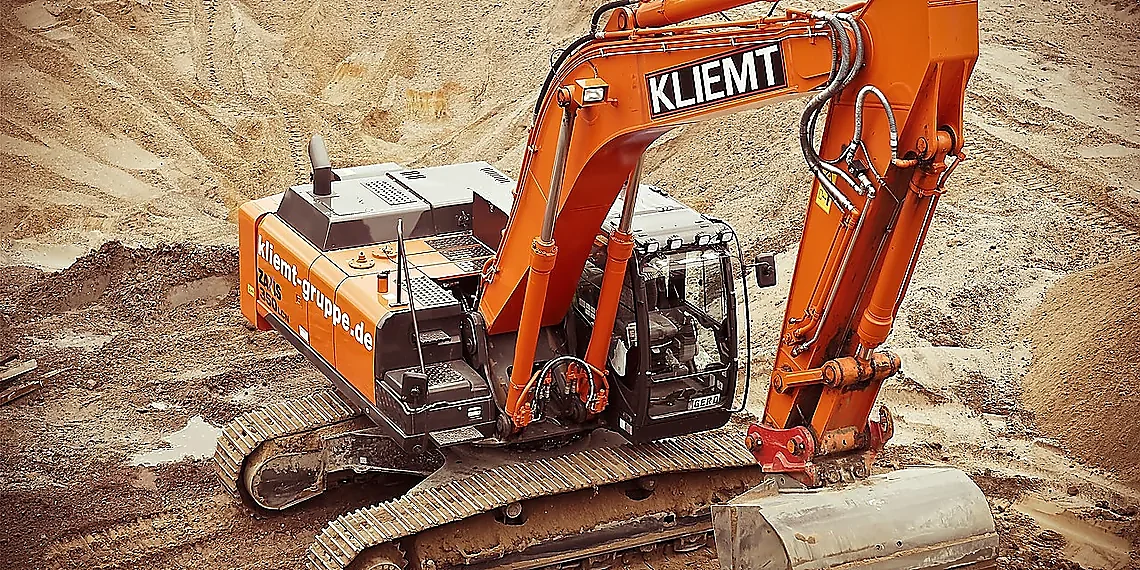
AI-powered predictive maintenance is rapidly transforming construction sites by moving beyond reactive repairs to proactive problem prevention. Algorithms analyze real-time sensor data streaming from equipment – including excavators, cranes, and even robotic assistants like CU Denver’s Atlas – as well as drone imagery and environmental monitors. These sensors track parameters such as engine temperature, vibration levels, hydraulic pressure, and structural strain. By identifying subtle anomalies and patterns indicative of impending failures, AI systems can alert maintenance teams to schedule repairs before breakdowns occur, minimizing downtime and costly delays.
The benefits extend beyond equipment health. AI also optimizes project schedules by factoring in predicted maintenance needs alongside weather forecasts, material delivery timelines, and labor availability. Furthermore, these same data streams are utilized for risk mitigation. Computer vision algorithms can analyze drone footage to identify potential safety hazards like unstable ground conditions, improperly secured materials, or workers not adhering to protocols. Early detection of such risks allows project managers to implement corrective measures before accidents happen, significantly improving site safety.
A compelling example comes from Balfour Beatty’s use of a digital twin for the HS2 rail project in the UK. They integrated data from various sources – including IoT sensors on equipment, BIM models, and weather forecasts – into a virtual replica of the construction site. AI algorithms analyzed this data to predict potential clashes between different trades, optimize material delivery routes, and identify areas prone to flooding during heavy rain. This proactive approach reduced delays by an estimated 10-15% and improved overall project efficiency.
Drones: Eyes in the Sky
The construction industry, traditionally slow to adopt new technologies, is undergoing a rapid transformation fueled by advancements in construction technology. Among the most visible and impactful of these innovations are drones – increasingly serving as ‘eyes in the sky’ for project managers, engineers, and site supervisors. No longer just a novelty, drones are becoming integral tools for everything from initial site surveys to final inspections, offering unprecedented levels of data capture and efficiency.
The benefits of drone usage on construction sites are multifaceted. High-resolution aerial imagery allows for incredibly detailed site surveys, creating accurate 3D models that go far beyond traditional methods. This provides valuable as-built documentation, crucial for clash detection and design validation. Furthermore, drones equipped with cameras regularly track progress against schedules, providing real-time insights into project timelines and identifying potential delays before they escalate. Thermal imaging capabilities are also proving invaluable for detecting heat loss in buildings during construction or inspecting electrical systems for safety hazards.
Beyond progress tracking, drones excel at inspections of hard-to-reach areas like bridges, tall structures, and even crawlspaces – as demonstrated by Atlas the robotic dog’s recent foray into the Anythink Nature Library site. This reduces risk to personnel and significantly speeds up inspection processes. Security is another key application; drones can patrol perimeters, monitor material storage, and deter theft, providing a proactive layer of protection for valuable assets.
However, the expanded use of drones in construction isn’t without regulatory considerations. Compliance with FAA regulations regarding airspace usage, pilot certification (Part 107), and operational limitations is paramount. Privacy concerns surrounding aerial imagery also demand careful attention and adherence to best practices. As drone technology continues to evolve and become more accessible, navigating these legal and ethical landscapes will be crucial for ensuring responsible and sustainable adoption within the construction industry.
Surveying, Inspections & Progress Tracking
Drones are rapidly transforming traditional construction workflows by offering unprecedented capabilities for site surveying and documentation. Instead of manual methods that can be time-consuming and prone to error, drones equipped with high-resolution cameras and GPS technology can quickly capture comprehensive aerial imagery and generate detailed orthomosaics and 3D models of a project site. This data provides accurate as-built conditions before construction begins and serves as a baseline for tracking progress throughout the build process.
The benefits extend beyond initial surveys. Drones enable frequent, automated progress monitoring, allowing project managers to identify potential delays or discrepancies early on. Utilizing photogrammetry, drones create digital twins – virtual replicas of the construction site – that are regularly updated, providing stakeholders with a real-time view of operations. Furthermore, drone inspections, particularly for hard-to-reach areas like roofs or bridges, become safer and more efficient, reducing risk to personnel.
Beyond visual imagery, many drones are now equipped with thermal imaging capabilities, allowing inspectors to detect heat loss in buildings under construction, identify potential electrical issues, or even locate moisture intrusion. While the use of drones in construction is expanding, it’s crucial to adhere to FAA regulations regarding airspace and pilot certification, ensuring safe and compliant operations.
The Future Construction Landscape
The convergence of robotics, artificial intelligence, advanced data analytics, and augmented reality is poised to fundamentally reshape the construction landscape over the next 5-10 years. What began as isolated experiments – like Atlas the robotic dog inspecting a library construction site – will rapidly evolve into integrated workflows across project phases, from design and planning through execution and maintenance. We’ll see increased adoption of autonomous equipment for tasks ranging from earthmoving to bricklaying, AI-powered predictive maintenance systems minimizing downtime, and Building Information Modeling (BIM) evolving into dynamic digital twins that allow real-time monitoring and optimization.
This technological shift won’t simply be about automating existing processes; it will necessitate a rethinking of how construction projects are conceived and managed. Expect greater emphasis on prefabrication and modular construction techniques facilitated by robotic assembly lines, reducing on-site labor needs but also demanding new logistical capabilities. Data analytics will move beyond basic reporting to provide proactive insights into material waste reduction, safety hazard identification, and overall project efficiency gains. Imagine drones autonomously inspecting structural integrity or AI algorithms optimizing resource allocation based on real-time conditions – these scenarios are rapidly transitioning from futuristic concepts to practical realities.
However, this revolution isn’t without its potential challenges. Job displacement is a legitimate concern as automation takes over repetitive tasks, requiring significant investment in workforce retraining and the creation of new roles focused on managing and maintaining these advanced technologies. Equally critical will be addressing cybersecurity vulnerabilities inherent in increasingly interconnected construction systems. Protecting sensitive project data from malicious attacks and ensuring the integrity of automated processes are paramount to preventing costly delays and safety risks. Successfully navigating these challenges requires proactive planning, collaboration between industry stakeholders, and a commitment to ethical technology implementation.
Ultimately, the future construction landscape will be defined by its adaptability and resilience. While automation promises increased productivity and efficiency, human ingenuity and expertise will remain invaluable. The most successful companies will be those that embrace construction technology not as a replacement for skilled workers, but as a powerful tool to augment their capabilities, fostering a collaborative environment where humans and machines work in concert to build the structures of tomorrow.
Challenges & Opportunities Ahead
The rapid integration of construction technology, from autonomous machinery to AI-powered design tools, presents both immense opportunities and significant ethical considerations. While automation promises increased efficiency, improved safety, and reduced project costs, a primary concern revolves around potential job displacement for traditional construction workers. Tasks previously performed by human labor are increasingly being automated, requiring proactive strategies to mitigate negative impacts on the workforce.
Addressing this challenge necessitates substantial investment in workforce retraining programs. Construction professionals will need to acquire new skills focused on operating, maintaining, and programming these advanced technologies. This shift creates opportunities for roles such as robotics technicians, drone operators, data analysts specializing in construction insights, and specialists in building information modeling (BIM) management – positions that didn’t exist or were niche a decade ago. Furthermore, ethical frameworks are needed to guide the responsible implementation of automation and ensure equitable access to these new training resources.
Beyond workforce concerns, increased connectivity within construction sites also introduces cybersecurity vulnerabilities. Interconnected systems controlling equipment, managing data, and facilitating communication create attractive targets for malicious actors. Protecting sensitive project information and ensuring operational integrity requires robust cybersecurity protocols, ongoing threat assessments, and a heightened awareness of potential risks among all stakeholders involved in the construction process.
The shift we’ve witnessed isn’t just about incremental improvements; it represents a fundamental reimagining of how buildings are conceived, designed, and built.
From AI-powered design tools to robotic automation on site, the integration of digital solutions is reshaping workflows and unlocking unprecedented levels of efficiency and precision across the entire construction lifecycle.
The advancements we’ve explored – including BIM, drones, 3D printing, and augmented reality – are no longer futuristic concepts; they’re actively transforming project outcomes and driving down costs.
It’s clear that embracing construction technology isn’t merely an advantage anymore—it’s becoming a necessity for staying competitive and delivering superior results in this evolving landscape. The possibilities feel limitless as these technologies continue to mature and converge, promising even more dramatic changes ahead. We are truly at the dawn of a new era in building and infrastructure development, fueled by innovation and data-driven insights. This revolution isn’t slowing down; it’s accelerating, opening doors for greater sustainability, safety, and overall project success. The future belongs to those who adapt and integrate these transformative tools into their practices—and the time to act is now. We believe that widespread adoption of construction technology will ultimately lead to more resilient infrastructure and a better built environment for everyone. Ultimately, this is about building smarter, not just faster, and creating a legacy we can all be proud of. “ , 2],
Continue reading on ByteTrending:
Discover more tech insights on ByteTrending ByteTrending.
Discover more from ByteTrending
Subscribe to get the latest posts sent to your email.