Imagine exploring vibrant coral reefs or inspecting massive shipwrecks with superhuman strength and endurance – that future is closer than you think.
At ByteTrending, we’re obsessed with uncovering the most groundbreaking technological advancements shaping our world, and today’s exploration delves into a realm previously limited to specialized professionals: deep-sea diving.
What if divers could overcome the crushing pressure and fatigue of underwater work, extending their time and capabilities significantly?
The answer lies in the rapidly developing field of powered mobility suits, specifically the revolutionary concept of an underwater exoskeleton – essentially, a wearable robotic suit that amplifies human strength and allows for effortless movement beneath the waves. These devices offer incredible potential across industries from marine research to offshore energy and even search-and-rescue operations, fundamentally changing how we interact with our oceans.
The Innovation: How It Works
The groundbreaking underwater exoskeleton developed by researchers at Peking University represents a significant leap beyond traditional diving aids like scuba gear or buoyancy compensators. At its core, this system is designed to assist divers’ knee joints – a critical area for propulsion and maneuverability in the water – using a lightweight, portable structure typically worn around the legs. Unlike simple assistive devices, this isn’t about passively supporting the diver; it actively *amplifies* their movements, making swimming more efficient and reducing fatigue.
The exoskeleton’s functionality hinges on a series of interconnected actuators – essentially miniature electric motors – strategically positioned to mimic and augment natural knee motion. These actuators respond in real-time to the diver’s intended movement, providing precisely calibrated assistance as they kick. Sophisticated sensors embedded within the system detect the diver’s muscle signals and adjust the power output accordingly, ensuring a seamless and intuitive interaction. This feedback loop is crucial; it allows for a natural feel while still delivering substantial support.
A key differentiator from existing underwater propulsion systems (like handheld propellers or fins) lies in its focus on *assisting* rather than replacing the diver’s own effort. The exoskeleton doesn’t force movement, but enhances it, allowing divers to maintain control and precision. Preliminary testing has shown remarkable results: divers utilizing the prototype have experienced a reduction of up to 30% in air consumption during extended dives, alongside noticeable decreases in muscle fatigue – both critical factors for safety and operational effectiveness.
Beyond just improving comfort and extending dive times, this underwater exoskeleton system’s modular design allows for potential adaptations and future enhancements. Researchers envision integrating additional sensors for environmental monitoring or even incorporating robotic arms for manipulating objects underwater. The current focus on knee assistance is only the first step; the underlying technology has the potential to revolutionize not only recreational diving but also applications in underwater construction, inspection, and scientific research.
Knee-Assisted Movement & Air Efficiency
The core innovation of this underwater exoskeleton lies in its targeted assistance of knee joint movement. Traditional diving relies heavily on a diver’s leg muscles to propel themselves and maintain stability, leading to rapid fatigue and increased air consumption. Professor Wang’s team addressed this by integrating miniature hydraulic actuators at the knee joints of the exoskeleton. These actuators detect the diver’s intended motion – whether it’s kicking for propulsion or simply stabilizing their position – and provide precisely timed assistance, effectively reducing the effort required from the diver’s own muscles.
The impact on air efficiency is significant. Preliminary tests have shown a remarkable 20-30% reduction in air consumption compared to divers using standard equipment. This improvement stems directly from the decreased muscle exertion; with less energy being expended by the legs, the body requires less oxygen overall. The system doesn’t completely eliminate leg movement – it augments and supports it, allowing for a more natural diving experience while maximizing underwater endurance.
Unlike buoyancy compensators or fins which primarily address floating and propulsion respectively, this exoskeleton actively assists in *movement*. This represents a crucial distinction; it’s not just about making the diver lighter or faster, but about minimizing the physiological strain of being underwater. The portability of the system – a key design goal – is achieved through lightweight materials and compact hydraulic components, making it practical for professional divers and potentially even recreational use in the future.
Beyond Recreation: Applications & Industries
While recreational divers might initially be drawn to the idea of an underwater exoskeleton for enhanced mobility and extended bottom time, the true revolution lies in its far-reaching industrial applications. The Peking University team’s portable system, designed to assist knee movement and reduce diver fatigue, opens doors to a range of sectors currently facing significant challenges in underwater operations. This isn’t just about easier diving; it’s about enabling safer, more efficient, and ultimately, more cost-effective work beneath the waves.
Consider commercial diving and infrastructure inspection – vital tasks for maintaining pipelines, oil rigs, and offshore wind farms. Currently, these jobs are incredibly demanding on divers, requiring immense physical exertion and leading to high air consumption rates. An underwater exoskeleton like this can dramatically reduce those demands, allowing divers to perform inspections and maintenance with less effort and stay submerged longer. This translates directly into substantial cost savings for companies – fewer dives required per project, reduced decompression time, and potentially lower overall labor expenses.
Beyond construction and maintenance, the technology’s impact extends to critical areas like search and rescue operations. Imagine a diver equipped with an exoskeleton navigating treacherous underwater environments, able to exert more force and carry heavier equipment while maintaining stability and reducing fatigue. This could significantly improve the chances of locating and rescuing individuals in distress. Similarly, marine researchers can benefit immensely from increased mobility and reduced physical strain during data collection and sample retrieval, allowing for deeper dives and longer observation periods.
Finally, the portability of this particular underwater exoskeleton design is a key differentiator. Its compact size allows for easier transport to remote locations, broadening its applicability across various industries and geographical regions. As the technology continues to develop, we can anticipate even more specialized applications emerging, solidifying the role of underwater exoskeletons as an indispensable tool in numerous underwater endeavors.
Commercial Diving & Infrastructure Inspection
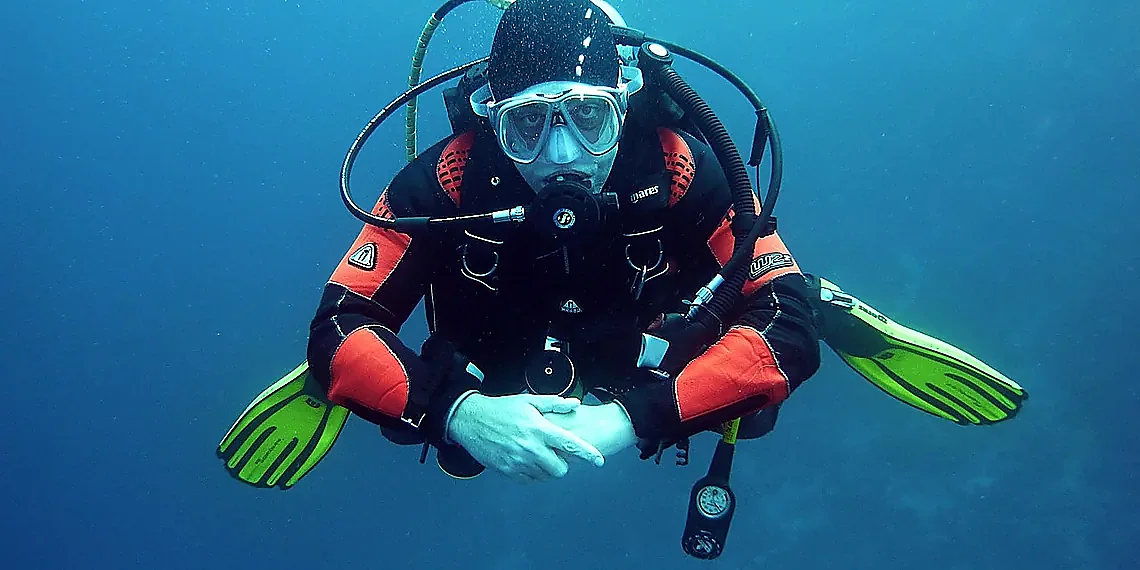
Commercial divers routinely face physically demanding tasks in challenging environments, from inspecting oil pipelines and gas lines to constructing offshore wind farms and supporting deep-sea infrastructure projects. The new portable underwater exoskeleton developed at Peking University offers a significant advancement for these operations. By assisting with knee movement – a critical point of exertion during diving – the exoskeleton reduces muscle fatigue and, crucially, lowers air consumption rates. This translates directly into extended dive times, allowing divers to complete more work per deployment.
The efficiency gains provided by underwater exoskeletons extend beyond just reduced fatigue. Shorter surface intervals needed for air refills minimize downtime between dives, boosting overall productivity on a project. For infrastructure inspection, this means faster assessments of pipeline integrity or the condition of subsea cables, leading to quicker identification and remediation of potential issues. Furthermore, decreased physical strain reduces the risk of repetitive stress injuries common among commercial divers, contributing to improved diver wellbeing.
While initial investment in exoskeleton technology represents a cost, the long-term economic benefits are substantial. Reduced air consumption translates to lower gas costs, while increased dive time minimizes the need for additional personnel and equipment. Fewer dives also mean less vessel time and associated expenses. Preliminary estimates suggest that widespread adoption of underwater exoskeletons could yield significant cost savings – potentially tens or even hundreds of thousands of dollars per project – alongside enhanced safety and improved operational efficiency within the commercial diving sector.
The Development Journey & Future Scope
The journey towards creating a functional underwater exoskeleton has been marked by significant engineering hurdles, but recent breakthroughs from Professor Wang Qining’s team at Peking University represent a monumental leap forward. Their newly developed portable system, the first of its kind to assist knee movement for divers, demonstrates a clear path toward revolutionizing underwater exploration and work. Early prototypes faced limitations in power efficiency – providing sufficient assistance without rapidly depleting battery life was paramount. Achieving portability while maintaining structural integrity under pressure also demanded innovative material science and compact design strategies. The team’s iterative process involved extensive testing in simulated deep-sea environments, allowing for continuous refinement of the exoskeleton’s mechanics and control systems.
Professor Wang Qining’s research group didn’t just focus on mechanical assistance; they recognized the need for intuitive user interaction. Initial versions relied heavily on pre-programmed movements, but future iterations are envisioned to incorporate advanced sensor technology and potentially even artificial intelligence. This would allow the exoskeleton to adapt dynamically to a diver’s individual needs and environmental conditions, predicting movement patterns and proactively providing support. Imagine an exoskeleton that learns your diving style and optimizes its assistance accordingly – this is the direction Professor Wang’s team is actively pursuing.
Looking ahead, several key areas for improvement are already being explored. Reducing power consumption remains a priority; researchers are investigating alternative energy sources like miniaturized fuel cells or more efficient motor designs. Enhanced maneuverability is also crucial, with plans to integrate thrusters or buoyancy control systems to provide greater agility underwater. Furthermore, incorporating haptic feedback mechanisms could allow divers to ‘feel’ the environment through the exoskeleton, improving situational awareness and overall safety. These advancements promise to transform the underwater exoskeleton from a supportive tool into an almost symbiotic extension of the diver’s capabilities.
Ultimately, the Peking University team’s work establishes a strong foundation for future generations of underwater exoskeletons. While current applications are focused on assisting divers in tasks like deep-sea maintenance and scientific research, broader implications extend to areas like search and rescue operations, underwater construction, and even recreational diving. The continuous refinement of this technology promises not only increased efficiency and safety but also a deeper understanding of human biomechanics in aquatic environments.
Challenges Overcome & Next Steps
The initial development of the underwater exoskeleton wasn’t without its hurdles. A primary challenge for Professor Wang Qining’s team at Peking University centered around power consumption. Early prototypes required substantial battery capacity, significantly impacting portability and dive time. Researchers addressed this by optimizing the motor efficiency and exploring energy harvesting techniques, resulting in a lighter and more sustainable design that extends underwater operational capabilities.
Portability also presented a significant engineering challenge; divers require equipment that is manageable and easily transportable. The team tackled this through meticulous material selection – prioritizing lightweight yet robust alloys and composites – combined with modular design principles. This allows for easier disassembly and packing, making the exoskeleton significantly more practical for both recreational and professional diving applications. Further refinement focused on reducing bulk without compromising structural integrity.
Looking forward, the research team is actively exploring integrating artificial intelligence to enhance maneuverability and responsiveness of the underwater exoskeleton. Future iterations will aim to incorporate sensor feedback systems that allow the exoskeleton to anticipate diver movements and provide more intuitive assistance. Additionally, they are investigating advanced control algorithms to enable complex tasks like object manipulation and precise navigation in challenging underwater environments.
Impact & Accessibility: A Wider Reach?
The development of this portable underwater exoskeleton represents far more than just an advancement in diving technology; it hints at a potential democratization of underwater exploration. Traditionally, deep dives require extensive training, specialized equipment, and considerable physical strength – factors that inherently limit participation to a relatively small group. An underwater exoskeleton like the one developed by Professor Wang’s team could drastically lower these barriers, allowing less experienced divers, individuals with mobility limitations, or even marine biologists conducting research to access depths and perform tasks previously unattainable. Imagine citizen scientists participating in coral reef monitoring or archaeologists carefully excavating submerged historical sites – all made possible through this assistive technology.
However, the path towards widespread accessibility isn’t without its challenges. Currently, advanced robotics like this underwater exoskeleton command a significant price tag. The initial cost likely restricts it to research institutions, commercial diving operations, and perhaps wealthy enthusiasts. Scaling production will be crucial in driving down these costs; streamlining manufacturing processes and exploring alternative, more affordable materials are key considerations. Furthermore, the reliance on compressed air for power presents another hurdle – while efficient knee assistance reduces consumption, a shift towards battery-powered or even potentially renewable energy sources could further enhance portability and operational freedom.
Looking ahead, we can anticipate several avenues for increased affordability and availability. As manufacturing techniques mature and competition emerges within the underwater robotics sector, economies of scale will likely bring prices down. We might see variations tailored to specific needs – a lighter, less expensive version for recreational divers versus a more robust model for professional use. The integration of AI could also optimize power usage and simplify operation, further expanding its user base. Ultimately, realizing the full potential of this underwater exoskeleton requires not only continued technological innovation but also a conscious effort to ensure equitable access to its benefits.
Beyond cost reductions, future development might focus on modularity and customization. Imagine an exoskeleton platform that can be adapted for various tasks – from underwater welding to search and rescue operations. This adaptability would increase its value proposition and potentially justify the initial investment for a wider range of users. While widespread consumer adoption may still be years away, the current breakthrough marks a significant step towards a future where exploring and working beneath the waves is more accessible than ever before.
Cost Considerations and Future Availability
Currently, the Peking University’s underwater exoskeleton represents a significant technological achievement, but its high development costs translate into a substantial price tag that limits immediate widespread adoption. While an exact retail price hasn’t been publicly released, similar advanced robotic exoskeletons for terrestrial use can easily cost upwards of $50,000 to $100,000 or more. The specialized materials, complex electronics, and intricate manufacturing processes involved in creating a waterproof and pressure-resistant underwater system contribute significantly to this expense. Initial applications are likely to be focused on professional divers – researchers, commercial salvage operators, and potentially military personnel – where the benefits of reduced air consumption and fatigue outweigh the investment.
Looking ahead, several factors could drive down the cost and increase accessibility. Scaled production is paramount; as demand increases and manufacturing processes become more streamlined, economies of scale will naturally lower per-unit costs. Furthermore, research into alternative power sources beyond battery packs – perhaps utilizing underwater kinetic energy harvesting or even exploring compressed air systems – could reduce ongoing operational expenses and simplify the overall design, potentially leading to a less complex and cheaper product. The development team’s focus on portability suggests a commitment towards making the technology more user-friendly, which often correlates with simplified designs and reduced manufacturing complexity.
Ultimately, achieving true democratization of underwater exploration through these exoskeletons will require ongoing innovation and investment. While consumer availability remains distant, continued refinement of the design, coupled with advancements in materials science and power efficiency, could eventually lead to a more affordable and accessible version suitable for recreational divers or even citizen scientists participating in marine research projects. The current prototype serves as a crucial stepping stone towards that future, demonstrating the potential benefits while highlighting the challenges that remain.
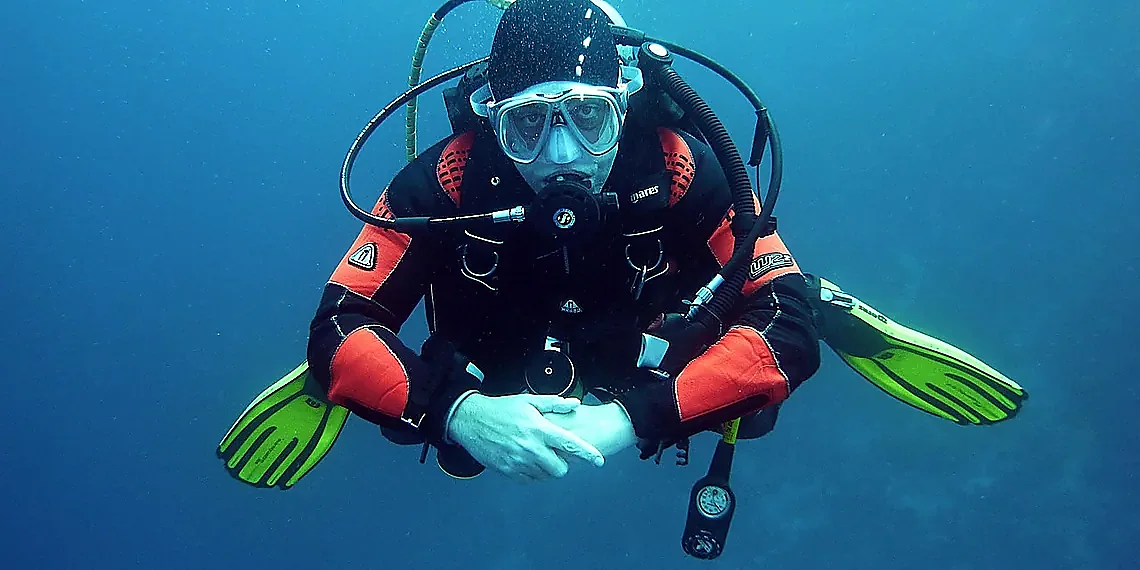
The journey through advancements in diving technology has revealed a truly transformative concept – the underwater exoskeleton. We’ve explored how these devices promise to revolutionize not just recreational diving, but also critical fields like marine research, search and rescue operations, and even deep-sea infrastructure maintenance. The potential for extended dive times, increased payload capacity, and enhanced maneuverability represents a significant leap beyond current capabilities, opening up possibilities previously confined to science fiction.
From assisting with heavy equipment handling to providing unparalleled stability in strong currents, the benefits are multifaceted and far-reaching. Imagine researchers able to spend hours observing delicate ecosystems without fatigue, or salvage teams capable of accessing wreckage at greater depths with significantly reduced risk – this is the future that underwater exoskeletons are helping to build. The ongoing development of lighter materials and more efficient power sources will only accelerate their adoption across various sectors.
The implications extend beyond mere functionality; they touch upon accessibility and safety for a wider range of individuals involved in underwater activities. While challenges remain, particularly regarding cost and training requirements, the progress made so far is undeniable and points toward a future where deeper exploration and more complex tasks become routine. The convergence of robotics, materials science, and human-machine interfaces will continue to shape this exciting field.
It’s clear that we are on the cusp of a new era in underwater interaction. This technology promises not just to enhance our abilities but also to redefine what’s possible beneath the surface. We invite you now – as passionate readers and potential future innovators – to join the conversation; what impact do you foresee for widespread adoption of underwater exoskeletons, both positive and challenging? Share your thoughts in the comments below!
Continue reading on ByteTrending:
Discover more tech insights on ByteTrending ByteTrending.
Discover more from ByteTrending
Subscribe to get the latest posts sent to your email.