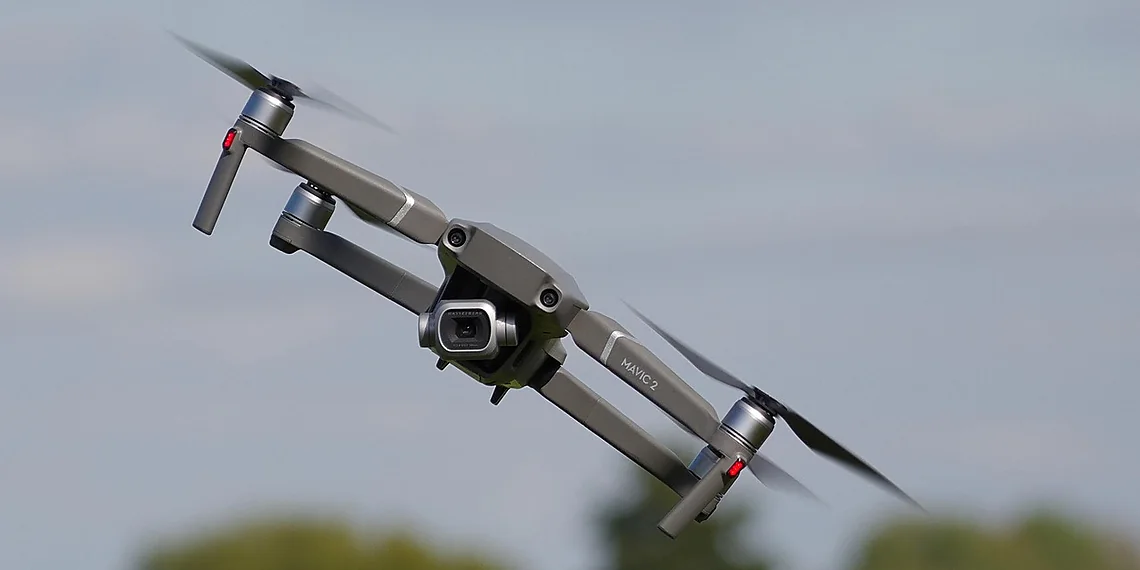


Imagine a fleet of delivery drones weaving effortlessly through dense urban canyons, or search and rescue robots autonomously exploring earthquake rubble – these aren’t scenes from science fiction anymore; they represent the rapidly approaching reality of robotic autonomy.
However, achieving this level of independence presents significant hurdles, particularly when relying on traditional GPS systems. Signals degrade in enclosed spaces, become unavailable underground, and are simply unreliable in many dynamic environments, severely limiting where robots can operate effectively.
Fortunately, a fascinating new approach is emerging: nature-inspired algorithms that mimic how animals like ants and bees navigate their surroundings. This innovative field, focused heavily on improving Robot Navigation, allows machines to build maps and determine location without constant external signals, opening doors to entirely new applications in everything from precision agriculture to deep-sea exploration.
Get ready to explore the remarkable ways researchers are drawing inspiration from the natural world to create truly intelligent and adaptable robotic systems – the future of autonomous operation is taking shape right now.
The Challenge of GPS-less Navigation
For decades, we’ve relied heavily on Global Positioning System (GPS) for navigation – from getting directions in our cars to guiding drones across vast landscapes. However, this reliance presents a significant hurdle when it comes to deploying robots in the real world. The promise of autonomous robots undertaking complex tasks like search and rescue missions, infrastructure inspections, or intricate maintenance operations hinges on their ability to navigate reliably, *without* constant human oversight. Unfortunately, GPS is far from foolproof, especially within challenging environments.
The very nature of many operational scenarios for robots renders GPS unreliable or completely unavailable. Imagine a robot tasked with inspecting underground tunnels – the signal simply doesn’t reach. Or consider search and rescue operations in dense forests where thick foliage blocks satellite signals. Even in urban settings, what are known as ‘urban canyons’ – areas surrounded by tall buildings – can reflect and distort GPS signals, leading to significant inaccuracies that could easily cause a robot to veer off course or become stranded. Studies show that GPS accuracy can degrade by up to 50% in these types of environments, making it an unsuitable primary navigation tool.
The consequences of GPS failure for robotic operations are substantial. A misstep during a critical inspection could lead to missed defects and potential safety hazards. In a search and rescue scenario, a robot losing its way could delay the discovery of survivors, potentially impacting their chances of survival. These limitations highlight the urgent need for alternative navigation solutions that don’t depend on external signals like GPS, paving the way for truly autonomous robots capable of operating independently in complex and unpredictable environments.
Why GPS Fails in Complex Environments

Global Positioning System (GPS) has become ubiquitous for human navigation, but its reliance on satellite signals makes it inherently vulnerable in many environments where robots operate. Urban canyons – areas surrounded by tall buildings – are notorious for signal blockage and multipath effects, where signals bounce off surfaces creating inaccurate location data. Studies have shown GPS accuracy can degrade to within 10-50 meters in dense urban areas, a significant error margin for tasks requiring precision movement or obstacle avoidance.
Underground environments like tunnels, mines, and subway systems completely deny access to satellite signals. Similarly, dense forests with thick canopy cover significantly attenuate GPS signals, reducing accuracy and reliability. Estimates suggest that GPS signal strength can be reduced by 90% under heavy forest cover, rendering it essentially unusable for navigation. This lack of availability directly impacts robotic operations in these sectors; autonomous mining equipment or underground infrastructure inspection robots become reliant on less precise and often more complex alternative systems.
The consequences of GPS failure extend beyond mere inconvenience. In search and rescue scenarios, a lost robot relying on inaccurate GPS could wander further from the target area, delaying critical assistance. For industrial applications like automated warehouse operations or precision agriculture, even small inaccuracies can lead to collisions, delays, and reduced efficiency. Consequently, there’s a pressing need for robust, alternative navigation solutions that aren’t dependent on satellite signals.
Biomimicry: Learning from Nature’s Navigators
For decades, engineers have strived to create robots capable of navigating complex and unpredictable environments—think search and rescue operations in disaster zones or autonomous inspections of aging infrastructure. However, traditional robot navigation systems often falter when faced with the chaos of real-world scenarios. They rely on detailed maps and precise localization, which are luxuries unavailable in many situations. Enter biomimicry: a revolutionary approach that looks to nature for solutions, specifically drawing inspiration from how animals effortlessly navigate their surroundings.
The natural world is brimming with incredible navigators. Insects like ants use path integration—a mental ‘odometer’ that allows them to return directly home even after traversing convoluted routes. Many animals rely on odor tracking to find food or mates, following scent trails through dense vegetation. And of course, we all recognize the power of visual landmarks; birds and mammals use these cues for orientation and finding their way. These aren’t just fascinating biological phenomena – they represent elegant solutions to navigation challenges that have plagued roboticists.
Applying this biomimetic approach to robot navigation means moving beyond pre-programmed routes and embracing more adaptive strategies. Researchers are developing robots that mimic insect path integration using onboard sensors and algorithms, allowing them to build a ‘mental map’ as they explore. Others are experimenting with olfactory sensors to enable robots to follow scent trails for tasks like environmental monitoring or leak detection. Furthermore, incorporating visual landmark recognition allows robots to orient themselves and navigate even in environments lacking GPS signals.
The potential impact of nature-inspired robot navigation is substantial. It promises to create more resilient, adaptable, and truly autonomous robotic systems capable of tackling a wide range of real-world tasks with minimal human intervention—moving us closer to a future where robots can reliably assist us in challenging and unpredictable environments.
How Animals Navigate Without Maps
Many animals navigate with remarkable precision without relying on GPS or detailed maps – a capability that’s proving incredibly valuable for roboticists. A core technique is ‘path integration,’ also known as dead reckoning. Ants, for instance, use this constantly updating mental record of distance and direction traveled to return to their nest even after meandering through complex terrain. They integrate each step’s information (speed, angle) relative to a starting point; errors accumulate over time, but the system still provides a reasonable estimate of location. This contrasts sharply with traditional robot navigation which often depends on pre-mapped environments or continuous localization signals.
Beyond path integration, animals also leverage other sensory cues. Honeybees utilize odor plumes to locate food sources, effectively creating ‘olfactory maps’ based on scent gradients. Similarly, many creatures rely heavily on visual landmarks – recognizing specific features in their environment to orient themselves and plan routes. Consider how a bird identifies a familiar tree or a mammal remembers the layout of its territory. These strategies aren’t just about memorization; they often involve sophisticated pattern recognition and predictive modeling – skills that are difficult to replicate with traditional robotic algorithms.
The implications for robot navigation are significant. Researchers are developing bio-inspired systems that mimic these animal techniques, combining path integration with visual landmark recognition and even incorporating rudimentary odor tracking capabilities. This leads to robots capable of robust navigation in dynamic, unmapped environments – crucial for applications like search and rescue operations in disaster zones or autonomous inspection of infrastructure where GPS is unavailable.
The New Navigation System: A Deep Dive
The core innovation behind this new navigation system lies in mimicking strategies observed in nature, particularly how insects and small animals navigate complex terrains. Instead of relying solely on pre-programmed routes or detailed maps—which are often unavailable in real-world scenarios—the robot uses a combination of sensors to build a dynamic understanding of its immediate surroundings. Think of it as the robot ‘feeling’ its way through the world, constantly updating its perception based on what it encounters.
At the heart of this system is a suite of specialized sensors. Visual cues are captured by cameras that identify landmarks and features within the environment – a distinctive rock formation, a specific type of plant, or even just changes in lighting. Simultaneously, tactile sensors embedded in the robot’s wheels or feet provide feedback about ground texture and slope, helping it avoid obstacles and maintain traction. This sensory information isn’t simply recorded; sophisticated algorithms process these inputs to create what we can think of as a ‘local map’ – a real-time representation of the immediate area around the robot.
The processing involves several layers. Initially, raw sensor data is filtered and cleaned to remove noise. Then, AI techniques, specifically machine learning models trained on vast datasets of natural environments, help identify patterns and classify objects (e.g., distinguishing between a rock and a bush). These classifications are then integrated with the tactile feedback to create a cohesive understanding of the terrain’s traversability – is this surface stable enough to move across? This allows the robot to make informed decisions about its next movement, adjusting its path in real-time based on what it ‘sees’ and ‘feels’.
Importantly, the system isn’t designed to create a full, detailed map of the entire environment. Instead, it focuses on constructing a localized understanding just far enough ahead to allow for safe and efficient navigation. This approach drastically reduces computational load and allows the robot to operate effectively even with limited processing power – a crucial factor for deployment in remote or resource-constrained environments like search and rescue operations.
Sensors & Algorithms in Action
The robot’s ability to navigate complex terrain relies on a combination of sensory inputs, mimicking how animals perceive their surroundings. Primarily, the system utilizes cameras to identify visual landmarks – distinct features like rocks, trees, or building corners – which are then incorporated into a local map. Complementing this is tactile feedback from sensors embedded in the robot’s wheels or treads; these detect subtle variations in ground texture and surface properties. This allows the robot to differentiate between solid ground and potentially unstable areas like loose gravel or mud.
This data isn’t simply processed directly; it’s integrated using algorithms inspired by how biological systems fuse information from multiple senses. The visual landmarks provide a broad understanding of the environment, while tactile feedback refines the path planning, enabling the robot to avoid obstacles and maintain stability. The system prioritizes reliable sensory input, down-weighting potentially misleading data (e.g., shadows mistaken for real features).
Machine learning plays a crucial role in refining this process. Specifically, algorithms are used to learn which visual landmarks are most consistent and informative, enabling the robot to filter out noise and improve its localization accuracy over time. The system can also adapt its tactile sensitivity based on experience – recognizing that certain textures consistently indicate challenging terrain and adjusting its approach accordingly. This continuous learning loop allows for increasingly robust and efficient navigation.
Future Applications & Impact
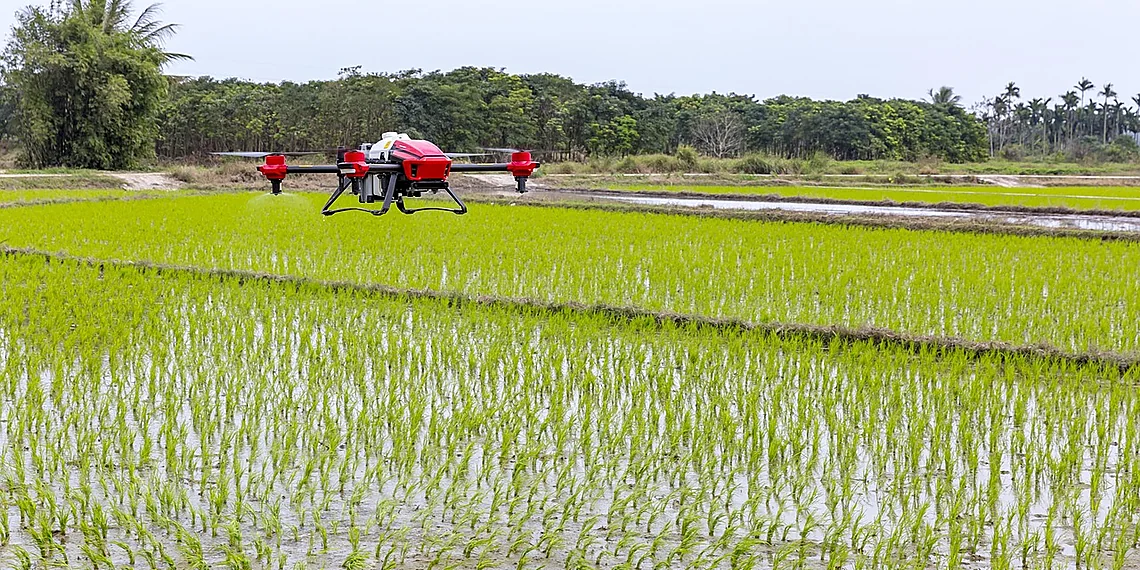
The implications of nature-inspired robot navigation extend far beyond the immediate promise of enhanced search and rescue operations. While deploying robots into disaster zones to locate survivors remains a critical application, the underlying technology – enabling autonomous movement through complex and unpredictable environments – unlocks a wealth of possibilities across numerous industries. Imagine infrastructure inspection becoming dramatically more efficient; robots capable of navigating pipelines, bridges, or power lines without human guidance, identifying structural weaknesses and scheduling preventative maintenance before costly failures occur. Similarly, precision agriculture could see robots autonomously monitoring crop health, applying targeted treatments, and optimizing yields in ways previously unattainable.
Beyond Earth, this navigation system holds significant potential for planetary exploration. Rovers currently deployed on Mars rely heavily on pre-programmed routes and human oversight. A truly autonomous navigation system would allow future rovers to explore vast, uncharted territories with minimal intervention from Earth-based controllers, significantly accelerating scientific discovery. This capability is also crucial for establishing robotic outposts or resource extraction operations in remote locations, both on our planet and beyond.
The broader impact on robotics and automation shouldn’t be underestimated. Current limitations in robot navigation often necessitate simplified environments or reliance on pre-mapped terrains. By enabling robots to adapt and learn from their surroundings – mimicking the way animals navigate complex landscapes – we’re pushing the boundaries of what’s possible for robotic autonomy. This will likely spur advancements in other areas, such as sensor technology, AI algorithms for path planning, and even new materials designed for robust locomotion.
Ultimately, this nature-inspired approach to robot navigation represents a shift towards more versatile and adaptable robots capable of tackling increasingly complex tasks. It’s not just about automating existing processes; it’s about enabling entirely new applications that were previously deemed too challenging or cost-prohibitive – paving the way for a future where robots play an even greater role in solving real-world problems and expanding human capabilities.
Beyond Search and Rescue: Expanding the Possibilities
While search and rescue remains a critical application for advanced robot navigation systems, the possibilities extend far beyond disaster relief scenarios. Nature-inspired algorithms, allowing robots to mimic animal locomotion and decision-making processes, unlock access to environments previously deemed too challenging or dangerous for robotic operation. These include infrastructure inspection of bridges, tunnels, and pipelines where human entry is risky or impractical; precision agriculture requiring navigation through uneven terrain with variable lighting conditions; and even complex maintenance tasks within industrial facilities.
The ability of robots to autonomously navigate unpredictable landscapes has profound implications across multiple sectors. For example, in planetary exploration, nature-inspired navigation could enable rovers to traverse rocky surfaces and negotiate obstacles on Mars or other celestial bodies without constant remote control from Earth. This reduces mission risk and allows for more extensive data collection. Similarly, in agriculture, robots equipped with this technology can optimize crop yields by precisely monitoring plant health and applying resources where needed, all while navigating complex field layouts.
Ultimately, advancements in nature-inspired robot navigation are fostering a new generation of robotic capabilities. They move beyond pre-programmed routes and reliance on detailed maps, allowing for greater adaptability and resilience. This shift paves the way for robots to operate more independently and efficiently in dynamic environments, significantly expanding their utility and potential impact across industries and opening up avenues for exploration that were previously unattainable.
The journey into nature-inspired robotics has revealed a profound truth: some of the most elegant solutions to complex problems already exist, perfected over millennia by evolution itself. We’ve seen how mimicking ant colony optimization and flocking behavior can dramatically improve efficiency and robustness in Robot Navigation systems, moving beyond traditional grid-based approaches. From swarms navigating disaster zones to autonomous vehicles adapting to unpredictable environments, the potential impact is truly transformative. These bio-inspired algorithms aren’t just theoretical curiosities; they’re rapidly becoming practical tools for engineers tackling real-world challenges. The convergence of advanced sensing capabilities and increasingly powerful computing allows us to translate these natural principles into sophisticated robotic control systems with remarkable precision. Looking ahead, we anticipate even greater integration of machine learning techniques to further refine these nature-inspired approaches, enabling robots to learn and adapt in ways previously unimaginable. This field promises a future where autonomous machines interact seamlessly with their surroundings, enhancing productivity and safety across countless sectors. What are your thoughts on the broader implications of this technology? How do you envision Robot Navigation evolving within industries like logistics, agriculture, or even healthcare? We’d love to hear your predictions and perspectives – share them in the comments below! Let’s explore the possibilities together.
We invite you to join the conversation and speculate about how nature-inspired robotics might reshape our world. Consider the ethical considerations, potential job displacement, or entirely new industries that could emerge as Robot Navigation becomes more prevalent. Your insights are valuable in helping us understand the full scope of this exciting technological frontier.
Continue reading on ByteTrending:
Discover more tech insights on ByteTrending ByteTrending.
Discover more from ByteTrending
Subscribe to get the latest posts sent to your email.