

The Problem With Traditional Robotics
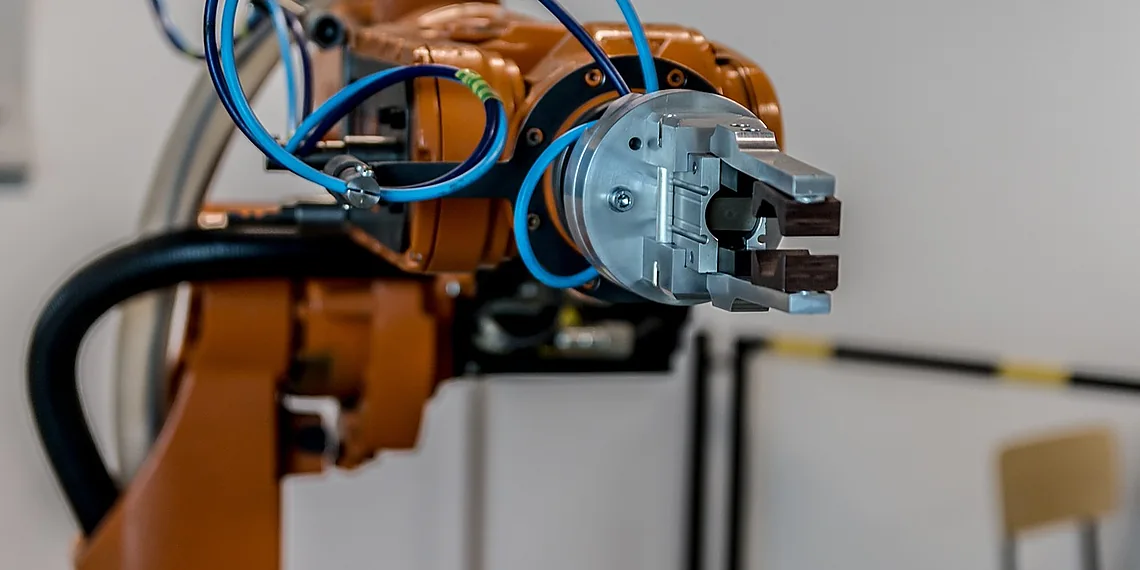
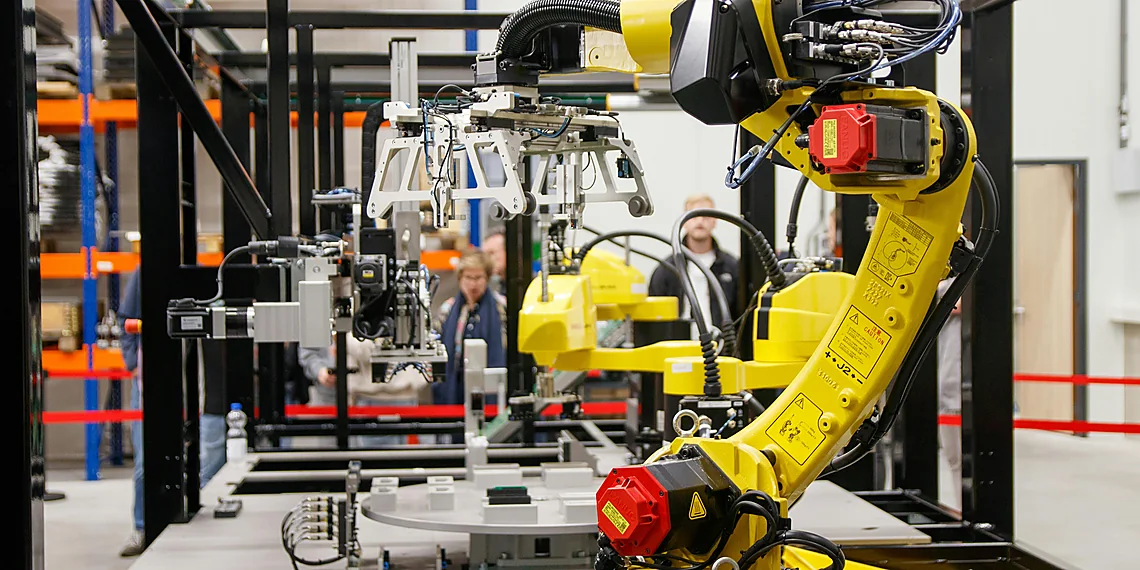
For decades, robots have largely been built on a foundation of rigid metal and powerful motors – think assembly lines or even those futuristic depictions in science fiction films like ‘The Terminator.’ While incredibly effective at repetitive tasks in controlled environments, this traditional approach presents significant challenges when it comes to interaction with humans or operating in unpredictable settings. The very properties that make these robots strong and precise—their rigidity and force—become liabilities when working alongside people or navigating complex terrain.
Consider the potential for injury. A robot with jerky movements and inflexible limbs can easily cause harm if it bumps into a person or an object. Even seemingly minor collisions can result in discomfort, or worse, serious injuries. This inherent risk necessitates careful programming, extensive safety protocols, and often, physical barriers – all of which limit their usability and create a sense of distance rather than collaboration.
Furthermore, traditional robots struggle with adaptability. Their pre-programmed movements are designed for specific tasks and environments; anything unexpected can throw them off course or lead to malfunctions. A slightly misplaced object, an uneven surface, or even a change in lighting conditions can render these machines ineffective or dangerous. This lack of resilience limits their application across diverse fields like healthcare, search & rescue, or even everyday assistance.
Ultimately, the limitations of rigid robotics highlight the need for a fundamentally different design philosophy – one that prioritizes safety, adaptability, and seamless human interaction. Enter soft robotics, an emerging field poised to reshape our understanding of what robots can be and how they can integrate into our lives.
Why Metal & Motors Aren’t Always Best

Traditional robotics, the kind often envisioned in science fiction, relies heavily on rigid metal structures and electric motors for actuation. While effective in controlled industrial settings like assembly lines, this design presents significant limitations when interacting with humans or operating in unpredictable environments. The inherent rigidity of these robots makes them prone to jerky movements and a lack of finesse – qualities that are far from ideal when assisting with tasks requiring delicate handling.
A major concern with rigid robotic arms is the potential for injury. A sudden malfunction or unexpected collision can result in significant harm, particularly if the robot is operating near people. The force generated by powerful motors combined with the unyielding nature of metal components creates a safety hazard that necessitates extensive safeguards and restricted operational zones. This limits their applicability in healthcare, elder care, and other settings where human proximity is unavoidable.
Furthermore, rigid robots struggle to adapt to unstructured environments. They are typically programmed for specific tasks within defined parameters, making them inflexible when faced with obstacles or unexpected changes in terrain. Their inability to conform to irregular shapes or navigate delicate objects restricts their usefulness in applications like search and rescue or handling fragile goods.
Enter Soft Robotics: A Gentle Revolution
Forget the metallic menace of ‘The Terminator.’ The future of robotics isn’t about rigid exoskeletons and clanking gears; it’s about gentle manipulation, adaptable forms, and a surprising degree of biological inspiration. Welcome to the world of soft robotics, a rapidly evolving field that’s redefining what robots *can* be. Unlike traditional robots built from hard materials like steel and aluminum, soft robots are constructed primarily from flexible polymers, elastomers (like silicone), and fabrics – materials that allow them to bend, twist, and deform in ways their rigid counterparts simply can’t.
The core principle behind soft robotics lies in mimicking the adaptability of biological systems. Think about an octopus’s arm or a snake’s movement; they navigate complex environments with incredible dexterity thanks to their flexible bodies. Soft robots aim to replicate this through innovative design and material choices. Instead of relying on joints and motors, they often utilize pneumatics (compressed air) or hydraulics (fluid pressure) to actuate movements. This allows for smoother, more controlled actions and the ability to conform to irregular shapes – essential for tasks like grasping delicate objects or navigating confined spaces.
What truly distinguishes soft robots is not just *what* they’re made of, but also *how* they’re designed. Traditional robotics focuses on precise, repeatable movements dictated by pre-programmed instructions. Soft robots, however, are often designed to be more resilient and adaptable; their flexibility allows them to recover from impacts and navigate unpredictable environments without breaking down. This inherent ‘give’ reduces the risk of damage to both the robot and its surroundings – a crucial advantage in applications like healthcare or search and rescue.
Ultimately, soft robotics represents a shift away from dystopian portrayals of robots as potentially threatening machines. Instead, it envisions a future where robots work alongside humans, assisting with tasks that require finesse, adaptability, and safety—a gentle revolution transforming the landscape of automation.
Materials & Mechanisms: What Makes Them ‘Soft’?

Unlike traditional robots constructed from rigid metals and hard plastics, soft robots rely on flexible materials like silicone, elastomers, and various polymers. These materials offer inherent compliance – meaning they can deform easily under force – allowing the robot to adapt to complex environments and interact safely with fragile objects or humans. The specific material selection depends heavily on the desired application; for example, some silicones are chosen for their biocompatibility in medical devices while others prioritize durability for industrial tasks.
The movement of soft robots isn’t driven by conventional motors and gears. Instead, actuation often utilizes pneumatics (compressed air) or hydraulics (pressurized fluids). These methods allow for smooth, controlled deformations within the flexible material. Imagine inflating chambers within a silicone sleeve – this causes bending and twisting motions that can be precisely orchestrated to achieve complex movements. Other techniques include using shape memory alloys or electroactive polymers which change shape in response to electrical stimulation.
The combination of these innovative materials and actuation methods is what defines soft robotics’ unique capabilities. The inherent flexibility allows them to squeeze through tight spaces, conform to irregular shapes, and absorb impacts without damage. This adaptability makes them ideally suited for a wide range of applications from minimally invasive surgery and search-and-rescue operations to delicate manufacturing tasks where precision and gentleness are paramount.
Applications & Impact: Beyond Manufacturing
While visions of robotic overlords might dominate popular culture, a quieter revolution is underway – one built on flexibility, adaptability, and gentleness. Soft robotics, unlike their rigid counterparts, utilize materials like silicone, fabric, and polymers to create robots that mimic biological movement and interaction. This shift fundamentally changes how we perceive the role of robots, moving them beyond purely industrial tasks and into areas demanding delicate handling and human-like interaction. The potential impact extends far beyond automated manufacturing lines; it’s poised to reshape healthcare, environmental remediation, and even exploration.
Perhaps nowhere is the promise of soft robotics more evident than in healthcare. Imagine surgical procedures performed by robots capable of navigating complex anatomical structures without causing trauma – this is becoming a reality. Soft robotic grippers are assisting surgeons with minimally invasive techniques, improving precision and reducing recovery times. Beyond surgery, advancements in prosthetic limbs are incorporating soft materials to provide more natural movement and sensory feedback for amputees. Furthermore, exoskeletons crafted from flexible polymers offer support and mobility assistance to individuals recovering from injury or living with debilitating conditions, offering a level of comfort and personalized adaptation simply not achievable with traditional rigid designs.
The benefits extend beyond direct patient care too. Soft robotic systems are being developed to assist elderly individuals with daily tasks, providing gentle support for lifting, transferring, and maintaining balance – all while minimizing the risk of injury to both the caregiver and the individual needing assistance. These robots aren’t intended to replace human interaction but rather to augment it, freeing up caregivers to focus on emotional support and personalized attention. The inherent safety and adaptability of soft robotics make them ideal for environments where unpredictable movements or delicate objects are present.
Looking ahead, the ongoing research in materials science and control algorithms will only amplify the impact of soft robotics. From exploring contaminated areas with flexible probes to manipulating fragile biological samples, their versatility opens up a vast range of possibilities. The future isn’t about robots replacing humans; it’s about creating collaborative systems that leverage the strengths of both – combining human intelligence with the precision and adaptability of soft robotic technology for a safer, more efficient, and ultimately more compassionate world.
Healthcare and Assistance: A New Era of Care
Soft robotics is rapidly transforming healthcare by offering solutions previously unattainable with traditional rigid robots. Minimally invasive surgery is seeing significant advancement; flexible endoscopes and surgical tools made from soft materials can navigate complex anatomical pathways with greater precision and reduced trauma to surrounding tissue. Imagine a robotic arm gently maneuvering around delicate organs during a procedure, minimizing scarring and recovery time – this is the promise of soft robotics in operating rooms.
Beyond surgery, soft robots are poised to revolutionize assistive devices for individuals with disabilities and elderly care. Prosthetics utilizing flexible materials can conform more naturally to the body, providing increased comfort and dexterity compared to conventional designs. Similarly, exoskeletons built from soft actuators offer support and mobility assistance while minimizing strain on joints – a significant benefit for those recovering from injury or managing age-related decline. Researchers are even developing gentle robotic companions designed to assist with daily tasks and provide social interaction for the elderly.
The key advantage of these applications lies in the inherent safety and comfort offered by soft materials. Unlike rigid robots, soft robots are less likely to cause harm if they come into contact with a person or fragile environment. This is particularly crucial when interacting directly with patients undergoing sensitive procedures or requiring ongoing assistance. The adaptability and gentle nature of soft robotics represent a paradigm shift towards more compassionate and effective healthcare solutions.
The Future is Collaborative
The image of a robot often conjures visions of metallic behemoths – think ‘The Terminator’ or Wall-E. But a quieter revolution is underway, moving away from rigid metal and embracing pliable materials. This burgeoning field, known as soft robotics, promises a future where robots are less intimidating and more integrated into our daily lives. At Georgia Tech and labs worldwide, researchers are engineering robots made of silicone, fabrics, and other flexible components, opening up possibilities previously confined to science fiction. The shift isn’t just about aesthetics; it’s fundamentally changing how we interact with machines.
The true potential of soft robotics lies in its ability to forge genuinely collaborative partnerships with humans. Imagine a robotic arm assisting a surgeon during a delicate procedure, gently manipulating tissues without causing trauma, or a warehouse worker receiving adaptable support from a flexible robot that can navigate tight spaces and handle fragile items. These aren’t just theoretical concepts; they are actively being developed. The inherent safety of soft robots—their ability to deform rather than break upon impact—makes them ideal for environments where humans and robots must work in close proximity, reducing the risk of injury.
Crucially, advancements in artificial intelligence (AI) are accelerating this collaborative future. AI algorithms are enabling soft robots to become significantly more responsive and adaptable. Through machine learning, these robots can learn from interactions, anticipate human needs, and personalize assistance – a far cry from pre-programmed routines. For example, researchers are developing systems where a soft robot can interpret subtle cues like hand gestures or changes in facial expression to understand a person’s intent, allowing it to provide truly personalized support. This represents a significant step towards robots that can genuinely understand and respond to human needs.
Looking ahead, we can expect to see even more sophisticated integration of AI and soft robotics. Imagine wearable exoskeletons made from flexible materials providing customized assistance for individuals with mobility challenges or delicate robotic grippers capable of handling incredibly fragile objects in manufacturing processes. The future isn’t about robots replacing humans; it’s about creating intelligent, adaptable partners that augment our capabilities and improve the quality of life – a vision increasingly brought to reality through the ongoing innovation within the field of soft robotics.
AI & Soft Robotics: Smarter Interactions
The burgeoning field of soft robotics is increasingly intertwined with artificial intelligence, leading to a new generation of robots capable of far more nuanced interactions than their rigid predecessors. Traditionally, controlling soft robots – those constructed from flexible materials like silicone or fabric – has been challenging due to the complexity of their movements and lack of precise control points. AI, specifically machine learning algorithms, is proving crucial in addressing this challenge. By analyzing sensor data (pressure, strain, visual input) collected by the robot, these AI systems can learn how different inputs translate into specific actions, allowing for real-time adaptation and more intuitive responsiveness.
One significant area of advancement lies in intent recognition. Researchers are developing AI models that allow soft robots to infer a human’s desired outcome even without explicit instructions. For example, a soft robotic arm might observe someone attempting to grasp an object and proactively adjust its grip strength and angle to assist in the task. This is achieved through techniques like reinforcement learning where the robot learns by trial and error, optimizing its actions based on feedback signals. Computer vision plays a key role here, enabling robots to understand their environment and human gestures.
The convergence of AI and soft robotics holds tremendous potential for personalized assistance. Imagine customizable soft robotic exoskeletons that adapt to an individual’s unique gait or therapeutic devices that provide precisely calibrated support based on real-time physiological data. These systems could revolutionize healthcare, elder care, and even manufacturing by creating robots that seamlessly integrate into human workflows and anticipate needs, moving beyond pre-programmed tasks towards truly collaborative partnerships.
We’ve journeyed far beyond the clunky, metallic depictions of robots often portrayed in science fiction, uncovering a fascinating field brimming with innovation.
From bio-inspired grippers to adaptable surgical tools and even wearable exoskeletons, the progress we’ve highlighted demonstrates the remarkable versatility of these flexible machines.
The ability to conform to complex environments, handle delicate objects without damage, and interact safely with humans is revolutionizing industries from healthcare and manufacturing to exploration and assistive technologies.
A key driver behind this transformation lies in the emergence of soft robotics, a discipline focused on creating robots from compliant materials like silicone and fabric, allowing for unprecedented levels of dexterity and adaptability compared to traditional rigid designs. The potential for truly collaborative human-robot interaction is rapidly becoming a reality thanks to these advances. This isn’t about replacing humans; it’s about augmenting our capabilities and tackling challenges previously deemed insurmountable. Consider the implications for disaster relief, where robots can navigate unstable terrain or assist in search and rescue operations with unparalleled gentleness and precision – that future is closer than you think. The ethical considerations are also becoming increasingly important as these technologies become more integrated into our lives, demanding thoughtful discussion and proactive planning. Ultimately, soft robotics represents a significant shift towards technology that seamlessly blends with the organic world around us. It’s a field poised to reshape not just how we build robots, but also how we interact with them and the world they inhabit. “] , 100} , {“paragraphs”: [“The journey through advancements in soft robotics has hopefully dispelled any lingering notions of robotic overlords and instead illuminated the exciting possibilities ahead.”],
Continue reading on ByteTrending:
Discover more tech insights on ByteTrending ByteTrending.
Discover more from ByteTrending
Subscribe to get the latest posts sent to your email.