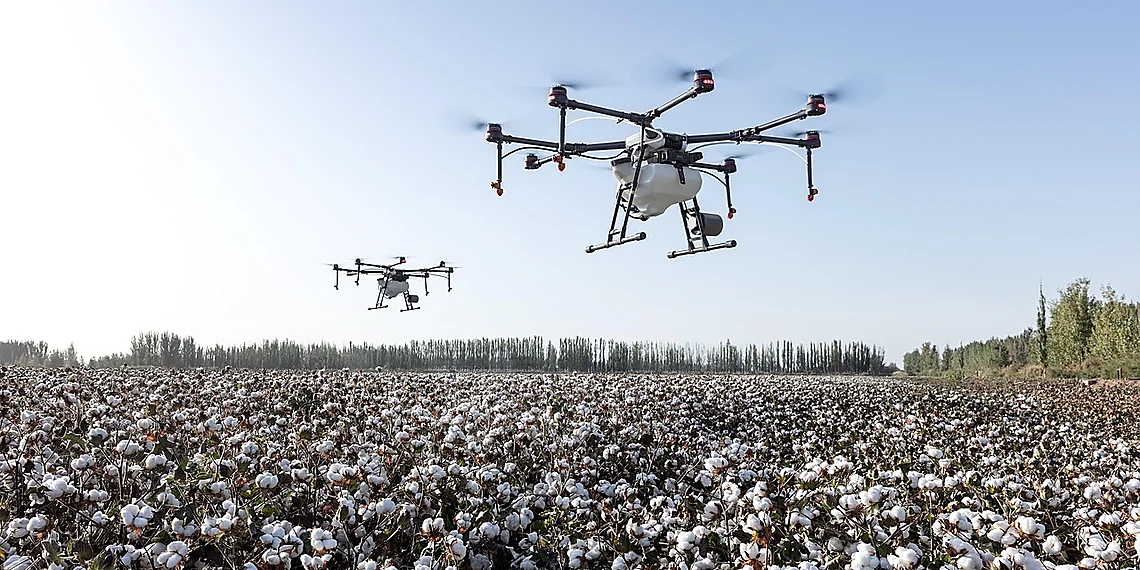



Imagine a future where vineyards aren’t just picturesque landscapes tended by human hands, but also patrolled by agile, bio-inspired machines ensuring optimal grape health and yield – that’s the promise unfolding before us today.
These aren’t your typical agricultural drones; we’re talking about vine robots, sophisticated devices mimicking the climbing abilities of plants to navigate complex, three-dimensional environments with remarkable precision.
The development of these robots represents a significant leap forward in robotics, offering potential solutions for tasks requiring delicate navigation and adaptability in unstructured settings beyond just viticulture.
This article will delve into the engineering principles behind vine robots, exploring the innovative materials and algorithms that enable their unique locomotion capabilities, while also examining real-world applications and future research directions shaping this exciting field.
The Rise of Vine Robotics
The world of robotics is undergoing a fascinating transformation, moving beyond the familiar image of rigid arms and clunky metal bodies. Enter ‘vine robots,’ a burgeoning field exploring an entirely new approach to robotic design: flexible, slender structures that mimic the graceful movement and adaptability of climbing plants. These aren’t your typical industrial machines; vine robots are characterized by their incredibly thin profiles – often just millimeters in diameter – allowing them to navigate spaces previously inaccessible to conventional robotics.
What sets vine robots apart is their inherent flexibility and responsiveness. Traditional robots rely on complex joint mechanisms and powerful motors, which can be detrimental when operating in delicate or confined environments. Vine robots, however, leverage soft materials and ingenious actuation methods like the innovative liquid crystal elastomer (LCE) technology described by researchers recently. This allows them to bend, twist, and conform to their surroundings with remarkable ease, essentially ‘swimming’ through complex pathways rather than forcing their way.
The recent breakthrough highlighted in research involves integrating a thin layer of LCE actuators within a soft robotic skin. By precisely controlling the pressure inside the robot’s body and manipulating the temperature of these actuators, researchers can steer the vine robot with incredible accuracy. This level of control unlocks possibilities for applications ranging from minimally invasive surgery to inspecting hard-to-reach areas in manufacturing plants or even exploring disaster zones – scenarios where a rigid robot simply wouldn’t be able to operate.
The growing interest in vine robotics stems from its potential to overcome the limitations of traditional robotic systems. As industries increasingly demand robots capable of performing intricate tasks in challenging environments, this flexible and adaptable form factor promises to be a key driver of innovation. The development of sophisticated materials and control algorithms will continue to shape the future of these fascinating machines, pushing the boundaries of what’s possible in robotics.
Beyond Rigid Arms: What Makes Vine Robots Unique?

Traditional robotic systems often rely on rigid arms and joints to interact with the world. While effective for many tasks, this design limits their ability to navigate complex or fragile environments. Imagine trying to thread a needle with a metal claw – it’s difficult! Vine robots offer a radically different approach; they mimic the flexible movement of climbing vines, utilizing a soft, often pliable body to conform to irregular shapes and squeeze through tight spaces.
The key distinction lies in their design philosophy. Instead of relying on precise mechanical movements, vine robots leverage principles of continuum mechanics. This means they don’t have defined joints but rather bend and twist along their entire length. The recent advancements highlighted in the article, incorporating liquid crystal elastomer actuators within a soft skin, allow for even greater control over this bending and twisting, enabling intricate navigation and manipulation.
This adaptability opens up exciting possibilities. Vine robots could be used for minimally invasive surgery, inspecting pipelines with complex geometries, or exploring delicate archaeological sites without causing damage – areas where conventional robotic systems simply couldn’t operate effectively. The ongoing research and development in vine robotics signals a significant shift towards more versatile and gentle interaction between humans and machines.
Soft Skin: The Key to Delicate Navigation
The ability to navigate incredibly tight spaces – think inside a plant stem or along a delicate circuit board – demands a radical rethink of robotics. Enter ‘vine robots,’ minuscule machines just millimeters wide that can squeeze through the most convoluted paths. Crucially, these tiny explorers rely on a groundbreaking innovation: soft robotic skin. This isn’t your typical rigid shell; it’s a flexible layer integrated with advanced materials and actuators, allowing for unprecedented maneuverability in fragile environments.
At the heart of this technology lies liquid crystal elastomers (LCEs). These remarkable materials change shape when exposed to heat or electric fields – essentially acting as tiny, programmable muscles. Researchers have strategically embedded thin layers of LCE within the robot’s soft skin, creating actuators that contract and expand in response to precisely controlled stimuli. This allows for intricate movements far beyond what’s possible with traditional robotic designs.
Steering these vine robots is surprisingly straightforward (though technologically complex). By carefully adjusting the internal pressure within the robot’s body – imagine gently inflating or deflating a balloon – and modulating the temperature of the LCE actuators, researchers can dictate its direction. Increasing the temperature of one actuator might cause it to contract, pulling the robot in that direction. Simultaneously adjusting internal pressure creates a nuanced combination of forces for incredibly precise control. This method avoids complex mechanical linkages, keeping the design simple and scalable.
The advantages of this soft skin approach are significant. Beyond its ability to navigate challenging terrains, the flexibility minimizes risk of damage to surrounding objects – vital in environments like delicate plant tissue or intricate electronics. Furthermore, the reliance on temperature and pressure for control offers a potentially energy-efficient solution compared to more traditional robotic actuators. This combination of adaptability, precision, and gentleness positions vine robots with soft skin as a promising platform for numerous applications, from micro-surgery to environmental monitoring.
Liquid Crystal Elastomers & Precision Control

The remarkable agility of these vine robots stems from a special material called liquid crystal elastomers (LCEs). Think of LCEs as plastics that react to changes in temperature or internal pressure, much like how muscles contract and relax. These materials are layered within the robot’s soft skin at specific points, acting as tiny, controllable actuators – essentially miniature motors that bend and twist the robot’s body.
The researchers can precisely steer the vine robots by manipulating two key factors: temperature and internal pressure. Heating up an LCE layer causes it to shrink slightly, while cooling it down makes it expand. By strategically heating or cooling different sections of the skin, engineers can create localized bending forces that guide the robot’s movement along a desired path. Similarly, adjusting the air pressure inside the robot’s body allows for broader directional changes.
This combination of LCE actuators and pressure/temperature control provides an unprecedented level of dexterity for robots of this size. Because the skin is so soft and responsive, these ‘vine robots’ can effortlessly navigate incredibly tight spaces and interact with delicate objects without causing damage – a significant advantage over traditional rigid-bodied robots.
Applications & Future Potential
The potential applications for these miniature ‘vine robots’ extend far beyond simple demonstrations; their unique ability to navigate incredibly complex and delicate environments opens doors across a surprisingly broad range of industries. Imagine a future where medical procedures become significantly less invasive, thanks to robots capable of traversing the intricate pathways within the human body. Vine robots could be deployed for targeted drug delivery, minimally invasive biopsies, or even microsurgery, all with a level of precision currently unattainable by traditional surgical tools.
Beyond healthcare, these soft robotic systems offer remarkable possibilities in infrastructure inspection and environmental monitoring. Think about inspecting aging pipelines, assessing the structural integrity of bridges, or exploring confined spaces within nuclear power plants – tasks often involving risks to human workers or requiring specialized equipment. The vine robot’s small size and adaptable form factor allow it to access areas previously unreachable, providing crucial data for preventative maintenance and safety assessments.
Search and rescue operations represent another compelling application area. In the aftermath of natural disasters like earthquakes or building collapses, where traditional robots struggle due to debris and unstable conditions, vine robots could be deployed to locate survivors trapped within confined spaces. Their soft bodies allow them to squeeze through narrow openings and avoid causing further damage to precarious structures, significantly increasing the chances of successful rescue missions.
Looking ahead, researchers are exploring integrating sensors directly into the vine robot’s skin, enabling it to collect environmental data such as temperature, humidity, or even chemical concentrations. This could lead to advanced monitoring systems for agriculture, pollution detection, and even planetary exploration – all powered by these incredibly tiny and adaptable robotic platforms.
From Surgery to Search and Rescue: Real-World Use Cases
The unique ability of vine robots with soft skin to navigate extremely confined and fragile spaces opens up significant possibilities in minimally invasive surgery. Imagine surgeons deploying these tiny robots through narrow blood vessels or tissue pathways to perform biopsies, deliver targeted therapies, or even assist in microsurgery – all with a reduced risk of damage compared to traditional surgical tools. The flexibility and adaptability of the vine robot’s movement would allow for access to areas previously unreachable, potentially revolutionizing treatment approaches for conditions like brain tumors or cardiovascular disease.
Beyond healthcare, these robots offer compelling solutions for inspecting critical infrastructure that is often inaccessible or dangerous to human workers. For example, they could be used to examine pipelines, bridges, or power lines without requiring disruptive shutdowns or risking personnel safety. The soft skin allows the vine robot to conform to irregular surfaces and navigate around obstacles with ease, providing detailed visual inspections and identifying potential structural weaknesses in a non-invasive manner.
Search and rescue operations following natural disasters also stand to benefit greatly from vine robot technology. In collapsed buildings or earthquake zones, these small, adaptable robots could be deployed to locate survivors trapped beneath debris. Their ability to squeeze through narrow gaps and navigate unstable environments would allow them to access areas inaccessible to larger search teams, potentially saving lives and providing crucial information about the structural integrity of the affected area.
Challenges & The Road Ahead
While the demonstration of vine robots navigating complex environments is a significant breakthrough, considerable hurdles remain before widespread adoption becomes a reality. Currently, these miniature robots are powered externally, limiting their operational range and autonomy. Scaling up production to create swarms of these devices presents another major challenge; manufacturing precise, millimeter-scale actuators and integrating them into the soft skin requires highly specialized techniques that are not easily mass-producible. Furthermore, the current control system, relying on pressure and temperature adjustments, is somewhat slow and lacks the precision needed for truly dynamic environments.
Long-term durability also represents a key area of focus for future research. The delicate nature of both the soft skin and the integrated actuators means they are susceptible to damage from abrasion or exposure to harsh environmental conditions. Researchers are actively exploring more robust materials and protective coatings to extend operational lifespan, as well as investigating self-healing capabilities that could automatically repair minor damages. Miniaturizing power sources – potentially through advancements in microbatteries or wireless energy transfer – is also crucial for enabling truly independent operation.
Looking ahead, research efforts will likely concentrate on several key areas. Improved control algorithms utilizing more sophisticated sensing and feedback mechanisms are needed to enhance navigation precision and responsiveness. Exploring alternative actuation methods beyond liquid crystal elastomers, perhaps leveraging electroactive polymers or other microscale technologies, could lead to faster response times and increased efficiency. Finally, integrating artificial intelligence and machine learning could allow vine robots to adapt to unforeseen circumstances and perform increasingly complex tasks autonomously, opening up a wide range of potential applications from medical interventions to environmental monitoring.
Power, Scale, and Long-Term Durability
While the concept of vine robots holds immense promise, significant hurdles remain in terms of power management. These miniature robots require a consistent energy source to operate their actuators and control systems. Current prototypes rely on external power delivery via thin wires, which limit maneuverability and restrict deployment scenarios. Researchers are actively exploring alternative solutions such as micro-batteries or wireless power transfer techniques tailored for these incredibly small devices, but achieving sufficient energy density and efficiency within such a constrained volume presents a considerable engineering challenge.
Scaling up production of vine robots also poses a major obstacle to widespread adoption. The fabrication process currently involves intricate layering and precise placement of liquid crystal elastomer actuators – a labor-intensive procedure unsuitable for mass manufacturing. Developing automated, high-throughput manufacturing techniques that maintain the precision required for these delicate structures is crucial. This includes investigating alternative materials and simplified assembly processes without compromising the robots’ navigational capabilities.
Finally, ensuring long-term durability in harsh environments represents another critical area of research. The soft robotic skin, while enabling dexterity, is vulnerable to damage from abrasion, temperature fluctuations, and exposure to chemicals or dust. Ongoing efforts focus on developing more robust materials and protective coatings that can withstand these conditions without sacrificing the robot’s flexibility and sensitivity. Researchers are also investigating self-healing capabilities to extend operational lifespan and reduce maintenance requirements.
The journey through the intricacies of vine robot design has revealed a truly transformative technology poised to reshape industries from agriculture to logistics.
We’ve seen how their unique bio-inspired locomotion allows for unparalleled maneuverability in complex, unstructured environments, overcoming challenges that traditional robots simply can’t.
From navigating dense vineyards with ease to inspecting delicate infrastructure without causing damage, the potential applications of vine robots are vast and continually expanding as researchers push the boundaries of what’s possible.
The development isn’t just about mimicking nature; it represents a fundamental shift in how we approach robotics, prioritizing adaptability and gentleness alongside efficiency and precision. This promises more sustainable and less disruptive solutions across numerous sectors that rely on intricate navigation and handling of sensitive materials or spaces. Imagine the possibilities as these systems refine further – truly remarkable progress is being made in this field, paving the way for a future where complex tasks are handled with grace and accuracy by these innovative machines. The elegance of their movement and functionality speaks volumes about the power of biomimicry in engineering. Ultimately, vine robots represent just one exciting facet of an ongoing revolution in robotics, emphasizing the growing importance of soft robotics and adaptable designs. We’ve only scratched the surface of what’s possible with this technology, and future iterations will undoubtedly unlock even more groundbreaking applications and efficiencies. Expect to see significant advancements as material science and AI continue to converge, further refining their capabilities and expanding their reach into new areas we can scarcely imagine today.
Continue reading on ByteTrending:
Discover more tech insights on ByteTrending ByteTrending.
Discover more from ByteTrending
Subscribe to get the latest posts sent to your email.