

For years, we’ve chased the dream of truly intuitive robots – machines that can seamlessly adapt to changing environments and execute complex tasks without constant human intervention. Yet, current robotic programming often feels like a frustrating bottleneck, requiring intricate code and specialized expertise just to get a robot to pick up a box or navigate a simple room.
The reality is, traditional methods frequently struggle with unpredictability; a slight shift in lighting or an unexpected obstacle can send pre-programmed routines spiraling into failure. This reliance on rigid instructions limits the potential for truly autonomous and versatile robotic systems, hindering their integration into everyday life.
But what if we could move beyond lines of code and embrace a more dynamic approach? Imagine programming robots not with commands, but by demonstrating desired behaviors – physically guiding them through movements that they then internalize and replicate. This is the core principle behind an exciting emerging field called rubber band robotics.
Essentially, rubber band robotics utilizes physical manipulation to ‘teach’ robots actions, creating a simplified programming experience where the robot learns from your guidance rather than relying solely on complex algorithms. It’s a fascinating shift that promises to lower the barrier to entry for roboticists and open up new possibilities across industries.
The Bottleneck in Modern Robotics
Modern robotics has made incredible strides, enabling machines to perform tasks ranging from sorting packages in sprawling warehouses to autonomously navigating our homes for vacuuming. However, the seemingly seamless execution we often witness masks a significant bottleneck: the inherent complexity and cost associated with traditional robotic programming. At its core, controlling these robots relies on intricate software control systems, sophisticated sensors that interpret their environment, and powerful actuators that translate instructions into physical movement. Each of these components adds layers of electronic overhead, driving up both development expenses and the overall operational costs.
The current paradigm often demands highly specialized programmers to craft precise sequences of movements and responses for even relatively simple tasks. Imagine programming a warehouse robot to pick and place items – it needs to account for varying object weights, orientations, and potential obstacles. This level of precision requires extensive code, constant debugging, and frequent updates as the environment changes. Similarly, home cleaning robots require complex algorithms to map rooms, avoid furniture, and adapt to unexpected messes. The more intricate the task or the unpredictable the environment, the exponentially higher the programming burden becomes.
Beyond the financial implications, traditional robotic programming also presents challenges in energy consumption. These electronic systems draw significant power, limiting battery life and increasing operational expenses for mobile robots. Furthermore, the rigid nature of pre-programmed routines struggles to adapt to unforeseen circumstances or dynamic environments. A slight change in lighting conditions or a misplaced object can easily derail a robot’s planned actions, requiring human intervention or costly reprogramming. This lack of inherent adaptability restricts their utility in truly unstructured settings.
Ultimately, current robotic programming methods often fall short when faced with the demands of increasingly complex tasks and unpredictable environments. The reliance on intricate electronics creates a significant barrier to entry for wider adoption and limits the potential for robots to seamlessly integrate into our lives. This is where innovative approaches, like those exploring ‘rubber band robotics,’ offer a potentially transformative solution – one that promises to simplify programming, reduce costs, and unlock new possibilities in robotic applications.
Complexity & Cost: The Electronic Overhead
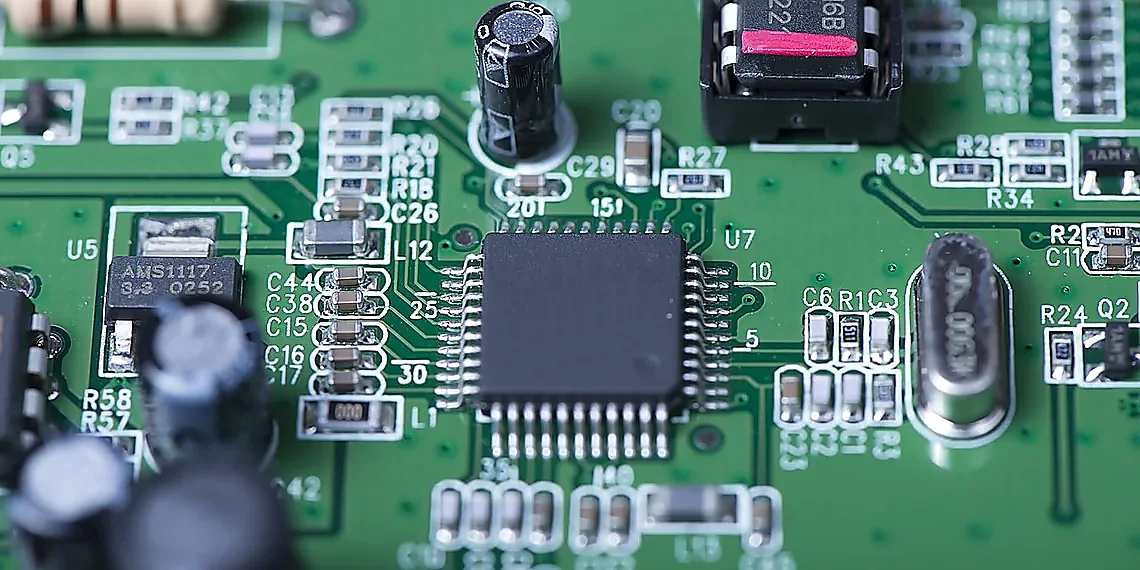
Modern robotics faces a significant hurdle: the sheer complexity and expense driven by its electronic components. A seemingly simple task like warehouse automation, where robots sort packages or retrieve items, requires sophisticated sensors (cameras, laser scanners) to perceive the environment, powerful processors to interpret that data, and precisely controlled actuators (motors, gears) to manipulate objects. Each of these elements adds layers of engineering complexity and contributes substantially to the overall cost – a single industrial robot arm can easily exceed $50,000 before even considering integration with other systems.
The software controlling these robots further amplifies the challenges. Traditional robotic programming often relies on intricate algorithms and pre-programmed sequences, which are brittle and struggle to adapt to unexpected changes or variations in the environment. Consider a home cleaning robot: it needs to map its surroundings, avoid obstacles (chairs, pets), and efficiently clean floors. This demands significant computational power and complex software logic that must be meticulously designed and debugged, often requiring specialized expertise.
Furthermore, all these electronic components consume substantial energy and generate heat, impacting operational efficiency and necessitating additional cooling systems. The dependence on electricity also limits where robots can operate effectively. As tasks become more intricate – navigating uneven terrain or performing delicate surgical procedures – the need for even more advanced sensors, processing power, and actuators escalates exponentially, reinforcing the current limitations of traditional robotic approaches.
Enter: Rubber Band Programming
Traditional robotics often relies on complex software and intricate sensor systems – a recipe for both high cost and significant development time, especially when dealing with unpredictable environments. But what if we could leverage simple materials to achieve surprisingly sophisticated robotic behaviors? Enter ‘rubber band programming,’ a burgeoning field exploring the use of elastic materials like rubber bands (and beyond) to create mechanical logic circuits within robots. Instead of lines of code, these systems utilize the tension and release of elasticity to dictate movement and action.
At its core, rubber band programming works by translating desired robotic actions into specific arrangements and tensions of elastic elements. Imagine a series of interconnected rubber bands, each strategically placed and calibrated. Pulling or releasing one band can trigger a chain reaction, causing other bands to move, ultimately activating levers or actuators that control the robot’s movements. Think of it as building physical ‘if-then’ statements – if this band is pulled, then that lever moves; if that lever moves, then the arm rotates.
The fundamental principle hinges on mechanical logic. Each rubber band acts as a switch or gate, its state (stretched or relaxed) determining whether to allow force to pass through and influence subsequent components. This approach drastically reduces the need for microprocessors and complex algorithms. While not eliminating all electronic control entirely (some sensors might still be involved), it shifts the focus from software-driven precision to material-based predictability – allowing robots to adapt to minor variations in their environment without constant recalculation.
The beauty of rubber band programming lies in its inherent adaptability and potential for simplicity. Modifying a robot’s behavior isn’t about rewriting code; it’s about rearranging or reconfiguring the elastic elements themselves. This ease of modification opens doors for rapid prototyping, customizable solutions for niche applications (like flexible assembly lines), and potentially even allows non-programmers to intuitively ‘teach’ robots new tasks – marking a significant shift in how we interact with and program robotic systems.
Mechanical Logic with Elasticity
Rubber band robotics, a burgeoning field, offers an intriguing alternative to traditional electronic control systems in robots. The core concept revolves around using elastic materials—primarily rubber bands but also including springs or similar flexible elements—to create mechanical logic circuits. Instead of relying on microprocessors and complex code, these circuits dictate robot behavior through the physical arrangement and tensioning of the elastic components. Think of it as building a system where the robot’s actions are determined by how different rubber bands pull against each other based on external forces or stimuli.
The mechanics behind this approach are surprisingly simple. Each rubber band acts like a logic gate in an electronic circuit – a fundamental building block for decision-making. By strategically connecting and constraining these ‘elastic gates,’ designers can create pathways that direct force, trigger movements, or alter the robot’s trajectory. For instance, a rubber band connected to a sensor might release its tension when it detects an obstacle, causing the robot to change direction. The arrangement of multiple bands allows for more complex conditional responses – if this happens, then do that; otherwise, do something else. This fundamentally shifts programming from software to structural design.
This method boasts several potential advantages. It drastically reduces the need for electronic components, lowering costs and simplifying construction, particularly beneficial in resource-constrained environments or educational robotics projects. The system’s inherent mechanical nature also makes it remarkably robust; a single rubber band failure is unlikely to cause complete system failure. Furthermore, these elastic logic circuits can be surprisingly adaptable; changes to the physical arrangement of the bands can easily modify the robot’s behavior, allowing for quick prototyping and reconfiguration without rewriting code.
Potential Applications & Advantages
Rubber band robotics isn’t just a quirky academic experiment; it holds significant potential across diverse industries thanks to its inherent advantages over traditional robotic systems. Imagine warehouse automation where robots sort packages with remarkable agility, or disaster relief bots navigating treacherous rubble piles without the fragility of conventional electronics. These scenarios highlight rubber band robotics’ key strength: adaptability. Unlike rigid, electronically controlled machines that struggle in unpredictable environments, these ‘soft’ robots can deform and contort to overcome obstacles, making them exceptionally robust against damage and capable of operating where traditional robots simply cannot.
The benefits extend beyond just resilience. Consider the cost implications – eliminating complex electronic components drastically reduces manufacturing expenses, opening doors for wider deployment, particularly in educational settings. Picture affordable robotics kits empowering children to learn programming fundamentals through tangible manipulation of rubber band-powered mechanisms. This accessibility fosters a deeper understanding of engineering principles and encourages creativity. Furthermore, the simplicity of design lends itself to rapid prototyping and iteration; new functionalities can be implemented with relative ease compared to the intricate redesigns often required for electronic counterparts.
Looking further ahead, rubber band robotics aligns perfectly with the burgeoning field of soft robotics – where robots are designed to mimic biological movement and interact safely with humans. Applications in healthcare, such as minimally invasive surgical tools or assistive devices for elderly care, become increasingly viable. The inherent compliance of these systems minimizes risk during human interaction, a critical factor in sensitive environments. While still in its early stages, the possibilities are vast, suggesting that rubber band robotics could revolutionize how we design and deploy robots across numerous sectors.
Finally, while large-scale industrial implementation is likely years away, the ongoing research into combining rubber band mechanics with limited embedded electronics—for example, using tiny sensors to guide movement—promises even more sophisticated capabilities. This hybrid approach can leverage the advantages of both methodologies: robustness and adaptability from the rubber bands, and precision control from the electronics, paving the way for a new generation of versatile and cost-effective robotic solutions.
From Warehouses to Disaster Relief

Beyond laboratory demonstrations, rubber band robotics holds significant promise for practical applications across diverse sectors. In warehouse automation, for example, these robots can offer a more adaptable solution than rigid, electronically controlled systems. Imagine sorting packages or picking items from shelves – the inherent flexibility of rubber band actuators allows robots to gently navigate around obstacles and handle delicate goods without damage, reducing the need for complex collision avoidance software and expensive sensors. This adaptability is particularly valuable in dynamic warehouse environments where layouts frequently change.
The robustness of rubber band robotics also makes it exceptionally well-suited for disaster relief scenarios. Traditional robots often struggle with navigating unstable rubble or traversing uneven terrain, requiring specialized tracks or wheels that can fail easily. A rubber band robot, however, can deform and squeeze through narrow gaps, climb over debris, and absorb impacts without critical component failure – a crucial advantage when operating in unpredictable and hazardous environments where repairs are difficult or impossible. Their simpler construction also translates to easier maintenance and potential for rapid deployment.
Furthermore, the simplicity of rubber band robotics lends itself beautifully to educational kits aimed at introducing children to programming and engineering principles. Building and controlling these robots requires less technical expertise than traditional methods, fostering creativity and problem-solving skills in a more accessible way. While still early days, researchers are also exploring applications in soft robotics, envisioning flexible robotic grippers for medical procedures or delicate object manipulation – areas where the compliance of rubber band actuators could provide a distinct advantage over rigid counterparts.
Challenges & The Future of Elastic Robotics
While the initial demonstrations of ‘rubber band robotics’ are undeniably captivating, showcasing a fundamentally different approach to programming movement and behavior, significant hurdles remain before this technology can truly challenge established robotic systems. The current iterations largely rely on pre-programmed shapes cut into rubber, limiting flexibility and adaptability in real-world scenarios. Achieving complexity comparable to even basic industrial robots requires an exponential increase in the number of rubber components and precisely engineered configurations – a design and fabrication process that quickly becomes unwieldy. Furthermore, the inherent elasticity of the materials introduces challenges related to predictable movement; subtle variations in temperature or humidity can affect performance, demanding robust calibration and compensation techniques.
A crucial area for future development lies in improving material durability and precision control. Rubber, by its nature, is prone to wear and tear, making long-term reliability a concern. Research into advanced elastomers with enhanced strength and fatigue resistance will be vital. Simultaneously, refining the methods used to create these rubber ‘programs’ – whether through laser cutting, 3D printing, or other fabrication techniques – is essential for achieving the necessary level of precision in shape design. The ability to integrate sensors directly within the elastic structures themselves, providing feedback on deformation and tension, could also significantly enhance control capabilities.
Scalability presents another significant obstacle. Currently, rubber band robotics excels at relatively simple tasks but struggles with complex manipulation or navigation. Integrating this novel approach with existing robotic technologies – such as computer vision, AI-powered path planning, and traditional motor systems – is paramount to unlocking its broader potential. Imagine a hybrid system where rubber band logic handles basic locomotion while sophisticated algorithms manage object recognition and decision-making. This synergy could lead to robots capable of adapting to dynamic environments in ways currently unimaginable with purely electronic designs.
Looking ahead, we might see the emergence of ‘programmable matter’ that combines elastic properties with microelectronics or even self-healing capabilities. While fully realizing this vision is likely decades away, ongoing research into materials science and bio-inspired robotics suggests a future where robots are not just built *with* electronics, but dynamically shaped and programmed using inherently flexible and adaptable materials – potentially ushering in a new era of intuitive and cost-effective automation.
Scalability & Integration Hurdles
While rubber band robotics offers a compelling alternative to traditional motor-driven systems for certain tasks, significant hurdles remain in scaling these designs into complex applications. The core challenge lies in translating intricate programming logic into the precise manipulation of elastic elements. Creating sophisticated behaviors requires designing increasingly elaborate and interconnected rubber band networks, which quickly becomes difficult to model, simulate, and physically construct. Current implementations are often limited to relatively simple actions due to this design complexity; replicating the dexterity and adaptability of conventional robots proves exceptionally challenging.
Material durability also presents a practical limitation. Rubber bands degrade over time with repeated stress and environmental factors like UV exposure or temperature fluctuations. This necessitates frequent replacement, impacting reliability and increasing maintenance costs – a significant drawback compared to the longevity typically expected from robotic components. Furthermore, achieving precise control over rubber band movement is difficult; variations in elasticity, friction, and tension introduce unpredictable behavior that hinders accuracy and repeatability. Researchers are exploring alternative elastic materials with improved durability and more predictable properties.
Integrating rubber band logic with existing electronic or AI systems presents another substantial challenge. While hybrid approaches combining the simplicity of elastic actuation with the computational power of traditional robotics are being investigated, seamless integration requires novel interfaces and control strategies. Current efforts focus on developing sensors that can accurately measure rubber band tension and position, feeding this data into microcontrollers to enable dynamic adjustments and more complex interactions. Future advancements may involve incorporating machine learning algorithms to compensate for material inconsistencies and improve overall system performance.

The exploration into unconventional programming paradigms has revealed a truly fascinating avenue—rubber band robotics—demonstrating that complex behaviors can emerge from surprisingly simple physical interactions. We’ve seen how this approach bypasses traditional code, relying instead on carefully designed mechanical systems to achieve desired outcomes, offering an intriguing alternative for certain applications. The implications are significant; imagine adaptable robots responding dynamically to their environment without constant software updates or intricate algorithms. This represents a shift away from purely digital control, potentially unlocking new levels of resilience and efficiency in robotic design. While still in its nascent stages, the principles underlying rubber band robotics hold immense promise for fields ranging from educational tools to specialized industrial automation. The ability to create functional machines with minimal electronic components is a compelling proposition, particularly when considering resource constraints or environments where traditional power sources are unavailable. Ultimately, this innovative methodology challenges our preconceived notions of what constitutes ‘programming’ and opens doors to entirely new design possibilities. We believe that further investigation into the mechanics and emergent behaviors within these systems will yield even more groundbreaking discoveries. To delve deeper, we encourage you to explore the related research papers cited throughout this article and consider how principles like these could be applied in your own projects or areas of expertise. Share your thoughts on the potential of rubber band robotics—what applications do you envision, and what challenges remain to be overcome?
We’re incredibly excited about the future trajectory of this technology and its potential impact on how we interact with machines.
Continue reading on ByteTrending:
Discover more tech insights on ByteTrending ByteTrending.
Discover more from ByteTrending
Subscribe to get the latest posts sent to your email.