
For decades, we’ve pictured cell division as a tidy process – chromosomes neatly separating and distributing like carefully packed boxes. But what if that image is fundamentally flawed? Recent groundbreaking research has revealed something astonishing about how our cells divide: DNA doesn’t always break apart as cleanly as we thought it did. Scientists have observed the surprising persistence of structures called genomic loops, defying previous assumptions about chromosome behavior during mitosis. These aren’t fleeting formations; they actively maintain their shape and organization throughout a critical stage of cell division, challenging established models. The discovery of these persistent genomic loops fundamentally alters our understanding of how genetic material is segregated, hinting at previously unknown regulatory mechanisms at play. This unexpected phenomenon promises to reshape the landscape of cell biology and potentially offer new avenues for therapeutic interventions in diseases linked to chromosomal instability.
Previously, it was believed that chromosomes fully disassembled into linear DNA strands during mitosis, allowing for accurate separation. However, these newly identified genomic loops demonstrate a degree of structural integrity maintained throughout the process – a level of organization we never anticipated. This challenges our core understanding and opens up exciting avenues to explore how cells coordinate this complex dance of genetic material.
The Old Model: Genome Structure and Division
For decades, the prevailing model of chromosome behavior during cell division presented a seemingly straightforward picture: a temporary scaffolding that disassembled to ensure accurate distribution. Chromosomes aren’t just linear strings of DNA; they exist within a complex three-dimensional (3D) architecture inside the nucleus – what’s often referred to as ‘chromatin organization.’ This 3D structure, formed by loops and folds, isn’t arbitrary. It plays a crucial role in gene regulation, influencing which genes are turned on or off at any given time, and ultimately dictating cellular function. Think of it like neatly organized files on a computer; easy to find and access when needed.
Prior to this recent breakthrough, scientists assumed that during the critical phases leading up to cell division – specifically DNA replication and chromosome segregation – this intricate 3D organization would largely dissipate. The idea was that the genome had to become more ‘relaxed’ or unfolded to allow for efficient copying of all genetic material and then proper separation into two daughter cells. Researchers believed the loops and folds, vital for normal gene expression, were a temporary convenience that needed to be dismantled during these processes, like taking apart a complex machine before servicing it.
Related Post
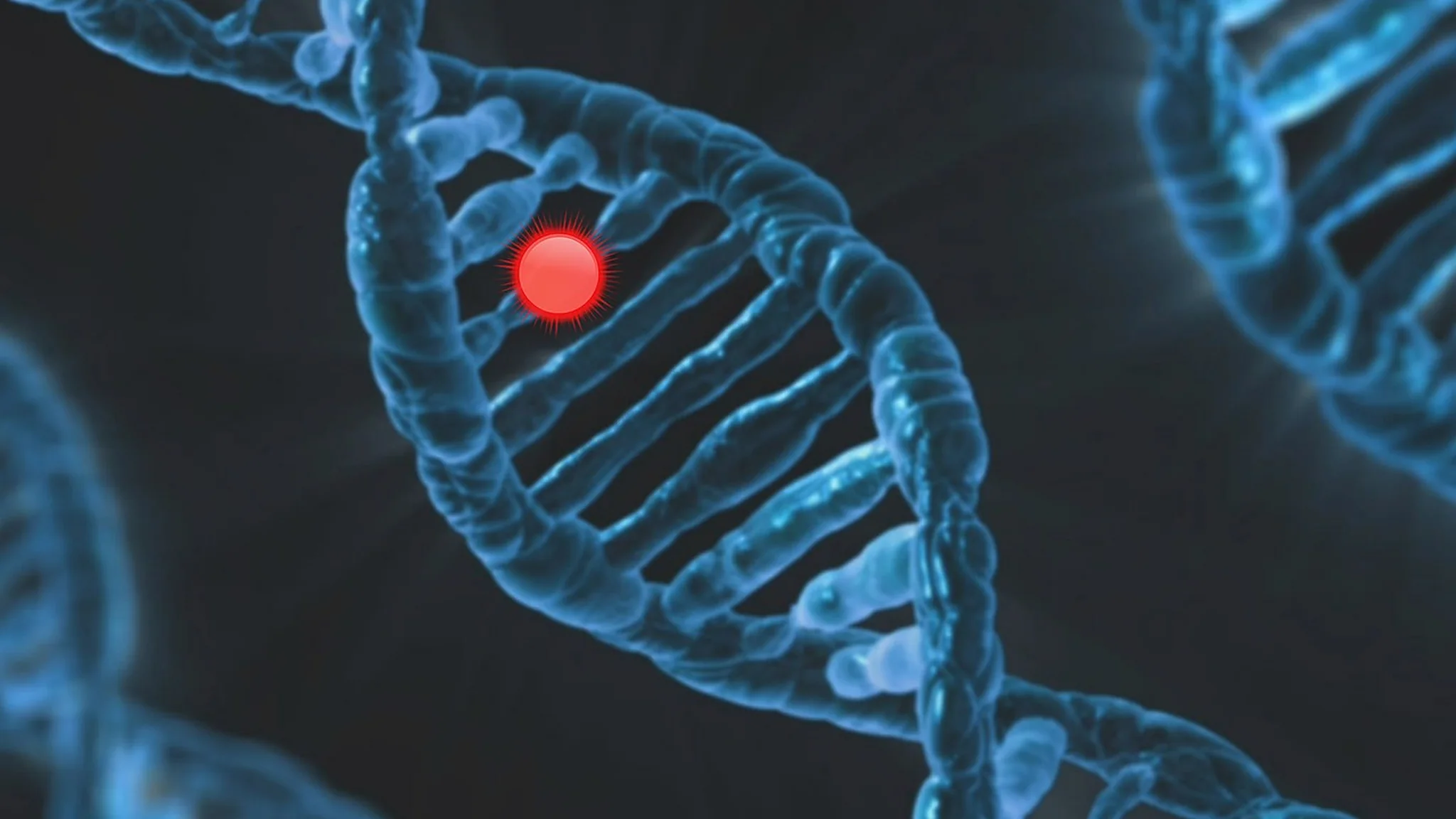
This ‘unraveling’ was considered essential for preventing tangling and ensuring each new cell receives an identical copy of the genome. The process involved enzymes actively disrupting the existing 3D structure, essentially flattening the chromosome’s organization to facilitate replication and segregation. It was a widely accepted paradigm, supported by many previous experimental observations that seemed to show a loss of chromosomal architecture as cells prepared to divide.
The implications of this assumed dissipation were significant. It suggested that cellular memory – the ability of a cell to ‘remember’ its past state through epigenetic modifications influenced by 3D structure – was temporarily lost during division, and then painstakingly rebuilt afterward. This understanding shaped much of our thinking about how cells inherit traits beyond just the DNA sequence itself.
Chromosomes & 3D Architecture

Chromosomes within a cell aren’t just linear strands of DNA; they exist in a highly organized three-dimensional (3D) architecture. This intricate folding, involving loops, coils, and other structural elements, isn’t random. It plays a crucial role in gene regulation – controlling when and where genes are turned on or off. Specific genomic regions brought into close proximity by this 3D structure are more likely to interact, influencing gene expression and impacting cellular function. This organization is vital for processes like DNA replication, repair, and chromosome segregation.
For decades, the prevailing model assumed that this carefully crafted 3D chromosomal architecture would largely dissolve during cell division, specifically during DNA replication and subsequent mitosis. The logic was simple: to allow access to all regions of the genome for replication machinery and to facilitate proper separation of duplicated chromosomes, the tightly packed structure had to temporarily relax or even unravel. Scientists believed that the complex folding patterns were transient, re-establishing themselves only after cell division was complete.
This ‘decondensation’ hypothesis influenced much of subsequent research aimed at understanding how DNA is replicated and segregated. It suggested a dynamic process where the genome sacrifices its structural integrity for the sake of these essential cellular events, only to rebuild it later. The recent discovery of genomic loops’ persistence during replication directly challenges this long-held assumption and opens up new avenues for exploring the interplay between genome structure and cell division.
The Breakthrough: Persistent Genomic Loops
For years, the prevailing understanding of cell division held that during replication and segregation of chromosomes, the genome temporarily shed its intricate three-dimensional architecture. It was assumed that this complex folding—the arrangement of DNA into loops and other structures—dissolved to facilitate efficient separation of genetic material before reforming in daughter cells. However, a groundbreaking new study has upended this long-held belief, revealing that these genomic loops, the very scaffolding upon which our genes are organized, surprisingly persist throughout cell division.
The revelation came thanks to advancements in high-resolution imaging techniques. Researchers employed sophisticated microscopy methods, including live-cell super-resolution microscopy and advanced fluorescent labeling, allowing them to meticulously track the movement of DNA within dividing cells. Prior attempts using traditional microscopy were simply not sensitive enough to visualize these delicate structures during such a dynamic process. What they observed was astonishing: instead of disappearing as predicted, many genomic loops remained remarkably stable and maintained their relative positions even as chromosomes condensed and separated.
This unexpected persistence challenged existing models of cell division and prompted scientists to re-evaluate the role of genomic loops in this fundamental biological process. The team’s meticulous observations strongly suggest that these structures aren’t merely transient organizational features but may actively contribute to chromosome segregation and overall genome stability during cell division – a function previously unappreciated. Further investigation is now focused on understanding *how* these loops remain intact and whether they influence the accuracy of chromosome distribution.
The implications of this discovery are significant, potentially impacting our understanding of genetic diseases linked to chromosomal instability and opening new avenues for targeted biotechnological interventions. The ability to manipulate or stabilize genomic loops could have profound effects, from improving gene therapy delivery to developing more precise diagnostic tools – areas where AI/ML algorithms might play a crucial role in analyzing the vast datasets generated by these advanced imaging techniques.
Observing the Unexpected
For years, the prevailing model suggested that the complex three-dimensional structure of a cell’s genome—the intricate folding and organization of DNA within the nucleus—dissolved during cell division to facilitate chromosome segregation. Researchers theorized this ‘decondensation’ was necessary for the orderly pulling apart of duplicated chromosomes into daughter cells. However, recent studies have dramatically challenged this assumption, revealing that these structures, particularly genomic loops formed by proteins like cohesin, surprisingly persist throughout much of the process.
The ability to observe these persistent genomic loops is a direct result of advancements in high-resolution microscopy and imaging techniques. Researchers utilized live-cell super-resolution microscopy – specifically, DNA localization microscopy (DLM) and related methods – which allows visualization of individual DNA molecules with unprecedented detail. These advanced tools circumvent the diffraction limit of light, enabling scientists to track the movement and organization of genomic regions during cell division in real time. Prior techniques lacked the resolution necessary to discern these subtle, dynamic changes.
The initial observations were genuinely unexpected. Researchers anticipated seeing a complete breakdown of DNA architecture as chromosomes condensed for segregation; instead, they witnessed robust genomic loops maintaining their integrity even as cells progressed through mitosis. This contradicted decades of established understanding and has prompted a re-evaluation of the mechanisms governing chromosome behavior and cell division, suggesting these structures play a more active role in ensuring accurate genetic inheritance than previously recognized.
Why This Matters: Implications & Future Research
The revelation that genomic loops persist even during chromosome replication fundamentally challenges long-held assumptions about cell division. Previously, the prevailing view was that the intricate 3D organization of the genome – a crucial factor in gene regulation – would dissolve as chromosomes were duplicated and prepared for segregation. This persistence suggests that these structural elements play an active and vital role *during* the very process of replication itself, potentially influencing how accurately genetic material is copied and distributed to daughter cells. Understanding this dynamic has profound implications, moving beyond simply describing genomic structure to understanding its function in a highly critical cellular event.
The connection between persistent genomic loops and disease offers particularly exciting avenues for exploration. Aberrant gene expression is a hallmark of many diseases, including cancer. If these loops are actively shaping which genes are accessible during replication – and therefore potentially influencing mutation rates or the stability of newly synthesized DNA – then disruptions in their formation or maintenance could contribute to genetic instability and disease development. Imagine scenarios where faulty loop structures lead to misregulation of tumor suppressor genes or oncogenes; this discovery provides a new framework for understanding such phenomena and opens potential therapeutic avenues targeting these structural elements, perhaps through targeted disruption or stabilization.
Looking ahead, the field of genomic research is poised for significant shifts thanks to this finding. Future studies will likely focus on characterizing the precise mechanisms that govern loop formation and maintenance throughout the cell cycle, including identifying the proteins involved in their dynamic behavior. Furthermore, the complexity of these structures makes them ideal candidates for computational modeling. Integrating high-resolution imaging data with machine learning algorithms could allow researchers to predict loop behavior under different conditions, unraveling how they respond to cellular stress or pharmacological interventions. This combination of experimental and computational approaches promises a deeper understanding of genomic organization and its impact on cellular processes.
Ultimately, the discovery of persistent genomic loops necessitates a rethinking of our models for cell division and gene regulation. While much remains to be discovered about their precise function, this breakthrough highlights the dynamic nature of the genome and underscores the importance of structural biology in advancing our understanding of fundamental biological processes. The ability to model these complex structures using AI/ML offers an exciting opportunity to bridge experimental observations with theoretical frameworks, potentially leading to breakthroughs not only in basic science but also in areas such as personalized medicine and synthetic biology.
Gene Regulation and Disease Connection?

The recent discovery that genomic loops persist throughout DNA replication challenges previous assumptions about genome structure during cell division. For years, it was believed these 3D structures would dissolve as the DNA unwinds and replicates, only to reform after the process concludes. However, researchers now observe that these loops—formed by proteins like CTCF and cohesin—remain surprisingly stable, actively influencing which genes are accessible for transcription even while replication machinery is at work. This persistence suggests a more dynamic role for genomic architecture in regulating gene expression than previously appreciated.
The maintenance of genomic loops during replication has significant implications for understanding how genes are regulated and potentially contributes to disease development. Misregulation of gene expression, often due to disruptions in chromatin structure or the proteins that form these loops, is a hallmark of many cancers and genetic disorders. Persistent, aberrant loops could trap specific regions of DNA in either an open (active) or closed (inactive) state, leading to overexpression or silencing of critical genes involved in cell growth, differentiation, or apoptosis. For instance, disruptions in CTCF binding have been linked to chromosomal instability and oncogenesis.
Looking ahead, the ability to manipulate genomic loop formation presents exciting therapeutic possibilities. Targeted interventions aimed at stabilizing or disrupting specific loops could offer a novel approach for correcting gene expression imbalances in diseased cells. This might involve developing small molecules that bind to CTCF or cohesin, or using CRISPR-based tools to modify their binding sites. While still in its early stages, research exploring these avenues holds promise for creating more precise and effective therapies for cancer and other genetic diseases.
Next Steps for Genomic Research
The recent confirmation that genomic loops persist throughout cell division opens exciting new avenues for research. Future studies should focus on precisely mapping these loops in various cell types and developmental stages to understand how their organization changes and contributes to cellular specialization. A key area will be investigating the dynamic nature of these structures – how they form, break, and reform during replication and segregation – and identifying the molecular mechanisms that govern their behavior. This includes exploring the roles of CTCF, Cohesin, and other associated proteins with greater granularity.
Computational modeling offers a powerful tool to further our understanding of genomic loops. Artificial intelligence (AI) and machine learning (ML) algorithms can be trained on large datasets of loop mapping data, combined with information about DNA sequence features and protein binding sites, to predict loop formation and stability. These models could help researchers identify novel factors involved in loop organization and test hypotheses about their functional roles. Furthermore, simulations might allow us to explore how disruptions to genomic loop structure contribute to chromosomal instability and disease.
Ultimately, unraveling the intricacies of genomic loops has implications far beyond our current understanding of cell division. This discovery may provide new insights into gene regulation – how these structures impact accessibility of DNA for transcription factors – and could reveal novel therapeutic targets for diseases characterized by aberrant chromosome behavior, such as cancer. Future research should also consider investigating whether similar loop-like structures exist in other organisms or cellular compartments, potentially broadening our understanding of genomic organization across life.
Beyond the Lab: Potential Tech Applications
The recent discovery that genomic loops persist even during cell division—challenging previous assumptions about genome structure—opens exciting avenues for biotechnological innovation. Imagine a future where we can precisely engineer cells, not just by altering genes but also by manipulating their three-dimensional organization. Understanding how these ‘genomic loops’ form and function could allow us to design synthetic chromosomes with specific architectures, potentially leading to more robust and predictable cellular behavior. This level of control would be transformative for industries ranging from pharmaceuticals to biofuels.
Specifically in bioengineering and synthetic biology, the ability to stabilize or even create custom genomic loop structures presents immense possibilities. Researchers might engineer cells where certain genes are consistently brought into close proximity, enhancing their expression and function – a targeted approach far more sophisticated than current methods. Conversely, strategically disrupting loops could silence unwanted gene activity with unprecedented accuracy. The inherent complexity of these dynamic structures suggests that mimicking them in engineered systems will require a deep understanding of the underlying physical principles at play.
Beyond direct manipulation, this discovery is also inspiring new approaches to genome analysis using AI and machine learning. Current methods for analyzing genomic structure are often computationally intensive and reliant on approximations. The persistence of genomic loops provides a more stable framework upon which to build improved algorithms. Machine learning models could be trained to predict loop formation based on sequence data or cellular environment, allowing scientists to infer the 3D organization of genomes without relying solely on experimental techniques. This predictive capability would significantly accelerate research in diverse areas, from identifying disease-causing mutations to optimizing gene therapies.
Ultimately, the revelation that genomic loops endure during cell division isn’t just a correction of scientific understanding; it’s a launchpad for new technologies. The intersection of genomics, bioengineering, and artificial intelligence promises a future where we can not only read the language of life but also rewrite its architecture – all thanks to a deeper appreciation for these fundamental ‘genomic loops’.
Bioengineering & Synthetic Biology
The recent discovery that genomic loops persist during cell division, rather than dissipating as previously thought, opens exciting avenues for bioengineering and synthetic biology. These loops, formed by DNA folding and protein interactions, are now recognized as crucial organizational structures influencing gene expression and chromosome segregation. Understanding how these loops form, maintain their integrity during replication, and dynamically reorganize offers unprecedented control over cellular processes – a key goal in both fields.
One particularly compelling application lies in the design of synthetic chromosomes. Currently, constructing entire artificial chromosomes is incredibly complex due to our limited understanding of genome architecture. By leveraging knowledge of genomic loop formation and dynamics, bioengineers could potentially program specific genes into defined chromosomal regions, ensuring their proper expression and inheritance. This level of control would revolutionize metabolic engineering for biofuel production or the creation of novel therapeutic molecules.
Furthermore, manipulating genomic loops directly could provide a far more precise method for gene regulation than existing techniques like CRISPR. Imagine being able to selectively enhance or suppress specific genes by subtly altering loop structure, essentially rewriting cellular behavior without permanently modifying the underlying DNA sequence. While still in its early stages, research into loop-based gene editing promises a future where biological systems can be engineered with unparalleled accuracy and sophistication.

The implications of understanding how cells organize their DNA are truly revolutionary, reshaping our fundamental grasp of biological processes.
We’ve journeyed through a fascinating landscape, revealing how these intricate genomic loops play a crucial role in orchestrating cell division with remarkable precision and efficiency.
This isn’t just about rearranging the order of genes; it’s about fundamentally altering how cells read and utilize that information, opening doors to previously unimaginable therapeutic possibilities.
The ability to visualize and manipulate these structures promises breakthroughs across diverse fields, from cancer research to regenerative medicine, offering new avenues for targeted interventions and disease prevention. The discovery of genomic loops represents a significant paradigm shift in our understanding of cellular architecture and function, and it’s only the beginning of what we can learn from this dynamic system; there’s an undeniable sense of wonder in witnessing nature’s elegant solutions to complex challenges like maintaining genetic integrity during replication and division..”,
Continue reading on ByteTrending:
Discover more tech insights on ByteTrending ByteTrending.
Discover more from ByteTrending
Subscribe to get the latest posts sent to your email.