
Related Post
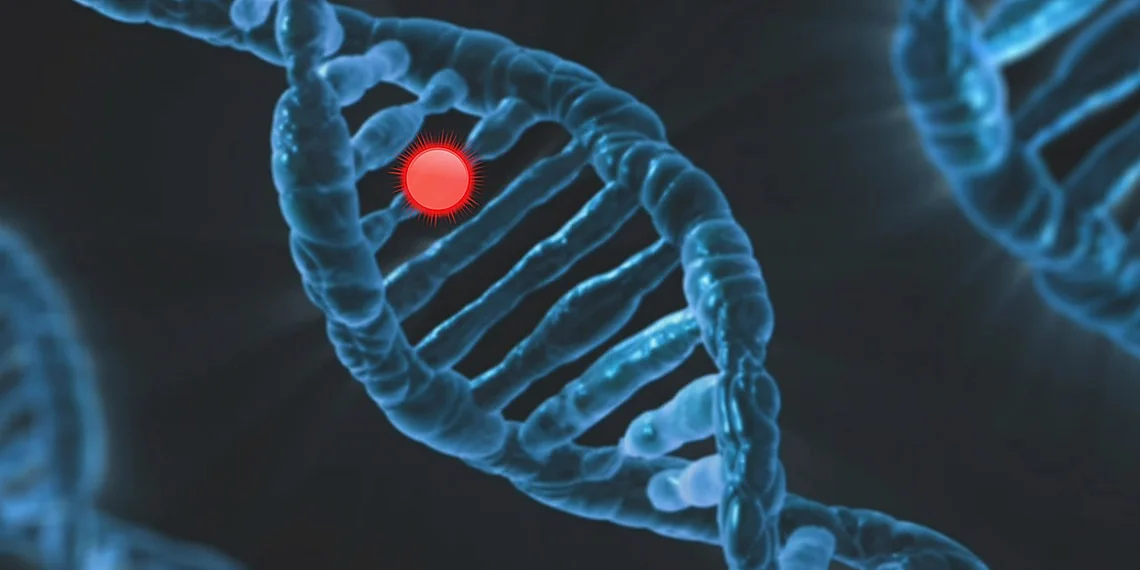
Imagine your DNA, stretched out, could reach from Earth to Mars – that’s how much genetic information is packed into every cell. But somehow, this incredibly long molecule isn’t a tangled mess; it’s surprisingly organized, and recent discoveries are revealing just how intricate that organization truly is. For decades, scientists believed the structure of DNA during cell division was relatively straightforward, but that understanding is now undergoing a dramatic shift thanks to groundbreaking research into cellular architecture. We’re uncovering a hidden level of complexity that governs everything from gene expression to disease development.
A key player in this revolution? Something called genome loops. These fascinating structures, first identified through advanced imaging techniques, are essentially folds and bends in the DNA molecule which bring distant regions of the genome into close proximity. This surprising arrangement isn’t random; it actively shapes how genes are accessed and regulated during crucial processes like cell division.
The implications of this discovery are enormous, potentially rewriting our understanding of developmental biology, cancer progression, and even aging. By revealing the mechanics behind these genome loops, we’re opening up entirely new avenues for therapeutic intervention and a deeper appreciation for the remarkable efficiency of cellular life.
The Unexpected Persistence of Structure
For decades, the prevailing view in molecular biology held that a cell’s genome undergoes a dramatic simplification during division. Before a cell can split into two daughter cells, it must meticulously replicate its entire genetic blueprint – all of its chromosomes. Scientists assumed this replication process and subsequent steps leading to division would disrupt the intricate three-dimensional structure normally adopted by DNA within the nucleus. The expectation was that as chromosomes condense for segregation, they’d essentially ‘flatten,’ losing their characteristic folding patterns and complex architecture; a kind of genomic disassembly necessary for proper separation.
This established belief stemmed from observations showing a loss of higher-order chromatin structures during mitosis. Researchers reasoned that these elaborate folds were too delicate to withstand the forces involved in chromosome segregation, and that maintaining them would actively hinder the process. The prevailing model suggested the genome temporarily abandoned its usual organized state, becoming more linear and accessible for replication and then undergoing reorganization *after* division was complete.
However, recent groundbreaking research has dramatically challenged this long-held assumption. Scientists have now discovered that ‘genome loops’ – compact structures formed by DNA bending around proteins – surprisingly persist throughout the entire cell division process, even during chromosome replication. These loops, which play a crucial role in gene regulation and genome organization under normal conditions, were thought to be transient features, vanishing as cells prepare to divide. This unexpected persistence suggests that genomic structure isn’t simply erased and rebuilt; it’s more dynamic and adaptable than previously imagined.
The discovery of these enduring genome loops has significant implications for our understanding of how genetic information is inherited and regulated. It raises questions about the role these structures play in ensuring accurate chromosome segregation, gene expression during division, and potentially even influences the susceptibility to errors that could lead to disease. Further research will undoubtedly focus on elucidating exactly *how* these loops maintain their integrity under such stressful conditions and what mechanisms are at play.
Prior Assumptions: A Disappearing Act?
For years, the prevailing assumption in molecular biology was that genome organization fundamentally dissolves during DNA replication and cell division. Researchers believed that the complex three-dimensional folding patterns – loops, domains, and compartments – which give chromosomes their characteristic structure, temporarily unravel or ‘flatten’ as the DNA is copied and segregated into daughter cells. This ‘flattening’ was thought to be a necessary step to allow access for the numerous enzymes involved in replication and chromosome segregation.
The reasoning stemmed from observations of chromatin decondensation during mitosis. Images showed that chromosomes appeared less folded, more diffuse, and seemingly random in their arrangement as they prepared for division. It was generally accepted that these intricate structures were dynamic, existing primarily to regulate gene expression under normal circumstances, but temporarily sacrificing their organization during the crucial process of cell duplication.
Essentially, the scientific community operated under the expectation that genomic structure was a transient feature – present when cells weren’t dividing, absent or significantly altered when they were. This understanding guided much of previous research into chromosome dynamics and replication mechanisms.
The New Observation: Loops Remain
For years, the prevailing understanding in cellular biology was that the intricate three-dimensional organization of a genome – including the formation of ‘genome loops’ – largely dissolved during DNA replication and cell division. The logic was straightforward: as chromosomes are duplicated and then separated into two daughter cells, the forces involved would disrupt these complex structural arrangements, effectively resetting the genome to a more random state before re-establishing order in the new cells.
However, recent groundbreaking research has dramatically challenged this assumption. Scientists have now observed that these genome loops, which help organize DNA within the nucleus and are crucial for gene regulation, surprisingly persist throughout the entire process of chromosome replication and cell division. Using advanced microscopy techniques and sophisticated computational analysis, researchers tracked loop structures in dividing cells and found they remained remarkably stable.
This persistence of genome loops has significant implications for how we understand cellular processes. It suggests that these structural elements play a more active role in guiding DNA segregation and maintaining genomic integrity than previously thought. Further investigation into why and how these loops endure during division could reveal new targets for therapeutic interventions related to cell growth, cancer, and genetic diseases.
What Are Genome Loops & Why Do They Matter?
For decades, scientists have understood that our DNA isn’t just a tangled mess; it organizes itself into complex three-dimensional structures within the cell’s nucleus. These intricate folds significantly impact how genes are expressed and ultimately, how cells function. A key component of this 3D organization is what we now know as ‘genome loops.’ Simply put, genome loops are physical bends or folds in DNA that bring distant regions of the chromosome into close proximity. They’re formed by proteins – primarily a protein called CTCF – which act like molecular staples binding to specific sites along the DNA and looping it around a structural support called a chromatin tether.
The formation of these loops isn’t random; they play a critical role in gene regulation. By bringing enhancers (regions that boost gene expression) closer to promoters (the starting points for genes), genome loops can dramatically influence whether a gene is turned ‘on’ or ‘off.’ This precise control over gene activity is essential for everything from development and differentiation to responding to environmental cues. Disruptions to these loop structures have been implicated in various diseases, highlighting their importance in maintaining cellular health.
Before cell division – when a parent cell splits into two daughter cells – the entire genome must be replicated with incredible accuracy. Previously, it was believed that this replication process resulted in a temporary loss of the genome’s 3D structure; essentially, the loops would dissolve and reform later. However, recent research has revealed something astonishing: these genome loop structures are remarkably resilient and largely persist throughout cell division. This preservation is vital because losing them could lead to errors during chromosome segregation, potentially resulting in daughter cells with incorrect genetic information – a dangerous prospect that can trigger developmental problems or cancer.
The discovery that genome loops endure through cellular division fundamentally changes our understanding of how genetic material is passed down and regulated across generations of cells. It reinforces the idea that maintaining this intricate 3D architecture isn’t just about gene expression; it’s also crucial for genomic stability and accurate inheritance. Further research into these structures promises to unlock new avenues for treating diseases linked to chromosomal instability and could even inform future advancements in areas like synthetic biology and targeted therapies.
Understanding the Basics: What are Genome Loops?
Genome loops are fascinating, three-dimensional structures that arise from the folding of DNA within a cell’s nucleus. Imagine a long strand of yarn – that’s your DNA. Normally, it’s tangled and messy, but genome loops represent specific points where this yarn gets bent and anchored to itself, creating a loop-like shape. These aren’t random folds; they are meticulously organized formations crucial for regulating gene expression and other cellular processes.
The formation of these loops isn’t just about the DNA itself. It heavily relies on interactions with proteins, most notably a protein called SMC (Structural Maintenance of Chromosomes). SMC acts like a molecular stapler, grabbing onto distant points on the DNA strand and bringing them together to form the loop. Other proteins, including cohesin, help stabilize these loops once they are formed, ensuring their structure is maintained.
For years, scientists assumed that the intricate 3D organization of the genome – including these crucial loops – would be lost during cell division as chromosomes condense and decondense. However, recent research has revealed that many of these loops persist through the process, suggesting they play a vital role in ensuring accurate chromosome segregation and maintaining genomic integrity during this critical stage. This preservation is significant because it indicates that genome organization isn’t just a static feature but an active element involved in cell division.
Loops & Gene Regulation: A Crucial Connection
Genome loops aren’t just random folds in DNA; they play a vital role in gene regulation. These loops, often anchored by proteins like cohesin and CTCF, bring distant regions of the genome into close proximity. This physical closeness allows regulatory elements – enhancers, for example – to interact with the genes they control, influencing when, where, and how much a gene is expressed. Without these loops, enhancers might be too far away to effectively activate their target genes, disrupting normal cellular function.
The formation of genome loops directly impacts transcription rates. When an enhancer is brought near a promoter via loop formation, it can recruit RNA polymerase II, the enzyme responsible for copying DNA into RNA (the first step in protein production). The strength and stability of these loops therefore dictates the level of gene expression – too weak or unstable, and the gene might not be expressed at all; too strong, and overexpression could lead to cellular dysfunction. This intricate dance of proximity and regulation is crucial for proper development and cell differentiation.
Traditionally, it was assumed that genome organization, including these loops, dissolved during mitosis (cell division) and reformed afterward. Recent research has revealed this isn’t the case; many genome loops persist throughout the process of chromosome segregation and replication. This preservation is significant because maintaining these structures ensures accurate inheritance of gene regulatory information to daughter cells. Disruptions in loop stability or integrity during cell division can lead to altered gene expression patterns, potentially contributing to developmental defects or disease.
Implications for Biotechnology & Beyond
The recent revelation that genome loops persist even during cell division, defying previous assumptions about genomic structure collapsing during replication, opens exciting new avenues for biotechnology. Understanding the mechanisms behind these dynamic structures – how they form, maintain their integrity, and potentially remodel themselves during mitosis – provides a crucial target for manipulating cellular processes. This isn’t just an academic curiosity; it’s a potential key to unlocking more precise genetic engineering tools, allowing us to not only edit genes but also influence *how* those genes are expressed and regulated within the cell.
The implications for disease understanding are particularly compelling. Disruptions in genome loop formation have already been implicated in various diseases, including several cancers and developmental disorders. By pinpointing which loops are affected in specific pathologies, researchers can develop targeted therapies that restore proper genomic organization and function. Imagine a future where treatments don’t just address the faulty gene itself but also correct the structural environment surrounding it, leading to more effective and less invasive interventions – this is the promise genome loop research holds.
Beyond therapeutic applications, the data generated from studying these loops presents an unprecedented opportunity for leveraging Artificial Intelligence and Machine Learning. The complexity of genomic interactions makes traditional modeling approaches challenging; however, AI/ML algorithms excel at identifying patterns and predicting behavior within vast datasets. By feeding these models with information about genome loop formation, stability, and dynamics, we can begin to build predictive frameworks that anticipate how the genome will respond to various stimuli or genetic modifications, accelerating drug discovery and personalized medicine.
Ultimately, the persistent nature of genome loops offers a new lens through which to view cellular processes. As research progresses, we can expect to see increasingly sophisticated AI-driven simulations used to design interventions – whether they involve gene editing tools that specifically target loop structures or novel therapeutic molecules that stabilize or modify them. This represents a significant step towards a future where biotechnology is not just about manipulating genes, but about orchestrating the entire genomic landscape with unprecedented precision.
Targeting Disease: A New Avenue?
Emerging research reveals that disruptions to genome loop formation – the process where DNA folds into distinct three-dimensional structures – are increasingly implicated in a variety of diseases. While initially thought to dissipate during cell division, these loops appear crucial for maintaining genomic integrity and proper gene expression throughout this critical phase. Aberrant loop organization has been observed in cancers like leukemia and lymphoma, where misfolded chromosomes can lead to uncontrolled cell growth and genetic instability. Similarly, developmental disorders are also being linked to defects in genome looping, suggesting a fundamental role in orchestrating the complex processes of embryonic development.
The precise mechanisms by which disruptions in genome loop formation contribute to disease are still under investigation, but several pathways are emerging. Incorrect loop structures can physically block access of transcription factors to essential genes, leading to their silencing or misregulation. They may also promote chromosomal rearrangements and DNA damage, increasing the risk of mutations that drive tumor development. Furthermore, altered looping patterns can affect the segregation of chromosomes during cell division, potentially resulting in daughter cells with unbalanced genetic material – a hallmark of many cancers.
Understanding these connections opens up exciting new therapeutic avenues. Researchers are exploring strategies to correct aberrant genome loop structures using targeted interventions, such as small molecules that stabilize or destabilize specific loops. Gene editing tools like CRISPR could also be repurposed to precisely modify the proteins responsible for forming and maintaining these structures. While still in early stages, this approach offers a potentially more precise way to target disease at its root – the fundamental organization of our genetic material.
AI & Modeling: Predicting Genomic Behavior
The recent discovery that genome loops persist during cell division presents a significant opportunity for advancements in artificial intelligence (AI) and machine learning (ML). Previously, the assumption was that these three-dimensional structures, which organize DNA within the nucleus, largely dissolved during replication. However, maintaining this structural information allows AI models to be trained on more accurate representations of genomic behavior – moving beyond simplistic linear sequences and incorporating crucial spatial context.
Current ML models attempting to predict gene expression or identify disease risk often struggle with the complexity of the genome. Incorporating data about genome loop organization can dramatically improve predictive accuracy. For instance, understanding how loops influence DNA accessibility (and therefore which genes are ‘turned on’ or ‘off’) allows AI algorithms to better anticipate cellular responses to stimuli and potentially pinpoint vulnerabilities in diseased cells.
Furthermore, this knowledge can facilitate the design of targeted interventions. AI models trained on genome loop data could assist researchers in identifying optimal locations for gene editing tools like CRISPR-Cas9 – ensuring that modifications are made precisely where they’ll have the desired effect while minimizing off-target consequences. This precision is critical for developing safer and more effective therapies.
The Road Ahead: Further Research & Open Questions
The revelation that genome loops, previously thought to dissolve during chromosome replication, remain surprisingly stable opens a fascinating new chapter in cell biology research. Future studies will undoubtedly focus on precisely *how* these structures are maintained throughout this critical process. Scientists are actively investigating the proteins and molecular mechanisms responsible for loop persistence – do specific chaperone proteins play a role? Are there dynamic changes in chromatin architecture that allow loops to adapt during replication without collapsing? Deciphering these maintenance pathways promises to deepen our understanding of genome organization and its functional significance.
Beyond simply identifying their presence, researchers will be keen to explore the *function* of these persistent loops. Do they actively guide or influence DNA replication itself? Could they contribute to ensuring accurate chromosome segregation or preventing errors during division? The possibility that these structures aren’t merely passive bystanders but rather active participants in the process is incredibly exciting and warrants extensive investigation using techniques like live-cell imaging, advanced microscopy, and potentially even incorporating AI/ML models to analyze complex datasets.
This discovery also raises intriguing questions about the broader role of genome loops within the cell. If they’re robust enough to withstand replication, could they be similarly stable and functionally important in other cellular processes such as gene transcription, DNA repair, or even responses to stress? Exploring these connections – examining loop dynamics during differentiation, aging, or disease states – will likely reveal a more pervasive and crucial role for genome loops than previously imagined. The potential implications extend far beyond replication, hinting at a fundamental architectural principle governing many aspects of cellular behavior.
Finally, the interplay between these stable loops and other known genomic structures like topologically associating domains (TADs) remains an open question. Do loops contribute to TAD formation or maintenance? Are they hierarchically organized, with larger-scale features dictating loop organization? Addressing these questions will require integrating data from multiple levels of analysis – from single molecules to entire chromosomes – and developing new computational tools capable of modeling the complex interplay between different genomic elements.
Unraveling the Mechanisms: How are Loops Maintained?
While the existence of genome loops and their role in organizing DNA are increasingly understood, a critical question remains: how are these structures maintained throughout the complex process of DNA replication and cell division? Researchers are actively investigating the proteins and molecular mechanisms responsible for loop stability. Early evidence points to cohesin, a protein known for its role in sister chromatid cohesion during mitosis, as a key player. However, it’s becoming clear that other factors – potentially including CTCF (CCCTC-binding factor), which is frequently found at loop boundaries, and various architectural proteins – are also essential components of the maintenance machinery.
Current research employs a variety of techniques to dissect these processes. Live-cell imaging allows scientists to observe loop dynamics in real-time, while biochemical assays help identify interacting proteins. Computational modeling is being used to simulate loop formation and stability under different conditions, allowing for hypothesis generation and testing. A significant challenge lies in distinguishing between loops that are inherently stable structural features and those that form transiently during replication or other cellular events.
Future studies aim to create a comprehensive map of the proteome involved in genome loop maintenance and to define their precise roles. Understanding these mechanisms not only provides a more complete picture of how DNA is organized within the nucleus but could also reveal vulnerabilities exploitable for therapeutic interventions, particularly in diseases where genomic instability plays a role, such as cancer.
Beyond Replication: Loops in Other Processes
The initial focus on genome loops during DNA replication was crucial for their identification, but it’s increasingly clear that these structures likely play a role in other fundamental cellular processes beyond just ensuring accurate chromosome duplication. Early evidence suggests they might be involved in gene expression regulation – influencing which genes are turned ‘on’ or ‘off’ at specific times and locations within the cell. Observing loop dynamics during differentiation, for example, could reveal how cells commit to becoming specialized types.
Furthermore, researchers are beginning to investigate whether genome loops contribute to DNA repair mechanisms. The compact organization facilitated by these loops might allow for more efficient recognition of damaged regions and targeted repair strategies. Disruptions in loop formation have been linked to genomic instability and disease states; understanding their function could therefore provide new avenues for therapeutic intervention.
Finally, the precise mechanisms controlling genome loop formation and dissolution remain largely unknown. While factors like CTCF and cohesin are known to be involved, a complete picture of the signaling pathways and molecular machinery driving these dynamic processes is still lacking. Unraveling this complexity promises not only deeper insights into cellular biology but also potentially inspires new computational approaches for modeling and predicting genomic behavior.
The revelations surrounding genome loops have fundamentally shifted our understanding of how cells organize and execute division, revealing a level of complexity previously unimaginable. These dynamic structures aren’t just passive organizers; they actively participate in gene regulation and chromosomal behavior, influencing everything from development to disease susceptibility. Our exploration has highlighted the crucial role these loops play in bringing distant DNA sequences into close proximity, impacting transcription and replication processes with remarkable precision. The discovery that genome loops are not static but rather constantly forming and dissolving presents a fascinating new avenue for investigation, potentially offering therapeutic targets for genetic disorders. Moving forward, researchers will undoubtedly focus on unraveling the precise mechanisms governing loop formation, stability, and their response to environmental cues. Imagine a future where we can manipulate these structures to correct faulty gene expression or enhance cellular resilience – that’s the promise this field holds. Further study into the interplay between genome loops and other chromosomal elements will also be key to fully appreciating the intricacy of cellular life. The potential for personalized medicine, tailored to individual genomic profiles informed by a deeper understanding of how these structures function, is truly exciting. We hope this article has sparked your curiosity about the intricacies of genomics and inspired you to delve further into this rapidly evolving field. There are countless resources available online, from introductory courses to cutting-edge research papers; we encourage you to explore them and become part of the ongoing scientific conversation surrounding genome loops and beyond! Discover the power of genomics – start learning today.
Consider enrolling in an online course, attending a local science lecture, or simply exploring reputable websites dedicated to genetics and molecular biology. The world of genomics is vast and rewarding, offering opportunities for discovery and innovation at every turn.
Source: Read the original article here.
Discover more tech insights on ByteTrending ByteTrending.
Discover more from ByteTrending
Subscribe to get the latest posts sent to your email.