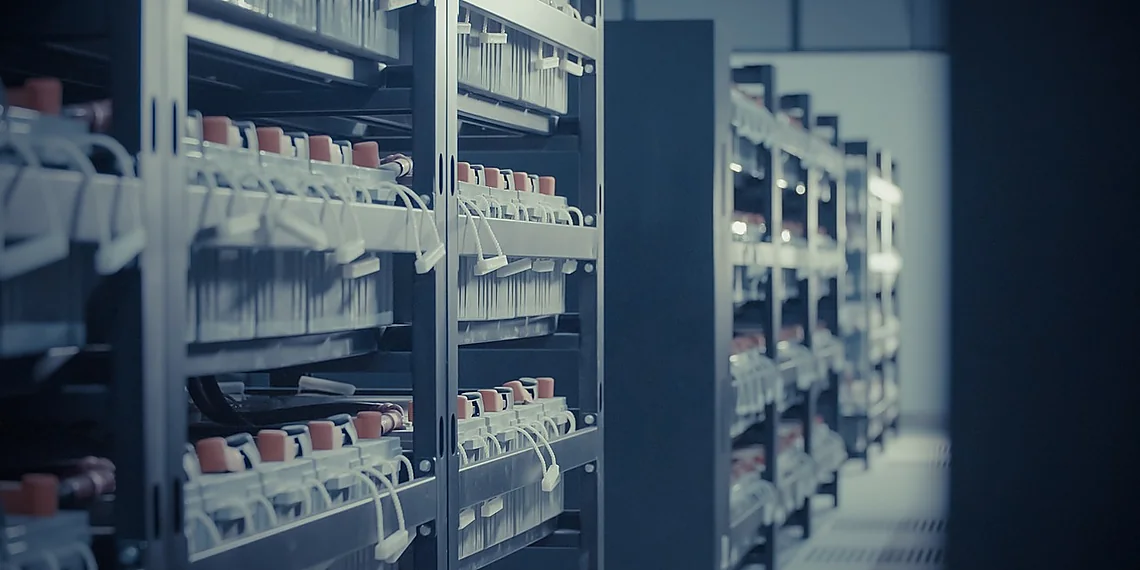

The relentless demand for computing power isn’t slowing down, and our current solutions are struggling to keep pace sustainably. Data centers, the backbone of our digital world, consume staggering amounts of energy and contribute significantly to carbon emissions – a challenge that demands innovative thinking. We’re constantly seeking ways to optimize performance while minimizing environmental impact, pushing the boundaries of what’s possible in computing infrastructure. Imagine a future where these limitations are drastically reduced, opening up unprecedented opportunities for innovation and growth. That future may be closer than you think.
Enter Starcloud, a company pioneering a truly disruptive approach: deploying space data centers. This isn’t science fiction; it’s a tangible solution gaining serious momentum. Leveraging the unique advantages of the space environment – near-perfect vacuum, extreme cold, and abundant solar energy – Starcloud aims to dramatically reduce the power consumption associated with traditional ground-based facilities. The sheer efficiency gains are staggering when you consider the elimination of cooling requirements as we know them.
NVIDIA is playing a pivotal role in this exciting venture, providing crucial hardware and expertise to ensure these orbital data centers can operate at peak performance. The collaboration highlights the growing recognition that solving today’s computing challenges requires bold new approaches and partnerships across industries. Starcloud’s vision promises not just more efficient computation, but also a pathway toward a significantly greener digital future – one where space data centers become an integral part of our global infrastructure.
The Problem With Earth-Bound Data Centers
The relentless growth of data is fueling an insatiable demand for data centers, those sprawling facilities humming with servers that power our digital lives. However, this boom comes at a significant cost. Traditional Earth-bound data centers are colossal energy hogs, consuming roughly 3% of global electricity – a figure projected to rise dramatically in the coming years. This immense consumption translates directly into a substantial carbon footprint; if data centers were a country, they’d rank among the world’s largest emitters. The sheer scale of this environmental impact is becoming increasingly unsustainable and demands innovative solutions.


Beyond the environmental concerns, maintaining these facilities on Earth presents considerable economic challenges. Cooling systems alone account for a significant portion of operational expenses, with geographical limitations dictating where data centers can realistically be built due to water availability and climate factors. The cost of land, power infrastructure upgrades, and increasingly stringent regulations further inflate expenses, impacting the overall efficiency and scalability of current data center models. Finding ways to reduce these costs while meeting ever-growing demands is a critical priority for businesses worldwide.
Consider that the NVIDIA Inception program is exploring solutions that could drastically alter this landscape – moving computation beyond Earth’s atmosphere. Initial projections suggest space-based data centers, leveraging the vacuum of space for natural cooling and abundant solar energy, could offer up to 10x lower energy costs compared to their terrestrial counterparts. This isn’t just about saving money; it’s about freeing up precious resources on Earth and mitigating the environmental burden of our digital infrastructure.
The potential benefits extend far beyond simple cost reduction. Relocating data centers to space could also alleviate pressure on terrestrial power grids, reduce water consumption for cooling, and enable faster data transfer speeds due to reduced latency in certain applications. While significant engineering hurdles remain, the prospect of a future powered by space-based computing represents a compelling vision – one that NVIDIA’s Inception program is actively working to realize.
Energy Consumption & Carbon Footprint

The relentless growth of data generation and consumption is placing an unprecedented strain on Earth-bound data centers. These facilities, which power everything from cloud computing to streaming services and AI applications, are incredibly energy intensive. Globally, data centers consume approximately 350 terawatt-hours (TWh) annually – more than the entire country of Germany! This figure is projected to climb significantly in the coming years as demand for data processing continues its upward trajectory.
The sheer scale of this energy consumption translates directly into a substantial carbon footprint. Data centers are responsible for roughly 3% of global greenhouse gas emissions, equivalent to the aviation industry. Furthermore, much of this electricity is still generated from fossil fuels, exacerbating the environmental impact. Cooling systems alone account for a significant portion (around 40%) of data center energy usage, further highlighting the inefficiencies inherent in current infrastructure.
Beyond the direct carbon footprint, the increasing demand for data centers necessitates constant expansion and construction, which also contributes to resource depletion and habitat destruction. Finding sustainable solutions is therefore not just an environmental imperative but a critical factor influencing the long-term viability of our digital society. The promise of space data centers offers a potential pathway towards drastically reducing these negative impacts.
Starcloud’s Orbital Solution
Starcloud’s ambitious vision tackles the growing challenges of data center power consumption and environmental impact head-on by proposing a radical solution: deploying fully operational data centers in low Earth orbit (LEO). The core concept revolves around utilizing the unique advantages of the space environment – namely, near-unlimited solar energy and the vacuum of space for incredibly efficient cooling – to drastically reduce the overhead associated with traditional terrestrial facilities. Instead of relying on expensive and carbon-intensive grid power and elaborate cooling systems, Starcloud’s data centers would essentially float in a constant stream of sunlight, powered by massive solar arrays, while radiating heat directly into the void.
The technical feasibility of this endeavor is surprisingly grounded despite its futuristic premise. Starcloud leverages advancements in several key areas including radiation-hardened electronics (essential for protecting hardware from cosmic rays), modular and scalable data center designs specifically tailored to space deployment, and advanced robotic assembly techniques for constructing these orbital facilities. Crucially, they’re integrating NVIDIA’s Hopper architecture GPUs – known for their incredible energy efficiency and AI inference capabilities – into their design. This allows for powerful compute resources while minimizing the overall power draw, a critical factor given the limitations of transmitting large amounts of power to space.
One of the most innovative aspects of Starcloud’s approach is its focus on distributed inference. Rather than sending raw data back to Earth for processing (which would introduce significant latency), much of the AI workload can be handled directly within the orbital data centers, closer to the source of the data – think real-time satellite imagery analysis or autonomous space operations. This reduces bandwidth requirements and minimizes delays, enabling faster insights and more responsive applications. The projected 10x reduction in energy costs isn’t just about cheap power; it’s a holistic benefit stemming from minimized cooling needs, efficient GPU utilization, and reduced transmission overhead.
Beyond the immediate technical challenges, Starcloud is also pioneering novel approaches to data transfer between space and Earth using laser communication systems. This high-bandwidth, low-latency link is essential for both retrieving processed results and updating software on the orbital infrastructure. The company’s Inception program support from NVIDIA provides not only crucial hardware but also expertise in optimizing AI workloads for this unique space-based computing environment, marking a significant step towards realizing the potential of truly orbiting data centers.
Leveraging Space for Efficiency
The burgeoning demand for computational power, driven by AI inference and massive datasets, is straining Earth’s energy resources and creating significant environmental concerns. Starcloud’s solution proposes a radical shift: relocating data centers to space. Operating in the vacuum of orbit offers several compelling advantages. Most notably, access to near-unlimited solar energy eliminates reliance on terrestrial power grids and associated fossil fuels. Solar panels deployed in space receive significantly more consistent and intense sunlight than those on Earth, free from atmospheric interference or weather patterns.
Beyond energy generation, the vacuum environment drastically reduces cooling needs – a major operational expense for traditional data centers. Heat dissipation is far easier in a vacuum, minimizing or even eliminating the need for complex and power-hungry cooling systems. This reduction in both energy consumption for power *and* cooling contributes directly to Starcloud’s projected 10x lower energy costs compared to Earth-based facilities. The absence of atmospheric drag also simplifies structural requirements and reduces maintenance overhead.
Finally, space-based data centers have the potential to deliver significantly reduced latency for certain applications. By strategically positioning infrastructure closer to users in specific regions (e.g., high-latitude areas), data transmission times can be minimized. While not a universal benefit across all use cases, this lower latency advantage, combined with the other efficiencies, makes space data centers an increasingly attractive option for computationally intensive tasks and globally distributed services.
NVIDIA’s Role in Starcloud
NVIDIA is playing a pivotal role in realizing the ambitious vision of space data centers through its involvement with Starcloud, a project aiming to revolutionize computing infrastructure. Recognizing the potential of orbiting data centers – predicted by NVIDIA’s Inception projects to offer up to 10x lower energy costs compared to terrestrial facilities and significantly reduce Earth-bound power consumption – NVIDIA is providing critical technology and support. This collaboration extends beyond mere hardware provision; it’s a strategic partnership focused on tackling the unique challenges of operating computational resources in space.
At the heart of this effort lies NVIDIA’s Hopper architecture GPUs. These cutting-edge processors are exceptionally well-suited for Starcloud’s anticipated workloads, particularly AI inference tasks. The extreme power efficiency of the Hopper architecture is paramount given the limited and precious nature of energy available in orbit. Moreover, their robust design allows them to operate reliably within the harsh conditions of space, including significant temperature fluctuations and radiation exposure – factors that severely constrain traditional computing hardware.
The selection of Hopper GPUs isn’t just about raw performance; it’s a reflection of NVIDIA’s commitment to fostering innovation in emerging sectors. Through its Inception program, NVIDIA provides startups like those developing Starcloud with access to expertise, resources, and technologies – accelerating their progress towards realizing this groundbreaking vision. This support includes engineering assistance, software development tools optimized for Hopper, and collaborative research opportunities focused on optimizing AI inference workloads specifically for the space environment.
Ultimately, NVIDIA’s involvement in Starcloud signifies a leap forward in distributed computing and sustainable technology practices. By leveraging the power of its Hopper architecture GPUs and fostering partnerships through programs like Inception, NVIDIA is not only enabling the development of space data centers but also shaping the future of how we process and utilize information – all while minimizing our impact on Earth’s resources.
Hopper Architecture & Space Applications
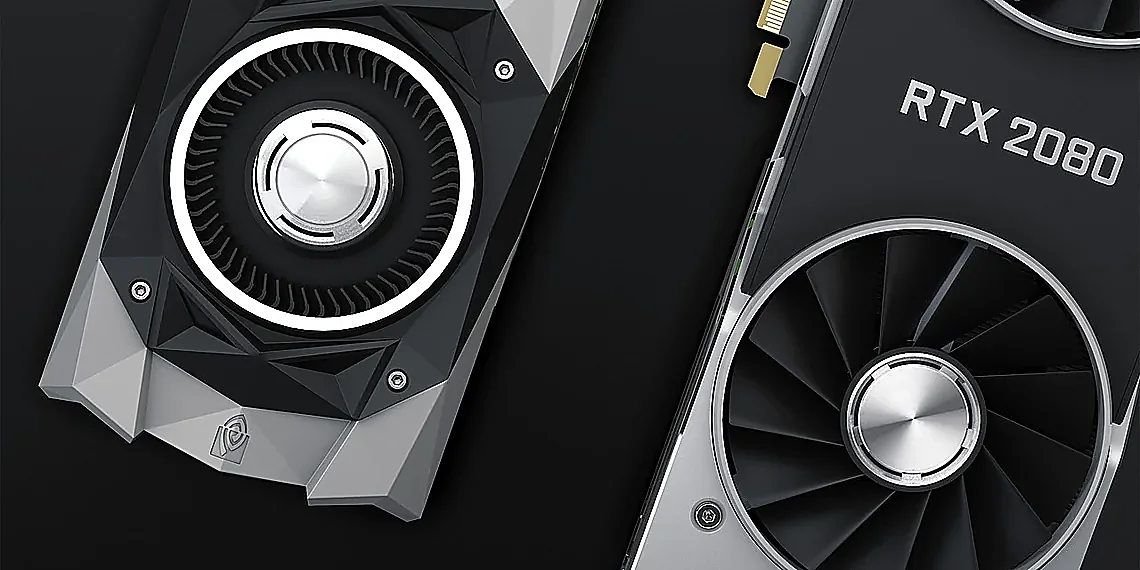
NVIDIA’s Hopper architecture is proving exceptionally well-suited for the demanding requirements of Starcloud’s proposed space data centers. A key advantage lies in Hopper’s power efficiency; operating in orbit necessitates minimizing energy consumption due to limited solar resources and the high cost of transmitting power from Earth. Hopper GPUs deliver significantly improved performance per watt compared to previous generations, allowing Starcloud to maximize computational capabilities while drastically reducing overall energy needs – a critical factor for sustainable space-based operations.
Beyond efficiency, Hopper’s robust design is inherently beneficial in extreme environments. Space presents challenges like radiation exposure and temperature fluctuations that terrestrial hardware struggles with. While specific hardening measures will still be required, Hopper’s architecture demonstrates resilience against such conditions, reducing the risk of failure and increasing operational uptime within a space data center environment. Furthermore, its powerful tensor cores are optimized for AI inference tasks, which Starcloud envisions as a core function – processing vast amounts of sensor data in real-time without latency.
NVIDIA’s Inception program is actively supporting Starcloud’s development efforts. This support includes access to technical expertise, early hardware releases, and collaborative engineering resources. The Inception partnership validates NVIDIA’s belief in the potential of space data centers and highlights Hopper’s pivotal role in realizing this ambitious vision – enabling efficient AI-powered processing far beyond Earth’s atmosphere.
The Future of Space Data Centers
Starcloud’s pioneering work with NVIDIA represents a significant leap towards realizing the concept of space data centers, but its impact extends far beyond simply accelerating AI inference tasks. While the immediate focus is leveraging the Hopper architecture for computationally intensive workloads, the underlying principle – drastically reducing energy consumption and minimizing Earth-bound resource strain – has transformative potential across numerous sectors. The promise of 10x lower energy costs isn’t just about economic efficiency; it’s about a fundamental shift in how we approach global data infrastructure, particularly as AI models continue to grow exponentially in size and complexity.
Imagine scientific research unconstrained by terrestrial power limitations, enabling real-time analysis of vast datasets from telescopes or climate monitoring satellites. Consider satellite communication networks with significantly reduced latency and increased bandwidth, powered directly from space, bypassing the need for extensive ground infrastructure. Even sectors like financial modeling or weather forecasting could benefit immensely from the processing capabilities and energy efficiency offered by a distributed network of space data centers. The possibilities are truly vast, though realizing them will require overcoming substantial engineering and logistical hurdles.
However, the move to space data centers isn’t without its challenges and ethical considerations. Issues surrounding orbital debris management, cybersecurity in a vacuum environment, and equitable access to this advanced technology need careful attention. Furthermore, ensuring responsible deployment – avoiding potential disruption of existing satellite operations or contributing to further space congestion – will be critical. The long-term vision demands not only technological innovation but also robust international collaboration and ethical frameworks.
Ultimately, Starcloud’s project with NVIDIA serves as a compelling glimpse into the future of computing. While widespread adoption of space data centers is likely years away, it signals a paradigm shift in how we design and utilize data infrastructure, potentially alleviating pressure on Earth’s resources while unlocking unprecedented computational power for humanity – a truly exciting frontier.
Beyond Inference: A New Era?
While initial discussions around space data centers often center on accelerating AI inference tasks – leveraging low latency and reduced energy consumption to process data directly from satellites or deep-space probes – the true revolution might lie beyond this immediate application. Consider fields like high-resolution Earth observation; real-time analysis of vast datasets for climate modeling, disaster response, or resource management becomes dramatically more efficient when processing occurs closer to the source, minimizing bandwidth constraints and delays. The ability to perform complex simulations in near-real time, unburdened by terrestrial limitations, opens up exciting possibilities across numerous scientific disciplines.
Beyond research, space data centers could fundamentally reshape satellite communications infrastructure. Currently, satellites rely on ground stations for processing and relaying signals, a process that introduces latency and limits bandwidth. Onboard data centers would enable direct satellite-to-satellite communication, creating a mesh network with unprecedented speed and capacity. This has implications for everything from global internet access in underserved areas to secure military communications and even the potential for truly immersive virtual reality experiences delivered directly via satellite.
However, realizing this vision presents significant challenges. The cost of deploying and maintaining infrastructure in space remains extraordinarily high, requiring innovative solutions for power generation, thermal management, and radiation shielding. Ethical considerations surrounding data sovereignty and orbital debris also demand careful attention. Scaling these systems responsibly will necessitate international collaboration and a proactive approach to mitigating potential risks, ensuring that the benefits of space-based computing are shared equitably.
The journey into utilizing space for computation has moved from science fiction to a tangible, rapidly developing reality, promising transformative shifts across industries.
We’ve explored how deploying infrastructure beyond Earth offers unparalleled advantages – lower latency for global connectivity, immunity from terrestrial disruptions, and the potential for entirely new scientific discoveries fueled by readily available processing power.
The challenges are significant, of course, but the rewards-from enabling real-time satellite control to accelerating AI training on massive datasets-are simply too compelling to ignore.
NVIDIA’s pivotal role in this evolution is undeniable; their GPUs and software platforms are essential for handling the immense computational demands inherent in operating and managing space data centers, ensuring efficient processing even under extreme conditions and limited bandwidth scenarios. Their commitment extends beyond hardware, actively fostering innovation within the burgeoning ecosystem surrounding this technology, paving the way for wider adoption and groundbreaking applications that will redefine how we interact with our planet and beyond. The future looks bright as advancements continue to push the boundaries of what’s possible with space data centers and other orbital infrastructure initiatives. It’s an exciting time to witness the convergence of space exploration and high-performance computing, opening up opportunities we can scarcely imagine today. Let’s embrace this new frontier together, recognizing its potential to reshape our world for generations to come. The possibilities are truly limitless when we combine human ingenuity with the vastness of space itself.
Continue reading on ByteTrending:
Discover more tech insights on ByteTrending ByteTrending.
Discover more from ByteTrending
Subscribe to get the latest posts sent to your email.