

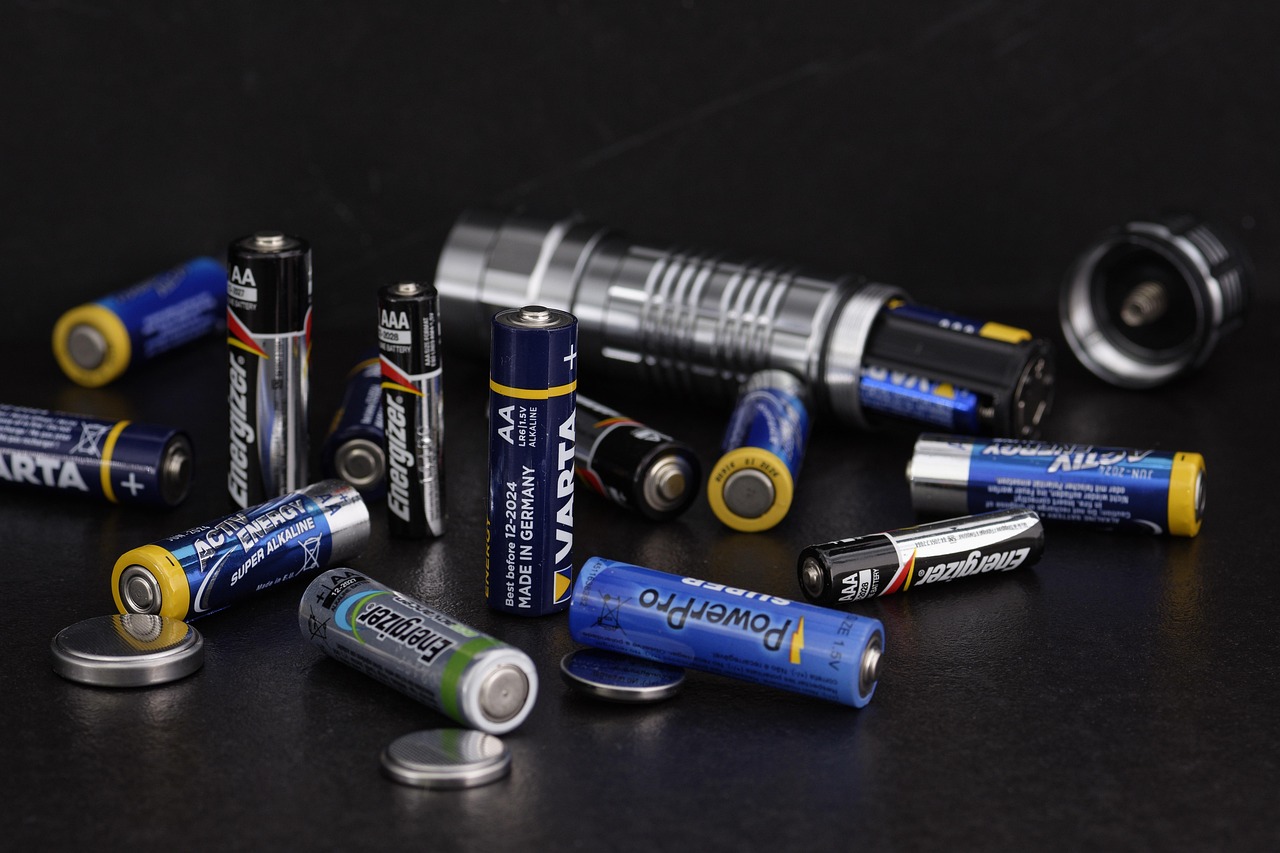
The quest for sustainable energy solutions is driving innovation across countless fields, and one technology quietly gaining momentum offers a compelling alternative to traditional batteries. These devices, known as supercapacitors, promise rapid charging times, extended lifecycles, and enhanced power delivery – characteristics that are particularly appealing for applications ranging from electric vehicles to grid-scale energy storage. While lithium-ion batteries have dominated the portable electronics landscape for years, their limitations in certain areas are increasingly apparent.
Supercapacitors store energy electrostatically rather than chemically, allowing them to charge and discharge much faster than batteries. This translates into a significant advantage when you need power on demand; think of regenerative braking systems in electric buses or powering high-intensity bursts from medical devices. The challenge, however, lies in maximizing their energy density – the amount of energy they can store for a given size and weight.
Traditionally, supercapacitors have relied on materials like activated carbon, but researchers are now pushing the boundaries with unexpected candidates. From seaweed to coffee grounds, and even repurposed industrial waste, scientists are discovering that seemingly ordinary substances possess remarkable electrochemical properties suitable for building next-generation energy storage devices. This exploration of alternative materials is poised to unlock a new era in supercapacitor technology, potentially making them more accessible, sustainable, and cost-effective than ever before.
Recycling Plastic: Water Bottle Supercapacitors
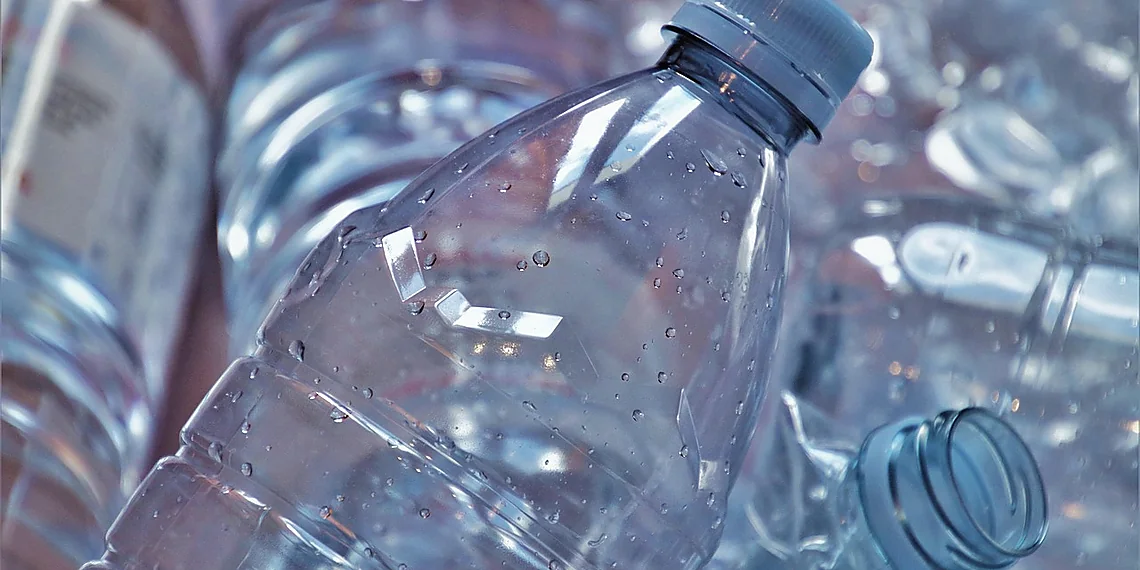
Researchers at Michigan Tech University are pioneering a remarkably simple yet promising approach to energy storage: turning discarded plastic water bottles into functional supercapacitor components. This innovative process directly addresses the growing problem of plastic waste while simultaneously contributing to the development of more sustainable and circular energy solutions. The team’s work focuses on polyethylene terephthalate (PET), the common plastic used in most disposable water bottles, transforming it into both electrode material and a separator layer within a supercapacitor device.
The process itself is surprisingly straightforward. First, PET water bottles are broken down into their constituent polymer chains through a relatively low-temperature pyrolysis process. This creates a carbon powder which serves as the active material in the electrodes. Simultaneously, thin sheets of PET are punched with tiny holes to create a porous separator membrane – crucial for preventing short circuits within the supercapacitor while allowing ion flow. The simplicity of these steps significantly reduces the energy input and complexity typically associated with advanced materials processing.
While the performance of these PET-derived supercapacitors isn’t yet on par with those built using more established carbon materials like graphene, early results are encouraging. The Michigan Tech team has demonstrated a measurable capacitance, indicating that the devices can effectively store electrical charge. The potential for improvement through further optimization and material refinement is significant. Challenges remain in scaling up production and achieving higher energy densities, but this research highlights a compelling pathway towards utilizing readily available waste streams to create functional energy storage solutions.
Ultimately, the ability to fabricate supercapacitors from recycled PET water bottles offers a tantalizing glimpse into a future of circular energy storage – where waste becomes a valuable resource. This approach not only reduces plastic pollution but also provides a potentially low-cost and environmentally friendly alternative to traditional capacitor materials, paving the way for more sustainable and accessible power solutions.
From Bottles to Electrodes & Separators

Researchers at Michigan Technological University have developed a surprisingly straightforward method for transforming discarded plastic (specifically Polyethylene Terephthalate or PET, commonly found in water bottles) into functional components for supercapacitors. The process begins with mechanically shredding the plastic bottles into small pieces. These pieces are then subjected to pyrolysis – heating them in an oxygen-free environment – which breaks down the long polymer chains into a carbon powder. This resulting carbon powder serves as the active material for the electrodes, offering a readily available and inexpensive alternative to traditionally sourced electrode materials.
Creating the separator layer, another crucial component of a supercapacitor, is equally simple. PET sheets derived from the same recycled bottles are punched with tiny holes using standard tooling. These perforations allow ions to pass between the electrodes while preventing physical contact and short circuits. The resulting porous sheet acts as an effective separator, providing necessary insulation within the device without requiring complex fabrication techniques.
The beauty of this approach lies in its simplicity: shredding, pyrolysis, and hole-punching are processes readily scalable with existing industrial infrastructure. This drastically reduces both the cost and environmental impact associated with supercapacitor production, paving the way for a truly circular energy storage system where waste plastic is directly converted into valuable components.
Performance and Potential

Researchers at Michigan Technological University have demonstrated promising performance metrics using supercapacitors fabricated from recycled polyethylene terephthalate (PET), commonly found in plastic water bottles. Initial testing has shown these PET-based devices achieving capacitances ranging from 10 to 25 Farads per gram, which is lower than the capacitance of traditional supercapacitor materials like activated carbon (typically 200-300 F/g) or graphene (~100-400 F/g). However, this performance is still significant considering the low cost and abundance of PET waste, and represents a viable starting point for further optimization.
The team’s process involves chemically treating shredded PET to create porous electrode materials. This porosity is crucial for maximizing surface area – a key factor in supercapacitor capacitance as it provides more sites for charge accumulation. While current iterations don’t match the energy density of established supercapacitors, their power density (the rate at which energy can be delivered) shows potential, and ongoing research focuses on enhancing both capacitance and conductivity through techniques like incorporating conductive additives or modifying the PET’s chemical structure.
Several challenges remain before PET-based supercapacitors can achieve widespread commercialization. These include improving cycle life (the number of charge/discharge cycles a device can endure before performance degrades), increasing energy density to compete with existing technologies, and scaling up the manufacturing process while maintaining cost-effectiveness. Addressing these issues through continued materials science innovation will be essential for realizing the full potential of circular energy storage using recycled plastics.
Nature’s Power Source: Egg-Based Supercapacitors
Forget lithium-ion – researchers at the University of Virginia are cracking a new code to energy storage, and it’s surprisingly simple: eggs! In a groundbreaking development pushing the boundaries of sustainable technology, scientists have demonstrated the creation of fully biodegradable supercapacitors using components from chicken eggs. This innovative approach moves beyond conventional materials, offering a tantalizing glimpse into a future where power sources are not only efficient but also environmentally friendly.
The beauty of this research lies in its holistic utilization of what’s typically considered waste. The process, dubbed ‘deconstructing an egg for energy storage,’ involves meticulously separating and processing the different parts: the shell provides structural support and acts as a conductive material; the membranes become effective separators; the whites contribute to the electrolyte’s ionic conductivity; and even the yolks play a role in enhancing performance. Each component is carefully transformed, leveraging their inherent properties to create a functional supercapacitor.
Unlike conventional supercapacitors that rely on materials like activated carbon or graphene, these egg-based devices offer a compelling alternative with significantly reduced environmental impact. The biodegradability of the components means a drastically shorter lifecycle and minimal waste at the end of its use. While current prototypes may not match the energy density of lithium-ion batteries, this research represents a significant step toward developing sustainable and accessible energy storage solutions for applications ranging from portable electronics to grid-scale power.
The team’s work highlights the potential of bio-derived materials in advanced technologies, demonstrating that inspiration can be found in the most unexpected places. Further refinement and scaling up production could unlock a new era of eco-conscious energy solutions, proving that sometimes, nature truly holds the key to powering our future.
Deconstructing an Egg for Energy Storage
Researchers at the University of Virginia have pioneered an intriguing approach to supercapacitor development utilizing readily available egg components. The process begins with separating the egg into its constituent parts: shell, chalazal membrane (the rope-like structure suspending the yolk), albumen (egg white), and yolk. Each part is then processed differently to serve a specific role within the supercapacitor’s architecture. Eggshell, primarily calcium carbonate, is calcined – heated at high temperatures – to increase its surface area for enhanced ion adsorption and forms the electrode material.
The chalazal membrane, known for its robust protein structure, undergoes a similar process of freeze-drying and chemical modification to improve conductivity. This modified membrane serves as both an electrolyte and a separator, allowing ion transport while preventing short circuits between electrodes. Egg white is processed into a porous carbon material through pyrolysis – heating in the absence of oxygen – which also functions as an electrode. Finally, the yolk’s lipid content contributes to the overall device performance, although its precise role remains under investigation.
This egg-based supercapacitor boasts complete biodegradability, addressing concerns about electronic waste associated with conventional devices. While current prototypes exhibit lower energy density compared to traditional supercapacitors, the research highlights a significant step towards sustainable and resource-efficient energy storage solutions, demonstrating the potential of repurposing common biological materials for advanced technological applications.
Hemp’s Hidden Potential
Forget lithium – a surprising new material is emerging as a contender in energy storage: pomegranate hemp stems. Researchers at Ondokuz Mayıs University in Turkey have discovered an ingenious way to transform agricultural waste into high-performance electrodes for supercapacitors, demonstrating the potential of readily available biomass resources. This innovative approach moves beyond traditional carbon sources and highlights the possibilities inherent in repurposing materials often overlooked.
The process itself is surprisingly elegant. Hemp stems, a byproduct of pomegranate farming, are subjected to activation – a chemical treatment that creates a highly porous structure. This results in activated carbon, characterized by its immense surface area. Think of it like expanding a sponge; the more surface area available, the greater the capacity for storing electrical charge. The resulting activated carbon electrodes exhibit impressive electrochemical properties, including high capacitance and excellent rate capability—meaning they can rapidly charge and discharge without significant performance loss.
The supercapacitors built with these pomegranate hemp-derived electrodes show promising results, rivaling those made from conventional materials in some aspects. While still in the research phase, this work underscores a crucial shift towards sustainable energy solutions. Utilizing agricultural waste not only reduces reliance on mined resources but also offers a potentially cheaper and more environmentally friendly pathway for supercapacitor production – paving the way for broader adoption of these devices in applications ranging from electric vehicles to grid-scale energy storage.
Ultimately, the Ondokuz Mayıs University’s research exemplifies how creative material science can unlock hidden potential within seemingly insignificant resources. Hemp stems, once destined for disposal, are now contributing to a future powered by more sustainable and accessible energy storage technologies. This discovery reinforces the idea that innovative solutions often lie in unexpected places—and sometimes, they’re growing right under our noses.
From Stems to Supercapacitor Electrodes
Researchers at Ondokuz Mayıs University in Turkey have discovered a surprisingly effective way to transform readily available hemp stems into high-performing supercapacitor electrodes. The process begins with the agricultural byproduct – often discarded after hemp is harvested for its fibers or seeds – and involves converting it into activated carbon. This conversion isn’t simple; the stems are first subjected to pyrolysis, a heating process in a low-oxygen environment that chars the material. Subsequently, chemical activation using potassium hydroxide further increases the surface area of the resulting carbon.
The key to creating effective supercapacitor electrodes lies in maximizing the surface area available for charge accumulation. Activated carbon derived from hemp stems demonstrates exceptionally high surface areas – some studies report values exceeding 2000 m²/g. This extensive porosity allows for a greater number of ions to be stored, directly correlating with increased capacitance and energy density within the supercapacitor. The resulting electrodes also exhibit good electrical conductivity and electrochemical stability.
Supercapacitors utilizing activated carbon derived from pomegranate hemp stems have shown promising results in testing. Devices constructed with this material demonstrate reasonable cycle life (withstanding numerous charge-discharge cycles without significant degradation) and competitive performance metrics compared to those using commercially available activated carbons. This research highlights the potential for sustainable, low-cost energy storage solutions leveraging agricultural waste streams.
Cementing a New Approach
MIT researchers are taking a decidedly unconventional approach to supercapacitor design, exploring the surprisingly effective combination of cement, water, and carbon to create electrode materials. This isn’t about replacing traditional capacitor components; rather, it’s an exploration of novel material combinations that leverage unique synergistic properties. The team’s work demonstrates how readily available and inexpensive building blocks can be transformed into functional energy storage devices, potentially opening doors for low-cost, large-scale applications.
The core innovation lies in the interplay between hydrophilic cement (which attracts water) and hydrophobic carbon (which repels it). This seemingly contradictory pairing creates a fascinating microenvironment within the electrode. The cement provides a porous framework that facilitates ion transport while the carbon enhances conductivity and surface area for charge accumulation. Crucially, this synergy promotes the formation of well-ordered ion layers – vital for efficient energy storage in supercapacitors – something often difficult to achieve with conventional materials.
The theoretical energy storage potential from this cement-carbon composite is significant, though still early in development. While current prototypes don’t rival the performance of high-end commercial supercapacitors, simulations suggest that optimized designs could deliver comparable or even superior energy density while maintaining rapid charging and discharging capabilities characteristic of these devices. The simplicity of the materials and process also makes scalability a realistic possibility.
Beyond raw performance metrics, the use of cement presents an intriguing advantage: its abundance and low cost. This opens up exciting possibilities for integrating supercapacitors into infrastructure like bridges or buildings – essentially turning them into giant energy storage units. Further research will focus on refining the material composition and architecture to maximize both performance and durability in real-world conditions.
The Cement-Carbon Synergy
Researchers at MIT have pioneered a novel approach to supercapacitor electrode design by leveraging the unexpected synergy between hydrophilic cement (calcium hydroxide) and hydrophobic carbon materials. Traditional supercapacitors rely on efficient ion layer formation at the electrode-electrolyte interface for charge storage. Cement, with its porous structure and abundance of hydroxyl groups (-OH), provides a naturally hydrophilic environment that readily attracts ions from the electrolyte. Simultaneously, the incorporated carbon component offers high electrical conductivity and a large surface area – crucial for maximizing capacitance.
The key to this cement-carbon synergy lies in creating a composite material where the cement acts as an ion facilitator, effectively ‘wicking’ ions into the carbon matrix. This enhanced ion accessibility significantly improves charge transport within the electrode and leads to increased capacitance compared to using either material alone. The water present in the cement also plays a critical role by further enhancing ionic conductivity and facilitating electrolyte penetration throughout the porous structure.
The theoretical energy storage potential of these cement-carbon supercapacitors is promising, although current prototypes are still under development. Initial calculations suggest that optimized formulations could achieve energy densities approaching those of some lithium-ion batteries, while retaining the rapid charge/discharge rates and long cycle life characteristic of supercapacitors. Further research focuses on optimizing the cement-to-carbon ratio and exploring different carbon types to maximize both capacitance and power density.

The journey through these unexpected material candidates for supercapacitors has undeniably revealed a landscape ripe with possibility, even if challenges remain.
We’ve seen how researchers are pushing boundaries, transforming everything from seaweed to discarded coffee grounds into viable electrode materials, demonstrating an impressive ingenuity in resource utilization and waste reduction.
While the performance metrics of these novel approaches often lag behind established technologies like activated carbon, the rapid pace of innovation suggests that significant advancements are on the horizon, particularly as we refine fabrication techniques and deepen our understanding of interfacial phenomena.
The inherent sustainability advantages – reduced reliance on scarce resources and a smaller environmental footprint – position these materials favorably for a future increasingly focused on circular economies and responsible manufacturing practices. This is especially critical considering the growing demand for efficient energy storage to power electric vehicles and renewable energy grids, where supercapacitors can play a vital role alongside batteries in hybrid systems. Ultimately, broader adoption will depend on achieving cost-effectiveness and durability comparable to existing solutions; however, the potential reward of truly sustainable energy storage is substantial and warrants continued exploration. The field of supercapacitors itself continues to evolve, with these unconventional materials representing an exciting frontier for research and development.
Continue reading on ByteTrending:
Discover more tech insights on ByteTrending ByteTrending.
Discover more from ByteTrending
Subscribe to get the latest posts sent to your email.